- Company Articles
- Industry articles
- Industry News
- The Role of Aluminum Side Guards in Preventing Workplace Accidents: Statistics & Insights

The Role of Aluminum Side Guards in Preventing Workplace Accidents: Statistics & Insights
Related Product
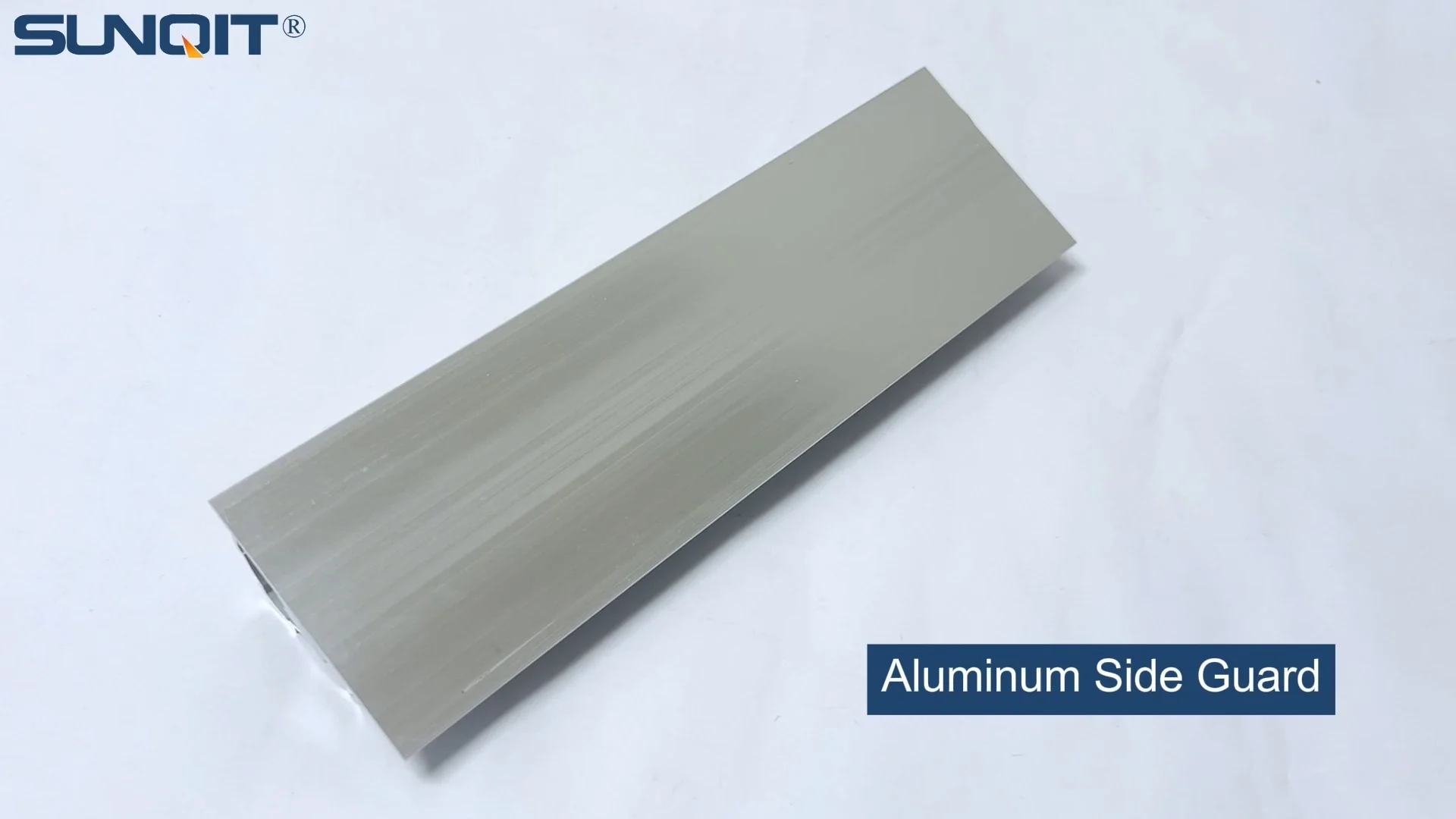
Aluminum Side Guard
Aluminum side guard, it works with a aluminum pipe or a roller track as side guard to prevent material drop,or move to wrong direction.
It's a typical Monday morning at PrecisionWorks Manufacturing, a mid-sized facility producing automotive components. The floor is buzzing: operators load parts onto roller tracks, assemblers lean over workbenches to fit intricate pieces, and material handlers wheel trolleys through narrow aisles. Suddenly, a loud clatter echoes—Jake, a new hire, has accidentally bumped a stack of metal sheets on a workbench. Without warning, the top sheet slides off the edge, narrowly missing his foot before crashing to the ground. "That was too close," mutters his supervisor, Karen, who's seen this scenario play out one too many times. "We need to fix this—starting with adding proper guards to these workbenches."
Scenes like this are far from rare. Across industries, workplace accidents related to material handling, slips, and falls cost businesses billions annually in injuries, downtime, and lost productivity. But here's the good news: many of these incidents are preventable. Enter aluminum side guards—unassuming yet critical components that, when integrated into workbenches, roller tracks, and lean systems, act as silent sentinels, keeping workers and materials safe. In this article, we'll dive into the data behind workplace accidents, explore how aluminum side guards mitigate risks, and uncover why they've become a cornerstone of modern industrial safety.
The Staggering Cost of Unprotected Workspaces: By the Numbers
Before we unpack how aluminum side guards make a difference, let's ground ourselves in the reality of workplace accidents. According to the U.S. Bureau of Labor Statistics (BLS), material handling incidents account for over 20% of all non-fatal workplace injuries—translating to roughly 450,000 cases annually in the U.S. alone. These injuries range from minor cuts and bruises to severe fractures and even amputations, with an average cost per claim exceeding $40,000. For small to medium businesses, a single serious accident can derail operations for weeks, if not months.
The International Labour Organization (ILO) paints an even broader picture: globally, over 340 million occupational accidents occur each year, with material handling and falls from heights (or off work surfaces) topping the list of causes. What's striking is that many of these incidents share a common thread: unprotected edges . Whether it's a workbench without barriers, a roller track missing guide rails, or a storage rack with unstable shelving, the absence of simple safeguards turns routine tasks into potential hazards.
Consider this: A 2023 study by the National Safety Council (NSC) found that 68% of "slip-off" incidents—where materials slide off work surfaces—could have been prevented with the installation of side guards or rails. For manufacturers relying on lean systems to optimize workflow, these incidents are doubly costly: not only do they harm workers, but they disrupt the seamless flow of materials, undermining the very efficiency lean principles aim to achieve.
What Are Aluminum Side Guards, and Why Do They Matter?
At their core, aluminum side guards are protective barriers designed to line the edges of work surfaces, roller tracks, and material handling equipment. Made from aluminum profile—lightweight, corrosion-resistant, and incredibly strong—they create a physical boundary that prevents materials from sliding off, workers from accidentally bumping into sharp edges, and tools from falling into walkways.
But why aluminum? Unlike steel, which is heavy and prone to rust, or plastic, which lacks durability, aluminum strikes the perfect balance. Its malleability allows for custom shapes (thanks to aluminum extrusion profile techniques), making it easy to adapt to different workbench sizes, roller track configurations, and lean system setups. Plus, aluminum guide rail accessories—like brackets, connectors, and end caps—ensure a snug, secure fit, even in high-vibration environments.
Let's break down their role in three key industrial settings:
1. Workbenches: The First Line of Defense
Workbenches are the heart of any production line, where assembly, inspection, and packaging happen. Without side guards, tools, components, and even finished products can easily slide off the edges—especially when operators are working quickly to meet deadlines. Aluminum side guards, often paired with aluminum guide rail A or B profiles, create a low-profile barrier (typically 2-4 inches high) that keeps items contained. For example, the "Workbench E (Single Deck—Without Caster)" model, a staple in many factories, becomes exponentially safer when fitted with aluminum side guards along its perimeter. Workers like Maria, from our earlier story, no longer have to worry about parts slipping as they work; the guards act as a gentle reminder to keep materials centered, reducing both accidents and wasted time spent retrieving fallen items.
2. Roller Tracks: Keeping Materials on Course
Roller tracks are the arteries of material flow in lean systems, transporting parts from one workstation to the next. When unguided, materials can veer off track, colliding with other equipment or spilling onto the floor. Aluminum side guards here aren't just barriers—they're navigational tools. By integrating plastic roller track guide rails (yellow or grey) with aluminum guide rails, manufacturers create a "lane" that keeps items moving straight. For instance, the "38 Aluminum Roller Track Yellow with Side Guide" is designed to cradle small components, preventing them from jamming or falling off during transport. In busy warehouses, this translates to fewer delays, less product damage, and a lower risk of trips and falls from scattered materials.
3. Lean Systems: Safety Meets Efficiency
Lean systems thrive on minimizing waste—including waste from accidents. Aluminum side guards align perfectly with this philosophy. By preventing material loss and downtime, they keep workflows uninterrupted. For example, in a "Material Rack B (3 Row and 3 Floor)" setup, aluminum side guards on each shelf ensure that bins and boxes stay in place, even when the rack is loaded to capacity. This not only reduces the need for rework but also makes inventory checks faster and safer, as workers don't have to worry about dislodging items while accessing stock.

The Data Speaks: Case Studies in Accident Reduction
Numbers tell the story best. Let's look at two real-world examples of facilities that transformed their safety records by investing in aluminum side guards.
Case Study 1: Automotive Parts Manufacturer
A Michigan-based automotive parts plant with 200 employees was struggling with frequent "material slip" incidents—an average of 12 per month, leading to 3 minor injuries and $15,000 in damaged parts annually. Their lean system relied heavily on roller tracks and workbenches, but most surfaces lacked edge protection. In 2022, they partnered with an aluminum profile supplier to install side guards on all workbenches and "40 Steel Roller Track Yellow Wheel" conveyors. The results? Within six months, slip incidents dropped by 83% (to just 2 per month), and there were zero injuries related to falling materials. The plant manager noted, "We didn't just improve safety—our line operators are more confident now. They're not constantly checking edges; they can focus on speed and accuracy, which has boosted productivity by 10%."
Case Study 2: Electronics Assembly Facility
An electronics assembly facility in California specialized in delicate circuit boards, which were frequently damaged when sliding off ESD workstations (static-controlled benches critical for sensitive components). The facility had tried plastic guards, but they cracked easily under the weight of tools. Switching to "Aluminum Guide Rail B" side guards with "Internal Rotary Aluminum Joints" (for easy height adjustment) proved game-changing. Over a year, damaged circuit boards dropped from 25 per quarter to 3, saving the company $45,000 in replacement costs. "Aluminum's strength means we don't have to replace guards every few months," said the safety coordinator. "And because it's conductive, it integrates seamlessly with our ESD workstations—no static buildup issues."
| Material | Slip Prevention Rate | Durability (Avg. Lifespan) | Installation Time | Cost (Per Linear Foot) | ESD Compatibility |
|---|---|---|---|---|---|
| Aluminum | 92% | 7–10 years | 30 mins/10ft | $8–$12 | Yes (with conductive finishes) |
| Steel | 95% | 10–15 years | 60 mins/10ft (heavier, needs tools) | $15–$20 | Yes |
| Plastic | 78% | 2–3 years | 20 mins/10ft | $4–$6 | Limited (static buildup risk) |
The table above, compiled from industry data, highlights aluminum's sweet spot: it nearly matches steel's slip prevention rate but at half the cost and with faster installation. Plastic may be cheaper upfront, but its low durability and poor ESD compatibility make it a risky choice for high-stakes environments.

Beyond Safety: The Hidden Benefits of Aluminum Side Guards
While accident prevention is the primary goal, aluminum side guards deliver unexpected perks that align with lean system principles and long-term business success.
1. Workflow Optimization
Lean systems depend on predictable, uninterrupted material flow. Aluminum side guards eliminate "stop-and-retrieve" delays caused by fallen items. For example, on a "Turnover Trolley and Rack," side guards keep bins secure during transport, so handlers don't have to slow down to steady loads. This small change can reduce cycle times by 5–15% in high-volume operations.
2. Cost Savings (Beyond Injury Claims)
The average cost of a workplace injury is $42,000 (NSC, 2023), but aluminum side guards save money in other ways too. Reduced product damage, lower replacement costs for guards (thanks to aluminum's 7–10 year lifespan), and fewer OSHA fines (which can reach $156,259 for serious violations) add up. One manufacturer calculated a 24-month ROI on their side guard investment—even factoring in initial material and labor costs.
3. Adaptability to Changing Needs
Manufacturing lines evolve—new products, updated workflows, shifting layouts. Aluminum's modularity (via "Aluminum Profile Accessories" like brackets and connectors) makes it easy to reconfigure side guards. Need to raise a guard by 2 inches? Swap out the joint. Expand a workbench? Add a new aluminum tube section. This flexibility ensures your safety setup grows with your business, avoiding the need for full replacements.
Choosing the Right Aluminum Side Guards: Key Considerations
Not all aluminum side guards are created equal. To maximize safety and ROI, keep these factors in mind when selecting guards for your facility:
- Workbench/Equipment Type: ESD workstations need conductive aluminum to prevent static damage, while heavy-duty roller tracks may require reinforced "Aluminum Guide Rail A" (thicker walls). Match the guard to the surface.
- Material Weight: If you're handling 50-pound bins, opt for taller guards (4–6 inches); for small components, 2–3 inches suffices. Check your supplier's load-bearing specs.
- Environmental Factors: Wet or corrosive environments (e.g., food processing) benefit from anodized aluminum to resist rust. For cleanrooms, look for smooth, crevice-free designs to avoid dust buildup.
- Integration with Existing Systems: Ensure guards work with your current lean system—e.g., "Roller Track Placon Mount for Aluminum Profile Flat" brackets if you're using standard aluminum extrusion profiles.
Pro tip: Partner with a reputable "Aluminum Profile Supplier" who offers custom design support. They can help you map your facility's high-risk areas and recommend guard heights, materials, and accessories tailored to your needs.
The Future of Workplace Safety: Aluminum's Role in Smart Factories
As factories embrace Industry 4.0—with IoT sensors, AI-driven monitoring, and automated systems—aluminum side guards are evolving too. Imagine guards embedded with pressure sensors that alert supervisors if a material stack is too close to the edge, or LED strips that light up when a guard is loose. While these "smart" features are emerging, aluminum remains the backbone: its conductivity makes it ideal for integrating electronics, and its durability ensures the guards themselves can withstand the tech.
Sustainability is another trend. Aluminum is 100% recyclable, aligning with green manufacturing goals. Unlike plastic guards, which end up in landfills, aluminum side guards can be melted down and repurposed at the end of their life, reducing your facility's carbon footprint.
Conclusion: Safety That Drives Success
Aluminum side guards are more than just metal barriers—they're investments in your team, your productivity, and your bottom line. By preventing accidents, streamlining workflows, and adapting to change, they embody the core of lean system thinking: eliminating waste (in this case, waste from harm and inefficiency). The data is clear: facilities with properly installed aluminum side guards see fewer injuries, lower costs, and happier, more focused workers.
So, take a walk through your facility today. Look at the workbenches, the roller tracks, the material racks. Are the edges protected? If not, remember Maria's near-miss—and the countless incidents like it that happen daily. With aluminum side guards, you're not just checking a safety box; you're building a workplace where people feel secure, materials move smoothly, and success becomes the norm.