- Company Articles
- Industry articles
- Industry News
- The Role of Plastic Pipe Sleeves in Sustainable Manufacturing: Reusability & Waste Reduction

The Role of Plastic Pipe Sleeves in Sustainable Manufacturing: Reusability & Waste Reduction
Related Product
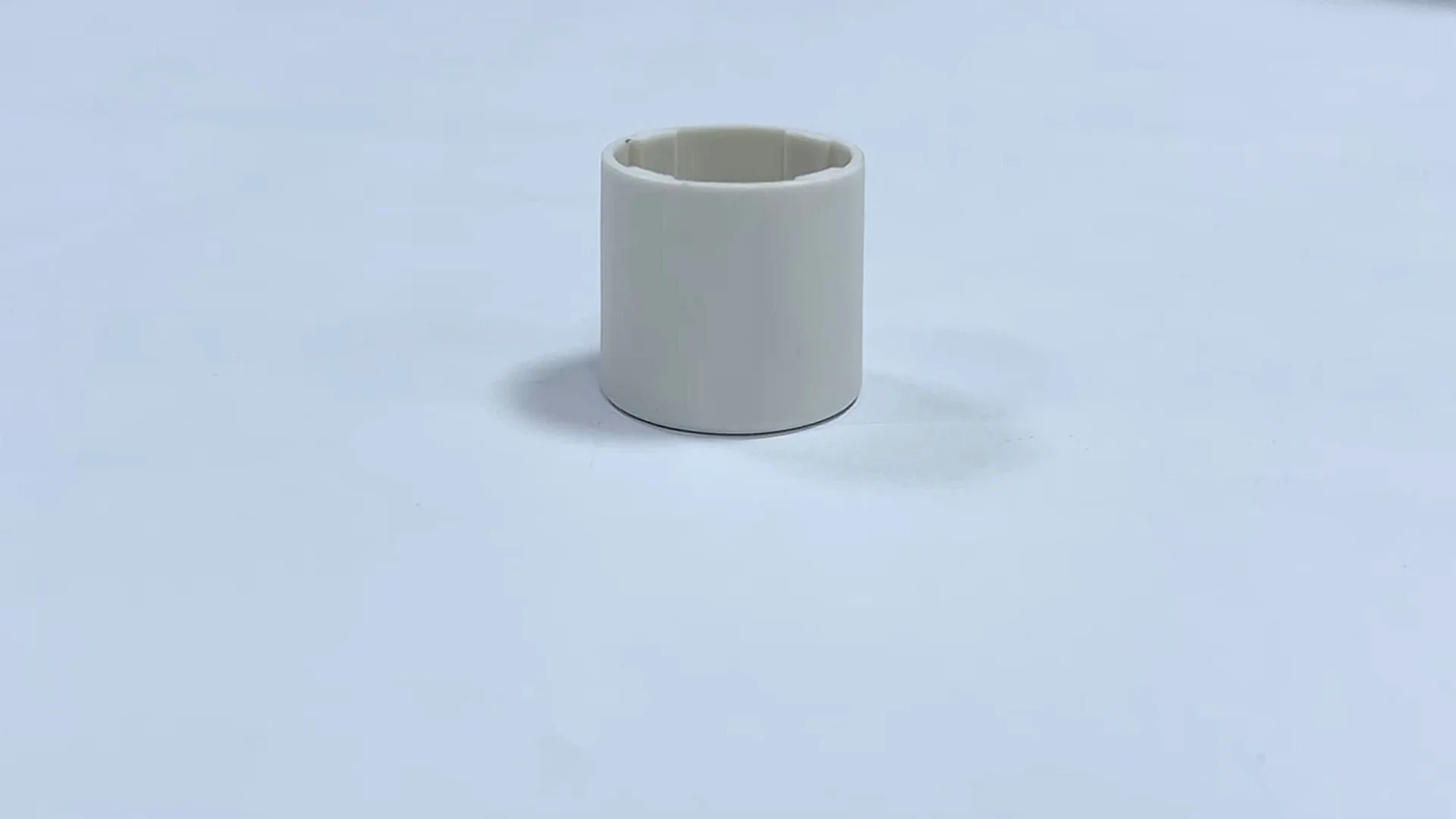
Plastic Pipe Sleeve
Plastic pipe sleeve to cover dia 28MM aluminum pipe end to contact with ground.
Introduction: The Sustainability Imperative in Modern Manufacturing
In today's manufacturing landscape, the word "sustainability" has shifted from a buzzword to a business imperative. As consumers, regulators, and investors demand more responsible practices, factories around the world are reevaluating every aspect of their operations—from energy use to material choices—in pursuit of the circular economy. At the heart of this transformation lies a simple yet powerful goal: reduce waste, extend resource lifecycles, and minimize environmental impact without sacrificing efficiency or productivity.
While large-scale initiatives like renewable energy adoption and zero-waste production lines often grab headlines, some of the most impactful changes come from the smallest components. Enter the plastic pipe sleeve—a humble but critical part of lean manufacturing systems that has quietly become a champion of sustainability. Often overlooked, these unassuming sleeves play a pivotal role in reusability and waste reduction, making them indispensable for manufacturers striving to balance profitability with planetary responsibility. In this article, we'll explore how plastic pipe sleeves are reshaping sustainable manufacturing, one lean pipe at a time.
What Are Plastic Pipe Sleeves, Anyway?
Before diving into their sustainability benefits, let's start with the basics: What exactly are plastic pipe sleeves, and where do they fit in the manufacturing ecosystem? Simply put, plastic pipe sleeves are protective or functional coverings designed to fit over lean pipes, aluminum pipes, or stainless steel pipes—common structural elements in lean systems. Made from durable plastics like polyethylene (PE) or polypropylene (PP), they're engineered to be lightweight, flexible, and resistant to wear, corrosion, and impact.
You'll find them in nearly every corner of a lean manufacturing setup: wrapped around the metal frames of lean pipe workbenches to dampen noise and prevent scratches, lining the rails of flow racks to ensure smooth material movement, or reinforcing the joints of turnover trolleys to extend their lifespan. Their versatility is part of their appeal—they come in various sizes (to fit 20mm, 30mm, or 40mm pipes), colors (often yellow, grey, or black for visibility or ESD compatibility), and thicknesses, depending on the application. But what truly sets them apart is their design philosophy: to be part of a system that values adaptability and longevity.

Reusability: The Core of Plastic Pipe Sleeves' Sustainability
In sustainability, reusability is king—and plastic pipe sleeves wear this crown proudly. Unlike single-use packaging or disposable components that end up in landfills after one cycle, these sleeves are built to be used, reused, and reused again. Let's break down why reusability is their superpower.
Durability That Stands the Test of Time
Plastic pipe sleeves are designed for the rough-and-tumble of manufacturing floors. Imagine a busy automotive plant: turnover trolleys loaded with heavy parts zip through aisles, workers lean on workbenches during assembly, and flow racks endure constant sliding of materials. Through it all, the plastic sleeves act as a buffer, absorbing shocks, resisting scratches, and withstanding exposure to oils, solvents, and temperature fluctuations. High-quality sleeves can last 5–7 years in daily use, far outliving many other components in a lean system. This longevity means fewer replacements, which directly translates to less waste.
Easy to Disassemble, Easy to Reuse
Lean manufacturing thrives on flexibility—production lines are reconfigured, workbenches are repurposed, and flow racks are adjusted to meet changing demands. Plastic pipe sleeves excel here because they're designed to be easily removed and reinstalled. Unlike adhesives or welded components that become permanent (and thus disposable when a system is reconfigured), sleeves slide on and off with minimal effort. A worker with basic tools can detach a sleeve from an old lean pipe workbench and reattach it to a new flow rack in minutes. This adaptability ensures that the sleeve's lifecycle isn't tied to the lifecycle of a single piece of equipment—instead, it can move from one setup to another, extending its useful life indefinitely.
Compatibility with Lean Pipe Accessories
Another key to their reusability is their compatibility with standard lean pipe accessories. Whether paired with lean pipe joints, roller track connectors, or caster accessories, plastic sleeves are designed to work seamlessly with the components that make lean systems modular. For example, a sleeve used on a roller track today can tomorrow be used on a caster wheel mounting bracket, provided it fits the pipe diameter. This interoperability reduces the need for specialized sleeves for every application, ensuring that even as a factory's needs evolve, its existing stock of sleeves remains valuable.

Waste Reduction: From Production to Disposal
Reusability is just one piece of the puzzle—plastic pipe sleeves also shine when it comes to minimizing waste across their entire lifecycle, from manufacturing to end-of-life disposal.
Precision Manufacturing: Less Material, More Purpose
Modern plastic pipe sleeves are produced using precision extrusion processes that minimize material waste. Manufacturers can tightly control the thickness and diameter of the sleeves, ensuring that only the necessary amount of plastic is used. Compare this to traditional metal sleeves, which often require cutting, drilling, or grinding—processes that generate significant scrap material. For example, a 1-meter plastic sleeve might use 150 grams of plastic, while a metal sleeve of the same size could generate 50 grams of scrap during production. Multiply that by thousands of sleeves per factory, and the waste reduction adds up quickly.
Reducing the Need for Replacements
Every time a component fails, it creates waste—not just the failed part itself, but also the resources used to produce, ship, and install a replacement. Plastic pipe sleeves, with their durability and resistance to corrosion, significantly reduce the frequency of replacements. In a study by a leading lean system supplier, factories using plastic sleeves reported a 40% decrease in pipe-related replacements compared to those using unprotected metal pipes. Fewer replacements mean less material waste, lower transportation emissions (from shipping new parts), and reduced labor hours spent on maintenance—all of which contribute to a leaner, greener operation.
Recyclability: Closing the Loop
No product lasts forever, but plastic pipe sleeves are designed to leave a minimal footprint even at the end of their lifecycle. Most are made from recyclable plastics like high-density polyethylene (HDPE) or polypropylene, which can be melted down and repurposed into new sleeves or other plastic products. Unlike some composite materials that are difficult to recycle, pure plastic sleeves separate easily from metal pipes, making them simple to collect and process. Many lean pipe suppliers even offer take-back programs for worn sleeves, ensuring they're recycled rather than landfilled. This closed-loop approach turns end-of-life sleeves into raw materials for the next generation, keeping plastic out of the environment.
Lightweight Design: Lower Emissions, Less Waste
Plastic is inherently lighter than metal, and that lightness matters for sustainability. A plastic pipe sleeve weighs roughly 70% less than a comparable metal sleeve. When multiplied across thousands of sleeves per factory, this reduces the overall weight of lean systems, lowering transportation emissions when equipment is shipped or reconfigured. It also reduces the energy required to move turnover trolleys or adjust workbenches, indirectly cutting carbon footprints. Additionally, lightweight packaging for shipping sleeves themselves means fewer trucks on the road and less packaging material—another win for waste reduction.

Integrating with Lean Systems: A Synergistic Relationship
Plastic pipe sleeves don't operate in a vacuum—they're part of a larger lean system, and their sustainability benefits are amplified when paired with lean principles. Lean manufacturing, with its focus on eliminating waste (or "muda"), continuous improvement, and customer value, is a natural partner for these sleeves. Together, they create a system where sustainability and efficiency go hand in hand.
Supporting Flexible Workflows, Reducing Redundancy
Lean systems thrive on flexibility—being able to quickly adapt to changes in demand, product design, or production processes. Plastic pipe sleeves enable this flexibility by making it easy to reconfigure equipment without replacing entire systems. For example, if a factory needs to switch from assembling smartphones to tablets, its lean pipe workbenches can be disassembled, and the sleeves can be reused on the new bench setup. This reduces the need to purchase new benches (and new sleeves), cutting down on material waste and costs. In lean terms, this eliminates "overproduction" of equipment and "excess inventory" of components—two key types of waste.
Cost Savings: A Catalyst for Sustainable Practices
Sustainability often comes with a perception of higher costs, but plastic pipe sleeves flip that script. By reducing the need for replacements, lowering maintenance time, and enabling reconfiguration, they save manufacturers money in the long run. These cost savings make it easier for factories to invest in other sustainable initiatives, creating a positive feedback loop. For instance, a manufacturer that saves $10,000 annually by reusing plastic sleeves might redirect those funds to solar panel installations or waste recycling programs. In this way, sleeves act as a gateway to broader sustainability, proving that eco-friendly choices can also be financially smart.
Enhancing Safety and Ergonomics—Without the Waste
Lean systems prioritize worker safety and ergonomics, and plastic pipe sleeves contribute here too. Their non-slip surfaces reduce the risk of accidents on workbenches, while their shock-absorbing properties lower noise levels on the factory floor. Unlike foam or rubber alternatives that degrade quickly and need frequent replacement, plastic sleeves maintain their ergonomic benefits over time, ensuring that safety improvements don't come at the cost of increased waste. It's a win-win: happier, safer workers and a more sustainable operation.
Comparing Materials: Why Plastic Stands Out
To truly appreciate plastic pipe sleeves' sustainability credentials, it helps to compare them to alternative materials like metal or rubber. Let's take a closer look at how they stack up across key sustainability metrics:
| Material | Reusability Rating (1-5) | Waste Reduction Potential | Average Lifespan (Years) | Weight (Per Meter, 30mm Diameter) | Corrosion Resistance |
|---|---|---|---|---|---|
| Plastic (PE/PP) | 5 | High: Low production scrap, recyclable, reusable | 5–7 | 150–200g | Excellent (resistant to oils, chemicals) |
| Metal (Steel/Aluminum) | 3 | Medium: High production scrap, recyclable but energy-intensive | 7–10 | 800–1000g | Good (but prone to rust without coating) |
| Rubber | 2 | Low: Degrades quickly, difficult to recycle | 2–3 | 300–400g | Good (but swells in chemicals) |
As the table shows, plastic sleeves outperform rubber in reusability and lifespan, and they edge out metal in waste reduction potential and weight. While metal sleeves may last slightly longer, their heavier weight increases transportation emissions, and their production generates more scrap. Rubber, meanwhile, degrades quickly under factory conditions, leading to frequent replacements and more waste. Plastic strikes the perfect balance: durable enough to last for years, lightweight enough to minimize environmental impact, and designed to be reused and recycled.
Real-World Impact: Case Studies in Action
Numbers and tables tell part of the story, but real-world examples bring the impact of plastic pipe sleeves to life. Let's look at two factories that embraced these sleeves and saw tangible sustainability results.
Case Study 1: Automotive Parts Manufacturer
A mid-sized automotive parts manufacturer in Michigan was struggling with high waste from its lean pipe workbenches. The factory used metal sleeves, which often became dented or corroded after 1–2 years, requiring full replacement. In 2022, it switched to plastic pipe sleeves made from recycled polyethylene. Within a year, the results were clear: replacement rates dropped by 65%, saving the company $12,000 in material costs. Additionally, the lighter sleeves reduced the weight of its turnover trolleys by 15%, cutting fuel consumption for in-plant transportation by 8%. By reusing sleeves across multiple workbench reconfigurations, the factory also diverted 200kg of waste from landfills.
Case Study 2: Electronics Assembly Plant
An electronics plant in Singapore, focused on ESD (electrostatic discharge) protection, needed sleeves that could prevent static buildup while reducing waste. It adopted black ESD plastic pipe sleeves for its flow racks and workbenches. Unlike the foam sleeves it previously used (which degraded after 6 months), the plastic sleeves lasted 4 years. The switch reduced sleeve waste by 80% and eliminated the need for quarterly foam replacements, saving 120 labor hours annually. The factory also partnered with its lean pipe supplier to recycle old sleeves, turning 500kg of used plastic into new sleeves—closing the loop on its waste stream.
Challenges and Innovations: Making Plastic Sleeves Even Greener
Of course, no sustainability solution is perfect, and plastic pipe sleeves face their share of challenges. One common concern is their reliance on fossil fuel-based plastics, which contribute to carbon emissions. Another is their vulnerability to extreme temperatures—some plastics can become brittle in cold environments or warp in high heat. However, manufacturers are addressing these issues head-on with innovative solutions.
One promising development is the rise of bio-based plastics, made from renewable resources like cornstarch or sugarcane. These sleeves have a lower carbon footprint than traditional plastics and are biodegradable at the end of their lifecycle (under industrial composting conditions). While still more expensive than standard plastics, their cost is dropping as production scales. Additionally, additives like UV stabilizers and heat-resistant polymers are extending sleeve lifespans in harsh environments, further reducing replacement needs.
Another innovation is "design for recycling" (DfR), where sleeves are engineered to be easily disassembled into pure plastic components, making them simpler to recycle. Some manufacturers are also experimenting with modular sleeves—sleeves that can be repaired (e.g., replacing a worn section instead of the entire sleeve) rather than replaced. These advancements are pushing plastic pipe sleeves even further toward the ideal of a circular economy.
Conclusion: Small Component, Big Impact
In the grand scheme of manufacturing, plastic pipe sleeves may seem. They don't power machines, assemble products, or generate revenue. But as we've explored, their role in sustainability is anything but small. By prioritizing reusability, minimizing waste, and integrating seamlessly with lean systems, they prove that sustainability often lies in the details—the choices we make about even the most unassuming components.
As manufacturers continue to navigate the transition to circular economies, plastic pipe sleeves offer a blueprint for success: design for longevity, prioritize adaptability, and never underestimate the power of reusability. They remind us that sustainability isn't about grand gestures alone—it's about reimagining every part of the system, from the factory floor to the supply chain, with the planet in mind.
So the next time you walk through a lean manufacturing plant, take a closer look at those plastic-covered pipes. What you'll see isn't just a sleeve—it's a symbol of how small changes can lead to a more sustainable future. And in the end, that's a legacy worth building.