- Company Articles
- Industry articles
- Industry standards
- Top 5 Advantages of 2040 EU Standard Aluminum Profile for Lean Manufacturing

Top 5 Advantages of 2040 EU Standard Aluminum Profile for Lean Manufacturing
Related Product
2040 EU Standard Aluminum Profile
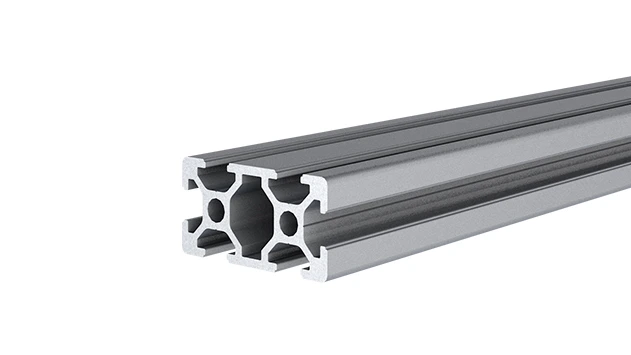
2040 is a 2.00 x 4.00CM fractional 20 series square extrusion T-slot profile with four open T-slots, two side with 2.00cm face, the other side with 4.00cm face. The profile has align-a-grooves to assist in aligning connecting profiles.
How this modular workhorse transforms efficiency, adaptability, and sustainability on the factory floor
If you've spent any time in manufacturing, you know the rhythm: the hum of machinery, the steady flow of materials, the quiet urgency to do more with less. Lean manufacturing isn't just a buzzword—it's the heartbeat of modern production, where every second, every square foot, and every resource counts. But here's the thing: even the best lean strategies can stumble if the tools you're using don't keep up. That's where the 2040 EU Standard Aluminum Profile comes in. It's not just another piece of hardware; it's a silent partner in your quest for efficiency, adaptability, and growth. Let's dive into why this unassuming aluminum extrusion has become a cornerstone for lean operations worldwide.
1. Unmatched Flexibility: Adapt Fast, Stay Ahead
Lean manufacturing thrives on change. Customer demands shift, product lines evolve, and production volumes fluctuate—your workspace needs to pivot just as quickly. Traditional setups, with their welded steel frames or rigid plastic structures, feel like trying to dance in concrete boots. They're built for one purpose, and reconfiguring them? That's a project that eats up time, money, and labor.
The 2040 EU Standard Aluminum Profile flips that script. Its modular design is like building with intelligent Legos—lightweight, strong, and infinitely reconfigurable. Thanks to its T-slot design (those grooves running along the length), you can attach, detach, and rearrange components in minutes, not days. Need to raise a workbench by 6 inches to reduce worker strain? Swap out a few brackets. Expanding your material storage? Add another section to your rack without welding or drilling. This isn't just flexibility—it's agility, and in lean manufacturing, agility is everything.
Real-World Example: The Electronics Manufacturer's Quick Pivot
A mid-sized electronics company recently launched a new smartphone model, and their assembly line needed a makeover. Their old steel workbenches were fixed, so retooling would've taken weeks. Instead, they used 2040 aluminum profiles and aluminum profile accessories —joints, brackets, and adjustable shelves—to rebuild three workstations in a single weekend. The result? They hit their production deadline, avoided costly downtime, and even had leftover profiles to repurpose for a future project.
2. Durability Meets Lightweight: Strong Enough to Work Hard, Light Enough to Move Easy
Here's a common trade-off in manufacturing equipment: strength vs. weight. Steel is tough but heavy—moving a steel workbench across the factory floor requires a forklift and a team. Plastic is light but flimsy—after a few months of heavy use, it cracks or warps. The 2040 Aluminum Profile laughs at this trade-off. As an aluminum extrusion profile , it's engineered to be both incredibly strong and surprisingly lightweight.
Aluminum's natural strength, combined with the extrusion process (which shapes the metal into uniform, high-integrity profiles), means the 2040 can handle daily punishment: heavy toolboxes, constant material loading, even the occasional bump from a pallet jack. And at just a fraction of the weight of steel, it's easy for your team to adjust or relocate without special equipment. No more strained backs or waiting for the forklift—just grab a corner and reposition. It's durability that doesn't slow you down.
Plus, aluminum resists corrosion, so it holds up in dusty warehouses, humid environments, or even cleanrooms. Unlike steel, it won't rust if it gets wet, and unlike plastic, it won't degrade under UV light or extreme temperatures. This longevity means your investment lasts longer, reducing the need for frequent replacements—a win for both your budget and your lean goals.

3. Cost-Efficiency: Spend Smart, Save Big (Long-Term)
Let's talk numbers—because lean manufacturing isn't just about efficiency; it's about the bottom line. At first glance, aluminum profiles might seem pricier than basic steel or plastic. But lean thinking is about looking beyond the upfront cost to the total cost of ownership. And here, the 2040 profile shines brighter than most.
First, assembly time is drastically reduced. Welding steel requires skilled labor and hours of work; plastic structures often need custom cutting or adhesives. With 2040 aluminum, you're using aluminum profile accessories like friction-fit joints, bolts, or snap-on brackets—no special skills needed. A team of two can build a full workbench in under an hour, slashing labor costs.
Then there's reusability. When your production line changes (and it will), you don't have to scrap the old setup. Disassemble the 2040 profiles, sort them, and rebuild something new. That old material rack? It becomes a packing station. Those conveyor rails? They're now part of a testing bench. This circular approach cuts down on waste and eliminates the need to buy new materials for every project.
Maintenance costs? Minimal. Aluminum doesn't rust, so you won't spend on paint or anti-corrosion treatments. A quick wipe with a damp cloth keeps it clean, even in messy environments. Over time, these savings add up—making the 2040 profile not just a purchase, but a long-term investment in your company's efficiency.
4. Seamless Compatibility: A Universe of Accessories at Your Fingertips
What makes the 2040 EU Standard Aluminum Profile truly powerful isn't just the profile itself—it's the ecosystem of aluminum profile accessories designed to work with it. Think of it as a platform: the profile is the foundation, and the accessories are the tools that turn it into whatever you need. From simple brackets to complex conveyor systems, there's an accessory for every challenge.
Need to add wheels to a workbench for mobility? Snap on a set of casters with T-slot adapters. Building a flow rack for parts? Attach roller tracks that glide along the profile's grooves. Securing a monitor arm or tool holder? Use a sliding nut to lock it in place, then adjust later if needed. Even specialized components—like ESD (electrostatic discharge) mats for electronics assembly or LED light strips for workbench illumination—integrate seamlessly.
Real-World Example: The Custom Conveyor That Fit Like a Glove
A automotive parts supplier needed a conveyor system to move small components from the warehouse to the assembly line. The catch? Their parts came in odd sizes—too big for standard conveyors, too small for heavy-duty ones. Using 2040 aluminum profiles as the frame, they paired them with plastic roller track guide rails (yellow, to match their safety protocol) and adjustable brackets. The result? A conveyor that curved around a corner, adjusted in height, and handled every part size perfectly. And when they added a new part line six months later? They just swapped out a few rails and brackets—no new conveyor needed.
This compatibility eliminates the guesswork. You don't have to cobble together parts from different suppliers or worry about fit. Everything—from the tiniest bracket to the sturdiest caster—is designed to click into the 2040 profile's T-slots, ensuring a snug, secure fit every time. It's like having a toolbox where every tool works with every project.
5. Sustainability: Lean Manufacturing with a Green Heart
Today's lean manufacturing isn't just about efficiency—it's about responsibility. Customers, employees, and regulators are increasingly asking: How does your operation impact the planet? The 2040 EU Standard Aluminum Profile answers that question with a resounding commitment to sustainability.
Aluminum is one of the most recyclable materials on Earth—100% recyclable, in fact, with no loss in quality. When your 2040 profiles finally reach the end of their lifecycle (which, with proper care, could be decades), they can be melted down and reformed into new profiles, closing the loop on waste. Compare that to steel, which loses strength when recycled, or plastic, which often ends up in landfills. Choosing aluminum is a choice to reduce your carbon footprint.
The production process matters too. Aluminum extrusion requires significantly less energy than steel production, and many suppliers now use renewable energy to power their mills. Plus, the lightweight nature of 2040 profiles reduces transportation emissions—whether you're shipping them to your facility or moving them around the factory floor. Every pound saved translates to less fuel burned and fewer greenhouse gases released.
For companies aiming to meet sustainability goals or earn eco-friendly certifications, this isn't just a bonus—it's a competitive edge. Customers want to work with businesses that align with their values, and employees take pride in contributing to a greener workplace. The 2040 profile lets you build a lean operation that's good for your bottom line and good for the planet.
At the end of the day, lean manufacturing is about more than cutting costs or speeding up production. It's about creating a workplace that's responsive, resilient, and ready for whatever the future brings. The 2040 EU Standard Aluminum Profile isn't just a material—it's a partner in that mission. Its flexibility keeps you agile, its durability keeps you strong, its cost-efficiency keeps you smart, its compatibility keeps you creative, and its sustainability keeps you responsible.
So if you're tired of rigid setups that slow you down, or materials that don't measure up to your lean goals, it might be time to give the 2040 profile a closer look. After all, in the world of manufacturing, the best tools aren't just built to work—they're built to evolve. And the 2040 EU Standard Aluminum Profile? It's ready to evolve with you.