- Company Articles
- Industry articles
- Industry standards
- Turning Angle Code 2020 Compliance: Ensuring Safety in Lean Tube Material Racks

Turning Angle Code 2020 Compliance: Ensuring Safety in Lean Tube Material Racks
Related Product
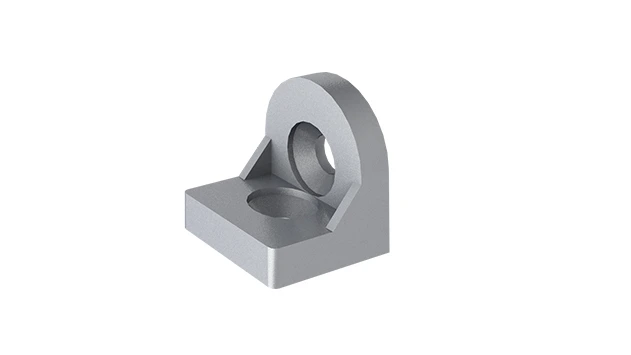
Urning Angle Code 2020
The turning angle aluminum profile connector provides a 90 degree hidden corner connection. 2020 it is means this size is used for 20 series aluminum profile.The corner code comes with set screws that allow for quick, easy connections.
Walk into any modern manufacturing facility, and you'll likely spot them: the unassuming metal structures that keep production lines moving, tools organized, and materials flowing seamlessly. Lean tube material racks—often built with components like lean tube, aluminum profile, and flow rack systems—are the unsung heroes of efficient operations. But here's the thing: their quiet reliability can sometimes overshadow a critical truth: without proper safety standards, these workhorses can quickly become hazards . That's where Turning Angle Code 2020 comes in. More than just a technical checkbox, this compliance standard is a promise—to workers, to operations, and to the bottom line—that safety and efficiency can coexist. Let's dive into why Turning Angle Code 2020 matters, how it shapes the design and use of lean tube material racks, and why ignoring it isn't just risky—it's a disservice to the very productivity these systems aim to boost.
The Backbone of Lean Manufacturing: What Are Lean Tube Material Racks?
Before we get into compliance, let's make sure we're on the same page about the star of the show: lean tube material racks. These systems are the Swiss Army knives of manufacturing and warehousing. Made from lightweight yet durable materials like lean tube (often coated in plastic or stainless steel) and aluminum profile, they're designed to be modular, flexible, and adaptable. Need a workbench for assembly? A flow rack for parts distribution? A turnover trolley for moving materials between stations? Lean tube racks do it all, thanks to their simple yet clever design—tubes, joints, and accessories that snap together like building blocks.
What makes them so popular? For starters, they're cost-effective. Unlike fixed steel structures, they can be reconfigured or expanded as production needs change, saving companies from expensive overhauls. They're also quick to set up, often requiring no welding or specialized tools—just a few hand tools and a clear plan. And because they're lightweight, they're easy to move, which is a boon for facilities practicing "5S" or continuous improvement methodologies. But here's the catch: that flexibility can sometimes lead to cutting corners. A loose joint here, a mismatched tube there, and suddenly that "adaptable" rack becomes a ticking time bomb. That's where standards like Turning Angle Code 2020 step in—to ensure that even in their versatility, these systems never compromise on safety.
What Is Turning Angle Code 2020, Anyway?
Let's break it down. A "turning angle code" refers to the specific design and performance standards for the joints (or connectors) that hold lean tube racks together. These joints—often made of metal or heavy-duty plastic—are the glue that keeps the tubes aligned, the shelves level, and the entire structure stable under load. The "2020" in the name marks the year the standard was updated, reflecting advancements in manufacturing practices, heavier material loads, and a renewed focus on worker safety.
Think of it this way: if a lean tube rack is a human body, the tubes are the bones, and the turning angle code joints are the ligaments and tendons. Just as weak ligaments can't support strong bones, a joint that doesn't meet 2020 standards can't support the weight of tools, parts, or products—no matter how sturdy the tubes are. The 2020 update tightened requirements for load capacity, material durability, and installation precision, addressing gaps in older standards that became apparent as factories started handling larger, heavier components (think: automotive parts, industrial machinery) and operating at faster production speeds.
Why Compliance Isn't Optional
You might be thinking, "We've been using the old joints for years, and nothing's gone wrong." That's a common mindset, but it's a risky one. Non-compliant joints might hold up under light loads or in slow-paced environments, but manufacturing isn't static. As production ramps up, as material weights increase, or as racks are reconfigured (and reconfigured again), those old joints start to show their weaknesses. A joint that was "good enough" for 50-pound boxes might buckle under 75-pound ones. A connector that seemed stable in a climate-controlled warehouse might corrode faster in a humid factory, weakening its grip on the tubes. And when a joint fails, the consequences can be catastrophic: collapsed racks, damaged materials, downtime, and worst of all, worker injuries.
Consider a mid-sized electronics plant that was using pre-2020 joints on their flow racks. For years, they stored small circuit boards and components, and the racks held up fine. But when they expanded to producing larger, heavier battery packs, they didn't upgrade the joints. One afternoon, during a busy shift, a rack loaded with 20-pound battery packs collapsed, sending boxes crashing to the floor. Luckily, no one was hurt, but the cleanup, material loss, and production delay cost the company over $50,000. An audit later revealed the joints had been rated for a maximum load of 15 pounds per shelf—well below the 20-pound packs they'd been storing. That's the danger of non-compliance: it's not a matter of if, but when.
| Aspect | Pre-2020 Standards | 2020 Compliance |
|---|---|---|
| Maximum Load Capacity (Per Joint) | Up to 150 lbs | Minimum 200 lbs (higher for heavy-duty applications) |
| Material Thickness | 0.8mm steel (common) | Minimum 1.2mm steel; aluminum options must pass corrosion resistance testing |
| Joint Grip Strength | No standardized testing | Must withstand 500 cycles of assembly/disassembly without losing >10% grip |
| Failure Load Testing | Optional | Mandatory: Joints must fail at >150% of rated load (to prevent sudden collapse) |
| Labeling Requirement | None | Clear marking of load capacity, material type, and compliance certification |

How 2020 Compliance Shapes Rack Design
Compliance with Turning Angle Code 2020 isn't just about swapping old joints for new ones—it influences every aspect of lean tube rack design, from material selection to installation best practices. Let's take a closer look at the key areas:
Material Selection: Aluminum Profile vs. Steel Tubes
One of the first decisions when building a lean tube rack is choosing between steel tubes and aluminum profile. Both have their merits: steel is strong and affordable, while aluminum is lightweight and resistant to corrosion. But under 2020 standards, the choice matters more than ever. For example, aluminum profile joints must now undergo stricter corrosion testing, making them a better fit for humid or outdoor environments (like food processing plants or loading docks). Steel joints, on the other hand, require thicker walls (minimum 1.2mm vs. 0.8mm pre-2020) to meet load capacity requirements, which adds a bit of weight but significantly boosts durability.
Many manufacturers now opt for a hybrid approach: aluminum profile for the vertical supports (to reduce overall weight) and steel tubes for horizontal shelves (to handle heavier loads). This combo leverages the strengths of both materials while ensuring all joints—whether connecting aluminum to aluminum or steel to steel—meet 2020 grip and load standards.
Load Distribution: It's All About Balance
2020 compliance also emphasizes proper load distribution, which starts with the turning angle code joints. A compliant joint isn't just strong—it's designed to distribute weight evenly across the tubes, preventing stress points that could lead to failure. For example, a 2020-compliant 90-degree joint has a wider base and deeper tube insertion (at least 1.5 inches) compared to older models, ensuring the weight of a shelf is spread across more of the tube's surface area, not just a small section.
Installers are also required to follow specific spacing guidelines: joints must be placed no more than 24 inches apart on horizontal shelves, and vertical supports must have joints at the top, middle, and bottom to prevent swaying. These might seem like small details, but they add up to a rack that can handle dynamic loads (like workers placing and removing items) without shifting or weakening over time.
Workbench Safety: A Case Study
Let's zoom in on a common application: the lean tube workbench. These workstations are where assembly happens, where tools are stored, and where workers spend hours each day. A workbench that meets 2020 standards isn't just a flat surface—it's a system designed to protect both the worker and the work.
Take "Workbench E (Single Deck—Without Caster)," a popular model used in electronics and light manufacturing. Pre-2020, this workbench might have used basic steel joints with minimal load testing. Today, under 2020 compliance, its joints must support at least 300 pounds (the weight of tools, parts, and a worker leaning on the bench) without bending or loosening. The aluminum profile frame must have rounded edges to prevent cuts, and the top deck (often made of aluminum honeycomb panel for lightness and strength) must be secured with 2020-compliant clamps that won't loosen from vibration.
A furniture manufacturer in Michigan recently upgraded their workbenches to 2020 compliance after a near-miss: a worker leaning on a non-compliant bench caused it to tip, sending tools crashing to the floor. Post-upgrade, they noticed more than just safety improvements—workers reported the benches felt sturdier, which reduced fatigue, and the aluminum honeycomb panels were easier to clean, cutting down on time spent maintaining workstations. Compliance, in this case, boosted both safety and productivity.

Implementing 2020 Compliance: A Step-by-Step Guide
So, how do you transition to Turning Angle Code 2020 compliance? It's not as daunting as it sounds, but it does require planning. Here's a roadmap to get started:
1. Audit Your Current Racks
Start by taking inventory. Walk through your facility and identify all lean tube racks, flow racks, and workbenches. For each, note the type of joints used, the current load (how much weight is on each shelf), and when the rack was last inspected. Look for red flags: bent joints, rust, tubes that wiggle in their connectors, or shelves that slope (a sign of uneven load distribution). You can use a simple checklist: Are the joints labeled with load capacity? Do they have any visible cracks? Can you twist the joint by hand without tools?
2. Partner With a Reputable Supplier
Not all lean tube suppliers are created equal. Look for a supplier that specializes in 2020-compliant components and can provide certification documents for their joints, tubes, and accessories. Ask for test reports: Did their joints pass the 500-cycle assembly/disassembly test? What's their failure load rating? A good supplier will also offer guidance on material selection (aluminum profile vs. steel) based on your environment and load needs.
3. Prioritize High-Risk Areas First
You don't have to upgrade every rack at once. Start with the highest-risk areas: racks storing heavy materials, workbenches used by multiple workers, or flow racks in high-traffic zones (where a collapse would disrupt production the most). For example, a "Material Rack B (3 Row and 3 Floor)" used to store automotive parts is a higher priority than a small shelf holding office supplies. This phased approach minimizes downtime and spreads out costs.
4. Train Your Team
Even the best 2020-compliant joints will fail if installed incorrectly. Train your maintenance and assembly teams on proper installation: how to tighten joints to the correct torque (usually 25-30 Nm for steel joints), how to check for tube insertion depth (at least 1.5 inches), and how to spot non-compliant components (look for missing labels or thin, flimsy joints). Hold regular refresher sessions, especially before new racks are built or existing ones are reconfigured.
5. Schedule Regular Inspections
Compliance isn't a one-and-done task. 2020 standards require quarterly inspections of high-use racks and bi-annual inspections of lower-use ones. During inspections, check for loose joints, signs of corrosion, and changes in load (if you're now storing heavier materials, the rack might need upgraded joints). Keep a log of inspections—this not only helps track compliance but also identifies patterns (e.g., joints failing more often in a certain area, which might indicate environmental issues like excess moisture).
Beyond Safety: The Hidden Benefits of Compliance
We've talked a lot about safety, but 2020 compliance offers perks that go beyond avoiding accidents. Let's explore a few:
Longer Rack Lifespan
2020-compliant joints are built to last. Their thicker materials, better corrosion resistance, and stronger grip mean racks stay stable for years, reducing the need for frequent replacements. A manufacturer in Texas reported that their 2020-compliant flow racks lasted 3x longer than their pre-2020 counterparts, cutting replacement costs by 60% over five years.
Improved Efficiency
A stable rack is an efficient rack. Workers don't have to waste time adjusting wobbly shelves, moving materials off sloping surfaces, or worrying about safety. In one study, factories with 2020-compliant workbenches reported a 15% increase in assembly speed, as workers felt more confident placing tools and parts without fear of the bench shifting.
Regulatory Peace of Mind
OSHA and other safety regulators are cracking down on non-compliant equipment, and for good reason. A facility with 2020-compliant racks is less likely to face fines, shutdowns, or liability issues in the event of an accident. Compliance isn't just about following the rules—it's about protecting your business's reputation and bottom line.
The Future of Lean Tube Safety
As manufacturing continues to evolve—with automation, AI-driven production, and heavier, more complex materials—safety standards will keep pace. The 2020 turning angle code is just the latest step in a journey toward smarter, safer, more resilient lean systems. We're already seeing trends like "smart joints" with built-in sensors that alert maintenance teams when grip strength weakens, or aluminum profile with integrated QR codes that link to installation guides and compliance records.
But no matter how advanced the technology gets, the core principle remains the same: a lean tube rack is only as safe as its weakest joint. Turning Angle Code 2020 isn't just a standard—it's a commitment to putting people first, to building systems that support production without sacrificing safety, and to ensuring that the backbone of manufacturing stays strong for years to come.
Conclusion: Invest in Safety, Invest in Success
At the end of the day, Turning Angle Code 2020 compliance is about more than joints and load capacities. It's about respect—for your workers, for your products, and for the process of manufacturing itself. A rack that meets 2020 standards says, "We care about the people who build our products. We care about doing things right."
So, if you're still using pre-2020 joints, now is the time to make the switch. Start small—audit one rack, talk to a lean tube supplier, train one team. The investment in compliance will pay off in fewer accidents, less downtime, and a workforce that feels valued. After all, in manufacturing, as in life, the strongest systems are built on a foundation of safety.