- Company Articles
- Industry articles
- Industry standards
- Turning Angle Code 2020 for Medical Device Racks: Hygiene and Compliance

Turning Angle Code 2020 for Medical Device Racks: Hygiene and Compliance
Related Product
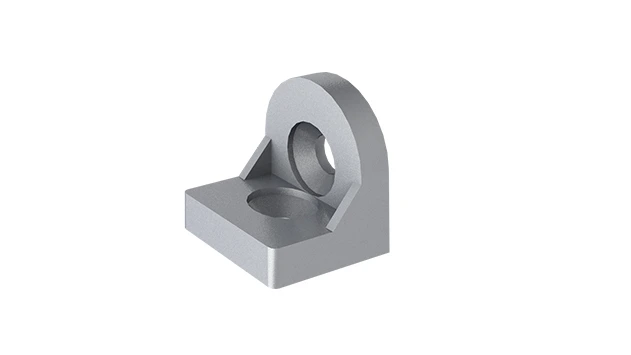
Urning Angle Code 2020
The turning angle aluminum profile connector provides a 90 degree hidden corner connection. 2020 it is means this size is used for 20 series aluminum profile.The corner code comes with set screws that allow for quick, easy connections.
Introduction: The Silent Guardian of Medical Device Safety
Walk into any hospital, clinic, or medical manufacturing facility, and you'll notice something that rarely gets the spotlight but plays a critical role in patient safety: the racks and storage systems holding everything from surgical instruments to diagnostic tools. These aren't just metal shelves—they're frontline defenders against contamination, misplacement, and regulatory violations. In a world where a single misplaced tool or a tiny bacterial colony can have life-altering consequences, the design of these storage solutions matters more than most people realize. That's where components like the Turning Angle Code 2020 come into play. Far more than a simple hardware piece, it's a linchpin in creating medical device racks that prioritize hygiene, meet strict compliance standards, and adapt to the ever-changing needs of healthcare settings. Let's dive into why this unassuming angle code is becoming a must-have in modern medical storage design.
Why Medical Device Racks Can't Afford to Cut Corners
Medical device storage is a balancing act of three priorities: accessibility, safety, and compliance. Think about it—nurses and surgeons need quick access to tools during emergencies, but those tools must remain sterile and free from contaminants. At the same time, regulatory bodies like the FDA and ISO keep a sharp eye on how these devices are stored, as even minor lapses can lead to recalls, fines, or worse, patient harm. Traditional storage solutions, often made of wood, painted steel, or generic metal brackets, struggle to keep up. Wood is porous, making it a breeding ground for bacteria. Painted steel chips over time, leaving sharp edges and crevices where germs hide. And generic brackets? They often require welding or multiple screws, creating hard-to-clean joints that become hotspots for contamination during routine cleaning. It's no wonder that healthcare facilities are increasingly turning to modular, purpose-built systems—ones that start with components designed for the unique demands of medical environments.

What Exactly Is Turning Angle Code 2020?
Let's start with the basics: the Turning Angle Code 2020 is a specialized connector used to join aluminum profiles, the lightweight, durable building blocks of modern modular systems. If aluminum profiles are the "bones" of a medical rack, the Turning Angle Code 2020 is the "joint" that holds them together. But it's not just any joint. Unlike traditional corner brackets that might have rough edges, excess screws, or gaps, this angle code is engineered with precision. It's designed to fit snugly into the T-slots of aluminum profiles, creating a connection that's both rock-solid and visually seamless. Made from high-grade aluminum (sometimes anodized for extra corrosion resistance), it's built to withstand the daily wear and tear of busy medical settings—from frequent cleaning to the weight of heavy instruments. But what really sets it apart is how it addresses the two biggest concerns in medical storage: hygiene and compliance. Let's break that down.

Hygiene by Design: No More Hiding Spots for Germs
In healthcare, "clean" isn't just a preference—it's a mandate. The Centers for Disease Control (CDC) estimates that healthcare-associated infections (HAIs) affect millions of patients each year, and contaminated surfaces are a known culprit. That's why medical device racks must be designed to be
easily
cleanable, not just cleanable. Here's where the Turning Angle Code 2020 shines: its smooth, crevice-free design leaves nowhere for bacteria, viruses, or debris to hide. Traditional steel racks with welded joints or bolted brackets often have tiny gaps between components—perfect for dust, blood, or other fluids to accumulate. Over time, these gaps become biofilm hotspots, even after regular wiping. The Turning Angle Code 2020, on the other hand, creates a flush connection between aluminum profiles. There are no protruding screws, no weld beads, and no uneven surfaces. When a cleaning crew wipes down the rack with disinfectant, the solution can reach every inch, leaving no residue behind. Plus, aluminum itself is non-porous and resistant to rust, so unlike wood or untreated steel, it won't absorb liquids or degrade over time. This combination—smooth, gap-free joints and corrosion-resistant materials—makes the Turning Angle Code 2020 a hygiene superhero in disguise.
Compliance: Checking All the Regulatory Boxes
If you've ever worked in a medical facility, you know that regulatory audits are a fact of life. Whether it's the FDA, ISO (think ISO 13485 for medical devices), or local health departments, inspectors don't just check if tools are clean—they check
how
they're stored. Can the storage system be validated to prevent contamination? Is the material safe for use with medical-grade equipment? Does the design allow for proper traceability and accountability? The Turning Angle Code 2020, when paired with aluminum profiles, checks all these boxes. First, aluminum is a FDA-approved material for medical settings, as it doesn't leach chemicals or support microbial growth. Second, the modular nature of the system makes validation easier. Since each component (profile, angle code, shelf) is standardized, facilities can document the entire setup—dimensions, materials, cleaning protocols—and reproduce it consistently across departments. No more "custom" welded racks that vary from room to room and fail to meet documentation requirements. Third, the durability of the angle code ensures that the rack maintains its structural integrity over time. A wobbly or damaged rack isn't just a safety hazard—it's a compliance red flag. With the Turning Angle Code 2020's secure connection, facilities can show auditors that their storage systems are built to last, reducing the risk of accidents or contamination due to structural failure.
Aluminum Profiles and Lean Systems: A Perfect Partnership
The Turning Angle Code 2020 doesn't work in isolation—it's part of a larger ecosystem built around aluminum profiles, a material that's revolutionizing how medical facilities approach storage and workflow. Aluminum profiles are lightweight yet surprisingly strong, making them easy to install and reconfigure without heavy machinery. They're also infinitely customizable: with the right connectors (like the Turning Angle Code 2020), you can build everything from tall storage racks to compact workbenches, all using the same base components. This flexibility aligns perfectly with
lean system
principles, a methodology focused on reducing waste and improving efficiency. In healthcare, "waste" could mean time spent searching for a misplaced tool, or space wasted on a rack that's too big (or too small) for its purpose. With aluminum profiles and the Turning Angle Code 2020, facilities can design racks that fit their exact needs—whether that's a narrow shelf for delicate endoscopes or a multi-tiered system for surgical trays. And if needs change? No problem. The modular design allows for quick adjustments: add a shelf, reposition a rail, or even disassemble and rebuild the rack in a new location. This adaptability not only saves money over time (no need to buy entirely new racks) but also keeps workflows efficient, which is critical in high-pressure medical environments.
Beyond Storage: Workbenches and Workstations
The same principles that make the Turning Angle Code 2020 ideal for storage racks apply to another critical area: workbenches and workstations. Think about where medical devices are assembled, repaired, or prepared for use—these workspaces need to be just as hygienic and compliant as storage areas. Many facilities are now using aluminum profiles with Turning Angle Code 2020 to build custom workbenches. Imagine a workstation where surgical instruments are prepped before surgery: the surface is a smooth aluminum panel, supported by profiles connected with angle codes. There are no cracks where debris can collect, and the entire setup can be wiped down with hospital-grade disinfectant in minutes. Some workbenches even integrate accessories like tool holders or cable management, all attached via the same T-slot system. This consistency—using the same components for both storage and workspaces—simplifies training for staff (everyone learns the same cleaning protocols) and ensures that compliance standards are met across the board. It's a small detail, but in a field where consistency saves lives, it matters.
Real-World Impact: When Design Meets Practice
Let's paint a picture of how this plays out in a real facility. Suppose a mid-sized hospital decides to upgrade its surgical instrument storage room. Previously, they used old steel racks with welded joints—sturdy, but a nightmare to clean. The maintenance team spent hours scrubbing around bolts and brackets, and during a recent FDA audit, inspectors noted "potential contamination risks" due to hard-to-reach crevices. The hospital switches to aluminum profiles connected with Turning Angle Code 2020. The new racks are lighter, so they're installed in a day (minimizing downtime). The smooth, joint-free connections mean cleaning time is cut by 30%—staff can now wipe down the entire rack in minutes, not hours. Six months later, during their next audit, the inspectors have zero findings related to storage hygiene. The hospital estimates that the reduced cleaning time alone saves them 120+ staff hours per year, and the durable design means they won't need to replace the racks for at least a decade. It's a win for compliance, a win for efficiency, and most importantly, a win for patient safety. This isn't just a hypothetical scenario—it's happening in facilities across the country as more managers realize that the right components (like the Turning Angle Code 2020) aren't just "nice to have"—they're essential.
Traditional vs. Modern: How Do They Stack Up?
Still on the fence about whether modular systems with Turning Angle Code 2020 are worth the investment? Let's break down the key differences between traditional storage racks and modern aluminum profile systems in the table below:
| Feature | Traditional Racks (Wood/Steel) | Turning Angle Code 2020 + Aluminum Profiles |
|---|---|---|
| Hygiene | Porous materials (wood) or crevices from welds/screws (steel) trap bacteria. | Smooth, non-porous surfaces with gap-free joints; easy to disinfect thoroughly. |
| Compliance | Hard to document; may fail audits due to contamination risks or structural inconsistencies. | Standardized components and clean design simplify FDA/ISO compliance; easy to validate. |
| Durability | Wood warps; steel rusts or chips over time, requiring frequent replacement. | Anodized aluminum resists corrosion; angle code joints maintain integrity for 10+ years. |
| Adjustability | Fixed design; changing needs require buying new racks. | Modular and reconfigurable; adapt to new tools or space constraints in minutes. |
| Cost Over Time | Lower upfront cost, but high long-term expenses (replacement, cleaning labor). | Higher upfront cost, but savings from reduced labor, fewer replacements, and audit success. |
The Future of Medical Storage: Smarter, Not Just Stronger
As medical technology advances, so too will the demands on storage and workspace design. We're already seeing trends like IoT-enabled tracking (RFID tags on racks to monitor tool usage) and antimicrobial coatings on surfaces. But even as these innovations emerge, the core principles that make the Turning Angle Code 2020 effective—modularity, hygiene, compliance—will remain foundational. Why? Because no matter how smart a rack gets, it still needs to be easy to clean, adaptable, and built to last. If anything, future designs will likely lean more heavily on components like the Turning Angle Code 2020, using them as the base for integrating new technologies. For example, imagine a rack with built-in sensors that monitor temperature or humidity—those sensors could be mounted directly to aluminum profiles using the same angle codes, ensuring a secure, hygienic installation. The future of medical storage isn't about replacing these tried-and-true components; it's about building on them.
Conclusion: Small Component, Big Difference
The Turning Angle Code 2020 might not be the most glamorous part of a medical facility, but it's a quiet champion of patient safety and operational efficiency. By addressing the critical needs of hygiene and compliance—two areas where shortcuts can have devastating consequences—it's helping healthcare facilities build storage systems that are not just functional, but future-proof. Paired with aluminum profiles and lean system principles, it's part of a shift toward smarter, more adaptable medical environments where every component has a purpose. So the next time you walk into a hospital storage room or a medical device workshop, take a closer look at the racks and workbenches. If they're built with aluminum profiles and precision connectors like the Turning Angle Code 2020, you can rest a little easier knowing that someone, somewhere, is prioritizing the details that keep patients safe. And in healthcare, those details are everything.