- Company Articles
- Industry articles
- Industry standards
- Turning Angle Code 2020 Specification Sheet: Aluminum Joint Dimensions

Turning Angle Code 2020 Specification Sheet: Aluminum Joint Dimensions
Related Product
Urning Angle Code 2020
The turning angle aluminum profile connector provides a 90 degree hidden corner connection. 2020 it is means this size is used for 20 series aluminum profile.The corner code comes with set screws that allow for quick, easy connections.
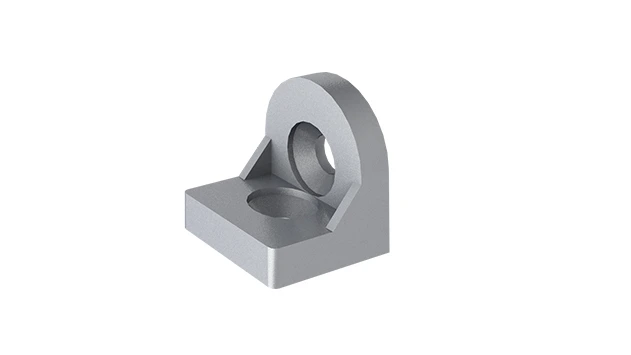
Turning Angle Code 2020 Specification Sheet: Aluminum Joint Dimensions
Walk into any modern factory, warehouse, or workshop, and you'll notice something subtle but powerful holding everything together: aluminum profiles. These sleek, versatile structures form the backbone of workbenches, material racks, conveyor systems, and more—quietly enabling the efficiency that defines lean manufacturing. But even the strongest profiles need a helping hand to reach their full potential. That's where small but mighty components like the Turning Angle Code 2020 come in. Think of it as the unsung hero of your workspace: unassuming, but critical to turning loose parts into a cohesive, functional system. Today, we're diving deep into this essential aluminum profile accessory—breaking down its specs, dimensions, and why it matters in the world of lean systems.
The Role of Aluminum Profile Accessories: Why Details Matter
Aluminum profiles get all the attention, and for good reason. They're lightweight, durable, and infinitely customizable, making them ideal for everything from assembly lines to lab workstations. But anyone who's ever built a structure knows the truth: the real magic lies in the accessories. Angle codes, joints, connectors, and fasteners are the glue that transforms raw profiles into something useful. Without them, you're just staring at a pile of metal tubes.
Take lean systems, for example. The goal of lean manufacturing is to minimize waste, maximize efficiency, and keep workflows smooth. Every component in a lean setup has a purpose—no extra parts, no unnecessary steps. That's why choosing the right accessories is non-negotiable. A poorly fitting joint or a weak angle code can throw off an entire production line, leading to jams, delays, or even safety hazards. The Turning Angle Code 2020, in particular, is designed to solve a specific problem: creating stable, precise corners in 2020-series aluminum profiles. It's a small part, but its impact on structural integrity and workflow efficiency is huge.
Meet the Turning Angle Code 2020: A Closer Look at a Critical Component
So, what exactly is the Turning Angle Code 2020? At its core, it's a right-angle connector designed to join two 2020 aluminum profiles at a 90-degree angle. But calling it "just a connector" would be like calling a spark plug "just a part of a car." It's engineered with precision to ensure a tight, secure fit, reducing wobble and enhancing stability. Whether you're building a workbench that needs to support heavy tools or a material rack that holds delicate components, this angle code is the quiet enforcer that keeps everything in place.
What sets the Turning Angle Code 2020 apart from other angle codes? For starters, it's tailored to 2020 EU standard aluminum profiles—the most common size for smaller to medium-duty applications. Its compact design means it doesn't add unnecessary bulk, keeping your structures streamlined. And unlike generic angle codes, it's built with the specific tolerances of 2020 profiles in mind, so you don't have to worry about gaps or loose connections. It's the kind of accessory that makes you think, "Why would I use anything else?"
Turning Angle Code 2020 Specification Sheet
| Part Number | Material | Dimensions (L x W x T) | Finish | Compatibility | Load Capacity | Application |
|---|---|---|---|---|---|---|
| TAC-2020-EU | 6063-T5 Aluminum Alloy | 20mm x 20mm x 3mm | Anodized (Silver) / Powder-Coated (Black, White) | 2020 EU Standard Aluminum Profile | Up to 50kg per joint (static load) | Workbenches, Material Racks, Turnover Trolleys, Light-Duty Conveyors |
| TAC-2020-EU-SS | 304 Stainless Steel | 20mm x 20mm x 3.5mm | Brushed Finish | 2020 EU Standard Aluminum Profile | Up to 75kg per joint (static load) | ESD Workstations, Clean Rooms, Food Processing Areas |
| TAC-2020-NON-EU | 6061-T6 Aluminum Alloy | 20mm x 20mm x 3mm | Anodized (Gold) | 2020 National Standard Aluminum Profile | Up to 45kg per joint (static load) | Custom Workstations, DIY Projects, Non-Standard Setups |
Let's break down what this table tells us. The standard Turning Angle Code 2020 (TAC-2020-EU) is made from 6063-T5 aluminum alloy—a popular choice for structural components because it's strong, corrosion-resistant, and easy to machine. Its dimensions (20mm x 20mm x 3mm) are perfectly matched to 2020 EU standard profiles, which typically have a 20mm x 20mm cross-section. The anodized finish adds an extra layer of protection against scratches and wear, ensuring it holds up in busy industrial environments.
For applications that need extra durability or resistance to chemicals, there's the stainless steel variant (TAC-2020-EU-SS). This is ideal for ESD workstations (where static control is critical) or food processing areas (where hygiene standards are strict). The brushed finish not only looks professional but also hides minor scratches, keeping your setup looking neat over time.
Material Breakdown: Why Aluminum Alloy Stands Out
Aluminum alloy might seem like a default choice, but there's a science behind why it's used for angle codes like the Turning Angle Code 2020. Let's start with 6063-T5, the material in the standard model. This alloy is known for its excellent extrudability, which means it can be shaped into precise, complex forms—exactly what you need for a component that has to fit snugly into a T-slot profile. It also has good tensile strength (around 180 MPa), which is more than enough for the loads typical in 2020-profile structures. Plus, it's lightweight—about a third the weight of steel—so it doesn't add unnecessary heft to your setup.
Corrosion resistance is another big win. Aluminum naturally forms a thin oxide layer that protects it from rust, even in humid or damp environments. That's a huge advantage over steel, which can corrode if not properly coated. For workshops or factories with high moisture levels (like those near the coast or with frequent cleaning), this means less maintenance and longer component life. And if you do need something even more corrosion-resistant, the 304 stainless steel option takes it a step further, with resistance to most acids, alkalis, and saltwater.
Dimensions Decoded: Precision in Every Millimeter
When it comes to angle codes, precision is everything. A difference of half a millimeter can mean the difference between a tight fit and a wobbly joint. The Turning Angle Code 2020 is engineered with that in mind. Let's take the standard model: 20mm in length, 20mm in width, and 3mm in thickness. Why those numbers? Because 2020 EU standard aluminum profiles have a slot width of 6mm and a wall thickness of around 1.5mm. The angle code's dimensions are calculated to fit into the profile's T-slot without overlapping or leaving gaps.
The thickness (3mm) is also intentional. Too thin, and the angle code might bend under load; too thick, and it won't fit into the T-slot. 3mm strikes the perfect balance, providing enough rigidity to support static loads up to 50kg while still sliding smoothly into the profile. Even the holes for fasteners are precisely placed—typically 8mm in diameter, spaced 16mm apart—to align with standard T-slot nuts and bolts. This level of detail might seem obsessive, but in lean manufacturing, obsession with precision is what drives efficiency.
Compatibility: Working in Harmony with 2020 EU Standard Aluminum Profiles
If you've ever shopped for aluminum profile accessories, you've probably noticed the term "EU standard" thrown around. What does that mean, and why does it matter for the Turning Angle Code 2020? EU standard profiles (also called "metric profiles") are designed to strict European norms, with consistent slot sizes, wall thicknesses, and tolerances. The 2020 EU standard, for example, has a 20mm x 20mm outer dimension, a 6mm slot width, and a 1.5mm wall thickness. This consistency means that accessories from different suppliers should work together seamlessly—no guesswork, no trial and error.
The Turning Angle Code 2020 is specifically designed for these EU standard profiles. That means if you're using 2020 EU aluminum profiles from a reputable supplier, this angle code will fit like a glove. It won't matter if your profiles are from Supplier A and your angle codes are from Supplier B—they'll work together because they're both built to the same standards. This compatibility is a game-changer for anyone building or expanding a lean system. You can mix and match components without worrying about compatibility issues, saving time and reducing frustration.
What if you're using non-standard or national standard profiles? There's a variant for that too (TAC-2020-NON-EU), designed to fit 2020 national standard profiles, which often have slightly different slot dimensions. The key is to check your profile specs before ordering—measure the slot width, outer dimensions, and wall thickness to ensure you get the right angle code. A good supplier will always ask for these details if you're unsure, so don't hesitate to reach out.
Load Capacity: Building Strength You Can Trust
At the end of the day, an angle code is only as good as its ability to hold weight. The Turning Angle Code 2020's 50kg static load capacity might not sound like much, but let's put it in context. A typical workbench top made from aluminum honeycomb panel weighs around 15kg. Add tools, components, and a worker leaning on it, and you're looking at 30-40kg—well within the angle code's limits. For material racks, a single shelf might hold 20-30kg of parts, so even with three shelves, the total load per angle code would be under 50kg.
Of course, load capacity depends on how the angle code is installed. If you skimp on fasteners or don't tighten the bolts properly, you'll reduce its strength. That's why it's important to use the right hardware—typically M5 or M6 T-slot bolts with nuts—and torque them to the recommended 2-3 Nm. Over-tightening can strip the threads, while under-tightening can lead to loosening over time. It's a simple step, but it makes a world of difference in performance.
For heavier applications, the stainless steel variant (TAC-2020-EU-SS) ups the ante with a 75kg static load capacity. This is perfect for ESD workstations that need to support heavy testing equipment or clean rooms where tools and materials are constantly being moved on and off the bench. Even in these high-stress environments, the stainless steel angle code holds its own, thanks to its higher tensile strength (around 500 MPa vs. 180 MPa for aluminum).
Finish Options: Blending Functionality with Aesthetics
Let's be honest: functionality is king, but no one wants a workspace that looks like a junkyard. The Turning Angle Code 2020 comes in a range of finishes to match both your practical needs and your aesthetic preferences. The standard anodized silver finish is the workhorse—it's durable, scratch-resistant, and blends in with most aluminum profiles. Anodizing also adds a layer of corrosion resistance, making it ideal for humid or dusty environments.
If you want something with a bit more flair, powder-coated options (black, white, or custom colors) are available. Powder coating is a electrostatic process that bonds a dry powder to the metal surface, creating a thick, even finish that's resistant to chipping and fading. Black is a popular choice for modern workspaces, as it hides dirt and gives a sleek, professional look. White is great for clean rooms or labs, where brightness and hygiene are priorities. Some suppliers even offer custom colors, so you can match your company's branding—though this usually comes with a minimum order quantity.
The stainless steel variant, with its brushed finish, offers a different kind of aesthetic. Brushed stainless steel has a matte, textured look that's both industrial and sophisticated. It's also fingerprint-resistant, which is a big plus in areas where equipment is frequently handled. Whether you're going for a utilitarian vibe or a polished, high-tech feel, there's a Turning Angle Code 2020 finish to fit the bill.
Real-World Applications: Where the Turning Angle Code 2020 Shines
Enough talk about specs—let's look at how the Turning Angle Code 2020 performs in real life. Here are a few common scenarios where this little angle code makes a big difference:
Workbenches:
Take Workbench E (single deck, without casters), a staple in assembly lines and workshops. Its frame is typically built from 2020 EU aluminum profiles, with vertical supports at each corner. The Turning Angle Code 2020 connects these vertical supports to the horizontal rails, creating a sturdy base for the worktop. Without stable angle codes, the bench would wobble when someone leans on it, making precise work nearly impossible. With the Turning Angle Code 2020, the bench stays rock-solid, even during long shifts.
Material Racks:
Material Rack B (3 rows, 3 floors) is designed to hold small parts and components, keeping them organized and within easy reach. Each shelf is supported by horizontal rails, which are connected to vertical posts using angle codes. The Turning Angle Code 2020 ensures that each shelf level is level and secure, preventing parts from sliding off or the rack from tipping over. Even when fully loaded with heavy components, the angle codes distribute the weight evenly, reducing stress on the profiles.
Turnover Trolleys:
These mobile carts are used to transport materials between workstations, and they take a lot of abuse—bumping into walls, rolling over uneven floors, and carrying heavy loads. The frame of a turnover trolley relies on angle codes to maintain its shape. The Turning Angle Code 2020, with its 50kg load capacity, is perfect for connecting the trolley's side rails to its base, ensuring it doesn't twist or bend under pressure. Plus, its compact design means the trolley remains lightweight, making it easy for workers to push around.
Installation Made Simple: A Step-by-Step Guide
You don't need to be a professional engineer to install the Turning Angle Code 2020—just a few basic tools and a little patience. Here's how it's done:
1.
Prepare your profiles:
Cut your 2020 EU aluminum profiles to the desired length using a miter saw or hacksaw. Deburr the edges with a file to remove sharp corners.
2.
insert T-slot nuts:
Slide T-slot nuts into the slots of the profiles where you'll be attaching the angle code. Position them so the nut holes align with the holes in the angle code.
3.
Align the angle code:
Hold the Turning Angle Code 2020 against the corner where the two profiles meet. Make sure it's flush with the edges of the profiles—no gaps allowed.
4.
Secure with bolts:
insert M5 or M6 bolts through the angle code's holes and into the T-slot nuts. Tighten them with a hex key until snug, but don't over-tighten (aim for 2-3 Nm of torque).
5.
Test for stability:
Give the joint a gentle shake to ensure it's secure. If it wobbles, check that the T-slot nuts are properly aligned and the bolts are tight enough.
That's it! The whole process takes less than 5 minutes per joint, even for beginners. And because the angle code is designed to fit perfectly, you won't waste time filing down edges or drilling new holes. It's lean installation for a lean system.
Comparing Angle Codes: What Makes the 2020 Version Unique
The Turning Angle Code 2020 isn't the only angle code on the market. There are 3030 angle codes for larger profiles, 45-degree angle codes for sloped structures, and even adjustable angle codes for non-right-angle joints. So what makes the 2020 version stand out?
For starters, it's optimized for small to medium-duty applications. 2020 profiles are lighter and more affordable than larger 3030 or 4040 profiles, making them ideal for workbenches, small racks, and DIY projects. The Turning Angle Code 2020 matches this ethos—it's lightweight, cost-effective, and just strong enough for the job, without over-engineering.
It's also more compact than angle codes for larger profiles. A 3030 angle code might be 30mm x 30mm, which would look bulky and out of place on a 2020 profile. The Turning Angle Code 2020's 20mm x 20mm size keeps the structure streamlined, which is crucial in tight workspaces where every inch counts.
Finally, it's widely available. Because 2020 EU profiles are so popular, most aluminum profile suppliers stock the Turning Angle Code 2020, meaning you won't have to wait weeks for delivery. This availability is a lifesaver when you need to repair a broken joint or expand a workstation quickly.
The Importance of Choosing a Reliable Supplier
You could have the best angle code design in the world, but if it's made poorly, it won't perform. That's why choosing a reputable supplier is just as important as choosing the right angle code. A reliable supplier will use high-quality materials (like genuine 6063-T5 aluminum), maintain strict quality control, and ensure their products meet EU standard tolerances. They'll also provide clear specifications, so you know exactly what you're getting.
Beware of cheap knockoffs. These are often made from low-grade aluminum or stainless steel, with inconsistent dimensions and shoddy finishes. A knockoff angle code might save you a few dollars upfront, but it could cost you dearly in the long run—think bent joints, failed loads, or having to replace the part after a few months. When it comes to lean systems, reliability is always worth the investment.
Common Pitfalls to Avoid When Selecting Angle Codes
Even with the best intentions, it's easy to make mistakes when choosing angle codes. Here are a few to watch out for:
-
Mixing standards:
Don't assume a "2020 angle code" will fit both EU standard and national standard profiles. Always check the supplier's specs for compatibility.
-
Underestimating load capacity:
If you're building a structure that will hold heavy items, opt for the stainless steel variant (TAC-2020-EU-SS) instead of the standard aluminum model.
-
Ignoring finish:
In corrosive environments (like near saltwater or chemicals), anodized aluminum might not be enough—go for stainless steel instead.
-
Skipping pre-installation checks:
Always test-fit the angle code with your profiles before final assembly. If it's too loose or too tight, return it and get the right size.
Conclusion: Small Parts, Big Impact in Lean Manufacturing
The Turning Angle Code 2020 might be small, but it's a testament to the philosophy of lean manufacturing: every component has a purpose, and precision matters. It's not just an angle code—it's a tool that helps workers build better, more efficient systems. It ensures workbenches stay stable, material racks stay organized, and turnover trolleys stay mobile. It reduces waste by eliminating wobbly joints and failed structures. And it empowers teams to customize their workspaces without sacrificing strength or safety.
So the next time you walk through a factory or workshop, take a moment to look at the corners of the workbenches and racks. Chances are, you'll see angle codes hard at work—quietly holding everything together. And if those angle codes are Turning Angle Code 2020s, you can bet the setup is built to last. Because in lean manufacturing, the smallest parts often make the biggest difference.