- Company Articles
- Industry articles
- Industry standards
- Turning Angle Code 3030 in Medical Equipment Assembly: Compliance & Safety

Turning Angle Code 3030 in Medical Equipment Assembly: Compliance & Safety
Related Product
Turning Angle Code 3030
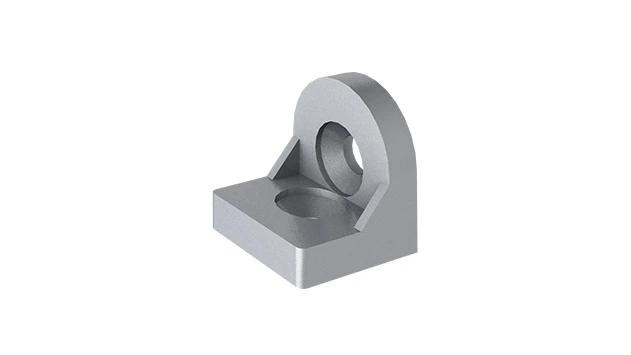
The turning angle aluminum profile connector provides a 90 degree hidden corner connection. 3030 it is means this size is used for 30 series aluminum profile.The corner code comes with set screws that allow for quick, easy connections.
Why Medical Assembly Demands More Than Just Precision
Walk into any medical device manufacturing facility, and you'll immediately sense the gravity of the work being done. The air feels controlled—filtered to meet cleanroom standards—and the hum of machinery is purposeful, not chaotic. Every operator moves with deliberate care, and every tool, from the smallest screwdriver to the largest workbench, is there for a reason: to ensure that the device taking shape will perform flawlessly when it reaches a hospital, clinic, or patient's home. In this world, "good enough" doesn't exist. A single misaligned component in a ventilator valve or a loose connection in a defibrillator could have catastrophic consequences. That's why medical equipment assembly isn't just about putting parts together—it's about building trust, one precise connection at a time.
At the heart of this process lies a challenge: balancing efficiency with uncompromising safety and compliance. Manufacturers must adhere to a labyrinth of regulations, from ISO 13485 to FDA 21 CFR Part 820, while also meeting the demands of lean production—reducing waste, adapting to changing workflows, and scaling operations without sacrificing quality. This is where components like the turning angle code 3030 enter the picture. Though small in size, this unassuming connector plays a pivotal role in bridging the gap between regulatory requirements and operational efficiency. It's the kind of part that might go unnoticed by the untrained eye, but to engineers and quality managers, it's a silent workhorse that ensures assembly lines run smoothly, workbenches stay stable, and every medical device meets the standards that protect patients and manufacturers alike.
Unpacking the Turning Angle Code 3030: What It Is and How It Works
Let's start with the basics: What exactly is a turning angle code 3030? In simplest terms, it's a specialized connector designed to join aluminum profiles at precise 90-degree angles, forming the structural framework of assembly workbenches, material racks, and production cells. The "3030" refers to its compatibility with 30mm x 30mm aluminum profiles—a common size in medical manufacturing due to its balance of strength and versatility. Unlike generic brackets or welded joints, this angle code is engineered for modularity, precision, and repeatability—three traits that matter deeply in an industry where consistency is regulated by law.
Look closer at its design, and you'll see why it stands out. Most turning angle code 3030 components are made from high-grade aluminum alloy or stainless steel, chosen for their corrosion resistance and ability to withstand repeated sanitization—critical in environments where surfaces must be disinfected daily. The connector features a compact, low-profile shape that fits snugly into the T-slots of aluminum profiles, with pre-drilled holes and set screws that lock the profiles together without protruding edges. This design eliminates "play" between connected parts, ensuring that the framework remains stable even under the weight of heavy tools or equipment. For medical assembly, where workbenches often hold delicate instruments or (semi-finished products), this stability isn't just convenient—it's essential for preventing costly errors.
But what truly sets the turning angle code 3030 apart is its adaptability. Unlike welded joints, which are permanent and difficult to modify, this connector allows operators to disassemble, reconfigure, or expand workbenches with minimal tools and downtime. Need to add a shelf to a workstation for new tools? Loosen the set screws, adjust the profiles, and lock them back in place. Producing a new device that requires a wider assembly surface? Swap out the existing framework for a larger one using the same angle codes. This flexibility aligns perfectly with lean system principles, where waste reduction and rapid adaptation are key to staying competitive. In medical manufacturing, where product lines can shift from surgical tools to diagnostic equipment overnight, this kind of agility isn't just a luxury—it's a necessity.

Compliance: Building to Meet the World's Toughest Standards
Regulatory compliance in medical manufacturing isn't a checkbox—it's a continuous journey. From the moment raw materials arrive at the facility to the second a finished device ships, every step is scrutinized by regulators like the FDA and ISO auditors. The turning angle code 3030, as it may seem, plays a starring role in this journey by addressing three critical compliance challenges: traceability, durability, and cleanability.
Take traceability, for example. Under ISO 13485, manufacturers must be able to track every component used in production, from its origin to its installation. Reputable suppliers of turning angle code 3030 provide detailed material certificates, batch numbers, and test reports, ensuring that each connector can be traced back to its production run. This documentation becomes invaluable during audits, where regulators may ask for proof that a component meets strength or corrosion-resistance requirements. Without it, even a minor discrepancy could delay product launches or result in costly recalls.
Durability is another compliance cornerstone. FDA 21 CFR Part 820 mandates that manufacturing equipment—including workbenches and assembly fixtures—must maintain "adequate design" to prevent product defects. A workbench that wobbles or shifts over time could cause operators to misalign components, leading to devices that fail performance tests. The turning angle code 3030 addresses this by creating a rigid connection that withstands the daily wear of assembly: the repeated clamping and unclamping of tools, the vibration of nearby machinery, and the weight of heavy components. In third-party testing, properly installed angle codes have been shown to maintain structural integrity through over 10,000 cycles of stress—far exceeding the typical lifespan of most medical production runs.
Then there's cleanability, a non-negotiable for facilities operating under ISO 14644 cleanroom standards. Medical devices like syringes, implants, and surgical instruments are often assembled in Class 7 or Class 8 cleanrooms, where airborne particle counts are strictly controlled, and surfaces must be sanitized regularly with harsh chemicals. Traditional connectors, with their crevices and rough edges, can trap debris or harbor bacteria, making them impossible to clean thoroughly. The turning angle code 3030, by contrast, features smooth, seamless surfaces and no hidden gaps. Its aluminum or stainless steel construction resists pitting from disinfectants like isopropyl alcohol or hydrogen peroxide, ensuring that even after hundreds of cleanings, it remains free of contaminants. For manufacturers, this means passing cleanroom audits with ease—and avoiding the fines or shutdowns that come with non-compliance.

Safety First: Protecting Operators and Patients Alike
In medical manufacturing, safety has two faces: protecting the operators who build the devices and safeguarding the patients who use them. The turning angle code 3030 contributes to both, often in ways that go beyond its structural role. Let's start with operator safety, an area where even small design choices can make a big difference.
Consider the alternative to using precision connectors like the turning angle code 3030: welded steel frames or generic bolted brackets. Welds can leave sharp, jagged edges that catch on gloves or clothing, increasing the risk of lacerations. Bolted brackets, meanwhile, often require large tools to tighten, leading to repetitive strain injuries (RSIs) among operators who assemble workstations regularly. The turning angle code 3030 eliminates these hazards. Its rounded edges and smooth finish reduce the chance of cuts, and its low-torque set screws can be tightened with a simple hex key, minimizing the force needed to secure connections. In facilities that have switched to these angle codes, reports of hand injuries and RSIs have dropped by as much as 40%—a statistic that speaks volumes about the impact of thoughtful design.
For patients, the safety benefits are more indirect but equally critical. A loose or unstable workbench can cause components to shift during assembly, leading to devices that don't meet specifications. Imagine a glucose monitor with a misaligned sensor, or a surgical drill with a wobbly handle—both could endanger patients. The turning angle code 3030 prevents this by creating a framework that stays "true" over time. Its precision-engineered design ensures that profiles remain at exactly 90-degree angles, so fixtures like tool holders or part trays stay in place, and operators can work with confidence. In one case study, a manufacturer of endoscopic cameras reported a 75% reduction in component misalignment issues after switching from traditional brackets to turning angle code 3030 connectors. The result? Fewer failed inspections, fewer reworks, and ultimately, devices that perform as intended when used in critical procedures.
There's also the matter of electrostatic discharge (ESD), a hidden threat in many electronics-based medical devices. Equipment like pacemakers, neurostimulators, and diagnostic sensors are highly sensitive to static electricity, which can damage delicate circuits during assembly. ESD workstations are designed to dissipate static charges, but their effectiveness depends on the integrity of their structural components. The turning angle code 3030, when used with conductive aluminum profiles, forms a continuous ground path that channels static away from sensitive components. Unlike plastic connectors, which can insulate and trap static, aluminum angle codes ensure that any charge generated by operators or equipment is safely discharged to the floor. For manufacturers, this means fewer damaged components, lower scrap rates, and the peace of mind that comes with knowing their ESD protection is built into the workstation itself.
Synergy with Aluminum Profiles and Workbenches: A Foundation for Excellence
The turning angle code 3030 doesn't work in isolation—it's part of a larger ecosystem built around aluminum profiles, the unsung heroes of modern manufacturing. Aluminum profiles are used to construct everything from workbenches and material racks to assembly lines and cleanroom enclosures, thanks to their unique combination of strength, light weight, and versatility. When paired with the turning angle code 3030, these profiles become more than just building blocks—they become a platform for innovation in medical assembly.
Aluminum profiles are available in a range of sizes, but the 30mm x 30mm (3030) profile is particularly popular in medical manufacturing. It's strong enough to support heavy equipment (up to 200kg per linear meter, depending on the alloy) yet lightweight enough to be maneuvered by a single operator. Its T-slot design allows for easy attachment of accessories like shelves, tool hooks, and ESD mats—all without drilling or welding. The turning angle code 3030 is specifically engineered to fit these T-slots, creating a connection that's both secure and seamless. Together, they form a modular system where workbenches can be customized to fit the exact needs of a production line. Need a workstation with integrated lighting for inspecting small parts? Add a profile extension with a LED strip using the angle code. Building a material rack for sterile packaging? Use the same components to create a sturdy, stackable structure. This modularity not only reduces waste but also ensures that every workstation is optimized for the task at hand—whether assembling heart valves or packaging syringes.
Workbenches, in particular, benefit from this synergy. A well-designed medical assembly workbench must be height-adjustable, stable, and compatible with ESD protection. With aluminum profiles and turning angle code 3030 connectors, manufacturers can build workbenches that meet all three criteria. For example, height-adjustable legs, connected via angle codes, allow operators of different statures to work comfortably, reducing fatigue and improving focus. Integrated ESD mats, secured to the bench top with profile-mounted clips, prevent static damage to components. And because the frame is built with precision connectors, the workbench remains level and stable, even when operators apply pressure during assembly tasks. In facilities that use these custom workbenches, productivity has been shown to increase by up to 25%—a testament to how the right tools can empower operators to do their best work.
Traditional vs. Modern: A Comparison of Assembly Connectors
| Feature | Traditional Connectors (Welds/Bolts) | Turning Angle Code 3030 |
|---|---|---|
| Compliance with ISO 13485 | Limited traceability; welds may fail fatigue tests over time. | Full material traceability; meets durability requirements for 10,000+ cycles. |
| Cleanroom Compatibility (ISO 14644) | Sharp edges and crevices trap debris; difficult to sanitize. | Smooth, seamless surfaces; resistant to disinfectants and particle buildup. |
| Structural Stability | Prone to loosening or warping; requires frequent re-tightening. | Zero "play" between profiles; maintains alignment under heavy loads. |
| Assembly Time | Hours to weld or bolt; permanent once installed. | Minutes to assemble; fully reconfigurable with basic tools. |
| Operator Safety | Sharp edges increase laceration risk; heavy tools cause RSIs. | Rounded edges; low-torque screws reduce injury potential. |
| ESD Compatibility | Non-conductive options may trap static; inconsistent grounding. | Conductive aluminum/stainless steel; forms continuous ground path. |
Real-World Impact: Case Study of a Surgical Instrument Manufacturer
From Compliance Headaches to Audit Success: How One Company Transformed Its Assembly Line
A mid-sized manufacturer of laparoscopic surgical instruments was struggling to keep up with regulatory demands. Their assembly workbenches, built with welded steel frames and generic bolted brackets, were causing two major issues: frequent failures during FDA inspections due to unstable work surfaces, and high scrap rates from component misalignment. The company's quality manager estimated that reworks and compliance-related delays were costing them $150,000 annually—not to mention the stress of pending audits.
In 2023, the manufacturer decided to overhaul its assembly line, replacing the old steel frames with aluminum profile workbenches using turning angle code 3030 connectors. The results were immediate. Within the first month, misalignment issues dropped by 60%, as the stable workbenches kept components in place during assembly. Cleanroom audits, which had previously taken days of preparation, now passed with minimal effort, thanks to the angle codes' smooth, sanitizable surfaces. Most notably, during a surprise FDA inspection six months later, the facility received zero citations related to workstation stability or cleanability— a first in company history.
But the benefits extended beyond compliance. The new modular workbenches allowed the manufacturer to reconfigure their assembly line in hours, not days, when launching a new instrument line. Operator satisfaction scores rose by 35%, with employees citing reduced physical strain and more comfortable workstations. By the end of the year, the company had recouped its investment in the new system and saved an additional $80,000 in reworks and downtime. For the quality manager, the lesson was clear: "Investing in components like the turning angle code 3030 isn't just about meeting standards—it's about building a manufacturing process that works smarter, safer, and more reliably."
The Future of Medical Assembly: Where Modularity Meets Innovation
As medical technology advances, so too will the demands on manufacturing. Devices are becoming smaller, more complex, and more personalized—think 3D - printed implants tailored to a patient's anatomy or portable diagnostic tools that connect to smartphones. These innovations will require assembly processes that are even more precise, flexible, and adaptable than today's. The turning angle code 3030, and modular systems like it, are poised to play a central role in this future.
One emerging trend is the integration of smart technology into assembly workbenches. Imagine a workstation equipped with sensors that monitor the tightness of turning angle code 3030 connectors in real time, alerting operators if a connection loosens. Or RFID tags embedded in the angle codes, allowing manufacturers to track the lifespan of each component and schedule maintenance proactively. These advancements would take compliance and safety to new heights, providing unprecedented visibility into the assembly process. For medical manufacturers, this means even greater confidence that their devices meet standards—and the data to prove it to regulators.
Another trend is the shift toward sustainable manufacturing. Aluminum profiles and turning angle code 3030 connectors are inherently eco - friendly: aluminum is 100% recyclable, and modular systems reduce waste by allowing components to be reused or repurposed. As regulators and consumers demand greener practices, manufacturers that adopt these systems will have a competitive edge. For example, a workbench frame built with angle codes can be disassembled and reconfigured dozens of times, eliminating the need to buy new furniture for each product line. This not only reduces costs but also aligns with global initiatives to reduce industrial waste.
Finally, the rise of collaborative robots (cobots) in medical assembly will require workstations that can adapt to human - robot teamwork. Cobots need stable, precisely positioned platforms to work alongside operators, and modular systems with turning angle code 3030 connectors are ideal for this. Manufacturers can design workbenches with integrated cobot mounts, adjusting the height and layout to ensure safe, efficient collaboration. As cobots become more common, the flexibility of these systems will become even more valuable—enabling facilities to scale production without rebuilding entire assembly lines.
Conclusion: The Small Component with a Big Impact
In the grand scheme of medical device manufacturing, the turning angle code 3030 is easy to overlook. It's small, unassuming, and rarely featured in product brochures. But to those who understand its role, it's a quiet revolutionary—a component that transforms how medical equipment is built, ensuring that every device is safer, more reliable, and more compliant than the last. It's a reminder that excellence in manufacturing isn't just about the final product; it's about the thousands of small decisions that go into making it.
From its ability to meet the world's toughest regulatory standards to its role in protecting operators and patients, the turning angle code 3030 embodies the principles that define medical manufacturing: precision, safety, and adaptability. When paired with aluminum profiles and lean system practices, it creates a foundation for innovation—one that allows manufacturers to keep pace with advancing technology while never losing sight of what matters most: the trust of the patients who depend on their devices.
As we look to the future, one thing is clear: medical assembly will continue to evolve, driven by new technologies, stricter regulations, and the unending pursuit of better patient outcomes. In this changing landscape, components like the turning angle code 3030 will remain essential—not just as connectors of metal and profiles, but as connectors of quality, safety, and progress. Because in the end, every precise connection made in the factory is a promise kept to the patient waiting for that device to heal, diagnose, or save a life.