- Company Articles
- Industry articles
- Industry standards
- Turnover Carts with 2020 EU Standard Aluminum Profile: Heavy-Duty Performance

Turnover Carts with 2020 EU Standard Aluminum Profile: Heavy-Duty Performance
Related Product
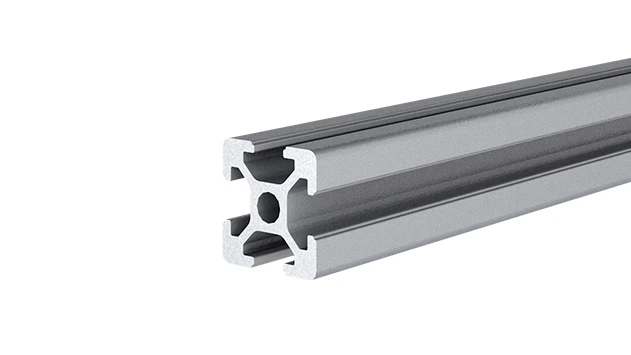
2020 EU Standard Aluminum Profile
2020 is a 2.00 x 2.00CM fractional 20 series square extrusion T-slot profile with four open T-slots, one on each 2.00 face. The profile has align-a-grooves to assist in aligning connecting profiles.
The Unsung Hero of Factory Floors: Why Turnover Carts Matter
Walk through any bustling manufacturing plant, warehouse, or distribution center, and you'll spot them everywhere—quietly moving materials, tools, and products from one station to the next. Turnover carts are the backbone of daily operations, yet their importance is often overlooked until an old, rickety cart jams mid-route, or a flimsy frame bends under a heavy load. For workers, a reliable cart isn't just a tool; it's a partner in keeping pace with tight schedules and maintaining smooth workflows. For managers, it's a cornerstone of efficiency—one that directly impacts productivity, safety, and even employee morale.
But not all turnover carts are created equal. Many facilities still rely on outdated models made from heavy steel or brittle plastic, which rust, warp, or break down after months of use. They're hard to maneuver, tricky to customize, and often end up costing more in repairs than they're worth. That's where modern innovation comes in: turnover carts built with 2020 EU standard aluminum profile . These carts aren't just an upgrade—they're a game-changer for teams aiming to streamline operations and build a truly resilient workspace.
What Makes 2020 EU Standard Aluminum Profile Stand Out?
First, let's break down the basics: the 2020 EU standard aluminum profile is a precision-engineered extrusion designed to meet strict European quality and safety benchmarks. Its name gives a clue to its dimensions—20mm x 20mm—making it compact enough for versatile use while packing surprising strength. Unlike generic aluminum or flimsy steel, this profile undergoes rigorous testing for load capacity, corrosion resistance, and structural integrity. It's lightweight, yet tough enough to handle the daily grind of factory environments, from dusty assembly lines to humidity-controlled storage areas.
What really sets it apart, though, is its adaptability. The profile features a T-slot design—longitudinal grooves that let you easily attach accessories like caster wheels , shelves, or dividers without welding or drilling. This means a single cart can evolve with your needs: add a roller track for sliding bins one week, swap out casters for locking wheels the next, or adjust shelf heights to fit new product sizes. For teams following lean system principles—where flexibility and waste reduction are key—this adaptability is a game-changer.

Heavy-Duty Performance: Built to Last, Designed to Work Hard
When we say "heavy-duty," we mean it. Turnover carts made with 2020 EU standard aluminum profile aren't just durable—they're built to outperform traditional carts in every critical category. Let's start with load capacity: despite their lightweight frame (typically 30-40% lighter than steel carts), these carts can easily handle 150-300kg of weight, depending on the design. That's enough for stacks of raw materials, bulky components, or even fully assembled products—no bending, sagging, or creaking, even after months of daily use.
Durability is another standout feature. Aluminum naturally resists rust and corrosion, so these carts hold up in damp warehouses, cleanrooms, or outdoor loading docks. Unlike plastic carts, they won't crack in extreme temperatures or fade under UV light. And because the 2020 profile is extruded (not welded), there are no weak points or seams to fail over time. Even the smallest details, like reinforced corners and high-quality joints, contribute to a cart that feels solid, stable, and ready for whatever the day throws at it.
"We used to replace steel carts every 6-8 months—rust would eat through the frames, and the wheels would lock up. Since switching to 2020 aluminum profile carts, we haven't replaced a single one in two years. The team loves how easy they are to push, even when fully loaded. It's cut down on downtime and made our morning material runs feel like a breeze." — Maria Gonzalez, Production Manager at a automotive parts facility
Key Components: The Parts That Make the Cart
A great turnover cart is more than just a frame—it's a system of components working together. Here's a closer look at the parts that make 2020 EU standard aluminum profile carts so effective:
- Caster Wheels: Smooth-rolling, shock-absorbing caster wheels are a must for maneuverability. Many models come with lockable brakes to keep the cart steady during loading/unloading, and heavy-duty bearings that glide over uneven floors without squeaking.
- Roller Track: Optional roller tracks (often made of high-density plastic or aluminum) turn the cart into a mini-conveyor, letting workers slide bins or boxes on and off with minimal effort. This reduces strain on wrists and backs—a small change that adds up to big improvements in ergonomics.
- Adjustable Shelves: Thanks to the T-slot profile, shelves can be moved up or down in seconds using simple bolts or clips. Need to fit taller items? Lower a shelf. Running low on space? Stack smaller parts on upper shelves. It's customization without the hassle.
- Edge Guards: Soft rubber or plastic edge guards prevent scratches on delicate products and protect workers from sharp corners—small touches that both safety and product quality.
How It Fits Your Lean System: Efficiency, Flexibility, and Waste Reduction
Lean manufacturing is all about doing more with less—eliminating waste, streamlining processes, and empowering teams to work smarter, not harder. 2020 EU standard aluminum profile turnover carts align perfectly with these goals. Their adaptability means you don't need to buy multiple specialized carts for different tasks; one cart can handle assembly, storage, and transport. This cuts down on equipment costs and reduces clutter on the factory floor.
Maneuverability also plays a role in lean efficiency. Lighter carts mean workers spend less energy pushing and more time focused on value-adding tasks. Lockable casters and stable bases reduce the risk of spills or accidents, which are major sources of waste in any operation. And because these carts last longer, you'll spend less on replacements and repairs—freeing up budget for other critical upgrades.
Comparing the Options: Why 2020 Aluminum Profile Beats the Rest
| Feature | 2020 EU Standard Aluminum Profile Cart | Traditional Steel Cart | Plastic Cart |
|---|---|---|---|
| Weight | Lightweight (30-40% lighter than steel) | Heavy (hard to maneuver) | Very light (but unstable with heavy loads) |
| Durability | Rust/corrosion-resistant; lasts 5+ years | Prone to rust; needs repainting every 1-2 years | Cracks in extreme temps; fades over time |
| Customization | Easy (T-slot accessories, adjustable shelves) | Limited (requires welding/drilling) | None (fixed design) |
| Load Capacity | 150-300kg (stable, no sagging) | 200-400kg (but heavy to move when loaded) | 50-100kg (risk of warping) |
| Total Cost Over 5 Years | Low (minimal repairs, no replacements) | High (repairs, replacements, rust treatment) | Medium (replace every 1-2 years) |
Real-World Impact: Where These Carts Shine
From electronics assembly to food processing, 2020 EU standard aluminum profile turnover carts are making waves across industries. In a medical device factory, for example, cleanroom compatibility is non-negotiable. Aluminum's resistance to bacteria growth and easy-to-clean surface makes these carts ideal for transporting sterile components. In a e-commerce warehouse, adjustable shelves and roller tracks let workers sort packages by size or destination, speeding up order fulfillment.
Even small businesses are reaping the benefits. A local furniture manufacturer recently switched to these carts to move lumber and finished pieces. "We used to have two people struggling with a steel cart loaded with wood," says owner James Chen. "Now one person can push a fully loaded aluminum cart with one hand. It's cut our material transport time in half and reduced on-the-job injuries. Best investment we've made all year."
More Than a Cart: Building a Better Workspace
At the end of the day, a turnover cart is more than just a piece of equipment. It's a reflection of how a company values its workers and prioritizes efficiency. Heavy, unreliable carts create frustration, slow down workflows, and send a message that "good enough" is acceptable. 2020 EU standard aluminum profile carts, on the other hand, send a different message: that every detail matters, that adaptability is key, and that investing in quality pays off in the long run.
Whether you're running a large-scale factory or a small workshop, these carts offer a simple, effective way to boost productivity, reduce waste, and create a workspace that works with your team—not against them. They're heavy-duty, yes—but they're also smart, flexible, and built to grow with your business. And in today's fast-paced manufacturing world, that's the kind of performance you can't afford to ignore.