- Company Articles
- Industry articles
- Industry standards
- Two Way Lean Pipe Joint and Lean 5S: Organizing Workspaces Efficiently

Two Way Lean Pipe Joint and Lean 5S: Organizing Workspaces Efficiently
Related Product
Two Way Lean Pipe Joint
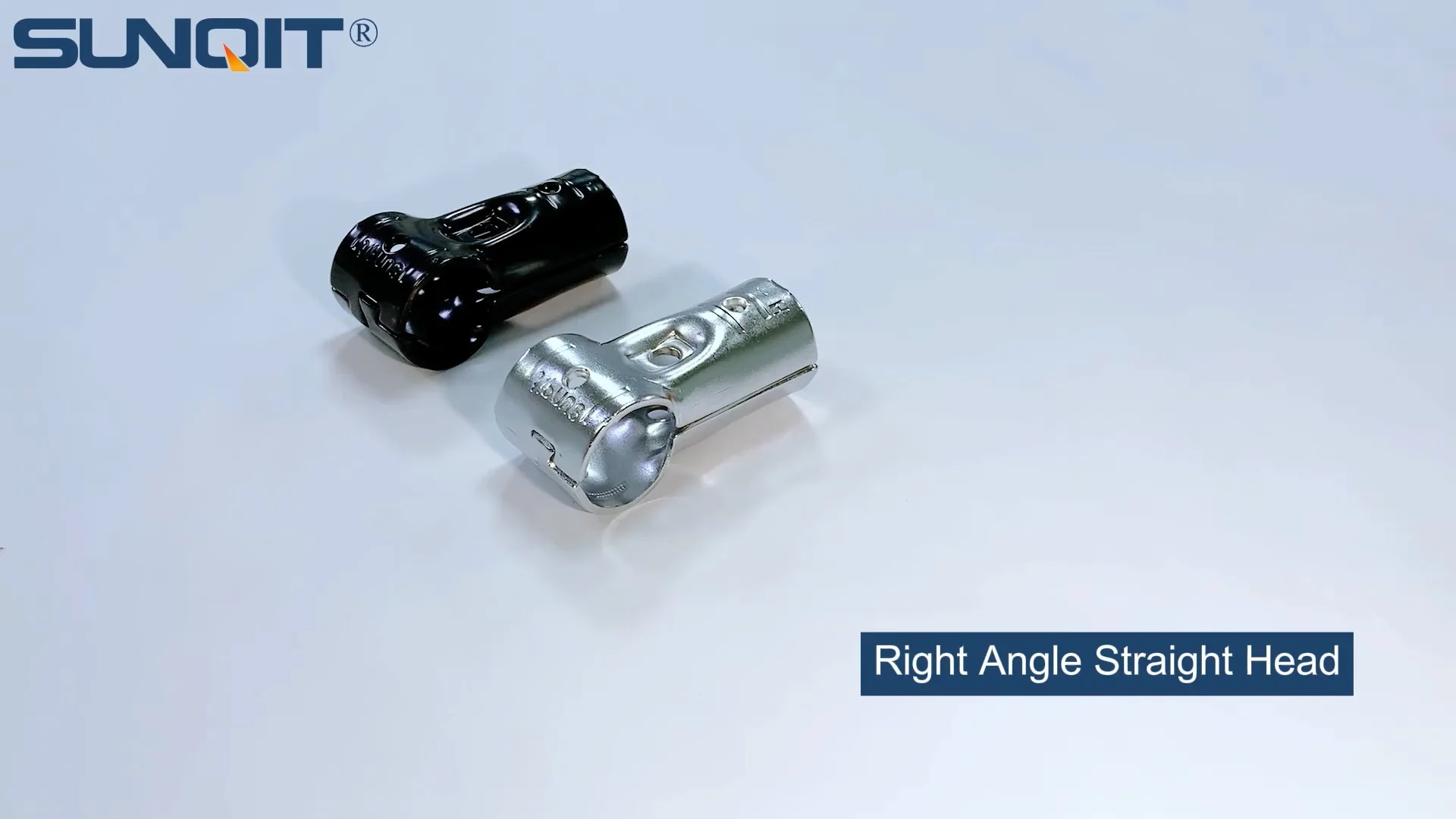
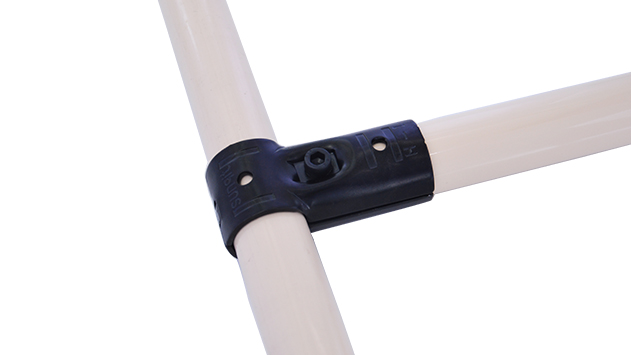
Two way lean pipe joint for 2 pcs 28MM lean pipe connection in straight angle, which used widely in workbench, flow rack, hand trolley frame connection.
Walk into any busy workshop, factory floor, or warehouse, and you'll likely spot the same silent productivity killer: chaos. Tools scattered across workbenches, materials stacked haphazardly, workers wandering to track down missing parts, and production lines grinding to a halt because a critical component is "somewhere over there." It's not just messy—it's expensive. The average manufacturing facility loses 5-10% of its productivity to disorganization alone, according to industry reports. But what if there was a way to turn that chaos into clarity? Enter Lean 5S, a methodology built on the idea that an organized workspace is a productive workspace. And at the heart of making 5S work? The humble yet mighty two way lean pipe joint.
In this article, we'll dive into how Lean 5S transforms cluttered, inefficient workspaces into hubs of productivity. More importantly, we'll explore how two way lean pipe joints—paired with tools like lean pipe workbenches, flow racks, and conveyors—act as the backbone of this transformation. Whether you're running a small assembly shop or managing a large-scale production facility, these simple, flexible components could be the key to cutting waste, saving time, and empowering your team to do their best work.
Understanding Lean 5S: The Foundation of Workplace Organization
Before we talk about pipes and joints, let's get back to basics: Lean 5S. Developed in Japan as part of the Toyota Production System, 5S isn't just a cleaning checklist—it's a mindset. It stands for Sort, Set in Order, Shine, Standardize, and Sustain. Together, these five steps create a workspace that's not just tidy, but purposeful . Let's break them down:
Sort (Seiri): Separate the essential from the unnecessary. Walk through your workspace and ask: "Does this tool, material, or piece of equipment add value to our process?" If not, remove it. Clutter isn't just ugly—it's a distraction. A workspace filled with unused tools or outdated inventory is like trying to work in a room full of noise; your brain can't focus on what matters.
Set in Order (Seiton): Arrange what's left so everything has a place—and everything is in its place. Think of it as "a home for every item, and every item in its home." The goal? Anyone should be able to walk into the workspace and find what they need in 30 seconds or less. This step is where flexibility matters most—because workspaces change, and your storage solutions need to change with them.
Shine (Seiso): Clean the workspace regularly, and keep it clean. This isn't just about wiping down surfaces; it's about inspecting equipment for wear, fixing small issues before they become big problems, and creating a space that workers take pride in. A clean workspace isn't just nicer to be in—it's safer, too. Dust, oil spills, or loose debris are accidents waiting to happen.
Standardize (Seiketsu): Turn good habits into rules. Document the processes for Sort, Set in Order, and Shine so everyone does them the same way. This could mean creating checklists, labeling storage areas, or training new hires on the "right" way to organize tools. Standardization ensures consistency—no more "John does it this way, but Jane does it that way."
Sustain (Shitsuke): Make 5S a way of life. This is the hardest step. It's easy to clean up for a day or two, but true 5S success means embedding these habits into your company culture. It requires leadership, regular audits, and empowering workers to take ownership of their space. When Sustain works, 5S stops feeling like a "project" and starts feeling like just how things are done.
The magic of 5S is that it's scalable. It works in a auto repair shop, a bakery, or a tech manufacturing plant. But here's the catch: To make Set in Order (arguably the most critical step) work, you need tools that can keep up with your workflow. That's where two way lean pipe joints come in. These unassuming connectors are the Swiss Army knife of workplace organization—flexible, durable, and designed to adapt to your needs.
Two Way Lean Pipe Joints: The Unsung Heroes of Flexible Organization
So, what exactly is a two way lean pipe joint? At its core, it's a simple connector that joins two lengths of lean pipe (also called "kitchen pipe" for its resemblance to the tubing used in commercial kitchens) at various angles. Made from materials like steel or zinc-plated iron, these joints are designed to be strong enough to support tools, materials, and even heavy equipment, yet easy enough to assemble and reconfigure by hand—no welding or specialized tools required.
Imagine building with Tinkertoys, but for adults. You start with a length of lean pipe, slide a two way joint onto it, and twist to lock it in place. Then you add another pipe, another joint, and suddenly you've got a shelf, a cart, or a workbench. Need to move the shelf six inches to the left next month? No problem—just loosen the joint, adjust, and lock it again. That flexibility is why two way lean pipe joints are a game-changer for Set in Order. They let you design a workspace that fits your process, not the other way around.
| 5S Step | Key Goal | How Two Way Lean Pipe Joints Support It |
|---|---|---|
| Sort | Remove unnecessary items | Lightweight, temporary structures let you test storage solutions before committing, so you don't waste space on "maybe useful" items. |
| Set in Order | Assign a place for everything | Customizable workbenches, racks, and carts ensure tools/materials are stored exactly where workers need them. |
| Shine | Keep workspace clean | Smooth, easy-to-clean surfaces (paired with lean pipe workbenches) reduce dust buildup and make wiping down quick. |
| Standardize | Create consistent processes | Uniform joint designs mean all workstations follow the same layout, so workers can switch stations seamlessly. |
| Sustain | Maintain organization long-term | Easy reconfiguration lets you adapt to new processes without rebuilding from scratch, keeping 5S habits alive. |
But two way lean pipe joints don't work alone. They're part of a ecosystem of tools designed to make 5S actionable. Let's take a closer look at three of the most powerful: lean pipe workbenches, flow racks, and conveyors.
From Chaos to Clarity: Real-World Tools Powered by Two Way Joints
1. Lean Pipe Workbenches: Your Team's Command Center
The workbench is where the magic happens. It's where your assemblers put together products, your technicians repair equipment, and your inspectors check for quality. But a cluttered workbench is a productivity killer. Tools get lost, materials pile up, and workers waste precious seconds reaching for items that should be at their fingertips.
Enter the lean pipe workbench. Built with two way lean pipe joints, these workbenches are fully customizable. Need a shelf above for bins of screws? Add a few pipes and joints. Want a tool rail on the side for wrenches and pliers? Slide on a joint and a length of pipe. Even the height can be adjusted—no more hunching over a workbench that's too low or straining to reach a surface that's too high.
At a small electronics manufacturer in Ohio, workers used to spend 15-20 minutes per shift searching for small components like resistors and capacitors, which were stored in a jumble of bins on a fixed wooden shelf. After switching to a lean pipe workbench with two way joints, they installed tiered shelves above the bench, each labeled with a specific component. Now, parts are within arm's reach, and search time has dropped to less than 2 minutes per shift. That's over 80 hours saved per worker per year—time that can be spent building products instead of hunting for parts.
2. Flow Racks: Let Gravity Do the Work
Next up: flow racks. If you've ever been to a grocery store and seen cans roll forward as the front one is taken, you've seen a basic flow rack in action. In manufacturing, flow racks use the same principle—gravity—to keep materials moving smoothly from storage to the production line. And two way lean pipe joints are the secret to making these racks both effective and adaptable.
A typical flow rack built with lean pipe joints has sloped shelves lined with rollers. Materials are loaded from the back (the higher end) and roll forward as workers take items from the front. This ensures first-in, first-out (FIFO) inventory management—no more expired materials or forgotten stock sitting in the back. But what makes lean pipe flow racks special is how easy they are to adjust. Need to add a shelf for larger boxes? Just add a few pipes and two way joints. Switching to smaller components next quarter? Lower the slope by adjusting the joint positions. Unlike fixed metal racks, which are stuck in one configuration forever, lean pipe flow racks grow and change with your needs.
Take a automotive parts supplier in Texas, for example. They used to store plastic molding components in static metal racks. Workers would have to climb ladders to reach the top shelf or bend down to dig through the bottom, wasting time and increasing the risk of injury. After installing lean pipe flow racks with two way joints, they angled the shelves to let parts roll to waist height. Now, workers can grab what they need with a quick reach, and the FIFO system has cut down on material waste by 12%—all because the racks were designed to fit how workers actually do their jobs.
3. Conveyors: Streamlining Material Flow
Finally, we can't talk about workspace organization without mentioning conveyors. In any production line, moving materials from Point A to Point B is a critical step—and if it's done manually, it's a major source of waste. Conveyors automate that movement, but not all conveyors are created equal. Rigid, fixed conveyors work well for unchanging processes, but in today's fast-paced manufacturing world, processes change constantly. That's where lean pipe conveyors (yes, built with two way joints) shine.
Lean pipe conveyors are lightweight, modular, and easy to reconfigure. Need to add a 90-degree turn to route parts around a new machine? Attach a few two way joints and a section of roller track. Want to lower the conveyor by six inches to match a new workbench height? Adjust the support pipes and lock the joints. Even small conveyors—like those used to move circuit boards between assembly stations—can be built in an afternoon with lean pipe and joints, then modified as needed.
A furniture manufacturer in North Carolina learned this lesson the hard way. They invested in a expensive, fixed conveyor system for their chair assembly line—only to redesign the chair six months later. The new chair had larger armrests, which didn't fit on the old conveyor. Instead of replacing the entire system (a six-figure expense), they used two way lean pipe joints to build a custom conveyor extension with wider rollers. The total cost? Less than $2,000, and it was up and running in a day. That's the power of flexibility.

Beyond the Basics: Durability, Cost, and Sustainability
By now, you might be thinking: "This all sounds great, but are lean pipe joints and their associated tools strong enough? And what about cost?" Let's address those questions head-on.
Durability: Don't let their simple design fool you. Two way lean pipe joints are built to last. Most are made from zinc-plated steel or aluminum, which resists rust and corrosion. When paired with 1.5mm or 2.0mm thick lean pipe (the most common sizes), they can support hundreds of pounds. A typical lean pipe workbench, for example, can hold up to 500 lbs without bending or wobbling. And because they're assembled with friction (twist to lock), there's no risk of welds breaking or screws loosening over time—though it's always smart to check joints quarterly and retighten if needed.
Cost: Compared to fixed metal shelving, custom workbenches, or pre-built conveyors, lean pipe systems are surprisingly affordable. A basic lean pipe workbench with a few shelves costs a fraction of what a custom wooden or metal workbench would. And because they're modular, you can start small (say, one workbench and a flow rack) and add more components as your budget allows. Plus, when you need to reconfigure, you're not throwing away old equipment—you're repurposing pipes and joints, which saves money in the long run.
Sustainability: Speaking of repurposing, lean pipe systems are eco-friendly by design. Unlike fixed furniture, which often ends up in landfills when processes change, lean pipe and joints can be reused indefinitely. Even if a pipe gets bent or a joint wears out, individual components are cheap to replace—no need to scrap the whole system. It's a small step, but in a world where sustainability matters more than ever, every bit counts.

Putting It All Together: A 5S Transformation Story
Let's wrap up with a real-world example of how two way lean pipe joints, lean pipe workbenches, flow racks, and conveyors come together to support Lean 5S. Meet "Acme Electronics," a fictional (but representative) small manufacturer of printed circuit boards (PCBs).
Before 5S and Lean Pipe: Acme's 3,000 sq ft workshop was chaotic. PCBs were stacked on the floor, tools were scattered across three different workbenches, and workers had to walk 50+ feet to grab resistors from a storage closet. Production was slow—they averaged 200 PCBs per day—and defects were high (8% reject rate), partly because workers were rushed and distracted by the clutter.
Step 1: Sort. The team walked through the workshop and identified what was essential: 3 workbenches (not 5), 10 types of resistors (not 20), and 5 tools per station (not 15). Unused equipment and obsolete parts were donated or recycled.
Step 2: Set in Order (with Lean Pipe). Here's where the magic happened. Using two way lean pipe joints, Acme built:
- 3 custom lean pipe workbenches: Each with a tool rail (for pliers, screwdrivers, etc.), a small shelf above for frequently used components, and a bin rack below for PCBs.
- 1 flow rack: Stocked with resistors, capacitors, and diodes, sloped so parts rolled forward as they were used. The rack was positioned between the three workbenches, cutting walking time from 50 feet to 5 feet.
- 1 small conveyor: Built with lean pipe and roller track, connecting the soldering station to the inspection station. PCBs now glided smoothly between steps, instead of being carried by hand.
Step 3: Shine. With clutter gone and tools organized, cleaning became easy. Each workbench had a designated cleaning kit, and the team started a daily 5-minute "shine" at the end of each shift.
Step 4: Standardize. The team created photos of the "ideal" workbench layout and flow rack setup, which were posted above each station. They also wrote a quick guide on how to adjust lean pipe joints (just in case someone needed to reconfigure a shelf).
Step 5: Sustain. Monthly 5S audits were scheduled, and workers were encouraged to suggest improvements. When a new PCB design required larger components three months later, the team used extra lean pipe and joints to modify the flow rack shelves—no outside help needed.
The Result: Within six months, Acme's daily production jumped to 320 PCBs (a 60% increase), and defects dropped to 2%. Workers reported less stress and more pride in their workspace. And because they'd built the lean pipe systems themselves, the total cost was under $5,000—far less than hiring a contractor to build custom furniture.
Getting Started: Tips for Implementing Lean Pipe and 5S
Ready to transform your workspace with two way lean pipe joints and Lean 5S? Here's how to start:
1. Start small. Don't try to reorganize your entire facility in a week. Pick one problem area—a single workbench, a cluttered storage corner—and focus on that. Build a lean pipe workbench or flow rack, test it for a month, and adjust before expanding.
2. Involve your team. Your workers know the workflow best—ask them where the pain points are. Do they need a shelf lower? A conveyor shorter? Their input will ensure the systems you build actually solve their problems.
3. Invest in quality components. Not all lean pipe joints are created equal. Look for joints with a tight, secure lock (you shouldn't be able to wiggle pipes after locking) and thick, rust-resistant coating. A few extra dollars per joint will save you from replacing flimsy parts later.
4. Train your team on assembly. Two way lean pipe joints are easy to use, but it's worth spending 15 minutes showing everyone how to lock, unlock, and adjust them. Empower your team to make small changes themselves—no need to wait for maintenance.
5. Celebrate wins (big and small). When you see productivity go up, defects go down, or workers commenting on how much easier their jobs are, take a moment to acknowledge it. 5S and lean pipe systems are a team effort—everyone deserves credit.
Final Thoughts: Workspaces That Work for You
At the end of the day, Lean 5S and two way lean pipe joints aren't just about organization—they're about respect. Respect for your workers' time, respect for your customers (by delivering better products faster), and respect for your business (by cutting waste and boosting profits). A workspace that's cluttered and inefficient sends a message: "We don't value this process, or the people in it." A workspace organized with purpose says: "We care, and we're invested in your success."
So, take a walk through your facility today. What do you see? Chaos, or potential? With Lean 5S and a few simple tools—starting with the two way lean pipe joint—you can turn that potential into reality. Your team, your bottom line, and your sanity will thank you.