- Company Articles
- Industry articles
- Industry standards
- Two Way Lean Pipe Joint Environmental Impact: Recyclability and Sustainability

Two Way Lean Pipe Joint Environmental Impact: Recyclability and Sustainability
Related Product
Two Way Lean Pipe Joint
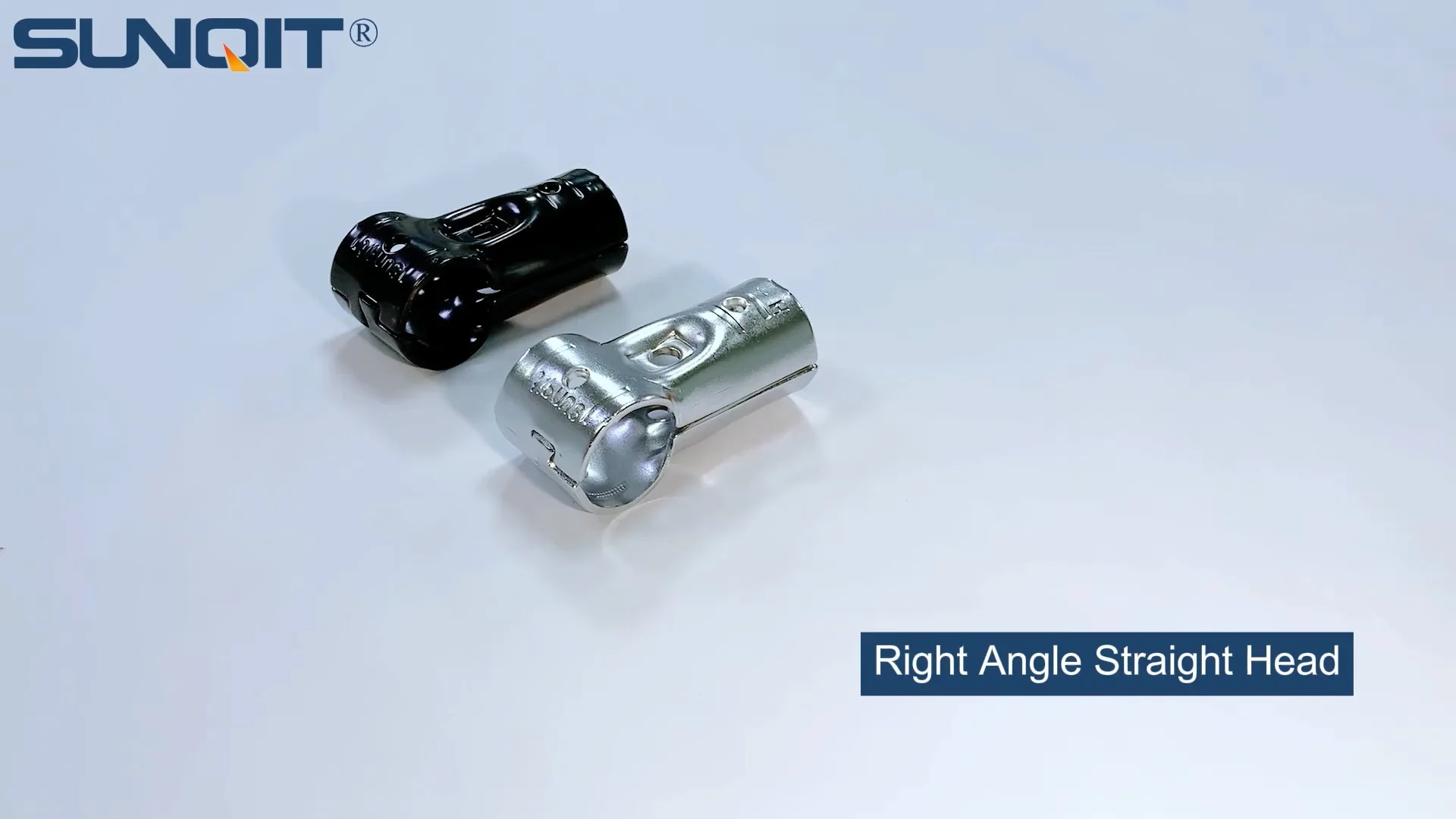
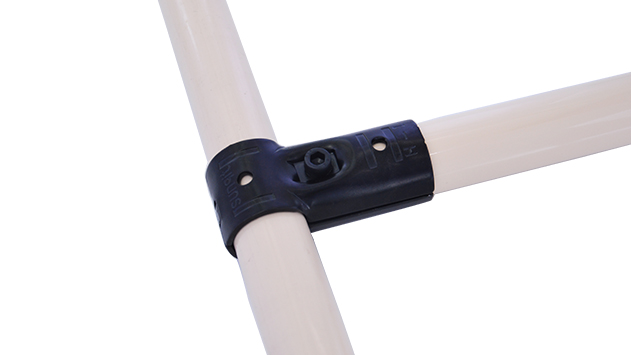
Two way lean pipe joint for 2 pcs 28MM lean pipe connection in straight angle, which used widely in workbench, flow rack, hand trolley frame connection.
In an era where industries worldwide are grappling with the dual challenges of operational efficiency and environmental responsibility, the manufacturing sector stands at a critical crossroads. For decades, the focus has largely been on maximizing output and minimizing costs, often at the expense of the planet. But today, a new paradigm is emerging—one that recognizes sustainability not as a buzzword, but as a core component of long-term success. At the heart of this shift lies the concept of lean system thinking, a philosophy that prioritizes waste reduction, process optimization, and resource efficiency. Yet, while much has been said about lean methodologies and their impact on workflow, far less attention has been paid to the physical building blocks that make these systems possible. Enter the humble yet indispensable two way lean pipe joint—a small component with a surprisingly large role to play in driving sustainability in manufacturing. In this article, we'll explore how this unassuming part, alongside materials like aluminum lean pipe and stainless steel pipe series, is reshaping the industry's environmental footprint, one joint, one pipe, and one recycled resource at a time.
1. Lean Systems: Beyond Efficiency—A Foundation for Sustainability
Before diving into the specifics of the two way lean pipe joint, it's essential to understand the broader context of lean systems and why they matter for the environment. Coined by Toyota in the mid-20th century, lean manufacturing was initially defined by its "five principles": value, value stream, flow, pull, and perfection. At its core, lean is about eliminating waste—whether that's excess inventory, unnecessary movement, or idle time. But in recent years, this definition has expanded to include environmental waste, too. Today, a truly lean system doesn't just optimize production lines; it minimizes the use of raw materials, reduces energy consumption, and limits the generation of waste that ends up in landfills.
This shift toward eco-conscious lean thinking is driven by both external pressures (regulatory demands, consumer expectations) and internal incentives (cost savings from reduced material use, improved brand reputation). For instance, a 2023 report by the Manufacturing Sustainability Council found that companies implementing lean systems with sustainability in mind reduced their carbon emissions by an average of 22% and cut material costs by 18% over five years. These numbers aren't coincidental—they reflect a fundamental truth: efficiency and sustainability are not opposing goals; they're two sides of the same coin. And when it comes to building these sustainable lean systems, the choice of components matters just as much as the processes they support.
Consider, for example, a traditional manufacturing setup reliant on fixed, welded steel structures. When production needs change—say, a new product line is introduced or a workflow is reorganized—these rigid structures often become obsolete. They're either scrapped (adding to landfill waste) or require significant energy and resources to modify. In contrast, lean systems are built on modularity: they use pipes, joints, and accessories that can be easily assembled, disassembled, and reconfigured. This flexibility isn't just good for adaptability; it's good for the planet. By designing systems that can evolve with changing needs, manufacturers avoid the "build-and-discard" cycle, reducing both material waste and the environmental impact of production.
2. The Two Way Lean Pipe Joint: A Small Component with a Big Sustainability Punch
What Is a Two Way Lean Pipe Joint?
At first glance, a two way lean pipe joint might seem like little more than a metal connector. Its primary function is straightforward: to join two lengths of lean pipe at a fixed angle (typically 90 degrees, though some designs allow for adjustability), forming the framework of workbenches, flow racks, conveyors, or material carts. But to dismiss it as "just a joint" is to overlook its role as the linchpin of modular lean systems. Unlike welded connections or permanent adhesives, these joints create secure yet bonds, allowing entire structures to be taken apart and reimagined with minimal effort.
Most two way lean pipe joints are made from durable materials like aluminum or stainless steel—choices that are deliberate, not arbitrary. Aluminum, in particular, offers a unique blend of strength, lightness, and recyclability, making it ideal for sustainable manufacturing. Stainless steel, too, brings corrosion resistance and longevity to the table, ensuring that joints can withstand the wear and tear of industrial environments without degrading quickly. These material choices directly contribute to the joint's sustainability credentials, but it's the joint's design that truly sets it apart as an eco-friendly component.
Modularity and the "Reuse, Don't replace" Mentality
Imagine a electronics assembly plant that needs to reconfigure its production line to accommodate a smaller, more compact device. With a traditional fixed steel workbench, this might mean ordering new materials, hiring welders, and disposing of the old structure. With a lean system built using two way lean pipe joints and aluminum lean pipe, however, the process is vastly different. Workers can simply loosen the joints, disassemble the existing framework, and reassemble the pipes into a new configuration—no new materials needed, no waste generated. This "reuse, don't replace" model is the cornerstone of the joint's environmental impact. By enabling quick, tool-free modifications, the two way lean pipe joint extends the lifespan of the entire lean system, reducing the demand for virgin raw materials and the energy required to produce them.
But modularity isn't the only sustainability benefit. The precision engineering of these joints also ensures a tight, secure fit, reducing the need for replacement due to looseness or failure. A well-made two way lean pipe joint can last for decades, even in high-use environments, meaning fewer joints end up in landfills over time. When they do eventually reach the end of their lifespan, their metal construction (aluminum or stainless steel) ensures they're not destined for permanent waste—they're recyclable, closing the loop on the material lifecycle.
3. Recyclability: The Material Story Behind Sustainable Lean Systems
Aluminum Lean Pipe: The Gold Standard for Recyclability
To truly appreciate the environmental impact of lean system components, we must look at the materials they're made from—and few materials shine brighter in the sustainability spotlight than aluminum. Aluminum lean pipe, a common choice for modern lean systems, boasts an impressive recyclability rate of 95% or higher. What does that mean, exactly? When an aluminum pipe or joint reaches the end of its useful life, it can be melted down, purified, and reshaped into new products with virtually no loss in quality. This is a stark contrast to materials like plastic, which degrade with each recycling cycle, or even traditional steel, which loses structural integrity after multiple reprocessing steps.
The energy savings associated with aluminum recycling are equally compelling. Producing aluminum from recycled scrap requires just 5% of the energy needed to produce it from bauxite ore, the primary raw material. To put that in perspective: recycling one ton of aluminum saves approximately 14,000 kWh of electricity—enough to power an average household for over a year. For manufacturers, this translates to lower carbon emissions and reduced reliance on fossil fuels, aligning with global efforts to combat climate change. It's no wonder that leading lean pipe suppliers now prioritize aluminum lean pipe in their product lines, marketing it not just for its strength and lightness, but for its environmental credentials.
Stainless Steel Pipe Series: Durability Meets Recyclability
While aluminum takes the lead in recyclability efficiency, stainless steel is no slouch in the sustainability department. The stainless steel pipe series, often used in lean systems where corrosion resistance or higher load capacity is required (e.g., food processing or heavy machinery assembly), offers its own set of environmental benefits. Stainless steel is 100% recyclable, and unlike some metals, it can be recycled repeatedly without losing its unique properties—thanks to its alloy composition, which includes chromium, nickel, and molybdenum. In fact, approximately 60% of new stainless steel is made from recycled content, a testament to its circular lifecycle.
The longevity of stainless steel further enhances its sustainability. A stainless steel two way lean pipe joint, for example, can withstand exposure to moisture, chemicals, and heavy use for 20 years or more, reducing the frequency of replacement. When it does finally need to be retired, it joins the global stainless steel recycling stream, where it will be melted down and transformed into new products—perhaps another joint, a kitchen appliance, or even a medical instrument. This closed-loop system minimizes waste and ensures that the resources invested in producing stainless steel are maximized over time.
| Material Type | Recyclability Rate (%) | Energy Saved vs. Virgin Production (%) | Common Applications in Lean Systems |
|---|---|---|---|
| Aluminum Lean Pipe | 95+ | 95 | Workbenches, light-duty flow racks, material carts |
| Stainless Steel Pipe Series | 100 | 75 | Heavy-duty conveyors, corrosion-resistant workstations |
| Traditional Carbon Steel (Uncoated) | 60-70 | 60 | Older fixed structures, non-modular frameworks |
| Plastic-Coated Lean Pipe (1.2mm PE Coated) | 30-40* | 10-15 | Temporary or low-cost structures (phasing out in eco-conscious setups) |
*Note: Plastic-coated pipes have lower recyclability due to the difficulty of separating plastic coatings from metal cores.
Lean Pipe and Accessories: A System Approach to Sustainability
The two way lean pipe joint doesn't exist in isolation—it's part of a broader ecosystem of lean pipe and accessories that collectively drive sustainability. From caster wheels and roller tracks to end caps and connectors, each component is designed with modularity and recyclability in mind. Take, for example, aluminum guide rails or roller track connectors: like the two way joint, these accessories are made from aluminum or stainless steel, ensuring they can be recycled at the end of their life. Even small parts, such as plastic roller track guide rails (often made from recycled plastic), are chosen for their durability and potential for reuse in other applications.
This system-wide approach to sustainability is what makes lean systems so powerful. When every component is designed to be recyclable, reusable, or both, the environmental impact of the entire system is minimized. A workbench built with aluminum lean pipe, two way lean pipe joints, and stainless steel roller tracks isn't just a tool for efficiency—it's a statement of commitment to the planet. It says that sustainability isn't an afterthought; it's baked into the very structure of how things are made.

4. Longevity and Reusability: Extending the Lifespan of Lean Systems
Recyclability is a critical pillar of sustainability, but it's only part of the story. To truly minimize environmental impact, we must also maximize the lifespan of the products we create. This is where the two way lean pipe joint and its modular counterparts excel. Unlike disposable or short-lived components, lean pipe and accessories are built to last—and to be reused.
Consider a scenario where a manufacturer needs to downsize its production floor. A traditional fixed workbench would likely be sold (at a loss) or discarded. A lean workbench, however, can be disassembled into its individual pipes, joints, and accessories. These components can then be stored until needed, repurposed into a smaller workbench, or even sold to another manufacturer. This reusability reduces the demand for new materials and prevents functional components from ending up in landfills prematurely. In fact, a 2022 survey of lean system users found that 72% reported reusing at least 50% of their old lean components when restructuring their operations—a statistic that speaks to the practical value of modular design.
The durability of materials like aluminum and stainless steel further supports longevity. An aluminum lean pipe, for example, is resistant to dents and scratches, and its lightweight nature reduces stress on joints and connections, prolonging their life. Stainless steel components, as mentioned earlier, resist corrosion, making them ideal for harsh environments where other materials would degrade quickly. Even when components do show signs of wear—say, a caster wheel becomes worn or a roller track loses its smoothness—they can often be repaired or replaced individually, without scrapping the entire system. This "repair, don't replace" mindset is central to sustainable manufacturing, as it ensures that resources are invested in maintaining existing assets rather than constantly acquiring new ones.

5. Real-World Impact: How Lean Components Drive Sustainable Change
To ground these concepts in reality, let's look at a case study of a mid-sized electronics manufacturer based in the Midwest. Five years ago, the company was struggling with two challenges: inefficient workflows and mounting pressure from customers to reduce its environmental footprint. Its production lines relied on fixed steel workbenches and custom-built material racks, which made it difficult to adapt to new product designs. When the company decided to transition to a lean system, it partnered with a lean pipe supplier specializing in sustainable components—specifically, aluminum lean pipe, two way lean pipe joints, and stainless steel roller tracks.
The results were transformative. In the first year alone, the company reduced its material waste by 40% by reconfiguring existing lean components instead of building new structures. When it launched a new smartphone model, 90% of the old assembly line components were repurposed into the new line, saving approximately $75,000 in material costs. Over five years, the switch to aluminum and stainless steel components led to a 25% reduction in carbon emissions from manufacturing, primarily due to lower energy use in production and reduced waste disposal. Perhaps most telling, the company's sustainability report now highlights its lean system as a key selling point for eco-conscious clients, driving a 15% increase in new business.
This case study isn't an anomaly. From automotive plants in Europe to textile factories in Asia, manufacturers are discovering that the choice to build lean systems with sustainable components like the two way lean pipe joint isn't just good for the planet—it's good for business. It reduces costs, enhances flexibility, and aligns with the growing consumer and regulatory demand for environmentally responsible practices.
6. Conclusion: The Future of Sustainable Manufacturing—One Joint at a Time
As we've explored, the two way lean pipe joint is more than just a connector—it's a symbol of a larger shift in manufacturing: a shift toward systems that value efficiency, adaptability, and sustainability equally. When paired with materials like aluminum lean pipe and stainless steel pipe series, and supported by a modular design philosophy, these joints form the backbone of lean systems that minimize waste, maximize resource use, and reduce environmental impact.
The road to sustainable manufacturing is not without its challenges. It requires investment in better components, a willingness to rethink traditional processes, and a commitment to long-term thinking over short-term gains. But as the case studies and data show, the rewards are well worth it. By choosing components that are recyclable, reusable, and durable—components like the two way lean pipe joint—manufacturers can build systems that not only boost their bottom line but also contribute to a healthier planet.
In the end, sustainability in manufacturing isn't about grand gestures or sweeping policy changes (though those are important). It's about the cumulative impact of thousands of small choices: the decision to use aluminum instead of plastic, to design for disassembly instead of disposal, and to prioritize longevity over convenience. The two way lean pipe joint may be small, but in making that choice, manufacturers take a big step forward—toward a future where efficiency and sustainability go hand in hand, and where every component tells a story of responsibility, innovation, and care for the world we all share.