- Company Articles
- Industry articles
- Industry standards
- Using Castor Fixed Plates for Medical Equipment Carts: Compliance Tips

Using Castor Fixed Plates for Medical Equipment Carts: Compliance Tips
Related Product
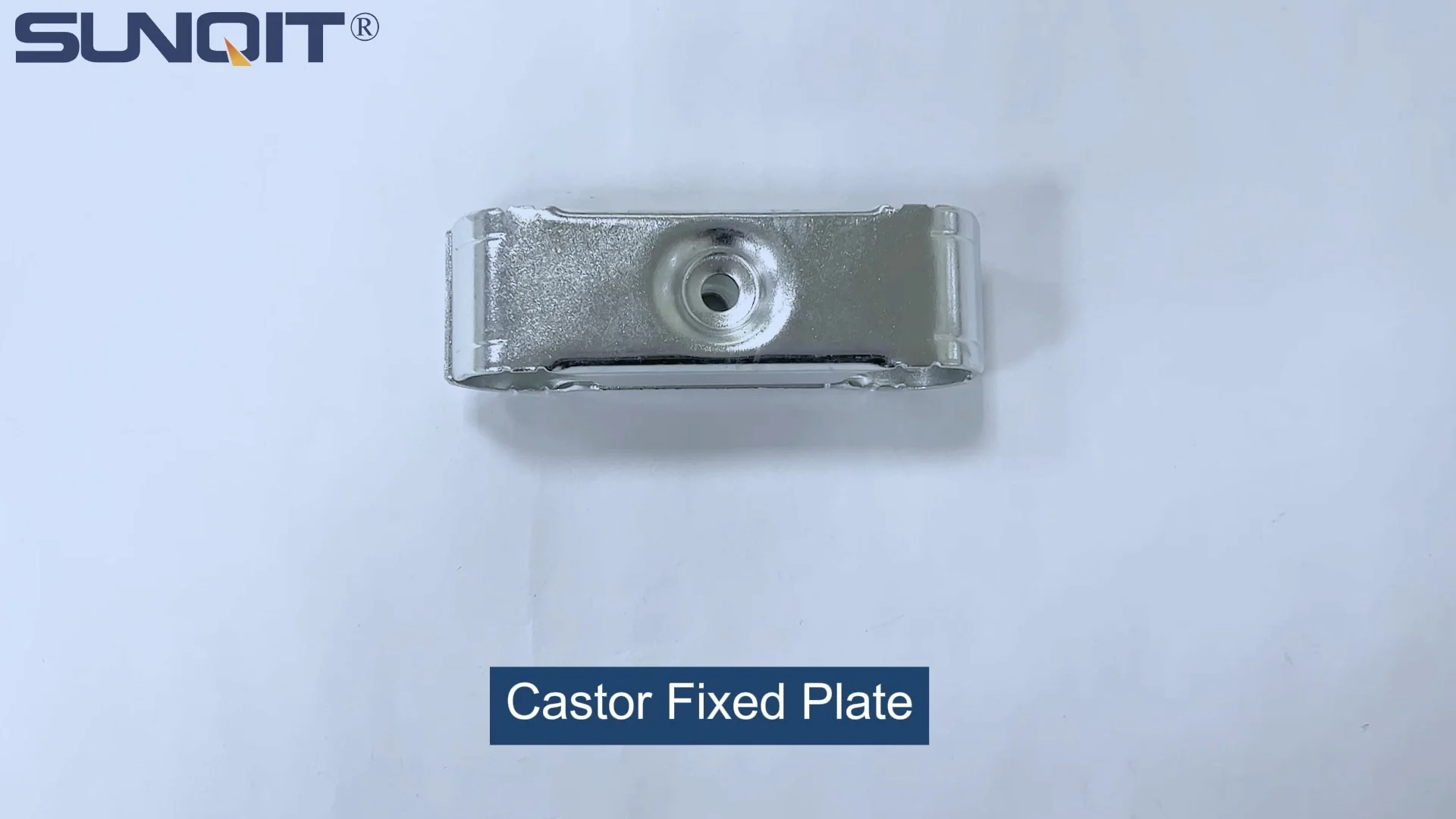
Castor Fixed Plate
Castor fixed plate, used for castor installation, one castor need two pcs castor plate to fix under the workbench, flow rack, and hand trolley.
In the fast-paced world of healthcare, every piece of equipment plays a silent but critical role in patient care—including the humble medical equipment cart. From transporting medication and surgical tools to supporting vital monitors, these carts are the workhorses of hospitals, clinics, and labs. But what keeps them moving smoothly, safely, and in line with strict regulatory standards? Often, it's the small, unassuming components that make the biggest difference. One such component is the caster fixed plate —a seemingly simple part that secures caster wheels to the cart frame, ensuring stability, mobility, and compliance with healthcare regulations. In this article, we'll dive into why caster fixed plates matter for medical carts, how to select and install them to meet compliance requirements, and best practices for maintenance. Along the way, we'll touch on key considerations like material selection (hint: stainless steel pipe series and aluminum profile play a role here), load capacity, and infection control—all while keeping patient safety at the forefront.
Why Compliance Matters in Healthcare Equipment Design
Before we zoom in on caster fixed plates, let's step back and understand why compliance is non-negotiable in healthcare. Unlike other industries, healthcare operates under a microscope of regulations designed to protect patients, staff, and the integrity of care. A single misstep—whether in equipment design, maintenance, or material selection—can lead to serious consequences: patient harm, infection outbreaks, regulatory fines, or even the loss of operational licenses. For medical equipment carts, compliance isn't just about checking boxes; it's about creating an environment where mobility and safety coexist seamlessly.
Consider this: A medication cart with loosely attached casters might drift unexpectedly, causing a nurse to spill sterile supplies. Or a cart used in an operating room with a corroded caster fixed plate could harbor bacteria, increasing the risk of surgical site infections. These scenarios aren't just hypothetical—they're why organizations like the FDA (Food and Drug Administration) and ISO (International Organization for Standardization) have strict guidelines for medical devices and their components. For example, the FDA's Quality System Regulation (QSR) mandates that all medical equipment meet "current good manufacturing practices" (cGMP), while ISO 13485 sets standards for quality management systems specific to medical devices. Even seemingly minor parts like caster fixed plates must align with these standards to ensure the carts they support are safe, durable, and fit for purpose.
Understanding Castor Fixed Plates: The Unsung Heroes of Cart Stability
At first glance, a caster fixed plate might look like little more than a metal bracket. But its role is far more critical than its appearance suggests. Simply put, a caster fixed plate is the bridge between the cart's frame and its caster wheels. It distributes the cart's load evenly across the casters, prevents wobbling or tipping, and ensures that the wheels remain securely attached—even when the cart is moving over uneven hospital floors or carrying heavy loads (think: stacks of patient records, IV fluids, or diagnostic equipment). Without a reliable fixed plate, casters can loosen, shift, or even detach, turning a useful tool into a safety hazard.
But not all caster fixed plates are created equal. Their design, material, and installation can vary widely, and these differences directly impact compliance. For example, a fixed plate made from low-grade steel might rust over time, creating crevices where bacteria thrive—a major issue in infection control. A plate that's too thin could bend under heavy loads, compromising the cart's stability. And a poorly designed plate might make it impossible to properly clean around the caster, violating standards for hygiene in sterile environments. In short, the caster fixed plate is the foundation of a cart's compliance—it's where safety, durability, and regulatory adherence start.

Key Compliance Standards for Caster Fixed Plates
To ensure your medical equipment carts meet regulatory requirements, it's essential to understand which standards apply to caster fixed plates. While regulations can vary by region, three sets of guidelines are universally critical:
1. FDA's Quality System Regulation (QSR) and Medical Device Reporting (MDR)
The FDA's QSR (21 CFR Part 820) applies to all manufacturers of medical devices, including components like caster fixed plates used in carts that fall under the "medical device" category (e.g., carts for medication administration, surgical instruments, or patient monitoring equipment). Under QSR, manufacturers must document that their fixed plates are designed for their intended use, tested for durability, and made from materials that won't leach harmful substances. If a fixed plate fails and causes harm, the manufacturer (and the healthcare facility using the cart) may be required to report it under the FDA's Medical Device Reporting (MDR) system—making traceability and quality control paramount.
2. ISO 13485: Quality Management for Medical Devices
ISO 13485 is an international standard that outlines requirements for quality management systems in the medical device industry. It goes beyond basic quality control to emphasize risk management, process validation, and customer satisfaction. For caster fixed plates, ISO 13485 requires that materials are selected based on the cart's intended use (e.g., sterile vs. non-sterile environments), that manufacturing processes are consistent, and that there's evidence of testing to confirm load capacity and resistance to wear. For healthcare facilities, working with suppliers who are ISO 13485 certified can simplify compliance, as it ensures the fixed plates (and other caster accessories ) meet global standards.
3. IEC 60601 (for Electrical Medical Equipment Carts)
For carts that support electrical equipment (e.g., mobile ultrasound machines, portable X-ray units), the International Electrotechnical Commission's IEC 60601 standard applies. This standard focuses on electrical safety and electromagnetic compatibility (EMC), but it also has implications for mechanical components like caster fixed plates. For example, a fixed plate that allows the cart to tip could cause the electrical equipment to fall, leading to injury or equipment damage. IEC 60601 requires that carts have a stable base, and the fixed plate plays a key role in achieving this stability by ensuring the casters are positioned to prevent tipping—even when the cart is loaded to its maximum capacity.

Material Selection: Choosing the Right Metal for Compliance
One of the most critical decisions in selecting a caster fixed plate is the material. In healthcare, materials must meet two primary goals: they must be durable enough to withstand daily use, and they must be easy to clean and resistant to corrosion (to prevent infection). Two materials stand out for caster fixed plates: stainless steel and aluminum. Let's break down their pros, cons, and compliance implications in the table below:
| Material | Key Properties | Compliance Advantages | Limitations | Ideal Applications |
|---|---|---|---|---|
| Stainless Steel (e.g., 304 or 316 grade) | High strength, corrosion-resistant, non-porous surface, easy to sterilize | Meets FDA and ISO requirements for biocompatibility; resistant to harsh disinfectants; no rust, reducing bacterial harborages | Heavier than aluminum; may add weight to carts with strict load limits | Sterile environments (ORs, ICUs), carts carrying heavy loads, areas with frequent exposure to liquids (e.g., patient rooms, labs) |
| Aluminum (Anodized) | Lightweight, corrosion-resistant (when anodized), good strength-to-weight ratio | Lightweight design reduces operator fatigue; anodized coating resists chemicals; compatible with ISO 13485 standards | Less durable than stainless steel under extreme loads; anodized layer can scratch, creating potential bacterial sites if not maintained | Light-duty carts (e.g., mobile workstations, medication carts with moderate loads), areas where cart weight is a priority |
Stainless steel, particularly grades 304 (general purpose) and 316 (marine-grade, more resistant to salt and chemicals), is the gold standard for healthcare. Its non-porous surface makes it easy to wipe down with disinfectants like bleach or alcohol, and its resistance to corrosion means it won't develop rust spots that could trap bacteria. This aligns perfectly with infection control guidelines from organizations like the CDC, which emphasize the importance of "smooth, non-absorbent surfaces" in healthcare equipment. For carts used in sterile environments like operating rooms, stainless steel fixed plates are often mandatory.
Aluminum, on the other hand, is a strong contender for lighter-duty applications. When anodized (a process that creates a protective oxide layer on the surface), aluminum becomes corrosion-resistant and easy to clean. It's also significantly lighter than stainless steel, which can reduce strain on staff pushing carts long distances. However, aluminum is less rigid than stainless steel, so it may not be suitable for carts carrying very heavy loads (e.g., carts with multiple monitors or large medical devices). Additionally, if the anodized layer is scratched, the underlying aluminum can oxidize, creating a rough surface that's harder to clean—so regular inspection is key.

Installation Best Practices: Getting It Right the First Time
Even the highest-quality caster fixed plate won't meet compliance standards if it's installed incorrectly. Poor installation can lead to loose casters, uneven weight distribution, or gaps between the plate and the cart frame—all of which pose safety and hygiene risks. Here are the best practices to ensure your fixed plates are installed to code:
1. Use the Right Caster Accessories
Caster fixed plates don't work alone—they rely on (fittings) like bolts, nuts, and washers to secure them to the cart frame. Using the wrong accessories can compromise the plate's integrity. For example, using a bolt that's too short might not fully engage with the frame, causing the plate to loosen over time. Using a washer made from a different metal than the plate could lead to galvanic corrosion (a reaction between dissimilar metals in the presence of moisture). To avoid this, always use accessories recommended by the plate manufacturer—preferably ones made from the same material (e.g., stainless steel bolts for stainless steel plates) and designed to withstand the cart's maximum load.
2. Torque Bolts to Manufacturer Specifications
Over-tightening or under-tightening bolts is a common installation mistake. Under-tightening can cause the plate to shift, leading to wobbling casters. Over-tightening can strip the threads, warp the plate, or crack the cart frame—all of which weaken the connection. To get it right, use a torque wrench and follow the manufacturer's recommended torque settings. For example, a stainless steel plate mounted to an aluminum profile cart frame might require 15-20 Nm of torque, while a heavier plate on a steel frame could need 25-30 Nm. Documenting these torque settings is also key for compliance audits—regulators often ask for proof that installations followed manufacturer guidelines.
3. Ensure Proper Alignment
Caster fixed plates must be aligned parallel to the cart's frame and perpendicular to the caster stem to ensure even weight distribution. A misaligned plate can cause the caster to swivel unevenly, leading to premature wear or the cart pulling to one side. To check alignment, place a straightedge along the cart frame and the plate—there should be no gaps. If the plate is misaligned, loosen the bolts slightly, adjust, and retighten. This step is especially important for carts that need to move smoothly in tight spaces, like hospital corridors or between patient beds.
4. Minimize Gaps and Crevices
In healthcare, any gap or crevice is a potential hiding spot for bacteria. During installation, ensure there are no spaces between the fixed plate and the cart frame, or between the plate and the caster. Even a small gap can trap dirt, blood, or other debris, making it impossible to fully clean the area. If gaps are unavoidable (e.g., due to frame irregularities), consider using a food-grade silicone sealant that's compatible with disinfectants. Just be sure the sealant is approved for medical use—some low-quality sealants can degrade when exposed to harsh cleaners, releasing harmful chemicals.
Maintenance and Inspection: Keeping Compliance Alive
Compliance isn't a one-and-done task—it requires ongoing maintenance. A well-installed caster fixed plate can still fail if it's not regularly inspected and maintained. Here's how to keep your plates (and carts) in compliance:
1. Schedule Regular Inspections
Create a checklist for inspecting caster fixed plates during routine cart maintenance. Items to include: signs of corrosion or rust, loose bolts, bent or warped plates, gaps between the plate and frame, and wear on the plate's surface (e.g., scratches that could harbor bacteria). How often should inspections happen? In high-use areas like ERs or ORs, weekly checks are ideal. In lower-use areas, monthly inspections may suffice. Document each inspection—date, inspector name, findings, and any repairs made. This documentation is critical for passing regulatory audits, as it proves you're proactive about safety.
2. Clean with Compatible Disinfectants
Healthcare facilities use a variety of disinfectants, from quaternary ammonium compounds to hydrogen peroxide. Not all materials can withstand these chemicals—for example, some aluminum plates might discolor if exposed to bleach-based cleaners. Always check the manufacturer's guidelines for compatible disinfectants, and avoid abrasive tools (like steel wool) that can scratch the plate's surface. For stainless steel plates, a soft cloth and mild detergent (followed by a disinfectant) are usually sufficient. For aluminum plates, avoid acidic cleaners, which can eat away at the anodized layer.
3. replace Worn or Damaged Plates Promptly
Even the best plates wear out over time. If an inspection reveals a bent plate, stripped bolts, or significant corrosion, replace it immediately. Delaying replacement puts patients and staff at risk and could lead to non-compliance. When replacing, always use a plate that's identical to the original (same material, size, load rating) unless you've conducted a formal risk assessment to justify a different model. Keep spare plates and caster accessories on hand to minimize downtime—you don't want a cart out of service because a replacement plate isn't available.
4. Pair with Adjustable Leveling Feet for Added Stability
While caster fixed plates ensure mobility, adjustable leveling feet provide stability when the cart is stationary. Many medical carts come with both casters and leveling feet, and the two work together to keep the cart secure. When the cart is in use (e.g., during medication preparation), the leveling feet are lowered to lift the casters slightly off the ground, preventing movement. When it's time to move, the feet are raised, and the casters take over. For compliance, ensure the leveling feet are installed and adjusted correctly—they should contact the floor evenly, with no rocking. This not only enhances safety but also reduces stress on the caster fixed plates, extending their lifespan.
Common Compliance Pitfalls to Avoid
Even with the best intentions, healthcare facilities can stumble when it comes to caster fixed plates. Here are three common pitfalls and how to steer clear of them:
1. Using "Generic" Plates to Save Costs
It might be tempting to buy cheap, off-the-shelf caster fixed plates to cut costs, but this is a risky move. Generic plates may not meet FDA or ISO standards for material quality or load capacity. For example, a generic steel plate might not be stainless steel, leading to rust. Or it might not be tested for the weight of a fully loaded medication cart, leading to failure. Always purchase plates from reputable suppliers who can provide documentation of compliance (e.g., material certificates, test reports, ISO 13485 certification). The upfront cost is far less than the price of a regulatory penalty or a patient safety incident.
2. Ignoring Manufacturer Recalls
Caster fixed plates, like any component, can be subject to recalls if defects are discovered. For example, a manufacturer might recall a batch of plates due to weak welds or incorrect torque specifications. Failing to act on a recall puts your facility at risk of non-compliance and safety issues. To stay informed, sign up for manufacturer newsletters, follow the FDA's recall database, and maintain a list of all components used in your carts (including model numbers and serial numbers). This makes it easy to identify which carts need replacement plates if a recall occurs.
3. Skipping Staff Training
Your caster fixed plates are only as compliant as the staff who install and maintain them. If your team isn't trained on proper installation, inspection, or cleaning protocols, mistakes will happen. For example, a new technician might not know to use a torque wrench, leading to under-tightened bolts. A nurse might use a harsh cleaner on an aluminum plate, causing corrosion. Invest in regular training sessions that cover the basics of caster fixed plates, compliance standards, and best practices. Include hands-on demonstrations and quizzes to ensure understanding—this not only reduces errors but also empowers staff to take ownership of safety.
Case Study: How One Hospital Improved Compliance with Better Caster Fixed Plates
To put these tips into context, let's look at a real-world example. A mid-sized hospital in the Midwest was struggling with frequent issues related to its medication carts: casters would loosen, carts would tip when loaded, and staff reported difficulty maneuvering them through narrow corridors. During a routine FDA inspection, the hospital was cited for "inadequate maintenance of mobile equipment," with specific mention of "loose caster attachments." The citation required the hospital to take corrective action within 30 days or face fines.
The hospital's facilities team conducted an audit and discovered that the carts were using generic steel caster fixed plates that were prone to rusting and bending under load. They partnered with a supplier specializing in healthcare-grade components and switched to 316-grade stainless steel fixed plates, paired with stainless steel bolts and caster accessories . They also trained their maintenance staff on proper torque settings and inspection protocols, and implemented a weekly checklist for cart maintenance.
The results were striking: Within six months, caster-related incidents dropped by 85%. Staff reported fewer issues with cart stability, and cleaning staff noted that the stainless steel plates were easier to disinfect than the old steel ones. During a follow-up FDA inspection, the hospital received zero citations related to mobile equipment. The investment in high-quality caster fixed plates not only ensured compliance but also improved operational efficiency and staff satisfaction.
Conclusion: Small Part, Big Impact
In the grand scheme of healthcare, caster fixed plates may seem (insignificant), but their role in compliance and safety is undeniable. They're the quiet guardians of medical equipment carts, ensuring that these essential tools move safely, stay clean, and meet the strict standards that protect patients and staff. By prioritizing material quality (stainless steel or anodized aluminum), proper installation (using the right caster accessories and torque settings), regular maintenance, and staff training, healthcare facilities can turn these small components into powerful allies in compliance.
Remember: Compliance isn't about perfection—it's about attention to detail. It's about recognizing that even the smallest part can have a big impact on patient care. So the next time you see a medical cart gliding through a hospital corridor, take a moment to appreciate the caster fixed plate holding it all together. It's not just a bracket—it's a commitment to safety, quality, and the highest standards of healthcare.