- Company Articles
- Industry articles
- Industry standards
- Vertical Lean Pipe Joints in Medical Device Manufacturing: Compliance & Safety

Vertical Lean Pipe Joints in Medical Device Manufacturing: Compliance & Safety
Related Product
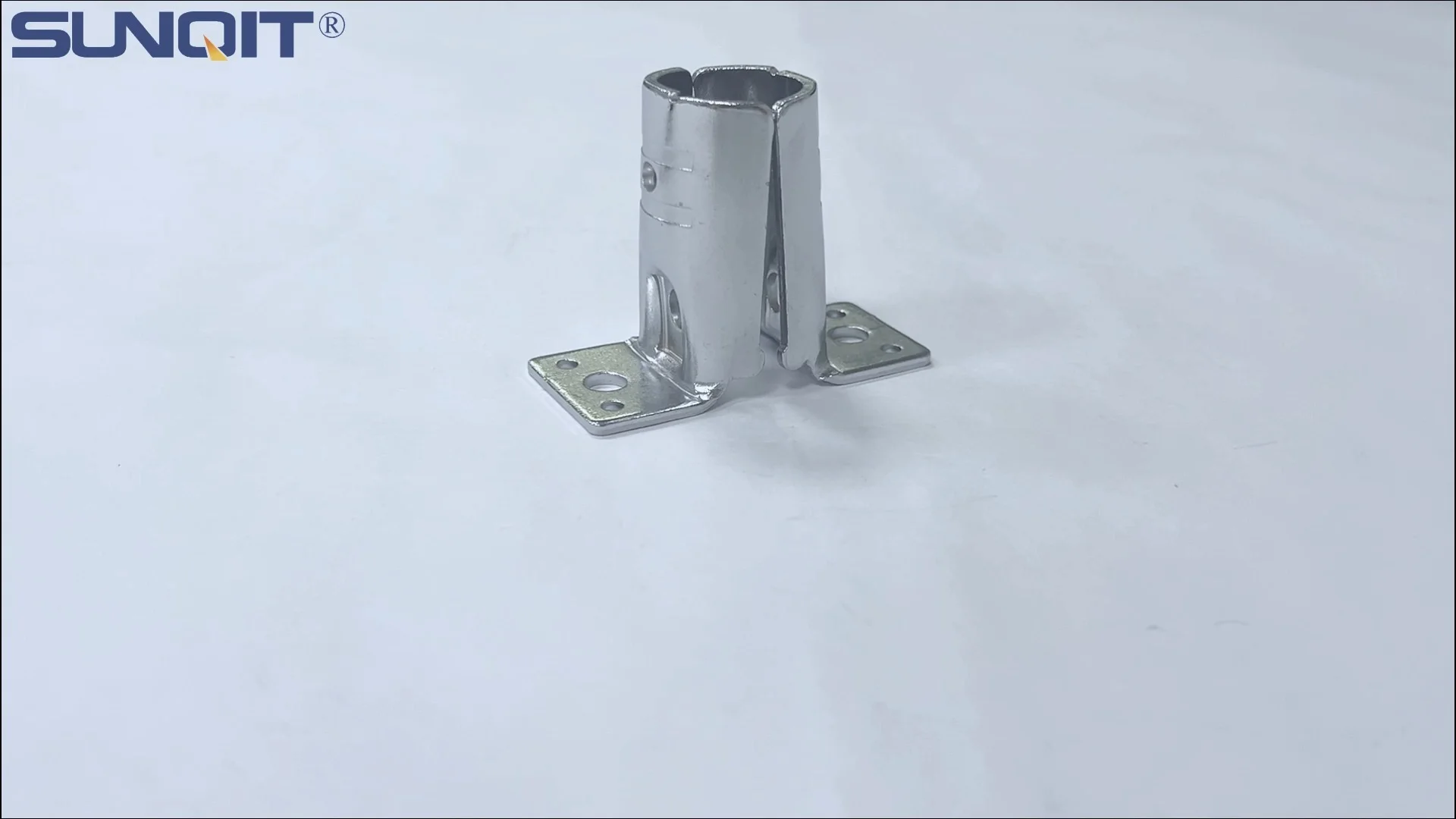
Vertical Lean Pipe Joint
Vertical lean pipe joint is used for 28mm lean pipe fixed on ground and keep it stable.
In the high-stakes world of medical device manufacturing, where a single misplaced component or momentary lapse in precision can impact patient lives, the tools and systems that form the backbone of production are far more than mere equipment. They are the silent guardians of quality, compliance, and safety. Among these unsung heroes are the humble yet critical components of lean manufacturing systems—specifically, vertical lean pipe joints. These unassuming connectors play a pivotal role in creating workspaces that are not only efficient but also inherently aligned with the rigorous standards that govern medical device production. Let's dive into how vertical lean pipe joints, when integrated into lean systems, workbench setups, and ESD workstations, become indispensable allies in maintaining compliance and ensuring safety.
Understanding Lean Systems in Medical Device Manufacturing: A Foundation for Excellence
Before we zero in on vertical lean pipe joints, it's essential to grasp the broader context of lean systems in medical device manufacturing. A lean system is more than just a buzzword; it's a philosophy centered on eliminating waste, streamlining processes, and fostering continuous improvement. In an industry where every second and every resource counts, lean principles—such as minimizing unnecessary movement, reducing inventory waste, and optimizing workflow—translate directly to higher quality products, lower costs, and, most importantly, enhanced patient safety.
Medical device manufacturing is unique in its demand for precision. Whether producing surgical instruments, implantable devices, or diagnostic equipment, the margin for error is nonexistent. Lean systems address this by creating structured, repeatable processes that leave little room for mistakes. But lean isn't just about efficiency; it's about building compliance into the very fabric of production. By standardizing workflows and reducing variability, lean systems make it easier to track components, document processes, and demonstrate adherence to regulatory requirements—something we'll explore in depth later.
Why Lean Matters in Medical Devices: Unlike consumer goods, medical devices directly impact human health. A poorly designed workflow or unstable workbench could lead to misaligned parts, contamination, or product defects. Lean systems mitigate these risks by prioritizing stability, cleanliness, and organization—qualities that vertical lean pipe joints, as core components, help enforce.
The Role of Vertical Lean Pipe Joints: More Than Just Connections
What Are Vertical Lean Pipe Joints?
At first glance, a vertical lean pipe joint might seem like a simple piece of hardware—a connector that joins pipes to form structures like workbenches, material racks, or assembly lines. But in the context of medical device manufacturing, these joints are engineered to meet far higher standards. Designed to securely fasten lean pipes (often made of aluminum, stainless steel, or coated steel) at vertical angles, they provide the structural integrity needed to support precise, repetitive tasks.
Imagine a workbench where a technician assembles a pacemaker. The surface must be stable, level, and resistant to movement—even during long shifts of meticulous work. A vertical lean pipe joint ensures that the bench's frame doesn't wobble, that shelves holding sensitive components don't sag, and that the entire structure remains consistent over time. This stability isn't just about convenience; it's about preventing micro-movements that could lead to misaligned parts or calibration errors in delicate devices.
Design Features Supporting Compliance and Safety
Modern vertical lean pipe joints are designed with medical manufacturing's unique challenges in mind. Let's break down their key features and how they contribute to compliance and safety:
- Secure Locking Mechanisms: Many vertical lean pipe joints use cam-action or set-screw designs that create a tight, vibration-resistant connection. In medical settings, where equipment may run 24/7, this prevents loosening over time—critical for avoiding sudden shifts that could damage components or disrupt workflows.
- Material Compatibility: Medical device facilities often require materials that are corrosion-resistant, easy to clean, and non-reactive. Vertical lean pipe joints are frequently made from stainless steel or anodized aluminum, materials that withstand frequent sanitization (a must for compliance with FDA cleanroom standards) and don't leach contaminants into the environment.
- Modularity: While modularity is a hallmark of lean systems, in medical manufacturing, it takes on added significance. Vertical lean pipe joints allow for quick reconfiguration of workspaces to adapt to new product lines or regulatory changes. For example, if a facility shifts from assembling small catheters to larger surgical tools, the same base frame can be adjusted using compatible joints, reducing the need for entirely new equipment—and simplifying validation processes for regulatory bodies.
- Ergonomic Alignment: Vertical lean pipe joints enable the creation of workbenches and ESD workstations that can be height-adjusted or customized to fit individual technicians. This reduces strain injuries, a critical safety consideration, but also ensures that workers can maintain consistent posture—another factor in minimizing errors during repetitive tasks.

Compliance: Meeting the Stringent Standards of Medical Device Production
Compliance in medical device manufacturing is non-negotiable. Regulatory bodies like the U.S. Food and Drug Administration (FDA) and the International Organization for Standardization (ISO) have established strict guidelines to ensure that devices are safe, effective, and reliable. Vertical lean pipe joints, though small, play a surprisingly large role in helping manufacturers meet these standards.
FDA Regulations and Quality Systems (QSR)
The FDA's Quality System Regulation (QSR), outlined in 21 CFR Part 820, mandates that medical device manufacturers maintain "a comprehensive system to control the design, manufacture, packaging, labeling, storage, installation, and servicing of medical devices." A key aspect of QSR is process validation —proving that production processes consistently produce devices that meet specifications. Vertical lean pipe joints support this by ensuring that production equipment (like workbenches and material racks) is stable and repeatable.
For example, consider a facility producing insulin pumps. The assembly workbench must hold components in precise positions to ensure proper wiring and sealing. A vertical lean pipe joint that loosens over time could cause the fixture holding the pump casing to shift, leading to inconsistent sealing and potential device failure. By providing a secure, long-lasting connection, these joints help validate that the assembly process remains stable batch after batch—critical for passing FDA inspections.
ISO 13485: Quality Management for Medical Devices
ISO 13485 is an international standard that specifies requirements for a quality management system (QMS) tailored to medical devices. It emphasizes risk management, traceability, and the ability to quickly identify and correct issues. Vertical lean pipe joints contribute to ISO 13485 compliance in several ways:
- Traceability: Reputable suppliers of vertical lean pipe joints provide detailed documentation, including material certificates and batch numbers. This allows manufacturers to trace every component of their production equipment back to its source—a requirement for ISO 13485's traceability clauses.
- Cleanability: ISO 13485 requires that production environments minimize the risk of contamination. Vertical lean pipe joints with smooth, crevice-free designs (common in stainless steel models) are easy to wipe down and sanitize, reducing the risk of bacterial growth or particulate buildup that could compromise device sterility.
- Risk Mitigation: The standard requires manufacturers to identify and mitigate risks in their processes. Unstable equipment is a known risk factor for product defects. By using vertical lean pipe joints that meet industry strength standards, manufacturers can demonstrate to auditors that they've taken proactive steps to reduce this risk.
A Comparative Look: Compliance Requirements and Lean System Support
To better understand how vertical lean pipe joints bridge the gap between lean efficiency and compliance, let's compare key regulatory requirements with the support provided by these components:
| Regulatory Requirement | How Vertical Lean Pipe Joints Support Compliance | Impact on Medical Device Safety |
|---|---|---|
| FDA QSR: Process Validation (21 CFR 820.75) | Stable, vibration-resistant connections ensure consistent workflow performance over time. | Reduces variability in device assembly, lowering the risk of defects like misaligned parts or faulty seals. |
| ISO 13485: Contamination Control (Clause 6.4.2) | Smooth, non-porous materials (e.g., stainless steel) resist bacterial growth and are easy to sanitize. | Prevents introduction of contaminants into sterile device environments, protecting patient safety. |
| EU MDR: Traceability (Article 18) | Supplier documentation includes batch numbers and material certifications for full traceability. | Enables quick identification of equipment components in the event of a recall or quality issue. |
| OSHA: Ergonomic Workplace Design (29 CFR 1910) | Modular joints allow for height-adjustable workbenches, reducing worker strain. | Minimizes human error due to fatigue, ensuring consistent assembly quality. |

Safety First: Protecting Products, Personnel, and Patients
While compliance is about meeting external standards, safety is about protecting what matters most: the people who build the devices, the products they create, and the patients who rely on them. Vertical lean pipe joints contribute to safety in ways that are both obvious and subtle, from preventing workplace accidents to safeguarding sensitive electronics from electrostatic discharge (ESD).
ESD Workstations: Shielding Sensitive Components
Many medical devices, such as pacemakers, neurostimulators, and diagnostic sensors, contain delicate electronic components that are highly susceptible to damage from electrostatic discharge. An ESD workstation is designed to dissipate static electricity, preventing it from reaching these components. But an ESD workstation is only as effective as its structure—and that's where vertical lean pipe joints come in.
An ESD workstation typically includes a conductive work surface, grounding straps, and a frame that channels static away from sensitive areas. Vertical lean pipe joints, when made from conductive materials (or paired with conductive coatings), ensure that the entire frame is electrically continuous. This means any static charge that builds up on the workstation is safely grounded, rather than arcing to nearby components. A loose or non-conductive joint could break this continuity, creating "hot spots" where static can accumulate—putting expensive, life-saving devices at risk.
Workbench Stability: Preventing Accidents and Errors
A workbench is the heart of medical device assembly. It's where technicians spend hours carefully placing components, soldering connections, and inspecting finished products. A wobbly or unstable workbench isn't just a nuisance; it's a safety hazard. A sudden shift could cause a technician to drop a sharp tool, spill cleaning solution, or misalign a critical part.
Vertical lean pipe joints address this by creating a rigid, load-bearing frame. Unlike traditional bolted connections, which can loosen over time, many vertical lean pipe joints use friction-based locking systems that tighten with use. This ensures that even under the weight of heavy equipment or repeated use, the workbench remains steady. For example, a workbench used to assemble MRI machine components—some of which weigh dozens of pounds—relies on vertical lean pipe joints to distribute that weight evenly, preventing collapse or tilting.
Material Compatibility: Avoiding Contamination and Corrosion
In medical device manufacturing, the materials used in production equipment are as important as the devices themselves. Many facilities use harsh cleaning agents or operate in humid environments, making corrosion resistance a must. Vertical lean pipe joints made from stainless steel or anodized aluminum resist rust and degradation, ensuring that they don't flake, chip, or release particles into the air—all of which could contaminate devices.
Additionally, these materials are non-reactive, meaning they won't interact with cleaning solutions or disinfectants. This is critical for maintaining a sterile environment, especially in facilities producing implantable devices. A joint made from low-quality steel, for example, might corrode when exposed to alcohol-based cleaners, creating a rough surface where bacteria can hide. Vertical lean pipe joints, designed with medical-grade materials, eliminate this risk.

Practical Applications: From Assembly Lines to Custom Workspaces
To truly appreciate the impact of vertical lean pipe joints, let's walk through a real-world scenario in a medical device manufacturing facility. Consider a production line for cardiac stents—tiny, mesh-like tubes that are inserted into arteries to keep them open. The assembly process requires extreme precision: each stent strut must be perfectly aligned, and the final product must be free of burrs or defects that could damage blood vessels.
The assembly line for these stents is built using a lean system, with workstations arranged in a U-shape to minimize movement. Each workstation is a custom workbench constructed from aluminum lean pipes and vertical lean pipe joints. The joints allow the bench to be height-adjusted for each technician, reducing shoulder and neck strain during long shifts. They also secure shelves that hold sterile packaging materials and tools, ensuring these items are always within easy reach (eliminating waste from unnecessary walking).
At one workstation, an ESD-protected area is used to handle the stent's electronic coating equipment. The vertical lean pipe joints here are made from conductive aluminum, ensuring the entire frame is grounded. This prevents static from damaging the delicate coating applicator, which must apply a uniform layer of medication to the stent's surface. Without these joints, the frame might develop static "dead zones," leading to uneven coating—and potentially, a stent that fails to release medication properly in the body.
Down the line, a material rack holds raw stent materials. Built with vertical lean pipe joints, the rack is designed to hold exactly the right amount of inventory (another lean principle), reducing overstock and waste. The joints' modularity means the rack can be expanded if production increases, avoiding the need for a new rack and simplifying the FDA validation process for the updated layout.
Choosing the Right Supplier: A Critical Partner in Compliance
While vertical lean pipe joints are critical components, their effectiveness depends largely on the supplier. Not all lean system suppliers are created equal, and in medical device manufacturing, cutting corners on components can lead to compliance failures, safety risks, and costly recalls. When selecting a lean system supplier , look for the following:
- Regulatory Expertise: The supplier should understand medical device regulations (FDA, ISO 13485, EU MDR) and be able to provide documentation proving their components meet these standards. Ask for material certificates, test reports, and case studies from other medical clients.
- Material Quality: Insist on medical-grade materials, such as 304 or 316 stainless steel, or anodized aluminum with RoHS compliance. Avoid suppliers who use generic or untested alloys.
- Customization Capabilities: Medical device production lines are rarely one-size-fits-all. A good supplier will work with you to design vertical lean pipe joints and lean systems tailored to your specific processes, whether you need extra-tall frames for large devices or compact joints for tight cleanroom spaces.
- After-Sales Support: Compliance is an ongoing process. Choose a supplier that offers training, maintenance guidance, and quick replacement of parts—critical for minimizing downtime if a joint needs to be replaced.
Conclusion: Building a Foundation for Safe, Compliant, and Efficient Medical Device Manufacturing
Vertical lean pipe joints may not be the most glamorous components in medical device manufacturing, but their impact is undeniable. By providing stability, modularity, and compliance-ready design, these small but mighty connectors help create lean systems that are not only efficient but also inherently safe and regulatory-friendly. From supporting ESD workstations that protect sensitive electronics to ensuring workbenches remain stable during critical assembly tasks, vertical lean pipe joints are the unsung heroes that bridge the gap between lean manufacturing principles and the life-saving precision of medical device production.
As medical device manufacturers continue to face evolving regulations and growing demand for innovative products, the role of vertical lean pipe joints will only become more critical. By investing in high-quality components, partnering with knowledgeable suppliers, and prioritizing both lean efficiency and compliance, manufacturers can build production systems that not only meet today's standards but also adapt to tomorrow's challenges—all while keeping patient safety at the forefront.