- Company Articles
- Industry articles
- Industry standards
- What Are the Lead Times for 2040 EU Standard Aluminum Profile Orders?

What Are the Lead Times for 2040 EU Standard Aluminum Profile Orders?
Related Product
2040 EU Standard Aluminum Profile
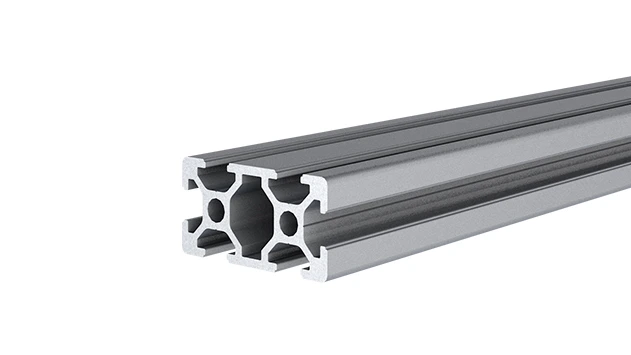
2040 is a 2.00 x 4.00CM fractional 20 series square extrusion T-slot profile with four open T-slots, two side with 2.00cm face, the other side with 4.00cm face. The profile has align-a-grooves to assist in aligning connecting profiles.
If you've ever managed a production floor, built a custom workbench, or set up a lean manufacturing system, you know that timing is everything. A delayed shipment of critical parts can throw off deadlines, disrupt workflows, and even increase costs as teams wait around for materials to arrive. One component that's become a workhorse in workshops and factories worldwide is the 2040 EU standard aluminum profile. Its versatility—fitting seamlessly into everything from assembly line workbenches to material racks—makes it a go-to choice for engineers and facility managers alike. But if you're planning to order this profile, there's one question that's likely top of mind: How long will it take to arrive?
In this article, we'll break down the lead times for 2040 EU standard aluminum profile orders, exploring the factors that influence delivery timelines, typical wait times from different types of suppliers, and tips to keep your projects on track. Whether you're a small business owner outfitting a garage workshop or a procurement manager sourcing parts for a large-scale manufacturing plant, understanding these lead times can help you plan better, avoid costly delays, and ensure your operations run smoothly.
First Things First: What Is 2040 EU Standard Aluminum Profile?
Before diving into lead times, let's make sure we're all on the same page about the star of the show: the 2040 EU standard aluminum profile. As the name suggests, this profile follows European union standards, with a cross-sectional dimension of 20mm (width) by 40mm (height). It's part of the broader family of aluminum extrusion profiles—products made by forcing heated aluminum billets through a die to create consistent, precise shapes. What sets the 2040 profile apart is its balance of strength and flexibility. Its T-slot design (grooves running along its length) allows it to connect with a wide range of aluminum profile accessories, from corner brackets and end caps to hinges and casters, making it easy to build modular, customizable structures.
You'll find 2040 profiles in all sorts of applications: workbenches for electronics assembly, material racks in warehouses, safety guards around machinery, and even custom shelving in retail spaces. Its popularity stems from two key traits: compatibility and durability. Since it adheres to EU standards, parts from different suppliers (like aluminum profile accessories or connectors) often work together without issues. And aluminum's natural resistance to corrosion means these profiles hold up well in busy, high-moisture environments—think food processing plants or outdoor workshops.
Why Lead Times for 2040 Profiles Matter
Lead time—the period between placing an order and receiving the goods—isn't just a number on a quote. It's a critical piece of your project timeline. For example, if you're building a new workbench using 2040 profiles and aluminum profile accessories, a two-week delay could mean your team is stuck using temporary, inefficient setups, slowing down production. For larger operations, a delayed shipment of profiles for a material rack could lead to inventory pileups, as there's nowhere to store incoming parts. In worst-case scenarios, missed deadlines due to late profiles might even result in lost contracts or penalties from clients.
That's why understanding lead times isn't just about curiosity—it's about risk management. By knowing what to expect, you can buffer your project schedules, communicate realistic timelines to stakeholders, and even negotiate with suppliers to prioritize your order if needed. Let's take a closer look at the factors that shape these lead times.

Key Factors That Influence Lead Times for 2040 Aluminum Profiles
No two orders are identical, and lead times for 2040 EU standard aluminum profiles can vary widely based on a handful of variables. Here's what to keep in mind:
- Raw Material Availability : Aluminum extrusion starts with raw aluminum billets—cylindrical blocks of aluminum that are heated and shaped. If a supplier has a stockpile of billets, they can start production faster. But if the market is tight (due to factors like increased demand for aluminum in automotive or construction industries), suppliers may need to wait to source billets, adding days or even weeks to lead times. This is especially true for specialty aluminum alloys or profiles with custom finishes, which require specific billet compositions.
- Production Capacity : Extrusion presses—the machines that shape aluminum billets into profiles—can only handle so much work at once. If a supplier's presses are running at full capacity (say, during peak manufacturing seasons like spring or fall), your order might get scheduled into the next available batch. Smaller suppliers with fewer presses may have longer lead times than larger manufacturers with more equipment.
- Customization Requirements : A "standard" 2040 profile is just that—standard. But many orders involve extra steps: cutting the profile to specific lengths, drilling holes for mounting accessories, anodizing (a process that adds a protective, decorative coating), or even custom colors. Each of these steps adds time. For example, basic cutting might add 1-2 days, while anodizing could take 3-5 days, depending on the queue at the finishing facility.
- Supplier Type : Are you ordering from a manufacturer (the company that actually extrudes the profiles) or a distributor (a middleman that stocks and resells profiles)? Manufacturers often have longer lead times but offer more customization, while distributors might have pre-cut, in-stock 2040 profiles that ship within days. Lean system suppliers, which specialize in turnkey solutions like workbenches or material racks, might fall somewhere in between—offering pre-configured 2040-based setups that balance customization and speed.
- Shipping and Logistics : Once the profiles are ready, they need to get to you. If you're ordering from a local supplier, ground shipping might take 1-3 days. But if you're sourcing from overseas (common for lower-cost options), ocean freight could add 3-6 weeks, plus time for customs clearance. Even domestic shipping can hit snags—weather delays, labor shortages at logistics companies, or peak holiday seasons (like the run-up to Christmas) can slow things down.
Typical Lead Time Ranges for 2040 EU Standard Aluminum Profiles
Now that we understand the factors at play, let's talk numbers. Lead times for 2040 profiles can range from as little as 2 days to as long as 8 weeks, depending on the scenario. Here's a breakdown of common scenarios:
| Order Type | Supplier Type | Typical Lead Time | Notes |
|---|---|---|---|
| Standard, in-stock 2040 profile (no customization) | Distributor or lean system supplier with local stock | 2-5 business days | Profiles are pre-cut to common lengths (e.g., 2m, 3m) and ready to ship. Ideal for replacements or small projects. |
| Standard profile, custom cut-to-length | Manufacturer or large distributor | 5-10 business days | Profiles are cut to your exact length (e.g., 1.23m) but require no additional. Lead time includes cutting and packaging. |
| Customized profile (anodized, drilled, or colored) | Manufacturer with in-house finishing | 2-4 weeks | Includes steps like anodizing (adds 3-5 days), drilling holes, or applying custom powder coating. Lead time depends on the complexity of customization. |
| Bulk order (1000+ profiles) with customization | Large manufacturer | 4-8 weeks | Bulk orders often require scheduling on extrusion presses, and customization for thousands of profiles takes longer. May include tooling setup for unique cuts or holes. |
| International order (imported from overseas) | Overseas manufacturer or distributor | 6-12 weeks | Includes production time (2-4 weeks) + ocean freight (3-6 weeks) + customs clearance (1-2 weeks). Risk of delays due to port congestion or documentation issues. |
It's important to note that these are averages. For example, a lean system supplier that specializes in pre-built workbenches might stock 2040 profiles with common modifications (like pre-drilled holes for aluminum profile accessories), shaving a few days off the lead time compared to a general manufacturer. Conversely, if a supplier is hit with a sudden surge in orders (say, during a post-holiday manufacturing boom), even standard profiles might take longer than usual.
How Supplier Type Affects Lead Times: Manufacturer vs. Distributor vs. Lean System Supplier
Not all suppliers are created equal, and the type of supplier you choose can have a big impact on how quickly you get your 2040 profiles. Let's compare three common types:
1. Manufacturers
Manufacturers are the companies that own the extrusion presses and produce the profiles from scratch. They're the best choice if you need large quantities, custom alloys, or unique finishes (like hard-anodized coatings for extra durability). However, their lead times are often the longest—especially for small orders—because they prioritize large batches to maximize press efficiency. For example, a manufacturer might only run a 2040 profile extrusion once every two weeks, meaning your order could wait in line until the next production run.
That said, manufacturers offer the most control over the final product. If you need profiles with tight tolerances (e.g., for precision machinery) or custom lengths down to the millimeter, a manufacturer is worth the wait.
2. Distributors
Distributors act as middlemen, buying large quantities of standard profiles from manufacturers and storing them in warehouses. They excel at speed—if you need a few 2040 profiles cut to length and shipped tomorrow, a distributor with local stock is your best bet. Many distributors also offer basic customization, like cutting or drilling, using in-house machinery, which can add just a day or two to lead times.
The tradeoff? Distributors typically have limited options for custom finishes or alloys. If you need a specialty profile (e.g., a 2040 profile with a unique slot design), you'll likely need to go back to a manufacturer.
3. Lean System Suppliers
Lean system suppliers occupy a middle ground. These companies specialize in building lean manufacturing solutions—think workbenches, material racks, and conveyor systems—using components like 2040 profiles and aluminum profile accessories. Because they order profiles in bulk, they often have stock on hand for common sizes and configurations. For example, if you order a "Workbench E (single deck-without caster)" (a popular pre-designed model), the supplier might already have the 2040 profiles cut and ready to assemble, reducing lead times to 1-2 weeks instead of starting from scratch.
Lean system suppliers are ideal if you're buying a complete system rather than just raw profiles. They handle the design, assembly, and shipping, saving you time and hassle. Plus, since they're experts in lean principles, they can often suggest ways to optimize your setup while keeping lead times reasonable.
Tips to Shorten or Manage Lead Times for Your Order
While some factors (like raw material shortages) are out of your control, there are steps you can take to keep your 2040 profile order on track—or even speed it up:
- Order Early (and Plan for Buffers) : This might seem obvious, but it's worth repeating. If your project starts in three months, order profiles today. Add a 1-2 week buffer to the supplier's quoted lead time to account for unexpected delays (e.g., a truck breakdown or a missed shipment).
- Stick to Standard Sizes When Possible : Custom lengths, colors, or finishes add time. If your design allows, use standard 2m or 3m lengths—suppliers are more likely to have these in stock.
- Communicate Clearly : When requesting a quote, specify all requirements upfront: length, quantity, finishes, and any additional (e.g., "100 pieces of 2040 EU profile, 1.5m long, with two 8mm holes drilled 50mm from each end"). Vague requests can lead to back-and-forth emails, delaying production.
- Ask About Rush Options : Many suppliers offer expedited production or shipping for an extra fee. For example, a manufacturer might prioritize your order for a 20% surcharge, cutting lead time from 4 weeks to 2. It's not cheap, but it can be worth it to avoid a project meltdown.
- Build Relationships with Suppliers : If you order profiles regularly, take the time to nurture relationships with your suppliers. A supplier who knows you're a reliable, repeat customer may be more willing to squeeze your order into a busy production schedule or alert you to potential delays early.
- Consider Local Suppliers : International suppliers may offer lower prices, but shipping times and customs delays can add weeks to lead times. For time-sensitive orders, a domestic supplier—even if slightly more expensive—might be the smarter choice.
Real-World Example: A Case Study in Lead Time Management
To put this all into context, let's walk through a hypothetical scenario. Meet Maria, a production manager at a small electronics assembly company. She needs to build 10 new workbenches for a product launch in 6 weeks. Each workbench uses 2040 EU standard aluminum profiles, aluminum profile accessories (like corner brackets and end caps), and a wooden top.
Maria starts by requesting quotes from three suppliers:
- Supplier A (Overseas Manufacturer) : Offers custom-cut 2040 profiles for $2 per meter but quotes a 8-week lead time (including shipping and customs).
- Supplier B (Domestic Distributor) : Has standard 3m 2040 profiles in stock for $3 per meter, with 3-day shipping. Cutting to Maria's required 1.8m length adds 2 days, for a total lead time of 5 days.
- Supplier C (Lean System Supplier) : Sells pre-built "Workbench E" kits, which include 2040 profiles, accessories, and a top. Lead time is 2 weeks, and the kit costs $150 per workbench (vs. Maria building them herself for ~$120 per bench).
Maria's product launch can't wait 8 weeks, so she rules out Supplier A. Supplier B is fast, but she'd need to cut the profiles herself (adding labor time) and source accessories separately. Supplier C's kits are more expensive but include everything she needs, and the 2-week lead time fits her schedule with a 4-week buffer. She chooses Supplier C, and the workbenches arrive on time, allowing her team to start assembly without delays.
The takeaway? Maria prioritized reliability and convenience over the lowest price, ensuring her project stayed on track. By weighing lead times against other factors (cost, labor, and stress), she made a decision that worked for her team's needs.
Final Thoughts: Lead Times Are a Partnership
At the end of the day, lead times for 2040 EU standard aluminum profile orders aren't just numbers—they're a reflection of the partnership between you and your supplier. By understanding the factors that drive these timelines, asking the right questions, and planning ahead, you can minimize delays and keep your projects moving forward.
Whether you're ordering a handful of profiles for a home workshop or thousands for a factory floor, remember: communication is key. A good supplier will be transparent about lead times, alert you to potential issues, and work with you to find solutions. And by choosing the right supplier—whether a manufacturer, distributor, or lean system supplier—you'll set yourself up for success from the start.
So, the next time you're ready to order 2040 profiles, take a deep breath, do your homework, and rest easy knowing you've got the knowledge to keep your project on time and on budget.