- Company Articles
- Industry articles
- Industry standards
- What is 2060 EU Standard Aluminum Profile? Key Specifications & Uses

What is 2060 EU Standard Aluminum Profile? Key Specifications & Uses
Related Product
2060 EU Standard Aluminum Profile
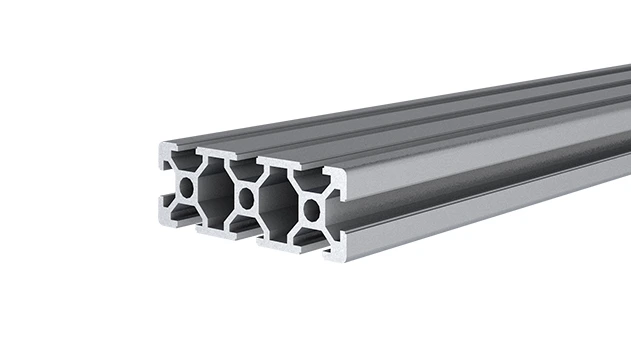
2060 is a 2.00 x 4.00CM fractional 20 series square extrusion T-slot profile with four open T-slots, two side with 2.00cm face, the other side with 6.00cm face. The profile has align-a-grooves to assist in aligning connecting profiles.
Introduction: The Backbone of Modern Manufacturing
Imagine walking into a busy manufacturing plant—conveyor belts hum, workers assemble products with precision, and every corner seems to balance order and efficiency. Behind that seamless operation is often a network of unassuming but critical components: the structures that hold workbenches steady, the racks that organize materials, and the frames that guide conveyor systems. More often than not, those components are built from aluminum profiles. And among the most versatile players in this space is the 2060 EU Standard Aluminum Profile.
Whether you're a small workshop owner upgrading your production line or a large-scale manufacturer designing a custom material handling system, understanding what 2060 aluminum profile is, its specs, and how it can work for you is key. It's not just a piece of metal—it's a building block that combines strength, flexibility, and compliance with global quality standards. Let's dive into the details.
Whether you're a small workshop owner upgrading your production line or a large-scale manufacturer designing a custom material handling system, understanding what 2060 aluminum profile is, its specs, and how it can work for you is key. It's not just a piece of metal—it's a building block that combines strength, flexibility, and compliance with global quality standards. Let's dive into the details.
What Exactly is 2060 EU Standard Aluminum Profile?
Let's start with the basics: the name. "2060" isn't just a random number—it's a code that tells you the profile's dimensions. In the world of aluminum extrusions, the first two digits usually represent the width (in millimeters), and the last two represent the height. So, a 2060 profile is 20mm wide and 60mm tall. Simple enough, right?
Now, the "EU Standard" part is equally important. This means the profile meets strict European union guidelines for dimensions, material quality, and performance. Think of it as a stamp of approval: when you buy a 2060 EU standard profile, you're getting a product that's consistent, reliable, and designed to work seamlessly with other EU-standard components. No more guessing if that connector from another supplier will fit—EU standards ensure compatibility.
But why aluminum? Unlike steel, aluminum is lightweight yet surprisingly strong, resistant to corrosion, and easy to work with. It's also recyclable, making it a sustainable choice for modern businesses. When you shape aluminum through extrusion (pushing molten metal through a die to get a specific cross-section), you get profiles with precise, repeatable shapes—perfect for building everything from workbenches to machine guards.
Now, the "EU Standard" part is equally important. This means the profile meets strict European union guidelines for dimensions, material quality, and performance. Think of it as a stamp of approval: when you buy a 2060 EU standard profile, you're getting a product that's consistent, reliable, and designed to work seamlessly with other EU-standard components. No more guessing if that connector from another supplier will fit—EU standards ensure compatibility.
But why aluminum? Unlike steel, aluminum is lightweight yet surprisingly strong, resistant to corrosion, and easy to work with. It's also recyclable, making it a sustainable choice for modern businesses. When you shape aluminum through extrusion (pushing molten metal through a die to get a specific cross-section), you get profiles with precise, repeatable shapes—perfect for building everything from workbenches to machine guards.

Key Specifications: The Nuts and Bolts of 2060 Profiles
To really understand why 2060 EU standard aluminum profile is so useful, let's break down its specs. These details might seem technical, but they're what make the profile suitable for so many applications. Here's what you need to know:
| Specification | Details |
|---|---|
| Dimensions | 20mm (width) x 60mm (height); wall thickness typically 1.5mm–2mm (varies by supplier) |
| Material Grade | 6063-T5 aluminum alloy (most common); known for excellent extrudability and corrosion resistance |
| Tensile Strength | Minimum 180 MPa (megapascals); enough to withstand heavy loads without bending |
| Yield Strength | Minimum 110 MPa; the point at which the material starts to deform permanently |
| Finish Options | Anodized (clear, black, or colored), powder-coated (custom colors), or mill finish (natural aluminum look) |
| Compliance | Meets EU standards (e.g., EN 755-9 for aluminum extrusions, EN 12020 for dimensional tolerances) |
Dimensions: 20mm x 60mm—A Balance of Size and Strength
The 20mm width makes this profile compact, so it's great for tight spaces, while the 60mm height gives it vertical rigidity. That height is key: it means the profile can stand upright and support weight from above, like the shelves of a material rack or the top of a workbench. The wall thickness (usually 1.5mm to 2mm) is enough to keep it sturdy without adding unnecessary weight.
Material: 6063-T5 Aluminum Alloy—The Gold Standard for Extrusions
Most 2060 profiles are made from 6063-T5 aluminum. Why 6063? It's a medium-strength alloy that's easy to extrude into complex shapes (like the T-slots you'll find on most aluminum profiles). The "T5" refers to the heat treatment process: the profile is cooled quickly (quenched) and then artificially aged to boost its strength. The result? A material that's strong enough for industrial use but still lightweight enough to move and assemble by hand.
Mechanical Strength: Built to Handle Real-World Loads
With a tensile strength of at least 180 MPa and yield strength of 110 MPa, 2060 profiles can take a beating. For context: 180 MPa is roughly the force needed to lift a small car—so imagine that same strength in a thin aluminum beam! This makes the profile ideal for supporting workbenches (where tools and products might weigh 50kg or more) or material racks stacked with heavy components.
Finishes: More Than Just Looks
Finishes aren't just about aesthetics—they add functionality. Anodized finishes (where the aluminum is dipped in acid and electrolyzed) create a hard, protective layer that resists scratches and corrosion. Powder coating adds color and even more durability, making the profile suitable for use in damp or dusty environments. Mill finish (uncoated) is the most affordable option, often used when the profile will be painted or hidden from view.
The 20mm width makes this profile compact, so it's great for tight spaces, while the 60mm height gives it vertical rigidity. That height is key: it means the profile can stand upright and support weight from above, like the shelves of a material rack or the top of a workbench. The wall thickness (usually 1.5mm to 2mm) is enough to keep it sturdy without adding unnecessary weight.
Material: 6063-T5 Aluminum Alloy—The Gold Standard for Extrusions
Most 2060 profiles are made from 6063-T5 aluminum. Why 6063? It's a medium-strength alloy that's easy to extrude into complex shapes (like the T-slots you'll find on most aluminum profiles). The "T5" refers to the heat treatment process: the profile is cooled quickly (quenched) and then artificially aged to boost its strength. The result? A material that's strong enough for industrial use but still lightweight enough to move and assemble by hand.
Mechanical Strength: Built to Handle Real-World Loads
With a tensile strength of at least 180 MPa and yield strength of 110 MPa, 2060 profiles can take a beating. For context: 180 MPa is roughly the force needed to lift a small car—so imagine that same strength in a thin aluminum beam! This makes the profile ideal for supporting workbenches (where tools and products might weigh 50kg or more) or material racks stacked with heavy components.
Finishes: More Than Just Looks
Finishes aren't just about aesthetics—they add functionality. Anodized finishes (where the aluminum is dipped in acid and electrolyzed) create a hard, protective layer that resists scratches and corrosion. Powder coating adds color and even more durability, making the profile suitable for use in damp or dusty environments. Mill finish (uncoated) is the most affordable option, often used when the profile will be painted or hidden from view.
Aluminum Profile Accessories: Making 2060 Profiles Work for You
A 2060 profile on its own is just a length of aluminum. What makes it truly versatile is the ecosystem of accessories designed to work with it. These small but mighty components turn a simple beam into a fully functional structure. Let's look at a few key ones:
End Caps: Protecting and Polishing
Ever noticed the rough edges on a cut aluminum profile? End caps solve that. 2020 aluminum profile end caps (yes, they work with 2060 too!) snap onto the ends of the profile, covering sharp edges and giving a clean, professional look. They also keep dust and debris from getting inside the profile—important if you're using it in a cleanroom or food processing environment.
Connectors: Holding It All Together
To build something like a workbench, you'll need to join 2060 profiles at angles. That's where connectors come in. 90° aluminum profile connectors are the most common—they let you join two profiles at a right angle (like the corner of a frame). For more complex setups, 45° aluminum profile connectors or even 135° connectors can create slopes or angled supports. Most connectors use bolts or set screws to lock into the T-slots on the profile, so you don't need welding—just a hex key!
Aluminum Guide Rail A: Guiding the Way
If you're building a conveyor system or a sliding shelf, you'll need something to guide movement smoothly. Aluminum guide rail A is a slim, durable rail that attaches to 2060 profiles via T-slots. It's often used with rollers or (sliders) to create tracks for materials to glide along. For example, in a picking station, guide rail A might line the edges of a material rack, making it easy to slide bins in and out.
Gusset Plates: Adding Reinforcement
For extra strength at joints (like where a vertical 2060 profile meets a horizontal one), gusset plates are a lifesaver. These small, triangular plates bolt onto both profiles, distributing weight and preventing the joint from flexing under heavy loads. Gusset alp 2020 (a common size) works perfectly with 2060 profiles, adding stability without bulk.
End Caps: Protecting and Polishing
Ever noticed the rough edges on a cut aluminum profile? End caps solve that. 2020 aluminum profile end caps (yes, they work with 2060 too!) snap onto the ends of the profile, covering sharp edges and giving a clean, professional look. They also keep dust and debris from getting inside the profile—important if you're using it in a cleanroom or food processing environment.
Connectors: Holding It All Together
To build something like a workbench, you'll need to join 2060 profiles at angles. That's where connectors come in. 90° aluminum profile connectors are the most common—they let you join two profiles at a right angle (like the corner of a frame). For more complex setups, 45° aluminum profile connectors or even 135° connectors can create slopes or angled supports. Most connectors use bolts or set screws to lock into the T-slots on the profile, so you don't need welding—just a hex key!
Aluminum Guide Rail A: Guiding the Way
If you're building a conveyor system or a sliding shelf, you'll need something to guide movement smoothly. Aluminum guide rail A is a slim, durable rail that attaches to 2060 profiles via T-slots. It's often used with rollers or (sliders) to create tracks for materials to glide along. For example, in a picking station, guide rail A might line the edges of a material rack, making it easy to slide bins in and out.
Gusset Plates: Adding Reinforcement
For extra strength at joints (like where a vertical 2060 profile meets a horizontal one), gusset plates are a lifesaver. These small, triangular plates bolt onto both profiles, distributing weight and preventing the joint from flexing under heavy loads. Gusset alp 2020 (a common size) works perfectly with 2060 profiles, adding stability without bulk.
Common Uses: Where 2060 Profiles Shine
Now that we know the specs and accessories, let's talk about real-world applications. 2060 EU standard aluminum profile is like a Swiss Army knife for manufacturing and industrial design—here are some of the most popular ways it's used:
Workbenches: The Heart of the Workshop
Walk into any workshop, and you'll likely find workbenches built with aluminum profiles. 2060 is a favorite here because its 60mm height provides vertical stability (so the bench doesn't wobble when you're using power tools), while its 20mm width keeps the frame from being too bulky. Pair it with a plywood or aluminum honeycomb panel top, add some 2020 end caps to the legs, and you've got a sturdy, customizable workbench that can handle daily use. Some manufacturers even offer pre-designed models like "workbench E (single deck-without caster)", which often uses 2060 profiles for the frame.
Material Racks: Organizing Chaos
In a busy facility, disorganized materials mean lost time. Material racks built with 2060 profiles solve that. For example, "material rack B (3 row and 3 floor)" is a common design where 2060 profiles form the vertical posts and horizontal beams, with shelves or roller tracks in between. The T-slots make it easy to adjust shelf heights as your needs change—no need to buy a whole new rack if you start storing taller items. Plus, aluminum's corrosion resistance means the rack will last even in humid warehouses.
Conveyor Systems: Moving Materials Efficiently
Conveyors are the arteries of manufacturing, and 2060 profiles often form their "skeleton". The profile's strength supports the weight of the conveyor belt and materials, while its T-slots let you attach aluminum guide rail A to keep items centered as they move. Whether you're building a small gravity roller conveyor (using swivel roller balls 1 inch) or a powered belt conveyor, 2060 profiles provide a lightweight, rigid frame that's easy to assemble and modify.
Machine Guards: Safety First
Industrial machines can be dangerous, so guards are a must. 2060 profiles are perfect for building these guards because they're strong enough to withstand impacts but lightweight enough to move if you need to access the machine for maintenance. You can attach mesh or polycarbonate panels to the profiles via T-slots, creating a barrier that keeps workers safe without blocking visibility.
Workbenches: The Heart of the Workshop
Walk into any workshop, and you'll likely find workbenches built with aluminum profiles. 2060 is a favorite here because its 60mm height provides vertical stability (so the bench doesn't wobble when you're using power tools), while its 20mm width keeps the frame from being too bulky. Pair it with a plywood or aluminum honeycomb panel top, add some 2020 end caps to the legs, and you've got a sturdy, customizable workbench that can handle daily use. Some manufacturers even offer pre-designed models like "workbench E (single deck-without caster)", which often uses 2060 profiles for the frame.
Material Racks: Organizing Chaos
In a busy facility, disorganized materials mean lost time. Material racks built with 2060 profiles solve that. For example, "material rack B (3 row and 3 floor)" is a common design where 2060 profiles form the vertical posts and horizontal beams, with shelves or roller tracks in between. The T-slots make it easy to adjust shelf heights as your needs change—no need to buy a whole new rack if you start storing taller items. Plus, aluminum's corrosion resistance means the rack will last even in humid warehouses.
Conveyor Systems: Moving Materials Efficiently
Conveyors are the arteries of manufacturing, and 2060 profiles often form their "skeleton". The profile's strength supports the weight of the conveyor belt and materials, while its T-slots let you attach aluminum guide rail A to keep items centered as they move. Whether you're building a small gravity roller conveyor (using swivel roller balls 1 inch) or a powered belt conveyor, 2060 profiles provide a lightweight, rigid frame that's easy to assemble and modify.
Machine Guards: Safety First
Industrial machines can be dangerous, so guards are a must. 2060 profiles are perfect for building these guards because they're strong enough to withstand impacts but lightweight enough to move if you need to access the machine for maintenance. You can attach mesh or polycarbonate panels to the profiles via T-slots, creating a barrier that keeps workers safe without blocking visibility.
Why EU Standard? The Benefits of Choosing Compliance
You might be wondering: why pay extra for EU standard profiles when there are cheaper options? The answer boils down to three things: consistency, compatibility, and quality.
Consistency: No Surprises
EU standards dictate exact dimensions, tolerances, and material properties. That means if you order 100 meters of 2060 profile from two different EU-standard suppliers, they'll be almost identical. No more "this batch is 1mm narrower than the last" headaches—critical when you're building precision structures.
Compatibility: Mix and Match with Confidence
EU-standard profiles and accessories are designed to work together. That 90° connector from Supplier A will fit the 2060 profile from Supplier B, and the aluminum guide rail A from Supplier C will slide right into the T-slots. This flexibility lets you shop around for the best prices or replace parts without redesigning your entire system.
Quality: Built to Last
EU standards also enforce strict quality control. Profiles are tested for strength, corrosion resistance, and finish adhesion, so you know you're getting a product that will stand up to years of use. Cheaper, non-standard profiles might save you money upfront, but they're more likely to bend, corrode, or fail under load—costing you more in repairs or replacements later.
Consistency: No Surprises
EU standards dictate exact dimensions, tolerances, and material properties. That means if you order 100 meters of 2060 profile from two different EU-standard suppliers, they'll be almost identical. No more "this batch is 1mm narrower than the last" headaches—critical when you're building precision structures.
Compatibility: Mix and Match with Confidence
EU-standard profiles and accessories are designed to work together. That 90° connector from Supplier A will fit the 2060 profile from Supplier B, and the aluminum guide rail A from Supplier C will slide right into the T-slots. This flexibility lets you shop around for the best prices or replace parts without redesigning your entire system.
Quality: Built to Last
EU standards also enforce strict quality control. Profiles are tested for strength, corrosion resistance, and finish adhesion, so you know you're getting a product that will stand up to years of use. Cheaper, non-standard profiles might save you money upfront, but they're more likely to bend, corrode, or fail under load—costing you more in repairs or replacements later.
Conclusion: 2060 EU Standard Aluminum Profile—A Foundation for Success
At the end of the day, 2060 EU standard aluminum profile is more than just a piece of metal. It's a tool that empowers businesses to build flexible, durable, and efficient systems. Whether you're setting up a new production line, upgrading your workshop, or designing a custom material handling solution, this profile delivers the strength, versatility, and reliability you need.
From its 20x60mm dimensions to its 6063-T5 aluminum alloy and EU-standard compliance, every aspect of the 2060 profile is designed to make your life easier. Pair it with the right accessories—end caps, connectors, guide rails—and you've got a building block that can adapt to almost any challenge.
So the next time you walk through that busy manufacturing plant, take a closer look at the structures holding everything together. Chances are, you'll spot 2060 EU standard aluminum profile hard at work—quietly, reliably, and efficiently building the future of manufacturing.
From its 20x60mm dimensions to its 6063-T5 aluminum alloy and EU-standard compliance, every aspect of the 2060 profile is designed to make your life easier. Pair it with the right accessories—end caps, connectors, guide rails—and you've got a building block that can adapt to almost any challenge.
So the next time you walk through that busy manufacturing plant, take a closer look at the structures holding everything together. Chances are, you'll spot 2060 EU standard aluminum profile hard at work—quietly, reliably, and efficiently building the future of manufacturing.