- Company Articles
- Industry articles
- Industry News
- Why Plastic Pipe Covers Are Essential for Medical Device Manufacturing Cleanrooms

Why Plastic Pipe Covers Are Essential for Medical Device Manufacturing Cleanrooms
Related Product
Plastic Pipe Cover
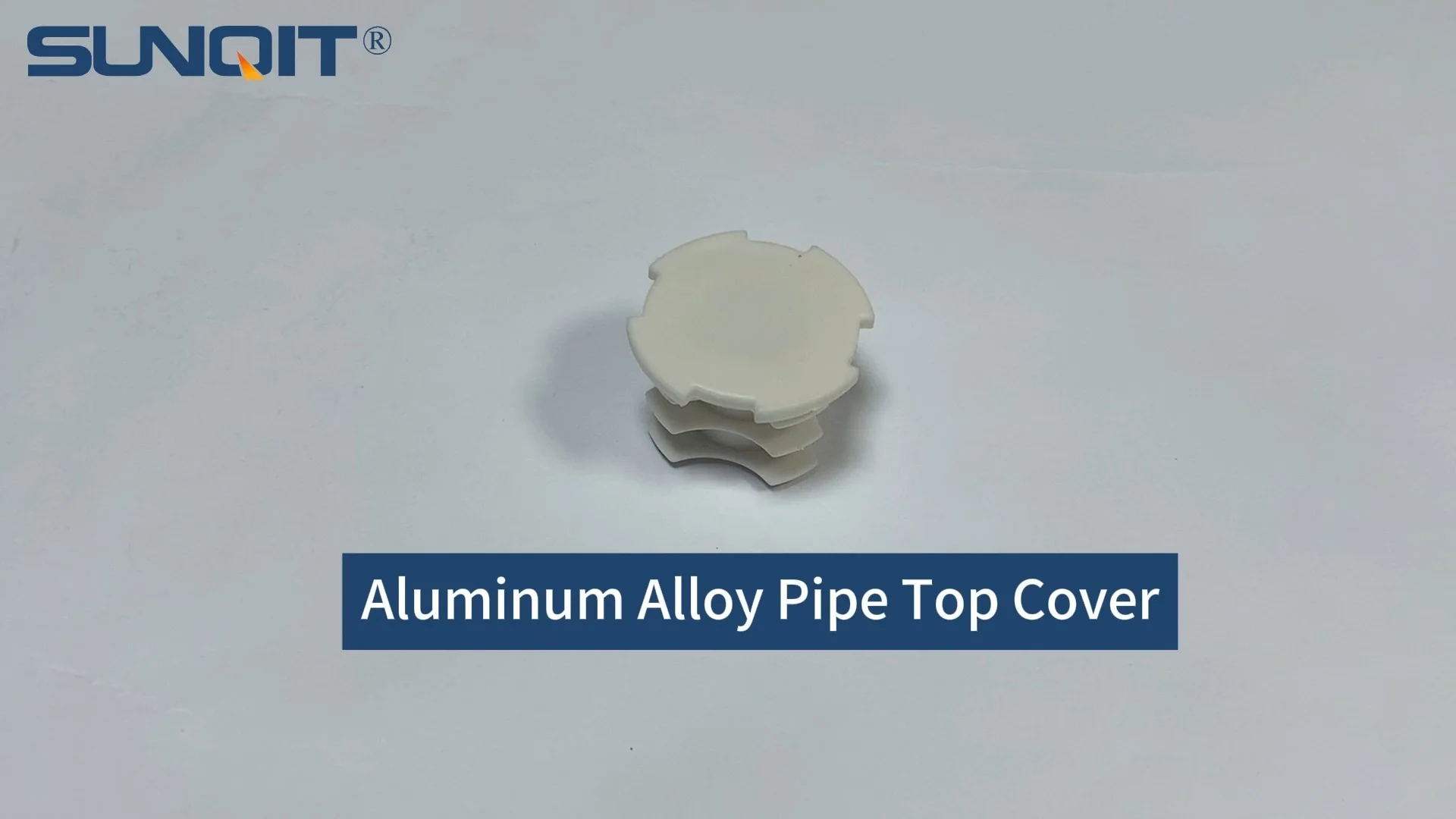
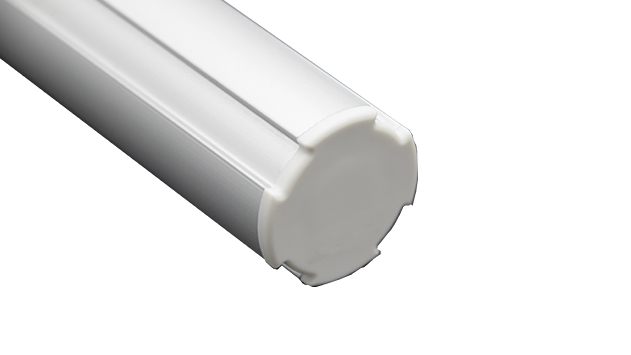
Plastic pipe cover to cover dia 28MM aluminum pipe end at workbench, flow rack, to prevent metal surface scratch material or worker.
Walk into any medical device manufacturing facility, and you'll quickly realize that not all spaces are created equal. While offices and break rooms might feel familiar, the cleanrooms—those sterile, controlled environments where life-saving devices like pacemakers, surgical instruments, and implantable sensors are born—operate by a different set of rules. Here, even a single dust particle or a tiny scratch on a surface can compromise product integrity, putting patient safety at risk. Every component of the cleanroom, from the air filtration systems to the flooring, is meticulously designed to minimize contamination. But there's one component that often flies under the radar, despite playing a critical role in maintaining this delicate balance: plastic pipe covers.
In this article, we'll explore why plastic pipe covers have become indispensable in medical device cleanrooms. We'll dive into their design, compare them to other materials like stainless steel pipe series and aluminum profile, and uncover how they align with lean system principles to boost efficiency. By the end, you'll understand why these simple covers aren't just an afterthought—they're a cornerstone of safe, reliable medical device production.
The Backbone of Cleanroom Infrastructure: Piping Systems in Medical Manufacturing
Before we can appreciate the value of plastic pipe covers, we need to understand the role of the systems they protect. Cleanrooms aren't just empty spaces with white walls—they're complex ecosystems supported by a network of piping that delivers essential utilities. Think about it: to produce sterile medical devices, you need purified water for cleaning equipment, compressed air for powering tools, specialized gases for welding tiny components, and sometimes even chilled water to regulate temperatures. All of these utilities flow through a maze of pipes that run along ceilings, walls, and sometimes even under floors.
But here's the catch: these pipes are more than just conduits—they're potential sources of contamination if left unprotected. Exposed metal pipes, for example, can corrode over time, shedding rust particles into the air. A small scratch on a pipe's surface can trap dust, creating a breeding ground for bacteria. And if a pipe is accidentally bumped by a cart or a worker's elbow, it could dent, leading to leaks or, worse, introducing foreign particles into the cleanroom. In a space where the air is filtered to remove particles as small as 0.3 microns (that's 1/200th the width of a human hair), even minor pipe damage can have major consequences.
That's where pipe covers come in. Their job is simple, but critical: shield the underlying pipes from physical damage, prevent corrosion, and create a smooth, easy-to-clean surface that won't harbor contaminants. But not all pipe covers are suited for the unique demands of medical cleanrooms. Let's take a closer look at why plastic has emerged as the material of choice.
Enter Plastic Pipe Covers: A Solution Built for Cleanrooms
Plastic pipe covers are exactly what they sound like: protective sleeves made from various plastic materials that wrap around pipes to shield them from the environment. But what sets them apart from, say, a piece of rubber tubing or a metal jacket? It starts with their design, which is tailored to the strict requirements of cleanroom environments.
Most plastic pipe covers used in medical manufacturing are made from materials like polyvinyl chloride (PVC), polyethylene (PE), or polypropylene (PP). These plastics are chosen for their unique properties: they're non-porous, meaning they don't absorb liquids or gases that could harbor contaminants; they're resistant to a wide range of chemicals, including the disinfectants used to clean cleanrooms; and they have a naturally smooth surface that's easy to wipe down without leaving streaks or residue.
But it's not just about the material—it's also about the form. Unlike rigid metal covers, plastic pipe covers are often flexible, allowing them to fit snugly around pipes of different diameters. Many are designed with a "snap-on" or "clamshell" style, which means they can be installed without tools, reducing the risk of introducing metal shavings or other debris during setup. Some even come pre-cut to standard pipe sizes, minimizing waste and ensuring a tight, uniform fit that leaves no gaps for dust to accumulate.
Perhaps most importantly, plastic pipe covers are lightweight. In a cleanroom, where workers often need to access pipes for maintenance or inspections, heavy metal covers can be cumbersome to remove and replace. Plastic covers, by contrast, can be lifted with one hand, making routine checks faster and less disruptive to the production process. This might seem like a small detail, but in a setting where every minute of downtime costs money, it adds up quickly.
Why Plastic? Comparing Pipe Cover Materials for Cleanrooms
To really understand why plastic pipe covers are essential, let's compare them to two other common materials used for pipe protection in industrial settings: stainless steel (from the stainless steel pipe series) and aluminum profile. Each has its strengths, but when it comes to cleanrooms, plastic often comes out on top. Let's break it down:
| Feature | Stainless Steel Pipe Series Covers | Aluminum Profile Covers | Plastic Pipe Covers |
|---|---|---|---|
| Material Composition | Alloy of steel, chromium, and nickel | Aluminum with added alloys (e.g., magnesium, silicon) | PVC, PE, or PP (thermoplastic polymers) |
| Weight (per linear foot) | 2.5–4 lbs (heavier, requires sturdy mounting) | 1.2–2 lbs (moderate weight) | 0.3–0.8 lbs (lightweight, easy to handle) |
| Installation Complexity | High: Requires screws, brackets, and tools; risk of metal shavings | Moderate: May need cutting to size; often uses T-slot fasteners | Low: Snap-on or slide-on design; no tools required |
| Contamination Risk | Moderate: Smooth but can scratch; welds or seams may trap debris | Moderate: Smooth anodized surface, but T-slots can collect dust | Low: Non-porous, seamless, and ultra-smooth; no crevices for particles |
| Chemical Resistance | High: Resists most acids and disinfectants | High: Resists corrosion but may react with strong alkalis | Very High: Unaffected by common cleanroom disinfectants (e.g., isopropyl alcohol, hydrogen peroxide) |
| Cost (Relative) | High: Expensive upfront and for custom fabrication | Moderate: More affordable than steel but pricier than plastic | Low: Budget-friendly upfront and minimal maintenance costs |
| Best For | High-temperature or high-pressure pipes outside cleanrooms | Structural supports or non-critical utility lines | Cleanroom environments where contamination control and ease of maintenance are priorities |
As the table shows, stainless steel and aluminum have their place in industrial settings, but they fall short in cleanrooms. Stainless steel is durable, but its weight and installation complexity make it impractical for frequent access. Aluminum profile covers, while lighter, have T-slots that can collect dust—a big no-no in sterile environments. Plastic, on the other hand, checks all the boxes: it's lightweight, easy to install, resistant to chemicals, and, most importantly, designed to minimize contamination.

The Hidden Benefits: How Plastic Pipe Covers Support Lean System Principles
If you've spent any time in manufacturing, you've probably heard of "lean system" principles—the philosophy of minimizing waste while maximizing value. Lean systems focus on eliminating seven types of waste: overproduction, waiting, transportation, defects, inventory, motion, and overprocessing. At first glance, pipe covers might not seem like a "lean" topic, but plastic pipe covers actually align surprisingly well with these goals. Let's break down how:
Reducing Installation Time (Motion and Waiting Waste)
Traditional metal covers often require teams of workers with tools to install—drilling holes, tightening screws, and aligning brackets. This not only takes time but also introduces "motion waste" (unnecessary movement of workers) and "waiting waste" (production delays while installation is completed). Plastic pipe covers, with their snap-on design, can be installed by a single worker in a fraction of the time. Imagine a scenario where a new pipe is added to a cleanroom: with plastic covers, the team can have it protected and the area back to production within an hour. With metal covers, that same job might take half a day. Over time, those hours add up to significant productivity gains.
Simplifying Maintenance (Defects and Overprocessing Waste)
In lean systems, "defects" include anything that requires rework—and in cleanrooms, a contaminated pipe cover that fails an inspection is a major defect. Plastic pipe covers are easy to clean with a quick wipe-down using standard disinfectants, reducing the risk of defects. They're also easy to remove: if a pipe needs inspection for leaks, a worker can simply pop off the cover, check the pipe, and snap it back on—no tools, no hassle. This minimizes "overprocessing" waste (doing more work than necessary) compared to metal covers, which might require unscrewing multiple fasteners and then re-polishing the metal surface afterward to prevent corrosion.
Adapting to Change (Inventory and Transportation Waste)
Medical device manufacturing lines are rarely static. Products evolve, production volumes change, and cleanrooms are often reconfigured to accommodate new equipment. This means pipes may need to be rerouted or extended. Plastic pipe covers are flexible and customizable: they can be cut to length on-site with a simple utility knife, and since they're lightweight, they're easy to transport (reducing "transportation waste"). Unlike metal covers, which often require custom fabrication for non-standard lengths (leading to "inventory waste" as facilities stockpile extra sizes), plastic covers can be bought in bulk rolls and trimmed as needed. This flexibility makes reconfigurations faster and more cost-effective.
Lower Lifecycle Costs (Overprocessing Waste)
While plastic pipe covers may have a lower upfront cost than stainless steel, their true lean benefit is in lifecycle cost. Metal covers often require periodic maintenance—painting, polishing, or replacing corroded sections—which adds up over time. Plastic covers, by contrast, are resistant to corrosion and UV damage, meaning they last longer with minimal upkeep. A study by a leading medical device manufacturer found that over a 10-year period, the total cost of ownership (purchase + installation + maintenance) for plastic pipe covers was 40% lower than for stainless steel covers. That's a significant reduction in "overprocessing" waste (spending more money than necessary) and a direct boost to the bottom line.

Real-World Applications: Where Plastic Pipe Covers Shine in Medical Cleanrooms
Now that we've covered the "why," let's look at the "where." Plastic pipe covers aren't just useful in theory—they're making a difference in real cleanroom environments. Here are a few key areas where they're indispensable:
Around Workbenches: Protecting the Heart of Production
Workbenches are where the magic happens—where skilled technicians assemble tiny components into life-saving devices. Pipes often run directly above or alongside these workbenches to deliver compressed air for tools or purified water for cleaning. Exposed pipes here are a double risk: they could shed particles onto the work surface, or they could be bumped by workers reaching for tools. Plastic pipe covers create a smooth, protective barrier, ensuring that the air around the workbench stays clean and the pipes stay intact. Some manufacturers even color-code plastic covers by utility (blue for water, red for air) to reduce errors—another lean touch that enhances efficiency.
Above Material Transport Zones: Preventing Contamination During Movement
Cleanrooms use automated guided vehicles (AGVs) or manual carts to transport materials between stations. These zones see a lot of traffic, and pipes above them are vulnerable to accidental bumps from raised cart handles or tall loads. Plastic pipe covers act as a cushion: if a cart brushes against a covered pipe, the plastic absorbs the impact, protecting both the pipe and the cart. They also prevent "transportation waste" by ensuring that materials aren't contaminated by particles from damaged pipes during transit.
In Utility Shafts: Containing Risk in High-Traffic Areas
Utility shafts are the "backbone" of cleanrooms, housing dozens of pipes for different utilities. These tight spaces are hard to clean and prone to dust buildup. Plastic pipe covers with seamless designs eliminate crevices where dust can collect, making shaft cleaning faster and more effective. They also simplify inspections: during routine checks, workers can quickly scan the covers for signs of damage (like cracks or discoloration) without having to touch or test each pipe individually.
Compliance and Certification: Meeting the Strict Standards of Medical Manufacturing
In medical device manufacturing, compliance isn't optional—it's a matter of patient safety and legal liability. Regulatory bodies like the FDA (U.S.), EMA (EU), and ISO (international) set strict standards for cleanroom environments, and pipe covers are not exempt. Let's look at how plastic pipe covers help manufacturers meet these requirements:
ISO 14644: Contamination Control
ISO 14644 is the global standard for cleanroom classification, which rates cleanrooms from ISO 1 (the cleanest) to ISO 9 (the least clean) based on the number of particles per cubic meter. For example, an ISO 7 cleanroom (common for medical device assembly) allows no more than 352,000 particles of 0.5 microns or larger per cubic meter. Plastic pipe covers, with their smooth, non-shedding surfaces, help keep particle counts low. Unlike aluminum profile covers, which can shed tiny aluminum particles if scratched, or uncoated steel, which can rust, plastic covers don't release contaminants into the air—making it easier to maintain ISO certification.
FDA cGMP: Material Safety
The FDA's Current Good Manufacturing Practices (cGMP) require that all materials used in manufacturing areas are "suitable for their intended use" and "not reactive, additive, or absorptive" in a way that could contaminate products. Plastic pipe covers are made from FDA-approved materials like PVC and PE, which are non-reactive and don't leach chemicals into the environment. This is critical: if a pipe cover were to react with a disinfectant and release harmful substances, it could render an entire batch of devices unsafe for use. Plastic's chemical resistance ensures compliance with this strict requirement.
EU MDR: Traceability and Documentation
The EU Medical Device Regulation (MDR) goes a step further, requiring full traceability of all components used in manufacturing, including materials like pipe covers. Reputable plastic pipe cover suppliers provide detailed documentation: material safety data sheets (MSDS), certificates of compliance, and even batch codes for traceability. This makes it easy for manufacturers to prove to regulators that their pipe covers meet MDR requirements—a level of documentation that's often harder to obtain with custom-fabricated metal covers.
Case Study: Transforming Cleanroom Efficiency with Plastic Pipe Covers
The Challenge: Stainless Steel Covers Failing to Meet Cleanroom Standards
A mid-sized medical device manufacturer in the U.S. specializing in orthopedic implants was struggling with its ISO 7 cleanroom. Despite rigorous cleaning protocols, quarterly particle count tests consistently showed elevated levels of 0.5-micron particles near the ceiling, where a network of stainless steel pipes ran above the assembly line. Inspections revealed that the stainless steel pipe covers had developed tiny scratches over time, which were trapping dust and bacteria. The manufacturer was forced to perform costly deep cleans every month (instead of the usual quarterly schedule) to keep particle counts in check, and maintenance teams were spending 12+ hours per week polishing the steel covers to prevent corrosion—time that could have been spent on other critical tasks.
The Solution: Switching to Plastic Pipe Covers
In 2023, the manufacturer decided to test plastic pipe covers on a small section of their cleanroom. They chose a PVC-based cover with a smooth, matte finish designed for cleanroom use. The installation was straightforward: a two-person team removed the stainless steel covers (which took 8 hours) and replaced them with plastic covers (which took just 2 hours). The new covers were color-coded by utility (blue for purified water, gray for compressed air) to improve workflow efficiency.
The Results: Cleaner, Faster, and More Cost-Effective
Within three months, the results were clear: particle counts near the ceiling dropped by 40%, and the manufacturer was able to return to quarterly deep cleans. Maintenance time plummeted—instead of 12 hours per week, the team now spends just 2 hours per month wiping down the plastic covers with isopropyl alcohol. Perhaps most importantly, the switch reduced annual maintenance costs by $35,000 (from $52,000 for steel cover upkeep to $17,000 for plastic). Encouraged by these results, the manufacturer has since rolled out plastic pipe covers across all their cleanrooms, with plans to use them in their new facility opening next year.
Future Trends: The Evolution of Plastic Pipe Covers in Cleanroom Design
As medical device manufacturing continues to advance, so too will the tools and materials that support it. Plastic pipe covers are no exception—here are a few trends to watch:
Antimicrobial Additives
Some manufacturers are already experimenting with plastic pipe covers infused with antimicrobial additives like silver ions, which inhibit the growth of bacteria and fungi on the surface. While standard plastic covers are non-porous and easy to clean, antimicrobial versions could provide an extra layer of protection in high-risk areas like implant assembly rooms.
Smart Covers with Embedded Sensors
Imagine a pipe cover that can alert maintenance teams to temperature changes (indicating a potential leak) or moisture buildup (suggesting a humidity control issue). Emerging technologies are making this possible: thin, flexible sensors embedded in plastic pipe covers could transmit real-time data to a cleanroom's monitoring system, allowing for predictive maintenance and faster response to issues.
Sustainable Materials
As the industry moves toward greener manufacturing, we're likely to see more plastic pipe covers made from recycled or biodegradable plastics. Some suppliers are already offering covers made from 100% recycled PVC, which performs as well as virgin plastic but has a lower environmental footprint. Over time, these sustainable options could become the norm rather than the exception.
Conclusion: The Essential Role of Plastic Pipe Covers in Protecting Patient Safety
At the end of the day, medical device manufacturing is about one thing: producing safe, reliable products that improve patients' lives. Every component of the process, no matter how small, contributes to that goal—and plastic pipe covers are no exception. They protect critical infrastructure, reduce contamination risks, support lean system efficiency, and help manufacturers meet the strictest regulatory standards.
If you're involved in medical device manufacturing, take a look at the pipe covers in your cleanroom. Are they helping you maintain sterility, or are they creating unnecessary work and risk? For many facilities, the switch to plastic pipe covers isn't just a "nice-to-have"—it's a "must-have" for ensuring patient safety, boosting productivity, and staying ahead in an increasingly competitive industry. After all, when it comes to saving lives, even the smallest details matter.