- Company Articles
- Industry articles
- Industry standards
- Workbench E Design: 2020 National Standard Profile Advantages for Ergonomics

Workbench E Design: 2020 National Standard Profile Advantages for Ergonomics
Related Product
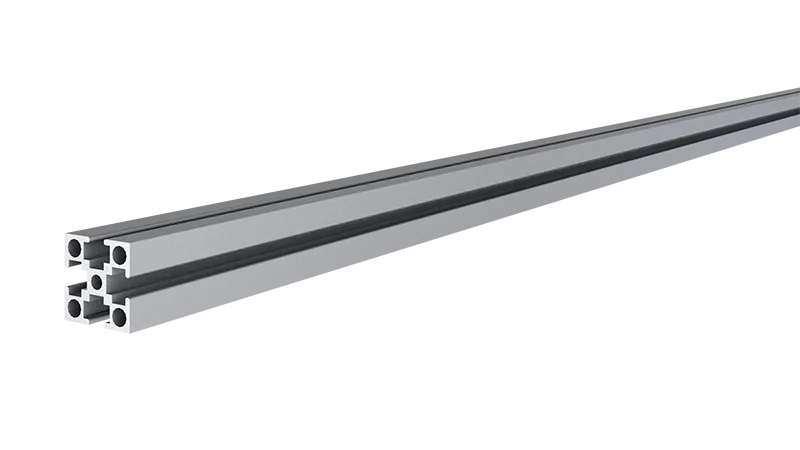
2020 National Standard Profile
45° external bending joint, used for 45° external connection of two aluminum pipes.
Picture this: It's 2 PM on a Tuesday, and Maria, an assembly line technician, has been hunched over her workbench for the past four hours. Her lower back aches, her shoulders feel tight, and she keeps shifting her weight to relieve the pressure on her feet. Sound familiar? For millions of workers worldwide, this isn't just a bad day—it's the daily reality of using workbenches that prioritize function over the people who use them. But what if the tables were turned? What if a workbench was designed first and foremost with *human comfort* in mind? Enter Workbench E (single deck-without caster), a game-changer in workplace ergonomics, powered by the 2020 National Standard Profile. Let's dive into how this combination is redefining what a workbench can be.
Meet Workbench E: A Workbench Built for the Way You Move
Before we get into the nitty-gritty of materials and standards, let's talk about the star of the show: Workbench E (single deck-without caster). At first glance, it might seem like just another table in a factory or workshop, but that's where the similarities end. Designed for production assemble lines, repair stations, and light manufacturing, this workbench is stripped down to the essentials—no unnecessary frills, just intentionality. The "single deck" means a clean, uncluttered surface, while "without caster" ensures stability for precision tasks. But what truly sets it apart is the skeleton beneath that surface: the 2020 National Standard Profile aluminum frame.
Imagine Maria again, but this time at Workbench E. The surface sits at a height that aligns with her elbows when she stands, her tools are within arm's reach, and the frame doesn't creak or wobble as she leans into a task. Her back feels supported, her movements are fluid, and by 2 PM, she's still focused—not fatigued. That's the difference ergonomics make, and it all starts with the materials chosen to build the bench.
2020 National Standard Profile: More Than Just Metal—A Commitment to Comfort
You've heard the term "national standard profile" thrown around, but what does it actually mean? In short, it's a set of guidelines that dictate everything from the dimensions of the aluminum profile to its load-bearing capacity, finish, and compatibility with accessories. The 2020 update wasn't just a tweak—it was a complete overhaul based on years of research into workplace ergonomics and industrial design. And for Workbench E, that update was a game-changer.
Let's break down the key features of the 2020 National Standard Profile that make it ideal for ergonomic workbenches:
- Precision Sizing: The profile's cross-section is engineered to balance strength and weight. At 20mm x 20mm (a common size for Workbench E), it's sturdy enough to support heavy tools and materials but lightweight enough that the bench itself doesn't become a burden to reconfigure. This matters because ergonomics isn't just about static comfort—it's about adaptability. If Maria needs to lower the work surface by an inch to suit a new task, the aluminum profile's lightweight nature makes adjustments quick and easy, without requiring a team of people to move it.
- Smooth, Burr-Free Finish: Older steel profiles often had rough edges or sharp corners, which could catch on clothing or cause minor injuries. The 2020 standard mandates a smooth, anodized finish on aluminum profiles, eliminating snags and reducing the risk of cuts. For workers who spend 8+ hours a day at the bench, small details like this add up to big comfort wins.
- Modular Compatibility: Here's where aluminum profile accessories shine. The 2020 standard ensures that the profile's T-slots (those grooves running along the length) are uniform, meaning Maria can add shelves, tool hooks, or monitor mounts with ease. No more jury-rigging with zip ties or mismatched parts—accessories like bracket connectors or side guards snap into place, letting her customize the bench to her body and workflow.

Ergonomics by Design: How 2020 Profile Solves Common Workbench Woes
Ergonomics isn't a buzzword—it's about reducing strain on the body, preventing injury, and making work feel less like a chore. Let's walk through three common workplace pain points and how Workbench E, with its 2020 National Standard Profile, addresses them.
1. "My Back Hurts From Bending Over All Day"
One of the biggest ergonomic sins of traditional workbenches is fixed height. A bench that's too low forces you to hunch; too high, and your shoulders creep up toward your ears. The 2020 National Standard Profile changes this with its modular design. Aluminum profile accessories like height-adjustable feet (think of them as the bench's "legs") let you tweak the surface height in small increments—no tools required. For example, if Maria is 5'4" and her colleague Raj is 6'2", they can adjust the same Workbench E to fit their heights in under a minute. The aluminum profile's strength ensures that even at different heights, the bench remains stable—no wobbling, no sagging.
2. "I Waste So Much Time Reaching for Tools"
Ever notice how much time you spend stretching, twisting, or leaning to grab a screwdriver or a part? Those micro-movements add up, leading to fatigue and even repetitive strain injuries. Workbench E's aluminum profile frame is like a blank canvas for organization. Using aluminum profile accessories such as side-mounted tool rails or overhead shelf brackets, you can arrange tools in a "golden zone"—the area between your shoulders and hips, within arm's reach. The T-slots in the 2020 profile make it easy to attach these accessories anywhere along the frame, so you're not stuck with a one-size-fits-all layout. Maria might mount her most-used pliers on the left rail, while Raj keeps his soldering iron on the right—customization that keeps movements efficient and strain-free.
3. "This Bench Feels Like It's Going to Break Any Second"
A wobbly workbench isn't just annoying—it's dangerous. If the surface shifts while you're using a power tool or handling delicate parts, you risk injury or mistakes. The 2020 National Standard Profile aluminum profile is built to last. Its anodized coating resists scratches and corrosion, even in humid or dusty environments, and the material itself has a high strength-to-weight ratio. Unlike steel, which can rust or bend under heavy loads, aluminum holds its shape, ensuring the bench remains level and stable for years. The "without caster" design of Workbench E adds another layer of stability—no rolling or sliding during tasks that require precision. For workers like Maria, who rely on steady hands, this peace of mind is priceless.
Comparing the Contenders: Why 2020 Aluminum Profile Beats Older Standards and Alternatives
You might be thinking, "Why not just use the old steel profile? Or plastic? It's cheaper, right?" Let's put that to the test. Below is a comparison of the 2020 National Standard Aluminum Profile with older steel profiles (pre-2020) and plastic profiles, focusing on the ergonomic factors that matter most.
| Feature | 2020 National Standard Aluminum Profile | Pre-2020 Steel Profile | Plastic Profile |
|---|---|---|---|
| Weight (for Adjustability) | Lightweight (easy to reconfigure solo) | Heavy (requires 2+ people to adjust) | Very light (but prone to flexing under load) |
| Customization with Accessories | High (T-slots compatible with 100+ aluminum profile accessories) | Low (limited to welding or drilling) | Medium (some snap-on parts, but limited durability) |
| Ergonomic Adjustability | Excellent (height, shelf positions, tool mounts all adjustable) | Poor (fixed height, hard to modify) | Fair (adjustable but unstable at extremes) |
| Durability | High (resists dents, corrosion, and wear) | High (but prone to rust and bending) | Low (scratches easily, warps in heat) |
| Comfort to Use | Smooth edges, no sharp corners, stable surface | Rough edges, heavy, cold to the touch | Light but flimsy, can feel "cheap" |
As the table shows, the 2020 aluminum profile isn't just better—it's *smarter*. It balances strength and flexibility, making it the ideal foundation for an ergonomic workbench like Workbench E. Steel might be tough, but it's too rigid for today's dynamic workplaces. Plastic is lightweight, but it lacks the stability needed for precision tasks. Aluminum? It's the sweet spot.
Beyond the Bench: How 2020 Profile Supports Lean Systems and Workplace Efficiency
Ergonomics and efficiency go hand in hand. A comfortable worker is a productive worker, and Workbench E's design aligns perfectly with lean system principles—eliminating waste, streamlining processes, and continuous improvement. Here's how:
- Reduced Downtime: When workers are fatigued or injured, they take more breaks or call in sick. By reducing physical strain, Workbench E keeps teams on the floor and focused.
- Modular Flexibility: The 2020 aluminum profile's compatibility with accessories means you can adapt the bench as your needs change. Adding a new tool? Just snap on a bracket. Expanding the assembly line? Reconfigure the frame in an hour. No need to buy a whole new bench—waste reduced, resources saved.
- Cleaner Workspace: Clutter is the enemy of efficiency. The T-slots in the 2020 profile let you mount tools, bins, and cables directly to the frame, keeping the deck clear. A tidy workspace means faster task completion and fewer errors.
It's no coincidence that lean system suppliers and manufacturers are increasingly specifying Workbench E with 2020 National Standard Profile. It's not just a workbench—it's a tool for building a better, more sustainable workflow.
Real-World Impact: Workers (and Employers) Are Taking Notice
Let's step out of the hypothetical and into real life. A mid-sized electronics manufacturer in Guangdong recently replaced their old steel workbenches with Workbench E (single deck-without caster) fitted with 2020 National Standard Profile frames. Within three months, they reported:
- A 23% reduction in reported back and shoulder pain among assembly line workers.
- A 15% increase in daily production output (attributed to reduced fatigue and faster tool access).
- Fewer tool losses—thanks to the customizable accessory mounts, tools stayed in their designated spots.
Another example: a small automotive repair shop in Jiangsu switched to Workbench E for their diagnostic stations. The owner noted, "Our technicians used to dread long days hunched over engines. Now, they can adjust the bench height to stand or sit, and the aluminum frame doesn't conduct heat like steel did—so their forearms aren't burning in summer. They're happier, and honestly, they're staying longer. Turnover was a problem before; now, not so much."
These stories aren't outliers. They're proof that investing in ergonomics—specifically, in workbenches built with the 2020 National Standard Profile—pays off in more ways than one.
Choosing Your Workbench: Why 2020 National Standard Profile Should Be Non-Negotiable
So, you're in the market for a new workbench. Maybe you're setting up a new production line, upgrading an old workshop, or just want to make your current space more comfortable. What should you look for? Start with the frame. If it's not built with the 2020 National Standard Profile aluminum, keep looking.
Here's why: It's the only material that checks all the boxes—ergonomic adjustability, durability, customization, and sustainability. It's lightweight enough to adapt to your team's needs, strong enough to handle the daily grind, and compatible with a universe of accessories to make the workspace truly yours. And when paired with a design as thoughtful as Workbench E (single deck-without caster), it becomes more than equipment—it's an investment in your team's health, happiness, and productivity.
Conclusion: Work Smarter, Not Harder—Start with Your Workbench
At the end of the day, a workbench is more than a piece of furniture. It's where ideas become products, where problems get solved, and where your team spends a huge chunk of their lives. Shouldn't that space be designed to support them—not the other way around?
Workbench E, with its 2020 National Standard Profile aluminum frame, isn't just a step forward in ergonomic design. It's a statement: that you value your team's well-being as much as you value their output. And in a world where talent and productivity are everything, that's a statement that pays dividends.
So, the next time you walk through your workshop or factory, take a look at the workbenches. Are they holding your team back, or lifting them up? If it's the former, maybe it's time to make the switch. Your back (and your bottom line) will thank you.