- Company Articles
- Products and Technology
- Product knowledge
- A Complete Overview: Turning Angle Code 2020 for Flexible Production Equipment

A Complete Overview: Turning Angle Code 2020 for Flexible Production Equipment
Related Product
Urning Angle Code 2020
The turning angle aluminum profile connector provides a 90 degree hidden corner connection. 2020 it is means this size is used for 20 series aluminum profile.The corner code comes with set screws that allow for quick, easy connections.
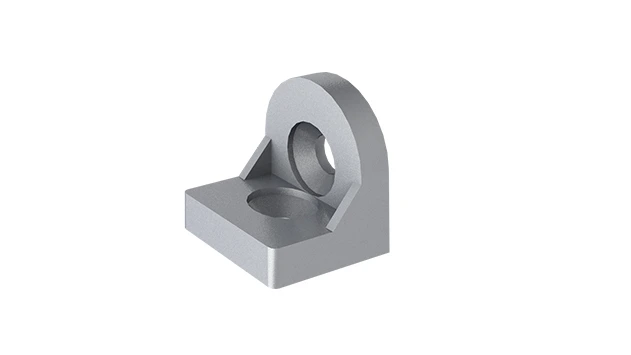
Walk into any modern manufacturing facility today, and you'll notice a shift – production lines that once stood rigid and unchanging now bend and adapt like well-choreographed dancers. Behind this flexibility lies a network of components working in harmony, and among the unsung heroes holding it all together is the turning angle code 2020. It's a small part, sure, but in the world of lean systems and adaptable workspaces, small parts often make the biggest difference. Let's dive into what makes this unassuming connector a cornerstone of modern production, how it pairs with aluminum extrusion profiles, and why it's become indispensable for factories aiming to stay agile in a fast-paced market.
What is Turning Angle Code 2020? Breaking Down Its Design and Function
Let's start with the basics: What exactly is a turning angle code 2020? At its core, it's a specialized connector designed to join aluminum profiles at precise angles, enabling the creation of sturdy, customizable structures without the need for welding or complex tools. The "2020" in its name refers to the size of the aluminum profile it's typically paired with – a 20mm x 20mm extrusion, one of the most common sizes in light to medium-duty applications. Think of it as the "hinge" that lets production equipment pivot, adjust, and reconfigure on demand.
But don't let its simplicity fool you. The turning angle code 2020 is engineered with precision. Most models feature pre-drilled holes that align perfectly with the T-slots of aluminum extrusion profiles, allowing for quick assembly with bolts or screws. Its compact design (usually around 20mm in height and width) means it doesn't add unnecessary bulk, keeping structures lightweight yet strong. Depending on the manufacturer, you might find versions made from die-cast aluminum or high-grade plastic, each tailored to specific load capacities and environmental needs – say, corrosion resistance for food processing facilities or static control for electronics assembly lines.
What truly sets it apart, though, is its versatility. Unlike fixed-angle brackets, the turning angle code 2020 allows for adjustments during assembly. Need a 90-degree corner for a workbench frame? It can do that. Want to angle a material rack slightly to improve ergonomics for workers? Just loosen the bolts, pivot the profile, and retighten. This flexibility is a game-changer for facilities that can't afford downtime for retooling – a single structure can go from holding inventory to serving as a temporary assembly station in minutes, all thanks to how this tiny connector distributes weight and maintains stability.
Materials Matter: Why Aluminum Extrusion Profiles Pair Perfectly with Turning Angle Code 2020
To understand the turning angle code 2020's role, you need to meet its partner in crime: the aluminum extrusion profile. Aluminum has long been a favorite in manufacturing for its winning combo of strength, lightness, and corrosion resistance, but it's the extrusion process that makes it ideal for flexible systems. Extruded profiles are created by forcing molten aluminum through a die, resulting in consistent cross-sections with built-in features like T-slots – those handy grooves that run along the length of the profile, ready to accept connectors, brackets, and accessories.
So why does this pairing work so well? For starters, aluminum extrusion profiles are inherently modular. They come in standard lengths, but can be easily cut to size on-site, and their T-slots mean components like the turning angle code 2020 can be attached anywhere along the profile, not just at fixed points. This modularity aligns perfectly with the goals of lean systems: reducing waste, maximizing space, and adapting quickly to changing needs.
Let's talk about weight, too. Aluminum is about a third the weight of steel, which makes structures built with aluminum extrusion profiles and turning angle code 2020 much easier to move and reconfigure. Imagine a workbench e (single deck-without caster) – a common setup in assembly lines. If it's built with steel, moving it to a new location might require a forklift and a team of workers. With aluminum profiles and turning angle code 2020, two people can lift and reposition it in minutes, saving time and reducing the risk of workplace injuries.
| Feature | Turning Angle Code 2020 + Aluminum Extrusion Profile | Traditional Steel Brackets + Steel Tubing |
|---|---|---|
| Assembly Time | 30-60 minutes for basic structures (no welding) | 2-4 hours (requires welding, drilling) |
| Weight (per meter) | ~0.5-1.2 kg (aluminum profile) | ~3-5 kg (steel tubing) |
| Reconfigurability | Adjustable angles, reusable components | Fixed angles, often requires cutting/welding to modify |
| Corrosion Resistance | High (aluminum naturally resists rust) | Low (requires painting/coating) |
Another key advantage is cost-effectiveness over time. While aluminum extrusion profiles might have a slightly higher upfront cost than steel tubing, the savings add up. No need for expensive welding equipment or skilled welders – assembly can be done by any worker with basic hand tools. And when a structure needs to be modified or retired, the components are reusable. A turning angle code 2020 removed from an old workbench can be repurposed to build a new material rack, reducing waste and keeping replacement costs low.

Applications in Action: Where Turning Angle Code 2020 Shines in Manufacturing
Now that we've covered the "what" and "why," let's get into the "where." The turning angle code 2020 isn't just a theoretical solution – it's hard at work in factories, warehouses, and workshops around the world. Let's walk through a few common applications where it truly shines, starting with the most basic structure in any production line: the workbench.
Workbenches: Ergonomic, Adaptable, and Built to Last
Workbenches are the backbone of any assembly operation, and the turning angle code 2020 has revolutionized how they're designed. Take the workbench e (single deck-without caster), a popular model for tasks that don't require mobility. With aluminum extrusion profiles and turning angle code 2020 connectors, this workbench can be customized to the exact height of the workers using it – no more one-size-fits-all setups that leave some employees straining or slouching. Need a shelf above the deck for tools? Add a few vertical profiles connected with turning angle code 2020 brackets. Want to attach a lighting bar or a small parts bin? Just slide the connectors into the T-slots and secure them. It's like building with high-tech Legos, but for grown-ups who need their creations to withstand daily use.
What's more, if the workbench needs to evolve – say, the factory starts producing larger components that require a wider surface – the turning angle code 2020 makes expansion easy. Simply add longer profiles, reposition the brackets, and you've got a wider workbench without having to buy a brand-new one. This adaptability is a cornerstone of lean systems, where maximizing the lifespan of equipment is key to reducing waste.
Material Racks: Organized, Accessible, and Space-Saving
Material storage is another area where the turning angle code 2020 excels. Consider material rack b (3 row and 3 floor), a multi-tiered storage solution for small to medium parts. Traditional material racks are often fixed in size – if you need an extra shelf, you're out of luck unless you're handy with a saw and drill. With aluminum extrusion profiles and turning angle code 2020, each shelf height can be adjusted to fit different-sized bins or boxes. Seasonal products taking up more space? Lower the shelves. Smaller components? Raise them to fit more tiers. It's storage that grows and shrinks with your inventory, not the other way around.
Accessibility is improved too. By angling the shelves slightly using the turning angle code 2020, bins tilt forward, making it easier for workers to see and grab what they need without bending or reaching. This might seem like a small change, but in a busy factory, seconds add up – and fewer awkward movements mean fewer workplace injuries. It's these little details that make the turning angle code 2020 a favorite among facility managers focused on both productivity and employee well-being.

Integrating with Lean Systems: How Turning Angle Code 2020 Supports Efficiency
Lean systems are all about eliminating waste – whether that's wasted time, space, or resources. The turning angle code 2020 fits into this philosophy like a puzzle piece, enabling practices that keep production lean and mean. Let's break down three key lean principles it supports:
1. Just-In-Time (JIT) Production: JIT relies on having the right materials in the right place at the right time, which means storage and workflow need to be hyper-efficient. With turning angle code 2020 and aluminum extrusion profiles, you can build temporary structures – like a small parts cart or a mobile workstation – exactly when you need them, then disassemble and store the components when the project ends. No more cluttering the factory floor with permanent racks that sit empty half the year.
2. Continuous Improvement (Kaizen): Kaizen is about constantly tweaking processes to make them better, and that includes the physical layout of the workspace. Suppose workers on a line suggest that their assembly table would be more efficient if it had a 15-degree angle instead of being flat. With traditional steel tables, that change might take weeks and cost thousands. With turning angle code 2020, it takes an hour: loosen the brackets, adjust the angle, retighten, and you're done. This speed of change encourages employees to share ideas, knowing their input can be implemented quickly.
3. 5S Methodology (Sort, Set in Order, Shine, Standardize, Sustain): The "Set in Order" step is all about organizing the workspace so everything has a place. Turning angle code 2020 helps here by letting you build custom storage solutions that fit your specific tools and materials. No more forcing square pegs into round holes with generic shelving – you can design racks and bins that match the exact dimensions of what you're storing, reducing clutter and making it easier to maintain order.
Installation and Maintenance: Tips for Getting the Most Out of Your Turning Angle Code 2020
So, you're sold on the benefits – now how do you make sure you're using turning angle code 2020 effectively? Let's start with installation. First, always pair it with the right aluminum extrusion profile. While it's designed for 2020 profiles, double-check the slot size and profile thickness to ensure a snug fit. Most manufacturers provide compatibility charts, so don't skip that step.
When assembling, don't overtighten the bolts. The goal is to secure the connection without stripping the threads or warping the aluminum. A good rule of thumb: tighten until you feel resistance, then give it a quarter-turn more. This ensures a firm hold while still allowing for future adjustments. And speaking of adjustments, mark the positions of the turning angle code 2020 brackets with a pencil before final tightening – this makes it easier to replicate the setup if you need to disassemble and rebuild later.
Maintenance is straightforward, but a little care goes a long way. Wipe down the turning angle code 2020 and aluminum profiles regularly to remove dust and debris, especially if you're using them in a factory with metal shavings or oil. For aluminum components, a quick spray of anti-corrosion lubricant on the bolts (if they're steel) can prevent rust from seizing the connection. And if you notice a bracket starting to loosen, tighten it immediately – loose connections can compromise the stability of the entire structure, which is a safety hazard.
Case Study: How a Small Electronics Factory Boosted Productivity with Turning Angle Code 2020
Let's put this all into context with a real-world example. A small electronics manufacturer in the Midwest was struggling with a common problem: their production line couldn't keep up with frequent product changes. They produced everything from smart home sensors to small circuit boards, each requiring different assembly setups. Their old steel workbenches and fixed racks meant reconfiguring the line took 8-10 hours, eating into production time and delaying orders.
They decided to invest in a lean system upgrade, centered around aluminum extrusion profiles and turning angle code 2020 connectors. They replaced their steel workbenches with customizable aluminum ones, using workbench e (single deck-without caster) frames that could be adjusted for each product. Material storage got an overhaul too – out went the fixed racks, in came material rack b (3 row and 3 floor) units with adjustable shelves connected via turning angle code 2020 brackets.
The results? Line reconfiguration time dropped from 10 hours to just 90 minutes. Workers reported less fatigue, thanks to ergonomically adjusted workbenches. And because the new structures were lighter, they could rearrange the entire floor layout to reduce walking distances between stations, cutting down on non-value-added time. Within six months, the factory saw a 22% increase in daily output and a 30% reduction in workplace injuries – all from upgrading a few key components, with turning angle code 2020 playing a starring role.
Future Trends: What's Next for Turning Angle Code 2020 and Flexible Manufacturing
As manufacturing continues to evolve, so too will the tools that power it. What does the future hold for turning angle code 2020? One trend to watch is the integration of smart technology. Imagine brackets with built-in sensors that alert maintenance when a connection starts to loosen, or RFID tags that track which components are used in which structures, making inventory management a breeze. While this is still in the prototype stage, it's not hard to see how it could add another layer of efficiency to lean systems.
Another area of growth is sustainability. Manufacturers are already experimenting with recycled aluminum for profiles and biodegradable plastics for non-load-bearing connectors. As companies aim to reduce their carbon footprints, the recyclability of aluminum extrusion profiles and the reusability of turning angle code 2020 will make them even more attractive compared to single-use steel structures.
Finally, we'll likely see more specialized versions of the turning angle code 2020, designed for niche applications. Think high-temperature resistant brackets for automotive paint shops, or static-dissipative models for semiconductor manufacturing. The core design will stay the same – simple, adjustable, reliable – but the materials and finishes will become more tailored to specific industries.
Conclusion: The Quiet Power of Small Components in Big Production Changes
In the grand scheme of manufacturing, the turning angle code 2020 might seem. It doesn't have the flash of a robotic arm or the complexity of a CNC machine. But in the push for flexibility, efficiency, and adaptability, it's the small, versatile components that often drive the biggest transformations. By pairing with aluminum extrusion profiles, it turns rigid structures into dynamic, customizable systems that can keep up with the demands of modern production. It supports lean systems by reducing waste and enabling continuous improvement. And it empowers workers and facility managers to take control of their workspace, building environments that work for them, not against them.
So the next time you walk through a factory and marvel at how quickly the lines adapt, or how ergonomic and organized the workbenches are, take a closer look. Chances are, there's a turning angle code 2020 holding it all together – quietly, reliably, and ready to pivot whenever the next big change comes along. In a world where adaptability is everything, that's a superpower worth celebrating.