- Company Articles
- Products and Technology
- Product knowledge
- Addressing Compatibility Issues: Lean Pipe Clamp Chrome and Non-Standard Pipes

Addressing Compatibility Issues: Lean Pipe Clamp Chrome and Non-Standard Pipes
Related Product
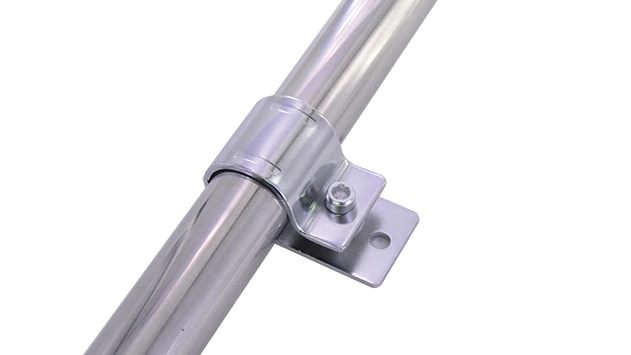
Lean Pipe Clamp Chrome
Lean pipe clamp is used for rack system hang monitor or other panel for workbenck, flowrack in production daily use.
In the world of manufacturing, where every second counts and efficiency is the name of the game, lean pipe systems have quietly become the unsung heroes. These versatile setups—think workbenches, flow racks, conveyors, and turnover trolleys—are the backbone of countless production floors, helping teams streamline workflows, reduce waste, and keep operations running like well-oiled machines. But here's the thing: the magic of these systems lies in their precision. Every component, from the smallest lean pipe joint to the sturdiest aluminum profile, needs to work in harmony. And when that harmony is disrupted—say, by a mismatch between a lean pipe clamp chrome and a non-standard pipe—suddenly, those efficiency gains can turn into frustrating headaches.
If you've ever stood in front of a wobbly workbench, tightened a clamp only to have it slip again, or watched a carefully assembled material rack sag under weight, you know exactly what we're talking about. Compatibility issues between clamps and pipes aren't just minor inconveniences; they threaten safety, slow down production, and eat into your bottom line. In this article, we're diving deep into this problem—why it happens, how it impacts your operations, and most importantly, what you can do to fix it. We'll focus on lean pipe clamp chrome, one of the most widely used components in these systems, and explore how it interacts (or fails to interact) with non-standard pipes like aluminum pipe or those from the stainless steel pipe series. By the end, you'll have the tools to ensure your lean pipe systems are as reliable as they are efficient.
Understanding Lean Pipe Clamp Chrome: The Unsung Hero of Stability
First, let's get to know the star of the show: lean pipe clamp chrome. These small but mighty components are the glue that holds lean pipe systems together. Made from high-quality steel with a chrome plating, they're designed to connect pipes at various angles, creating sturdy frames for everything from simple workbenches to complex conveyor systems. The chrome plating isn't just for looks, though— it adds corrosion resistance, ensuring the clamps hold up in busy, sometimes messy factory environments where oil, coolant, or moisture might otherwise take a toll.
But what makes a standard lean pipe clamp chrome "standard"? Typically, these clamps are engineered to fit pipes with a specific outer diameter (OD), most commonly 28mm for traditional lean pipes. They feature a bolt-and-nut mechanism that, when tightened, applies pressure to the pipe, creating a secure grip. The beauty of this design is its simplicity: no welding required, no specialized tools—just a wrench and a few minutes to assemble a rock-solid joint. This modularity is why lean pipe systems are so popular; they're easy to build, modify, and reconfigure as your production needs change.
However, this simplicity relies on one critical assumption: the pipe you're using matches the clamp's intended size and material. When that assumption is wrong, even the best lean pipe clamp chrome can fail. Let's say you're using a 28mm clamp on a pipe that's actually 30mm in OD. You might get it to tighten, but the pressure won't be evenly distributed, leading to a loose fit. Conversely, a 25mm pipe in a 28mm clamp will rattle around, no matter how hard you crank the bolt. And it's not just size—material matters too. A clamp designed for steel might not play nice with a softer aluminum pipe, or a harder stainless steel pipe might resist the clamp's grip entirely. Suddenly, that "sturdy" joint becomes a weak link.
Non-Standard Pipes: Why They're Used (and Why They Cause Trouble)
So, if standard pipes and clamps work so well, why would anyone use non-standard pipes in the first place? The answer lies in the unique demands of modern manufacturing. Every facility is different, and sometimes, standard components just don't cut it. Let's take aluminum pipe, for example. Lightweight, corrosion-resistant, and sleek-looking, aluminum pipes are a favorite in cleanrooms, pharmaceutical labs, or food processing plants where hygiene and aesthetics matter. They're also easier to maneuver, making them ideal for mobile setups like turnover trolleys. Then there's the stainless steel pipe series, prized for its strength and durability in heavy-duty applications—think automotive factories or warehouses where racks need to support hundreds of pounds of materials.
Sometimes, non-standard pipes aren't a choice but a necessity. Maybe a project requires a custom workbench with unusual dimensions, and the only way to get the right height or width is to use a pipe with a non-standard diameter. Or perhaps a supplier discontinued a standard pipe, leaving you with no option but to source an alternative. Whatever the reason, non-standard pipes can offer real benefits—lighter weight, better corrosion resistance, higher strength—but they come with a catch: they often deviate from the 28mm OD that lean pipe clamp chrome is designed for.
Let's break down the most common deviations:
- Outer Diameter (OD) Variations: Aluminum pipes, for instance, might come in 25mm or 30mm OD, while some stainless steel pipes could be 32mm. These small differences—just a few millimeters—are enough to throw off a standard clamp's grip.
- Wall Thickness: Even if the OD matches, a pipe with a thicker wall might have a smaller inner diameter (ID), affecting how the clamp's jaws seat. Conversely, a thin-walled pipe might not provide enough material for the clamp to bite into.
- Material Hardness: Aluminum is softer than steel, so a standard chrome clamp tightened too much can crush or deform it. Stainless steel, on the other hand, is harder; the clamp's teeth might not dig in, leading to slippage.
- Surface Finish: Some non-standard pipes have smoother surfaces (like polished stainless steel) or protective coatings (like anodized aluminum). While these finishes improve durability, they can reduce friction, making it harder for the clamp to hold on.
The result? A system that feels "off." Joints that loosen over time, frames that wobble under load, and a constant need for readjustments. In the worst cases, these issues can lead to equipment failure, putting your team at risk of injury. It's a problem that's all too common, but it's not insurmountable.

The Hidden Costs of Compatibility Issues: More Than Just a Wobbly Bench
At first glance, a loose clamp might seem like a minor annoyance. You tighten it, and move on with your day. But over time, these small issues add up—way more than you might think. Let's talk about the real costs of compatibility problems between lean pipe clamp chrome and non-standard pipes.
Safety First: The most critical cost is safety. A workbench that shifts when someone leans on it, a material rack that sags under a pallet of parts, or a conveyor that jolts because of a loose joint—all of these create hazards. Tools could fall off a wobbly surface, injuring a worker below. A sudden collapse could damage expensive equipment or raw materials. In some industries, like automotive or aerospace, even a small mistake in stability could lead to defective products, which in turn pose risks to end-users. Simply put, compatibility issues aren't just about productivity—they're about protecting your team.
Productivity Drain: Time is money, and compatibility issues waste a lot of it. Think about how often your team has to stop what they're doing to tighten clamps, adjust joints, or repair a sagging rack. Those 5-minute fixes add up over a week, a month, a year. Then there's the downtime when a system fails entirely. If your main assembly line conveyor breaks because of a faulty clamp, production stops until it's fixed. For a facility running two shifts, that could mean thousands of dollars in lost output.
Maintenance Headaches: Loose joints put extra stress on other components. A wobbly workbench might cause the lean pipe joint to wear out faster, or the caster wheels to degrade unevenly. Before you know it, you're replacing parts more frequently than you should, increasing your maintenance budget. And let's not forget the frustration of your maintenance team—constantly fixing the same issues instead of focusing on proactive upgrades or other critical tasks.
Reputation Risks: In manufacturing, consistency is key. If your products are built on unstable workbenches, there's a higher chance of errors—parts assembled incorrectly, measurements off, quality control slips. Over time, this can damage your reputation with clients who expect reliability. No one wants to be known as the supplier that delivers "good enough" products because their tools couldn't stay steady.
The good news? These costs are avoidable. By addressing compatibility issues head-on, you can turn a frustrating, expensive problem into an opportunity to build stronger, more reliable lean pipe systems.
Solving the Puzzle: How to Make Lean Pipe Clamp Chrome Work with Non-Standard Pipes
So, what's the solution? How do you ensure your lean pipe clamp chrome plays nice with non-standard pipes like aluminum pipe or stainless steel? The answer isn't one-size-fits-all, but with a little planning and the right tools, you can bridge the gap. Let's break down the steps.
Step 1: Start with Accurate Measurements (No Guessing Allowed)
The first rule of compatibility is: know your pipes. Before you order a single lean pipe clamp chrome, grab a caliper or a micrometer and measure your pipe's outer diameter (OD) and wall thickness. Standard lean pipe clamp chrome is designed for 28mm OD pipes, but non-standard pipes can vary widely—25mm, 30mm, 32mm, and beyond. Even a 1mm difference can make or break a clamp's grip. Write down these numbers, and keep them handy when shopping for clamps or lean pipe and accessories.
Don't forget to check the pipe's material and surface finish too. Is it aluminum? Stainless steel? Does it have a smooth polish or a rough texture? This information will help you choose the right clamp design later on.
Step 2: Choose the Right Clamp (or Modify It)
Once you have your measurements, it's time to find a clamp that fits. If your pipe's OD is close to standard (say, 29mm instead of 28mm), you might be able to use a standard lean pipe clamp chrome with a simple modification. For example, adding a thin rubber shim between the clamp and the pipe can increase friction and fill the gap. Just make sure the shim is heat-resistant and won't degrade over time—you don't want it to melt or crumble after a few months of use.
If the OD is significantly different, look for adjustable or custom clamps. Some manufacturers offer clamps with slotted jaws that can accommodate a range of pipe sizes, or you can order custom-made clamps from a lean pipe supplier who specializes in non-standard components. For softer materials like aluminum pipe, opt for clamps with rubber or plastic liners—these protect the pipe from being crushed while still providing a secure grip. For harder materials like stainless steel, look for clamps with serrated jaws that can bite into the surface for better hold.
Step 3: Use Adapters and Sleeves
Adapters are your best friend when dealing with non-standard pipes. For pipes that are too small for a standard clamp (e.g., 25mm OD), a sleeve—essentially a hollow tube that slides over the pipe—can increase the OD to 28mm, making it compatible with standard lean pipe clamp chrome. Sleeves are usually made of aluminum or steel and can be cut to the length you need. Just make sure the sleeve fits snugly; a loose sleeve will cause the same problems as a loose pipe.
For pipes that are too large (e.g., 30mm OD), consider using a reducer bushing. These are similar to sleeves but have a smaller inner diameter, allowing the clamp to grip the bushing instead of the pipe directly. Bushing are often made of durable plastics or metals and can be custom-machined to match your pipe's exact size.
Step 4: Test Before You Commit
Before you assemble an entire system, test your clamp-and-pipe combination. Build a small section—a simple frame or a corner joint—and put it through its paces. Apply pressure, shake it gently, and check for movement. If the joint holds, great! If not, adjust your approach. Maybe you need a thicker shim, a different clamp, or a custom adapter. Testing might take an extra hour, but it's far better than discovering a problem after you've spent days assembling a full system.
Step 5: Partner with a Knowledgeable Supplier
Not all lean pipe suppliers are created equal. Look for a supplier who doesn't just sell parts but offers technical support. A good lean pipe supplier or aluminum pipe supplier will ask about your specific needs: What kind of pipes are you using? What's the application (workbench, conveyor, rack)? What weight will it need to support? They can then recommend compatible clamps, adapters, or lean pipe and accessories that you might not have considered. Some suppliers even offer sample clamps or testing kits, so you can try before you buy.
A Real-World Example: How One Plant Fixed Their Compatibility Woes
Let's put this all into context with a real example. A mid-sized electronics manufacturer we worked with recently decided to upgrade their assembly line workbenches. They wanted a cleaner, more modern look, so they opted for aluminum pipe instead of traditional steel lean pipes. Aluminum is lightweight, corrosion-resistant, and has a sleek finish—perfect for their needs. But there was a problem: their existing lean pipe clamp chrome, designed for 28mm steel pipes, didn't fit the 30mm aluminum pipes they'd ordered. The clamps were too loose, and the workbenches wobbled so much that workers were reluctant to use them.
At first, they tried tightening the clamps as much as possible, but the aluminum pipe was too soft—the clamps started to indent the surface, weakening the pipe. Then they added rubber shims, which helped a little, but the shims compressed over time, and the wobble returned. Frustrated, they reached out to their lean pipe supplier for help.
The supplier recommended two solutions: first, switch to aluminum-specific clamps with rubber liners to protect the pipe and improve grip. Second, use 30mm-to-28mm reducers for any sections where they needed to connect the new aluminum pipes to existing steel components. The team tested a small workbench with these changes, and the difference was night and day. The clamps held firm, the workbench didn't wobble, and the rubber liners prevented indentation. They rolled out the solution across the entire assembly line, and within a week, the maintenance team reported zero clamp-related issues. Productivity increased, and workers felt safer and more confident using the new setups.
The key takeaway here? Compatibility issues are solvable—you just need the right approach and a supplier who understands your needs.
The Future of Lean Pipe Compatibility: Modularity and Innovation
As manufacturing continues to evolve, so too will lean pipe systems. One trend we're seeing is a move toward more modular, adjustable components. Manufacturers are designing clamps that can fit a range of pipe sizes with simple adjustments—no need for custom parts. For example, some new lean pipe clamp chrome models feature sliding jaws or interchangeable inserts that can be swapped out to match different pipe ODs. This flexibility is a game-changer for facilities that use a mix of standard and non-standard pipes.
Another trend is the rise of material-specific solutions. As aluminum pipe and stainless steel pipe series become more popular, clamp manufacturers are developing products tailored to these materials. We're seeing clamps with softer, more flexible liners for aluminum, and harder, more durable jaws for stainless steel. Some even include built-in sensors that alert maintenance teams when a clamp starts to loosen—a proactive approach to preventing issues before they happen.
Finally, digital tools are making compatibility easier than ever. Some lean pipe suppliers now offer online calculators or apps where you can input your pipe's OD, material, and application, and the tool recommends the best clamp and accessories. 3D modeling software also allows teams to test virtual assemblies before building them, identifying compatibility issues upfront.
Conclusion: Building a Lean System That Lasts
Lean pipe systems are all about efficiency, but efficiency without reliability is just a illusion. Compatibility issues between lean pipe clamp chrome and non-standard pipes can turn your well-designed system into a source of frustration, risk, and cost. But with the right knowledge—measuring accurately, choosing the right clamps or adapters, testing thoroughly, and partnering with a supportive supplier—you can ensure every joint is secure, every frame is stable, and every component works in harmony.
Whether you're using aluminum pipe for a cleanroom, stainless steel for heavy-duty applications, or a mix of non-standard materials, the goal is the same: create a system that supports your team, not slows them down. By addressing compatibility issues head-on, you're not just fixing a wobbly bench—you're investing in safety, productivity, and the long-term success of your operations. After all, in lean manufacturing, every detail counts. And when it comes to your lean pipe systems, the details start with a clamp that fits.
| Pipe Type | Common Non-Standard OD (mm) | Challenges with Standard Lean Pipe Clamp Chrome | Recommended Solutions |
|---|---|---|---|
| Aluminum Pipe | 25mm, 30mm | Soft material dents easily; smooth surface reduces grip | Aluminum-specific clamps with rubber liners; 25mm sleeves for smaller OD |
| Stainless Steel Pipe Series | 32mm, 35mm | Hard material resists clamp jaws; polished finish reduces friction | Serrated-jaw clamps; reducers for larger OD pipes |
| Thin-Walled Steel Pipe | 28mm OD, 0.8mm wall | Clamp pressure causes pipe to collapse | Reinforced clamps with wider jaws; internal sleeves to support pipe |
| Coated Lean Pipe | 28mm OD (coating adds 0.5mm) | Coating reduces friction; clamp slips over time | Clamps with textured jaws; adhesive-backed shims |