- Company Articles
- Products and Technology
- Product knowledge
- Adhesive-Backed Aluminum Profile Rubber Strips: Pros and Cons

Adhesive-Backed Aluminum Profile Rubber Strips: Pros and Cons
Related Product
Aluminum Profile Rubber Strip
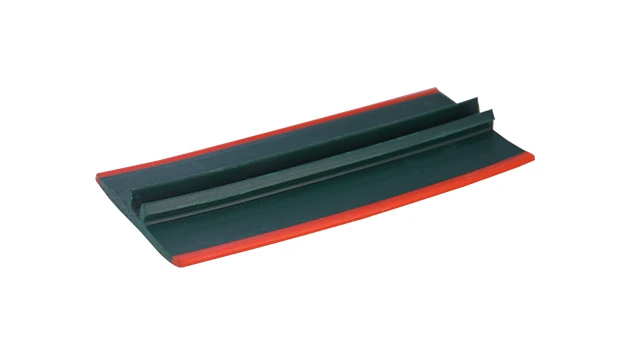
The tread strip fits into a T-slot channel and provides an anti-slip ribbed surface. It has a key pad that presses into a T-slot and is commonly used for adding traction on steps or as padding for doors. Tread strip can be ordered by rolls. The high quali
Introduction: The Unsung Hero of Aluminum Extrusion Projects
Walk into any modern factory, workshop, or even a DIY enthusiast's garage, and you'll likely spot aluminum extrusion profiles hard at work. These versatile, lightweight structures form the backbone of workbenches, conveyor systems, material racks, and machine guards—quietly keeping operations running smoothly. But if you lean in closer, you might notice something smaller yet equally crucial: thin, flexible strips of rubber, neatly fitted into the T-slots of those aluminum profiles. These are adhesive-backed aluminum profile rubber strips, the unsung heroes that turn functional frameworks into polished, problem-solving solutions.
Whether you're a manufacturer assembling a high-precision workbench or a hobbyist building a custom storage rack, these strips play a vital role in bridging gaps, reducing noise, and protecting both the profiles and the materials they handle. But like any tool, they're not without trade-offs. In this article, we'll dive deep into what makes adhesive-backed aluminum profile rubber strips indispensable, where they fall short, and how to decide if they're the right fit for your project.
What Are Adhesive-Backed Aluminum Profile Rubber Strips?
At their core, adhesive-backed aluminum profile rubber strips are simple: a strip of rubber (often made from EPDM, silicone, or neoprene) with a strong, pressure-sensitive adhesive backing. Designed to slide into the T-slots of aluminum extrusion profiles—those grooves running along the length of the profile—they're part of the broader category of aluminum profile accessories, alongside brackets, connectors, and end caps. Their primary job? To enhance the functionality of aluminum profiles by addressing common pain points like sharp edges, gaps, and noise.
Think of them as the "finishing touch" for aluminum structures. Without them, a bare aluminum profile might have rough, scratch-prone edges, allow dust and debris to accumulate in T-slots, or create a racket when parts slide across it. With a rubber strip in place, suddenly that same profile becomes safer, cleaner, and quieter. It's a small addition, but one that can drastically improve the user experience.

The Pros: Why These Strips Deserve a Spot in Your Project
Adhesive-backed aluminum profile rubber strips have earned their place in workshops and factories worldwide for good reason. Let's break down their biggest advantages:
1. Sealing and Protection Against Debris
Aluminum extrusion profiles, with their T-slots, are designed for customization—you can add brackets, shelves, or tools by sliding accessories into those slots. But when those slots aren't in use, they act like tiny traps for dust, dirt, and even small parts. A rubber strip inserted into an unused T-slot seals it shut, preventing debris from building up. This is a game-changer in environments like electronics manufacturing, where even a speck of dust can ruin a circuit board, or in food processing facilities, where cleanliness is non-negotiable.
Real-World Example: A small electronics workshop in Ohio was struggling with frequent jams in their aluminum profile conveyor system. After inspecting, they realized dust and solder particles were collecting in the T-slots of the conveyor rails, causing circuit board components to catch. Adding adhesive-backed rubber strips to the unused slots eliminated the jams entirely—saving them hours of downtime each week.
2. Noise Reduction: From Clang to Whisper
Metal-on-metal contact is never quiet. When parts slide across bare aluminum profiles—whether on a workbench, a material rack, or a roller track—the result is a constant clatter that can wear on workers' focus and morale. Adhesive-backed rubber strips act as a buffer, absorbing impact and muffling sound. Imagine a plastic bin full of screws being slid across a workbench: on bare aluminum, it might sound like a cymbal crash; with a rubber strip, it's more like a soft thud. Over a full workday, that difference adds up to a calmer, more productive environment.
3. Edge Protection: Safety First
Aluminum extrusion profiles are durable, but their edges—especially when cut or machined—can be surprisingly sharp. A quick brush against an unprotected edge might leave a scratch or even a cut. Rubber strips add a soft, rounded barrier that turns those sharp edges into safe, smooth surfaces. This is especially important in high-traffic areas, like factory floors where workers move quickly around workbenches and material racks, or in schools and makerspaces where beginners might be handling aluminum profiles for the first time.
4. Easy Installation: No Tools, No Fuss
One of the biggest draws of these strips is how simple they are to install. Unlike other aluminum profile accessories that require bolts, screws, or specialized tools, adhesive-backed strips come with a peel-and-stick backing (often using industrial-grade adhesives like 3M). Just clean the T-slot, peel off the protective film, and press the strip into place. It takes seconds per slot, even for someone with no technical experience. This makes them a favorite for quick fixes or last-minute adjustments—no need to halt production to bring in a maintenance crew.
5. Versatility: One Strip, Many Uses
Adhesive-backed rubber strips aren't one-trick ponies. They come in a range of sizes, colors, and materials to suit different needs. Need something heat-resistant for a profile near a welding station? Silicone-based strips can handle temperatures up to 500°F. Working with food-grade equipment? EPDM strips are FDA-approved and resistant to oils and chemicals. Even the color options matter: yellow strips can highlight hazards, while black or gray blend in for a sleek, professional look. And because they're designed for T-slots, they work with nearly any aluminum extrusion profile—from small 20x20mm hobbyist profiles to heavy-duty 40x80mm industrial ones.
6. Cost-Effective: Big Results, Small Price Tag
Compared to other aluminum profile accessories, adhesive-backed rubber strips are budget-friendly. A roll of 10 meters might cost less than $20, yet it can transform multiple workbenches or racks. When you factor in the savings from reduced downtime (no more jams from debris), fewer workplace injuries (thanks to edge protection), and longer profile lifespan (less wear from friction), they quickly pay for themselves. For small businesses or DIYers watching their bottom line, this affordability is a huge plus.
7. Chemical and Weather Resistance
Many rubber strips are formulated to stand up to harsh substances like oils, solvents, and cleaning agents—common in manufacturing and automotive settings. They also resist UV damage and moisture, making them suitable for both indoor and outdoor use. A material rack stored in a warehouse with high humidity? The rubber strips will prevent rust from forming in the T-slots. A workbench used with degreasing agents? The strips won't degrade or lose their grip. This resilience makes them a reliable choice for tough environments.

The Cons: Where Adhesive-Backed Rubber Strips Fall Short
For all their benefits, adhesive-backed aluminum profile rubber strips aren't perfect. Understanding their limitations will help you avoid frustration and choose the right solution for your project. Here are the key drawbacks:
1. Adhesive Failure in Extreme Conditions
The adhesive backing is the strip's weak link in extreme temperatures. While some high-quality strips can handle moderate heat or cold, prolonged exposure to extremes—like a profile mounted near a furnace (over 150°F) or stored in a freezing warehouse (below 32°F)—can cause the adhesive to weaken or fail. When that happens, the strip peels away, leaving the T-slot exposed again. In one case, a bakery using aluminum profile racks to store dough trays found their rubber strips peeling after just a few weeks; the warm, humid environment near the ovens had broken down the adhesive.
2. Limited Durability Under Heavy Wear
Rubber is tough, but it's not indestructible. In high-traffic areas where the strip is constantly being rubbed, scraped, or pressed—like the edge of a workbench where tools are set down hundreds of times a day—the rubber can wear thin or tear. Over time, this exposes the aluminum underneath, undoing the strip's protective benefits. For example, a automotive repair shop using rubber strips on their workbench edges noticed the strips starting to fray after six months of mechanics leaning on them with greasy gloves.
3. T-Slot Compatibility Issues
Not all aluminum extrusion profiles are created equal. T-slot sizes and shapes can vary between manufacturers—some are wider, some deeper, and some have rounded edges instead of square ones. If you buy a rubber strip that's too thick or too narrow for your profile's T-slot, it won't fit properly. A strip that's too loose will slide out; one that's too tight might tear when you try to insert it. This means you can't always grab "one size fits all" strips—you'll need to measure your T-slots first, which adds an extra step to the buying process.
4. Color Fading Over Time
If you've invested in colored rubber strips (like bright yellow for visibility), be prepared for some fading. UV light from sunlight or fluorescent bulbs can bleach the color over months or years, turning vibrant yellow into a dull cream or gray. While this doesn't affect functionality, it can be a letdown if aesthetics matter—say, in a customer-facing workshop or a retail display built with aluminum profiles.
5. Tricky Removal and Residue
When it's time to replace a worn-out strip or reconfigure your aluminum profile setup, removing the old strip can be a hassle. The adhesive often leaves behind a sticky residue that's tough to clean off. Scraping it with a tool risks scratching the aluminum, and using solvents might damage the profile's finish. A small manufacturer in Texas learned this the hard way when they tried to reposition their rubber strips; the residue took hours to remove with rubbing alcohol, delaying their production schedule.
6. Not Ideal for High-Load Applications
Adhesive-backed rubber strips are great for light to moderate use, but they're not designed to bear weight. If you try to use them to support heavy objects—like a shelf bracket propped on a strip—the rubber will compress or tear, and the adhesive might fail. For structural support, you're better off using metal brackets or clamps specifically designed for aluminum profiles. The strips are meant to enhance, not replace, the profile's load-bearing capabilities.
Pros vs. Cons: A Quick Reference Table
| Pros | Cons |
|---|---|
| Seals T-slots to prevent dust/debris buildup | Adhesive may fail in extreme temperatures |
| Reduces noise from metal-on-metal contact | Wears quickly under heavy friction/wear |
| Protects against sharp edges and scratches | May not fit all T-slot sizes/shapes |
| Easy peel-and-stick installation (no tools needed) | Color fades over time with UV exposure |
| Versatile (heat/chemical-resistant options available) | Leaves sticky residue when removed |
| Cost-effective and budget-friendly | Not suitable for high-load or structural support |
Who Should (and Shouldn't) Use These Strips?
Adhesive-backed aluminum profile rubber strips are a great fit for most projects, but there are cases where they shine—and cases where you might want to look for alternatives.
Ideal For:
- Workbench and Material Rack Builders: Whether you're assembling a basic aluminum workbench or a multi-tier material rack, these strips add safety (edge protection) and functionality (noise reduction, debris sealing).
- DIY Enthusiasts: For hobbyists building custom shelves, 3D printer enclosures, or garage storage, the easy installation and low cost make these strips a no-brainer.
- Low-to-Moderate Traffic Areas: In workshops where profiles aren't subjected to constant heavy wear (e.g., office furniture, light-duty conveyors), the strips will last for years.
- Cleanliness-Critical Environments: Labs, electronics assembly lines, and food processing facilities benefit from the dust-sealing properties of the strips.
Think Twice If:
- You Need High-Temperature Resistance: If your project is near ovens, furnaces, or other heat sources (over 150°F), opt for silicone-based strips or consider mechanical fasteners instead.
- Heavy Wear Is Expected: For profiles that will see constant scraping (e.g., industrial conveyor rails, loading dock ramps), metal edge protectors or wear-resistant tapes may be more durable.
- You Need a Permanent, No-Mess Solution: If you never plan to remove the strips, residue isn't an issue—but if you anticipate reconfiguring your setup, mechanical T-slot covers (like plastic or metal inserts) might be easier to adjust.
Tips for Choosing the Right Adhesive-Backed Rubber Strip
Not all rubber strips are created equal. Follow these tips to ensure you pick the best one for your project:
- Measure Your T-Slots: Use a caliper to measure the width and depth of your aluminum profile's T-slots. Strips are labeled by size (e.g., "8mm width x 5mm depth"), so matching this ensures a snug fit.
- Check the Adhesive Quality: Look for strips with industrial-grade adhesives (like 3M VHB) for better longevity. Avoid generic "no-name" adhesives, which often fail quickly.
- Consider the Environment: For outdoor use or high humidity, choose EPDM rubber (resistant to moisture and UV). For high heat, go with silicone. For chemical exposure, check the manufacturer's resistance charts.
- Test Before Full Installation: Buy a small sample first and test it in your environment. Stick it to the profile, let it sit for a day, then check for peeling or slipping. This saves you from wasting money on a full roll that doesn't work.
- Don't Overlook Color: While black and gray are standard, colored strips (yellow, red) can improve visibility in safety zones. Just keep in mind that bright colors may fade over time.
Conclusion: Small Strip, Big Impact
Adhesive-backed aluminum profile rubber strips may be small, but their impact on aluminum extrusion projects is undeniable. They turn rough, noisy frameworks into polished, user-friendly tools—sealing gaps, reducing noise, and protecting both people and materials. For most workshops, factories, and DIY setups, their pros far outweigh their cons: they're affordable, easy to install, and versatile enough to handle a range of tasks.
That said, they're not a one-size-fits-all solution. Extreme temperatures, heavy wear, and poor T-slot compatibility can limit their effectiveness. By understanding their strengths and weaknesses, and by choosing the right strip for your environment, you can ensure they deliver the results you need.
So the next time you're assembling an aluminum profile workbench, material rack, or conveyor system, don't forget the little stuff. Those adhesive-backed rubber strips might just be the finishing touch that takes your project from "functional" to "fantastic."