- Company Articles
- Products and Technology
- Product knowledge
- Adjustable Leveling Feet for Lean Pipe Flexible Workstations – Customization Options

Adjustable Leveling Feet for Lean Pipe Flexible Workstations – Customization Options
Related Product
Adjustable Leveling Feet
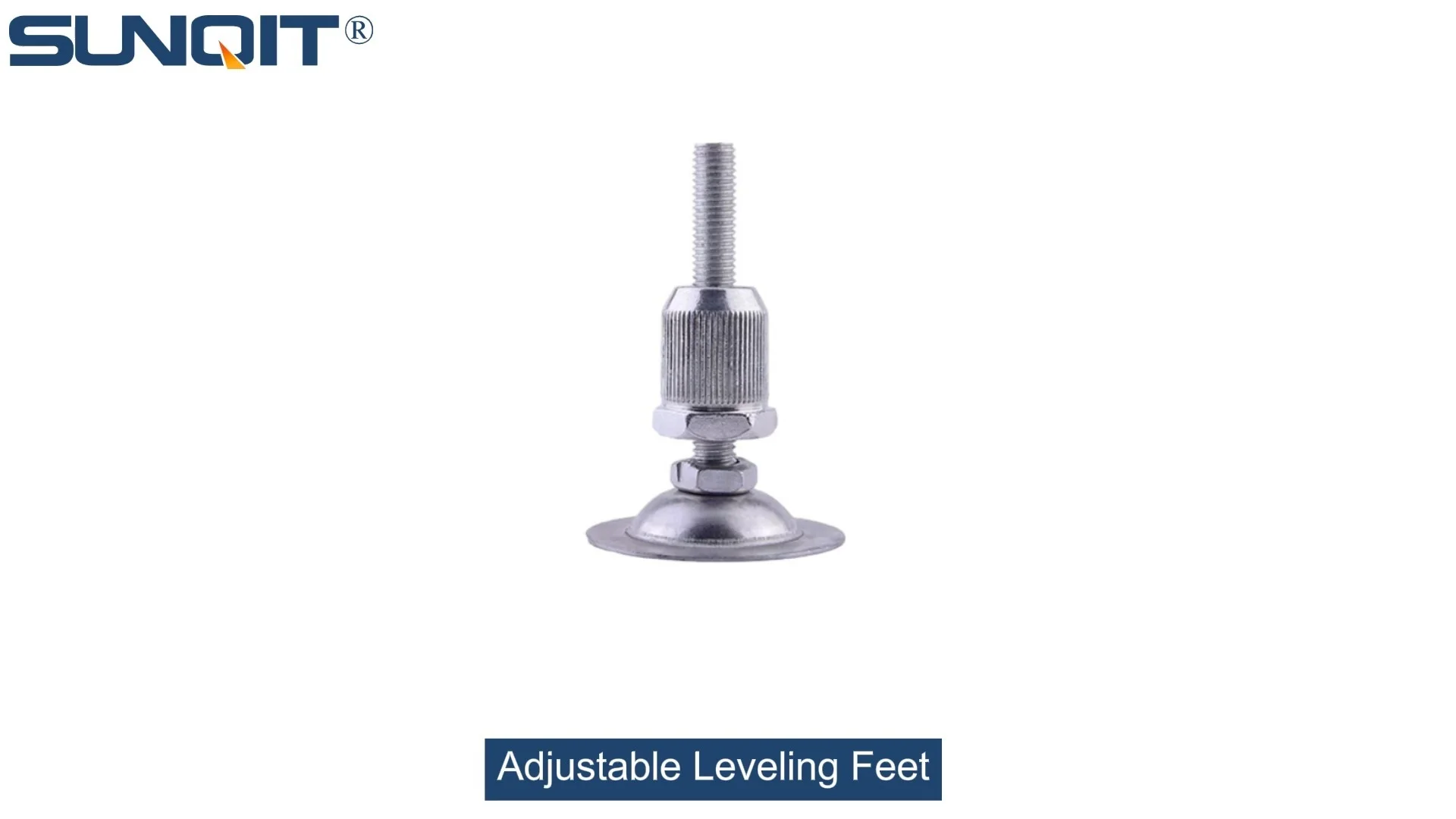
Adjustable leveling feet are designed to keep machines level when placed on uneven or sloped ground. Otherwise known as adjustable equipment feet, they are available to order in a wide variety of size and load capacity combinations.
In the world of manufacturing, where every second counts and efficiency is the name of the game, lean principles have become more than just a buzzword—they're the backbone of successful production lines. At the heart of these principles lies the workstation: a dynamic, adaptable space where operators spend hours assembling, testing, and preparing products. A well-designed workstation doesn't just look organized; it feels intuitive, reduces unnecessary movement, and minimizes errors. But what makes a workstation truly "lean"? While most of us might focus on the visible components—like the
lean pipe workbench
frame, the tools hanging neatly, or the conveyor belts feeding materials—there's an unsung hero working quietly beneath the surface: adjustable leveling feet. These small but mighty components are the foundation of stability, precision, and customization, ensuring that your workstation doesn't just fit your space, but adapts to it.
The Role of Adjustable Leveling Feet in Lean Workstations
Let's start with the basics: What exactly are adjustable leveling feet, and why should you care about them? Put simply, these are threaded components attached to the bottom of workstation legs (or frames) that allow you to raise or lower individual parts of the workstation. Their primary job? To level the work surface on uneven floors, but their impact goes far beyond that. Imagine a scenario where your production floor has a slight slope—common in older facilities or large warehouses. Without leveling feet, your workbench might wobble, tools could slide off, and operators might strain their backs leaning to one side to compensate for the uneven surface. Over time, this isn't just a productivity killer; it's a safety risk. Loose tools cause delays, uneven surfaces lead to fatigue, and unstable workbenches can even damage sensitive equipment. Adjustable leveling feet eliminate these issues by letting you fine-tune each corner of the workstation, creating a perfectly flat, stable surface no matter what the floor throws at you.
But their value doesn't stop at stability. In lean manufacturing, adaptability is key. Production needs change—new products require different tools, team sizes fluctuate, and floor layouts get rearranged. Adjustable leveling feet make your workstation a partner in this flexibility. Need to raise the workbench by 5cm to accommodate taller operators? Twist the leveling feet. Moving the workstation to a new area with a bumpy concrete floor? Adjust each foot to compensate. Even in fixed locations, seasonal temperature changes can cause floors to expand or contract slightly; leveling feet let you readjust without rebuilding the entire bench. In short, they turn a static piece of equipment into a dynamic tool that grows with your business.
Understanding the Lean Pipe Workbench Ecosystem
To fully appreciate adjustable leveling feet, it helps to understand the broader ecosystem they belong to: the
lean pipe and accessories
family. Lean pipe systems—often made from aluminum, steel, or plastic-coated pipes—are known for their modularity. Unlike traditional fixed workbenches, which are built to specific dimensions and hard to modify, lean pipe workbenches use a grid of pipes and joints that can be disassembled, reconfigured, and expanded in minutes. This modularity is what makes them ideal for lean environments: you can add shelves, attach tool holders, or even convert a single workbench into a double-sided station as needs change.
Within this ecosystem, adjustable leveling feet are the quiet enablers. They work hand-in-hand with other components like joints (which connect pipes),
aluminum profile
frames (for added rigidity), and even
caster wheels
(for mobility). For example, many workstations are designed with both casters and leveling feet: the casters let you roll the bench to a new location, and once in place, you lower the leveling feet to lock it down—combining mobility with stability. This hybrid approach is a favorite in facilities where workstations need to be repositioned for batch production or line changes. Without leveling feet, relying solely on casters would mean sacrificing stability; with them, you get the best of both worlds.
Another key player in this ecosystem is the aluminum profile. Lightweight yet strong, aluminum profiles are often used in high-precision workstations, where rigidity and corrosion resistance matter. Adjustable leveling feet designed for aluminum profile frames are typically made from matching materials—like anodized aluminum—to ensure compatibility and a clean, professional look. They're also engineered to fit the T-slots common in aluminum profiles, making installation a breeze (no drilling required!). This synergy between materials is what makes lean systems so versatile: whether you're building a basic assembly bench or a specialized ESD workstation, the components work together seamlessly.

Customization Options: Tailoring Leveling Feet to Your Needs
One of the biggest advantages of adjustable leveling feet is their customization potential. No two workstations are the same, and neither are the floors they sit on. A small electronics workshop with polished concrete floors will have different needs than a heavy machinery plant with cracked, uneven asphalt. Let's break down the key customization options available, so you can choose the right feet for your unique environment.
1. Height Adjustment Range
The most obvious customization is height adjustment. Leveling feet come in a range of thread lengths, allowing you to raise or lower the workstation by as little as 10mm or as much as 100mm (and beyond for specialized models). Why does this matter? For starters, ergonomics. The ideal workbench height varies by task: assembly might require a surface 80cm high, while packaging could need 90cm. With adjustable feet, you can tweak the height to match operator comfort, reducing strain and boosting productivity. Second, floor unevenness. A warehouse with a 2cm slope across 5 meters might need 20mm of adjustment on one side to keep the bench level. Finally, compatibility with other equipment. If your workstation needs to align with a conveyor belt that sits 75cm off the ground, adjustable feet let you fine-tune the height until everything lines up perfectly—no more awkward gaps or material jams.
2. Load Capacity
Not all workstations carry the same weight. A bench used for assembling small circuit boards might hold 50kg of tools and materials, while one in an automotive plant could support 500kg or more (think heavy power tools, metal parts, and fixtures). Adjustable leveling feet are rated for specific load capacities, and choosing the right one is critical. Overloading a foot can cause it to bend, strip the threads, or even snap—leading to a collapsed workstation and potential injury. When selecting leveling feet, always check the maximum load rating per foot, and remember to account for dynamic loads (e.g., operators leaning on the bench or tools being placed abruptly). For heavy-duty applications, look for feet with reinforced bases or steel cores; for lighter use, aluminum or plastic options might be more cost-effective.
3. Material: Choosing the Right Build for Your Environment
The material of your adjustable leveling feet isn't just about aesthetics—it's about durability and performance. Let's break down the most common options:
- Aluminum: Lightweight, corrosion-resistant, and easy to adjust. Aluminum feet are a top choice for cleanrooms, food processing facilities, or any environment where rust is a concern. They often come with anodized finishes (silver, black, or custom colors) to match aluminum profile workbenches. Best for medium loads (up to 300kg per foot) and indoor use.
- Stainless Steel: The heavyweight champion. Stainless steel feet are built to withstand harsh conditions—high humidity, chemical exposure, or outdoor use. They're also incredibly strong, with load capacities up to 1000kg per foot. Common in pharmaceutical labs, marine applications, or industrial settings where durability is non-negotiable.
- Plastic-Coated Steel: A budget-friendly option that combines steel's strength with plastic's non-slip properties. The plastic coating (often nylon or rubber) protects floors from scratches and reduces noise when adjusting the feet. Great for warehouses with concrete floors or environments where floor protection is a priority.
- Rubber Bases: While not a material for the entire foot, rubber bases are a critical accessory. They add grip, reduce vibration (important for precision work), and prevent the foot from sinking into soft floors (like wood or vinyl). Many leveling feet come with replaceable rubber pads, so you can swap them out if they wear down.
4. Specialized Features for Unique Needs
Beyond height, load, and material, adjustable leveling feet can be customized with features tailored to specific industries or challenges:
ESD Protection:
In electronics manufacturing, static electricity is the enemy—it can fry sensitive components in an instant. ESD-safe leveling feet are made with conductive materials (like stainless steel) or have anti-static rubber bases that dissipate static charges, keeping your workbench grounded and your products safe.
Locking Mechanisms:
For workstations that need extra stability (e.g., those used with heavy machinery), some leveling feet come with locking nuts or jam nuts. Once you've adjusted the height, you tighten the locking nut against the workstation leg, preventing the foot from unscrewing over time due to vibration.
Swivel Bases:
Not all floors are uneven in just two dimensions—some have bumps or dips that require the foot to tilt slightly to make full contact. Swivel-base leveling feet pivot up to 15 degrees, ensuring the base stays flat on the floor even if the leg is at an angle. This is a game-changer for older facilities with warped concrete or outdoor workspaces with gravel or grass.
Color Coding:
In large facilities with multiple workstations, color-coded leveling feet can help with organization. For example, red feet might indicate a maximum load of 200kg, while blue feet signal 500kg. This makes it easy for maintenance teams to quickly identify and replace feet that are overloaded or damaged.

Comparing Adjustable Leveling Feet: A Buyer's Guide
With so many options on the market, choosing the right adjustable leveling feet can feel overwhelming. To simplify the process, we've put together a comparison table of popular models, highlighting key features to help you find the perfect fit for your
lean pipe workbench
.
| Model Name | Material | Height Adjustment Range (mm) | Max Load Capacity (kg per foot) | Special Features | Best For |
|---|---|---|---|---|---|
| Aluminum Light-Duty (AL-100) | Anodized Aluminum | 30-80 | 200 | ESD-safe, T-slot compatible | Electronics assembly, aluminum profile workbenches |
| Stainless Steel Heavy-Duty (SS-500) | 304 Stainless Steel | 50-150 | 800 | Locking nut, swivel base | Automotive manufacturing, heavy machinery workstations |
| Plastic-Coated Economy (PC-150) | Steel core with nylon coating | 20-60 | 150 | Non-slip rubber base, budget-friendly | Warehousing, light assembly, general use |
| Rubber-Tipped Precision (RT-300) | Zinc-plated steel | 40-100 | 300 | Vibration-dampening rubber, fine-thread adjustment | Lab workstations, precision assembly (e.g., medical devices) |
| Swivel Base Extreme (SBX-1000) | Stainless Steel (316 grade) | 60-200 | 1000 | 15° swivel range, chemical-resistant coating | Outdoor use, chemical plants, marine environments |

Installation and Maintenance: Getting the Most Out of Your Leveling Feet
Even the best adjustable leveling feet won't perform well if they're installed incorrectly. Here's a step-by-step guide to ensuring a stable, long-lasting setup:
Installation Tips
- Prepare the Workstation: Before attaching the leveling feet, assemble the lean pipe workbench frame according to the manufacturer's instructions. Ensure all joints are tight and the frame is square—an uneven frame will make leveling harder later.
- Thread the Feet: Screw the leveling feet into the pre-drilled holes (or T-slots) at the bottom of the workstation legs. Hand-tighten them for now—you'll adjust the height later.
- Position the Workstation: Move the bench to its final location. If using casters, lock them in place to prevent movement during leveling.
- Level the Surface: Place a spirit level on the workbench surface. Start with one corner and adjust the leveling foot until the bubble is centered. Move to the opposite corner and repeat, then check the other two corners. For larger workbenches, check the middle as well—some floors sag in the center, requiring extra adjustment.
- Lock and Test: Once level, tighten any locking nuts (if included) to secure the feet. Give the bench a gentle shake to test stability—if it wobbles, recheck the leveling. Finally, place a few heavy objects on the bench (matching your typical load) and recheck the level—some feet might compress slightly under weight.
Maintenance Best Practices
Adjustable leveling feet are low-maintenance, but a little care goes a long way:
- Clean Regularly: Dirt, debris, or oil on the threads can make adjustment difficult. Wipe the feet with a damp cloth monthly, and use a small brush to clean the threads if they get clogged.
- Lubricate Threads: For feet that are adjusted frequently, apply a light machine oil to the threads to prevent rust and ensure smooth movement. Avoid heavy greases, which can attract dust.
- Inspect Rubber Bases: Check rubber pads for cracks or wear every 3-6 months. replace them if they're no longer gripping the floor—this is cheap insurance against slips.
- Relevel After Moving: If you reposition the workstation, always recheck the level. Even a small move can throw off the feet, especially on uneven floors.
Real-World Applications: How Customization Solves Problems
To see the impact of adjustable leveling feet in action, let's look at a few real-world examples:
Case Study 1: Electronics Manufacturer in Singapore
A company producing circuit boards for smartphones was struggling with high defect rates. Upon investigation, they found that their workbenches were slightly uneven, causing components to shift during soldering. They switched to aluminum profile workbenches with ESD-safe adjustable leveling feet (Model AL-100 from our table). By fine-tuning the height to match operator ergonomics and ensuring the surface was perfectly level, defect rates dropped by 30% in the first month. The ESD protection also eliminated static-related failures, saving thousands in damaged components.
Case Study 2: Automotive Parts Supplier in Michigan
A heavy-duty parts supplier needed workstations that could handle 600kg loads (engine blocks, transmissions) and withstand daily washdowns with industrial cleaners. They chose stainless steel workbenches paired with Model SS-500 leveling feet (stainless steel, 800kg capacity, swivel bases). The swivel bases compensated for the shop's uneven concrete floor, and the stainless steel construction resisted corrosion from the cleaners. Today, the workstations have been in use for 5 years with no signs of wear—proving that investing in quality leveling feet pays off long-term.
Case Study 3: Small Bakery in Paris
A family-owned bakery expanded its production line but faced a problem: their new dough-prep table wobbled on the historic building's uneven stone floor. They couldn't afford a custom concrete slab, so they opted for a budget-friendly
lean pipe workbench
with plastic-coated leveling feet (Model PC-150). The non-slip rubber bases prevented the table from sliding on the stone, and the adjustable height let them align the table with their existing ovens. Best of all, when they move to a larger space next year, they can take the bench with them and readjust the feet to the new floor.
Conclusion: Small Component, Big Impact
In the world of lean manufacturing, it's often the smallest components that make the biggest difference. Adjustable leveling feet might not be the first thing you notice about a
lean pipe workbench
, but they're the reason it works so well. They turn an ordinary workstation into a customized tool that adapts to your floor, your operators, and your changing needs. Whether you're assembling microchips or heavy machinery, working in a cleanroom or a dusty warehouse, there's a leveling foot designed to meet your challenges.
When choosing adjustable leveling feet, remember to prioritize load capacity, material, and height range—but don't overlook the "extras" like ESD protection or swivel bases. And always pair them with quality
lean pipe and accessories
to ensure compatibility and performance. After all, a lean workstation is only as strong as its weakest link—and with the right leveling feet, that link will never be weak.
So the next time you walk through your production line, take a moment to look down. Those small, unassuming components under your workbench? They're not just keeping things level—they're lifting your entire operation to new heights of efficiency.