- Company Articles
- Products and Technology
- Product knowledge
- Adjustable Leveling Feet for Outdoor Factories: Weatherproof Options Explained

Adjustable Leveling Feet for Outdoor Factories: Weatherproof Options Explained
Related Product
Adjustable Leveling Feet
Adjustable leveling feet are designed to keep machines level when placed on uneven or sloped ground. Otherwise known as adjustable equipment feet, they are available to order in a wide variety of size and load capacity combinations.
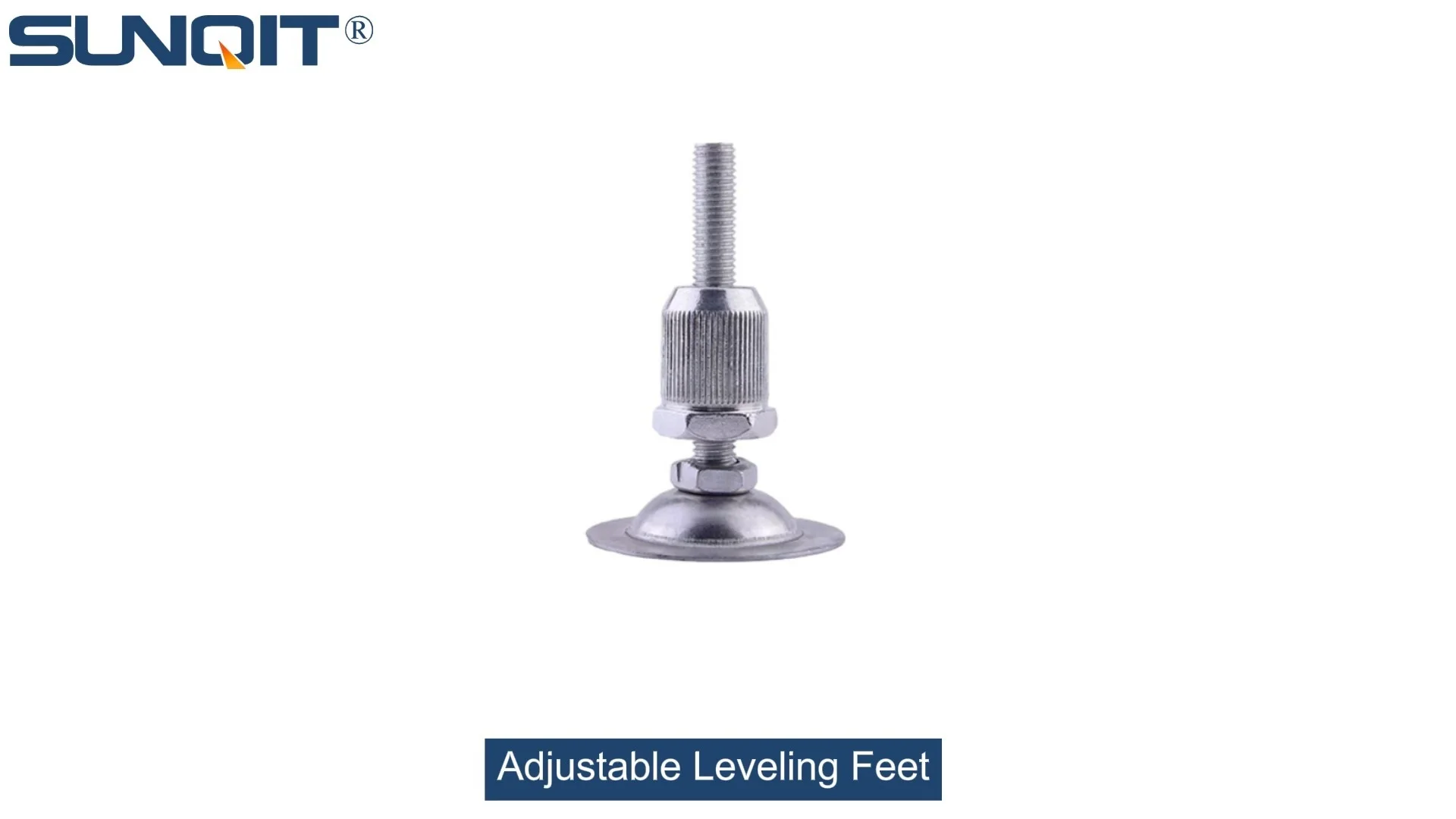
Outdoor factories operate in one of the harshest environments for industrial equipment. Exposed to rain, snow, scorching sunlight, and fluctuating temperatures, every component—from large conveyor systems to small workbenches—faces constant challenges. Among these components, adjustable leveling feet might seem, but they play a critical role in keeping operations running smoothly. These small but mighty tools compensate for uneven ground, reduce vibration, and protect equipment from ground moisture. However, in outdoor settings, standard leveling feet quickly succumb to rust, cracking, or corrosion. That's where weatherproof adjustable leveling feet come in. In this article, we'll explore why these specialized feet are essential, the materials that make them weather-resistant, and how to choose the right options for your outdoor factory needs.
The Outdoor Factory Challenge: Why Weatherproofing Matters
Outdoor factories are not just "factories with a roof missing"—they're battlefields against the elements. Let's break down the environmental stressors that make weatherproof equipment a necessity:
Moisture:
Rain, morning dew, and even high humidity can seep into metal components, leading to rust and corrosion. For leveling feet, which sit directly on the ground, this moisture is unavoidable. Over time, unprotected metal feet will weaken, their threads will seize up, and they'll fail to adjust properly.
UV Radiation:
Prolonged exposure to sunlight's UV rays degrades plastic components, causing them to become brittle and crack. Standard rubber or plastic leveling feet may lose their grip or structural integrity after just a few months outdoors.
Temperature Extremes:
Freezing temperatures can cause water trapped in threads to expand, cracking metal. Sweltering heat, on the other hand, can soften plastics and reduce the load-bearing capacity of materials. These fluctuations test the durability of even the sturdiest components.
Debris and Chemicals:
Outdoor settings often have more dust, dirt, and debris that can clog adjustment mechanisms. In some cases, factories near coastal areas face salt spray, while others might deal with industrial runoff—both corrosion in unprotected metal.
For equipment like workbenches, conveyor systems, or material racks, unstable or corroded leveling feet aren't just a nuisance—they're a safety hazard. A wobbly workbench increases the risk of tool or product damage, while a tilted conveyor can jam or spill materials. Weatherproof adjustable leveling feet aren't optional here; they're a foundational investment in reliability.
Why Adjustable Leveling Feet Are Non-Negotiable in Outdoor Settings
Before diving into weatherproof options, let's clarify why adjustable leveling feet are essential in any factory, indoor or outdoor. Their primary job is to
stabilize equipment on uneven surfaces
. Outdoor factory floors—often concrete, gravel, or dirt—are rarely perfectly flat. A slight slope or pothole can throw off a workbench's balance, leading to vibration during use, which wears down machinery and strains workers.
Beyond stability, these feet protect equipment from ground-level moisture. By elevating the base of a workbench or rack a few centimeters off the ground, they prevent direct contact with standing water after rain. This elevation also improves airflow, reducing the risk of mold or mildew growth on lower components.
In outdoor settings, the "adjustable" feature becomes even more critical. Seasonal changes can shift the ground: freezing temperatures heave soil upward, while heavy rains may erode it. A foot that can be easily re-tightened or adjusted ensures equipment remains level year-round, without the need for costly reinstallations.

Weatherproof Materials: Aluminum Profile vs. Stainless Steel Pipe Series
The key to weatherproof adjustable leveling feet lies in their materials. Two options stand out for outdoor use: aluminum profile-based feet and those made from stainless steel pipe series components. Let's compare their strengths, weaknesses, and ideal applications.
| Feature | Aluminum Profile Leveling Feet | Stainless Steel Pipe Series Leveling Feet |
|---|---|---|
| Corrosion Resistance | High; aluminum forms a natural oxide layer that blocks rust. Anodized finishes enhance protection. | Excellent; stainless steel (304 or 316 grade) resists rust, even in saltwater or high-humidity environments. |
| Weight | Lightweight (about 1/3 the weight of steel), making installation and adjustments easier. | Heavier, providing better stability for heavy-load equipment (e.g., large conveyor systems). |
| Load Capacity | Suitable for medium loads (up to 500kg per foot with reinforced aluminum profile). | Ideal for heavy loads (up to 1,000kg+ per foot, depending on stainless steel thickness). |
| UV Resistance | Good; anodized coatings withstand sunlight without fading or cracking. | Excellent; stainless steel is unaffected by UV rays. |
| Cost | More affordable upfront, with lower shipping costs due to lighter weight. | Higher initial cost, but longer lifespan reduces long-term replacement expenses. |
| Ideal Use Case | Light to medium equipment (workbenches, small material racks) in inland outdoor factories. | Heavy machinery (conveyors, large storage racks) or coastal factories with salt exposure. |
Aluminum Profile: Lightweight and Corrosion-Resistant
Aluminum profile leveling feet are a popular choice for outdoor factories due to their winning combination of durability and light weight. Most are made from 6061 or 6063 aluminum alloys—grades known for high strength and corrosion resistance. When exposed to air, aluminum forms a thin, invisible oxide layer that acts as a barrier against moisture, preventing rust. For extra protection, many manufacturers anodize the aluminum, creating a thicker, colored oxide layer that also resists scratches.
These feet often feature rubber or plastic leveling pads, which provide extra grip on slippery surfaces (like wet concrete) and reduce noise from vibration. The aluminum profile itself is easy to machine, allowing for precise threading that ensures smooth adjustment. For example, a typical aluminum leveling foot might have a 16mm thread diameter, allowing for up to 50mm of height adjustment—plenty to compensate for minor ground unevenness.
One of the biggest advantages of aluminum profile feet is their compatibility with modular systems. If your factory uses aluminum profile workbenches or racks, these feet can be easily integrated using standard aluminum profile accessories like brackets or T-slot nuts. This modularity simplifies replacements: if a foot wears out, you can swap it without replacing the entire base structure.
Stainless Steel Pipe Series: Built for Harsh Environments
For factories in extreme conditions—coastal areas with salt spray, regions with heavy industrial pollution, or those handling corrosive materials—stainless steel pipe series leveling feet are the gold standard. Made from 304 or 316 stainless steel (the latter being more corrosion-resistant), these feet laugh off moisture, chemicals, and UV rays.
Stainless steel's strength is another key benefit. A 2mm-thick stainless steel pipe series foot can support far more weight than an aluminum counterpart, making it ideal for large equipment like outdoor conveyor systems or multi-tiered material racks. The material's density also dampens vibration better, which is crucial for precision machinery that can't tolerate shaking.
Like aluminum, stainless steel feet often come with non-slip pads—though here, the pads are usually made from high-density rubber or polyurethane to match the foot's load capacity. The threading on stainless steel feet is also more robust; even after years of exposure to rain and dirt, the threads remain smooth, allowing for easy height adjustments with a wrench.

Key Features to Look for in Weatherproof Adjustable Leveling Feet
Whether you choose aluminum profile or stainless steel pipe series, certain features will ensure your leveling feet stand up to outdoor conditions. Here's what to prioritize:
Sealed Threads:
Look for feet with O-rings or rubber gaskets around the threading. These prevent water, dirt, and debris from clogging the threads, which can make adjustments difficult or cause seizing over time.
UV-Resistant Pads:
The leveling pad (the part that touches the ground) should be made from UV-stabilized rubber or plastic. Cheap pads will crack and harden under sunlight, reducing grip and increasing noise.
Load Rating:
Always check the foot's maximum load capacity. Outdoor equipment like weatherproof workbenches or material racks often carry heavy loads, and exceeding the foot's rating can lead to bending or snapping.
Adjustment Range:
Opt for feet with at least 30mm of adjustment travel. This gives you flexibility to handle both minor ground shifts and larger unevenness, like a cracked concrete slab.
Easy Installation:
Look for feet that attach via standard fasteners (like M10 bolts) and require minimal tools. In outdoor settings, you don't want to spend extra time wrestling with specialized hardware in the rain or cold.

Installation Tips for Outdoor Durability
Even the best weatherproof leveling feet will fail if installed incorrectly. Follow these steps to ensure a long-lasting setup:
Prep the Surface:
Before installing, clean the ground where the feet will sit. Remove debris, oil, or moss, as these can reduce the pad's grip. For gravel or dirt surfaces, consider placing a small concrete paver under each foot to prevent sinking.
Use Thread Sealant:
Apply a small amount of anti-seize thread sealant to the foot's threads before attaching it to the equipment. This prevents corrosion between the foot and the base, making future adjustments easier.
Tighten Evenly:
When installing feet on a workbench or rack, tighten them in a crisscross pattern (like tightening car tires). This ensures even weight distribution and prevents warping the base structure.
Test for Stability:
After installation, gently rock the equipment in all directions. If it wobbles, adjust the feet until it's firm. A quick test with a bubble level will confirm it's perfectly flat.
Maintenance: Keeping Your Leveling Feet in Top Shape
Weatherproof feet require minimal maintenance, but a little care goes a long way in extending their lifespan:
Quarterly Inspections:
Every three months, check the feet for signs of wear: cracked pads, bent threads, or loose connections. Tighten any loose feet and replace worn pads immediately—don't wait for them to fail.
Clean Threads Regularly:
Use a wire brush to remove dirt or rust from the threads (stainless steel rarely rusts, but aluminum threads can collect debris). Wipe with a dry cloth and apply a light coat of silicone spray to keep adjustments smooth.
replace Pads Proactively:
Rubber pads wear down over time, especially on rough surfaces. If you notice the pad's texture is smooth (instead of grippy), replace it. Most manufacturers sell replacement pads separately, so you won't need to buy a whole new foot.
Real-World Application: Weatherproof Workbenches in Outdoor Factories
Let's put this all together with a practical example: a weatherproof workbench for an outdoor electronics assembly line. This workbench needs to stay level, resist rain and UV rays, and support tools, circuit boards, and small components. Here's how adjustable leveling feet would solve key challenges:
Challenge 1: Uneven Concrete Floor
The factory's outdoor concrete slab has a slight slope (2 degrees) due to poor initial pouring. Without adjustable feet, the workbench would tilt, causing tools to slide off. By installing aluminum profile leveling feet with 50mm adjustment range, the team can raise the lower side by 30mm, making the bench perfectly flat.
Challenge 2: Morning Dew and Rain
Overnight dew and afternoon rain leave the ground damp. The workbench's aluminum feet elevate its base 40mm off the ground, preventing water from seeping into the wooden worktop. The feet's anodized finish and rubber pads resist moisture, so they won't rust or degrade.
Challenge 3: Seasonal Ground Shifts
In winter, freezing temperatures cause the ground to heave, raising one corner of the workbench by 15mm. In spring, rain erodes another corner, lowering it by 10mm. Thanks to the feet's easy-to-adjust threads, the maintenance team can re-level the bench in 10 minutes using a wrench—no need for shims or new concrete.
After six months of use, the workbench remains stable, the feet show no signs of corrosion, and workers report fewer tool drops and less fatigue (since a level surface reduces strain on wrists and arms). This is the power of weatherproof adjustable leveling feet in action.
Choosing the Right Supplier
Not all weatherproof adjustable leveling feet are created equal. To ensure quality, look for suppliers who specialize in industrial outdoor equipment. A reputable supplier will:
Provide Material Certifications:
Ask for test reports confirming the aluminum's alloy grade or stainless steel's corrosion resistance (e.g., 316 stainless steel certification for coastal use).
Offer Customization:
If your equipment has unique load or height requirements, a good supplier can modify feet—adjusting thread length, pad size, or material thickness—to fit.
Share Installation Guides:
Clear instructions (with diagrams) make DIY installation easier, saving you time and labor costs. Some suppliers even offer video tutorials for complex setups.
Final Thoughts: Investing in Long-Term Stability
Adjustable leveling feet may be small, but they're the foundation of stable, reliable equipment in outdoor factories. By choosing weatherproof options—whether aluminum profile or stainless steel pipe series—you protect your machinery from the elements, reduce maintenance costs, and create a safer workspace. Remember: the best leveling feet are the ones you forget about—they do their job quietly, year after year, so you can focus on what matters most: keeping your factory running.