- Company Articles
- Products and Technology
- Product knowledge
- Adjustable Leveling Feet with Rubber Bases: Enhancing Grip on Uneven Factory Floors

Adjustable Leveling Feet with Rubber Bases: Enhancing Grip on Uneven Factory Floors
Related Product
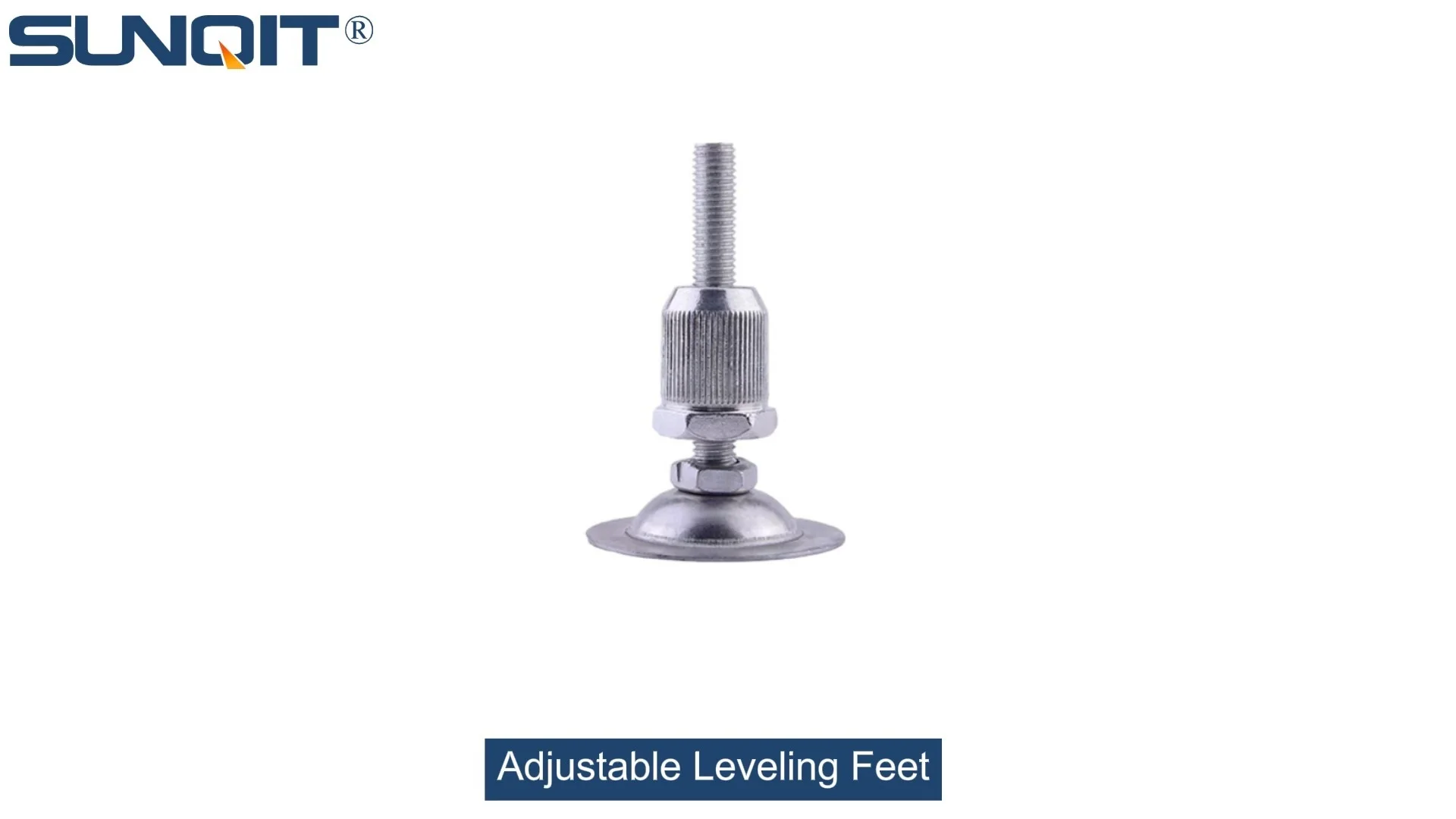
Adjustable Leveling Feet
Adjustable leveling feet are designed to keep machines level when placed on uneven or sloped ground. Otherwise known as adjustable equipment feet, they are available to order in a wide variety of size and load capacity combinations.
Walk into any busy factory, and you'll quickly notice the heartbeat of production: whirring conveyor belts, workers assembling components with precision, and material racks stacked with parts ready to move. But beneath all that activity lies a silent challenge that can throw a wrench into even the most well-oiled operations: uneven floors. Cracks from heavy machinery, wear and tear from years of use, or even slight slopes in the concrete—these imperfections might seem minor, but they can turn a stable workbench into a wobbly hazard, slow down assembly lines, and even lead to costly product defects. That's where adjustable leveling feet with rubber bases step in. They're not the flashiest tools in the factory, but they're the unsung heroes keeping everything steady, safe, and efficient. Let's dive into how these small but mighty components are transforming factory floors, one stable workbench at a time.
What Are Adjustable Leveling Feet with Rubber Bases, Anyway?
At first glance, adjustable leveling feet might look like simple metal bolts with rubber bottoms—and in a way, they are. But their design is cleverly engineered to solve a specific problem: making sure equipment stays level and secure, even when the floor beneath it isn't. Let's break down the basics. Most adjustable leveling feet have three main parts: a threaded stem (the "adjustable" part), a base plate, and a rubber pad. The stem screws into a threaded hole on the bottom of equipment—think workbenches, material racks, or conveyor supports. By twisting the stem, you can raise or lower the foot to compensate for uneven floors. The rubber pad at the bottom? That's the secret to grip. Unlike metal bases, which can slip or scratch floors, rubber conforms slightly to the surface, creating friction that keeps the equipment from sliding. It also absorbs vibrations, which is a big deal in factories where constant machine movement can rattle loose parts or shake delicate assemblies.
But not all leveling feet are created equal. Some have larger rubber bases for extra stability, others have longer stems for bigger height adjustments, and a few even come with locking nuts to keep the setting from slipping over time. For factories, the rubber base is non-negotiable. Why? Because factory floors are rarely spotless—oils, coolants, and dust are part of daily life. Rubber resists these substances better than metal, so it maintains its grip even in messy environments. Plus, it won't leave scratches or dents on concrete, which means less floor maintenance down the line. Simply put, adjustable leveling feet with rubber bases are like the "leveling legs" of the factory world—small, customizable, and essential for keeping operations on an even keel.
The Hidden Costs of Wobbly Equipment (and How Leveling Feet Fix Them)
Imagine this: Maria, a quality control inspector at a electronics factory, is checking a batch of circuit boards. She places a board on her workbench, but as she reaches for her tools, the bench wobbles. Her hand slips, and a screwdriver scratches the board's surface. Now that board is defective, costing the company time and materials. Sound familiar? Wobbly equipment isn't just annoying—it's expensive. Let's talk about the hidden costs:
- Defects and Rework: When workbenches or assembly stations aren't level, precision goes out the window. A slight tilt can make it hard to align parts, leading to misassembled products that need to be fixed or scrapped. Over time, this adds up to higher waste and lower productivity.
- Worker Fatigue: Ever tried typing on a wobbly desk? It's tiring. The same goes for factory workers. Constantly adjusting their posture to compensate for unstable equipment leads to muscle strain and fatigue, which slows down work and increases the risk of mistakes.
- Equipment Damage: Vibrations from uneven floors don't just affect products—they wear out machinery, too. Loose bolts, misaligned conveyor belts, or cracked workbench surfaces are often caused by constant shaking. Fixing or replacing that equipment costs money and downtime.
- Safety Risks: A wobbly material rack is a disaster waiting to happen. If a rack tips, tools or parts could fall, injuring workers or damaging other equipment. OSHA reports that slips, trips, and falls are among the top factory accidents—and uneven equipment contributes to that risk.
Adjustable leveling feet with rubber bases tackle all these issues. By stabilizing equipment, they reduce defects, keep workers comfortable, extend the life of machinery, and make floors safer. It's not just about "leveling"—it's about protecting your team, your products, and your bottom line.

Why Rubber Bases Are a Game-Changer for Grip
You might be thinking, "Can't I just use metal feet or even wooden blocks to level equipment?" Sure, but rubber bases offer benefits that other materials can't match. Let's compare:
| Feature | Rubber Bases | Metal Bases | Wooden Blocks |
|---|---|---|---|
| Grip on uneven floors | High (rubber conforms to surface) | Low (slips on smooth or oily floors) | Moderate (but wears quickly) |
| Vibration absorption | Excellent (reduces shaking) | Poor (transmits vibrations) | Moderate (but inconsistent) |
| Floor protection | Great (no scratches or dents) | Poor (can scratch concrete) | Good (but prone to splintering) |
| Durability in factories | High (resists oils, coolants, and wear) | High (but prone to rust if not coated) | Low (rots or breaks with heavy use) |
The standout here is grip. Rubber's natural elasticity allows it to "hug" the floor, even when there are small cracks or bumps. In a factory with oily floors, metal feet might slide with the slightest nudge, but rubber stays put. And when it comes to vibration absorption? Think about a washing machine on a wooden floor vs. a rubber mat—it's the same idea. Rubber dampens the shaking from nearby machinery, which is crucial for sensitive tasks like assembling small electronics or measuring parts. Plus, rubber is easy to clean. Wipe off oil or dust with a cloth, and it's as good as new. Metal feet, on the other hand, can trap debris in their threads, making adjustments harder over time. Wooden blocks? They absorb moisture, warp, and need constant replacing. For a factory looking for a long-term, low-maintenance solution, rubber bases are the clear winner.

Beyond Workbenches: Where Else Do These Feet Shine?
While workbenches are the most obvious place for adjustable leveling feet, their uses in factories are surprisingly versatile. Let's take a tour of a typical factory and spot where these feet are hard at work:
Material Racks and Shelving
Material racks, like the "material rack b (3 row and 3 floor)" often seen in warehouses, are stacked high with heavy parts. If the rack isn't level, the weight can shift, making it unstable. Adjustable leveling feet ensure each shelf stays even, preventing parts from sliding off and keeping the rack from tipping. Rubber bases also protect the floor from the rack's weight—no more dents from metal feet sinking into concrete.
Conveyor Supports
Conveyor belts need to be perfectly level to move parts smoothly. If one side is lower than the other, parts can get stuck or slide off, jamming the line. Leveling feet under conveyor supports let technicians (fine-tune) the height, keeping the belt aligned and reducing downtime.
Testing Equipment
Quality control tools like scales or precision measuring devices are useless if they're not level. A slight tilt can throw off readings, leading to incorrect pass/fail decisions. Rubber-based leveling feet keep these tools steady and vibration-free, ensuring accurate results every time.
Aluminum Profile Workstations
Many modern factories use aluminum profile workbenches and stations for their flexibility and durability. These workstations often come with pre-drilled holes for attaching accessories—including adjustable leveling feet. The combination of aluminum profiles (lightweight but strong) and rubber-based feet (stable and grippy) creates a workstation that's both easy to reconfigure and rock-solid during use.

Fitting into the Lean System: How Leveling Feet Reduce Waste
Lean manufacturing is all about reducing waste—whether it's time, materials, or effort. Adjustable leveling feet might seem small, but they play a big role in supporting lean principles. Here's how:
First, they reduce "motion waste." When equipment is wobbly, workers spend extra time adjusting their tools, realigning parts, or even catching falling items. That's time that could be spent on value-adding tasks, like assembling products or testing quality. By stabilizing equipment, leveling feet let workers focus on their jobs, cutting down on unnecessary movement.
Second, they minimize "defect waste." As we discussed earlier, unstable equipment leads to more defects. Reworking or scrapping defective products is a huge waste of materials and labor. Leveling feet reduce defects by keeping work surfaces steady, meaning fewer do-overs and more products made right the first time.
Third, they support "continuous improvement." Lean systems thrive on adaptability—factories often rearrange workstations or add new equipment. Adjustable leveling feet make it easy to move and reset equipment without worrying about whether the new spot has a level floor. No more hunting for shims or wooden blocks; just twist the feet and go. This flexibility lets factories respond quickly to changes in production needs, keeping operations agile.
One factory in Ohio put this to the test. They'd been struggling with a lean initiative to reduce changeover time between product runs. Every time they rearranged their assembly line, they spent hours leveling workbenches with makeshift solutions. After installing adjustable leveling feet, changeover time dropped by 30%—all because workers could adjust the feet in minutes instead of fighting with shims. That's the power of small, smart tools in a lean system.
Installing and Maintaining Your Leveling Feet: Pro Tips
So, you're sold on adjustable leveling feet with rubber bases—now what? Installing them is straightforward, but a few tips will ensure you get the best grip and longest life out of them:
Installation: Get the Fit Right
First, check the thread size. Most equipment (like aluminum profile workbenches) uses standard thread sizes, but it's worth measuring to avoid buying feet that don't fit. Next, clean the mounting holes on your equipment—dust or debris can make it hard to screw in the stem. Once the feet are attached, adjust them one by one. Start by roughly leveling the equipment, then use a spirit level to fine-tune. Tighten the locking nut (if your feet have one) to keep the setting from loosening over time. Finally, give the equipment a gentle shake to test stability—if it wobbles, adjust the feet again until it's solid.
Maintenance: Keep Them Gripping
Rubber bases are durable, but they still need a little care to stay effective. Every few months, wipe the rubber pads with a damp cloth to remove oil, grease, or dust—these can reduce grip over time. Check the threads for rust (especially in humid factories) and apply a little anti-seize lubricant if they start to stick. If the rubber pad is cracked or worn (you'll notice less grip or more slipping), replace the foot—it's a small cost compared to the defects or accidents a worn pad could cause.
Troubleshooting Common Issues
Even with proper installation, you might run into problems. If the equipment still wobbles after adjusting the feet, the floor might have a major dip—try using a foot with a larger base to spread the weight. If the rubber pad slips on very smooth floors, look for feet with a textured rubber surface (some brands add grooves or patterns to boost friction). And if the stem keeps unscrewing, make sure the locking nut is tight—if that doesn't work, a drop of thread-locking adhesive (like Loctite) can help (just don't use too much, or you'll never get it off!).
The Bottom Line: Small Investment, Big Returns
Adjustable leveling feet with rubber bases might not be the first thing you think of when upgrading a factory, but they're proof that small changes can have a huge impact. By stabilizing equipment, reducing defects, improving safety, and supporting lean systems, these unassuming components deliver returns in ways that go far beyond their modest cost. They're the kind of tool that, once installed, you forget about—until you realize how much smoother operations are without wobbly workbenches or stuck conveyors. So, the next time you're walking through your factory, take a look at the floors. If you see uneven equipment, don't reach for a wooden block—reach for adjustable leveling feet with rubber bases. Your workers, your products, and your bottom line will thank you.