- Company Articles
- Products and Technology
- Product knowledge
- Advantages of Internal Straight Aluminum Joints for Lean Manufacturing

Advantages of Internal Straight Aluminum Joints for Lean Manufacturing
Related Product
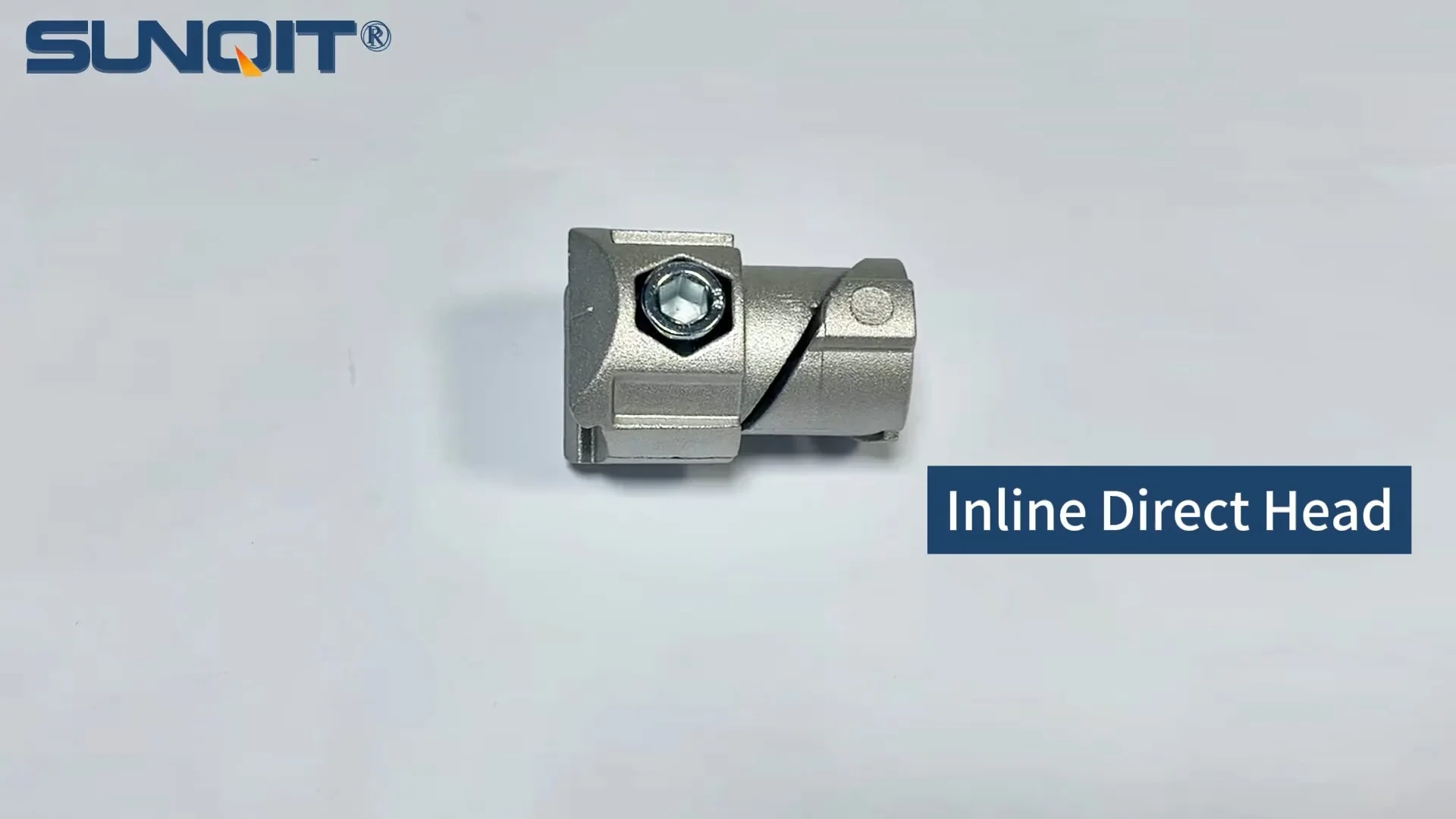
Internal straight aluminum joint
Aluminum pipe joint inside connection used for two pcs 28pcs aluminum pipe connection in straight angle,it connects two pcs pipe from inside.
Introduction: The Unsung Heroes of Lean Efficiency
In the world of lean manufacturing, every detail counts. From the layout of your production floor to the tools on your workbench, each element plays a role in eliminating waste, streamlining workflows, and keeping operations running like a well-oiled machine. But if there's one component that often flies under the radar—yet holds the entire system together—it's the humble joint. Specifically, internal straight aluminum joints. These small, unassuming connectors are the backbone of modular, adaptable, and efficient lean systems, making them indispensable for modern manufacturers.
Lean manufacturing isn't just a buzzword; it's a philosophy centered on continuous improvement. It demands that businesses stay flexible, reduce unnecessary costs, and adapt quickly to changing market demands. That's where internal straight aluminum joints shine. They're not just pieces of metal—they're enablers of agility. Whether you're building a workbench, assembling a material rack, or setting up a roller track for material flow, these joints ensure that your structures are strong, easy to modify, and built to last. Let's dive into why they've become a go-to choice for lean system suppliers and manufacturers alike.
The Backbone of Modular Systems: Aluminum Profiles and Joints
Before we zoom in on internal straight aluminum joints, let's talk about the bigger picture: aluminum profiles. If lean manufacturing systems were a body, aluminum profiles would be the bones—lightweight, strong, and highly adaptable. Unlike traditional steel, aluminum offers an unbeatable strength-to-weight ratio, corrosion resistance, and a sleek, professional finish. It's no wonder that aluminum profile has become the material of choice for everything from workbenches to conveyor systems in lean environments.
But even the best aluminum profiles are only as good as the joints that hold them together. Enter internal straight aluminum joints. These joints are designed to connect aluminum pipes or profiles in a straight line, creating seamless, rigid structures without the need for welding, drilling, or permanent fasteners. Think of them as the "glue" that turns individual aluminum pipes into functional, reconfigurable systems. Whether you're building a simple material rack or a complex assembly line, these joints ensure that every component stays securely in place—while still allowing for quick adjustments when your needs change.

What Are Internal Straight Aluminum Joints, Exactly?
At their core, internal straight aluminum joints are precision-engineered connectors designed to fit inside the ends of aluminum pipes or profiles, creating a flush, straight connection. Unlike external joints, which bolt onto the outside of pipes (leaving unsightly protrusions), internal joints sit neatly inside the profile, resulting in a clean, streamlined look. This internal design isn't just about aesthetics, though—it also enhances structural integrity by distributing weight evenly across the connection point.
Most internal straight aluminum joints feature a simple yet effective locking mechanism. Some use friction fit, where the joint expands slightly inside the pipe when tightened, creating a secure grip. Others use set screws or internal clamps that bite into the aluminum, ensuring a tight, wobble-free connection. The beauty of this design is that it requires no special tools—just a hex key or screwdriver to tighten, making assembly and disassembly a breeze even for workers without specialized training.

The Top Advantages of Internal Straight Aluminum Joints
Now that we know what they are, let's explore why internal straight aluminum joints are a game-changer for lean manufacturing. From flexibility to cost savings, these joints offer a host of benefits that align perfectly with lean principles.
1. Unmatched Modularity and Flexibility
Lean manufacturing thrives on adaptability. Production lines change, product sizes evolve, and workflow needs shift—and your equipment should keep up. Internal straight aluminum joints make reconfiguration effortless. Unlike welded steel structures, which are permanent and require cutting or grinding to modify, these joints allow you to disassemble and reassemble your aluminum profile systems in minutes. Need to extend a workbench by a few feet? Swap out a short aluminum pipe for a longer one using the same joint. Want to repurpose a material rack into a turnover trolley? Simply unfasten the joints, rearrange the pipes, and you're good to go. This flexibility eliminates the need to invest in new equipment every time your process changes, saving both time and money.
2. Durability That Stands the Test of Time
Aluminum is naturally resistant to corrosion, rust, and wear—properties that make it ideal for manufacturing environments where moisture, oils, or chemicals might be present. When paired with internal straight aluminum joints (which are also made from high-grade aluminum), the result is a system that can withstand daily use, heavy loads, and harsh conditions without degrading. Unlike plastic joints, which can crack or warp under stress, or steel joints, which rust over time, aluminum joints maintain their strength and integrity for years. This durability translates to lower maintenance costs and longer equipment lifespans—a win for any lean operation focused on reducing waste.
3. Precision and Stability for Seamless Workflows
In lean manufacturing, even the smallest wobble or misalignment can disrupt workflows. A shaky workbench might lead to errors in assembly; a misaligned roller track could slow down material flow. Internal straight aluminum joints solve this problem by creating tight, precise connections. Their internal design ensures that pipes align perfectly, with no gaps or play. This precision is especially critical for systems like roller track, where materials need to glide smoothly from one station to the next. With these joints, you can trust that your conveyor systems, workbenches, and material racks will stay stable, even under heavy loads—minimizing downtime and ensuring consistent productivity.
4. Cost-Effectiveness in the Long Run
At first glance, aluminum joints might seem pricier than plastic or basic steel alternatives. But when you factor in their lifespan, reusability, and low maintenance needs, they're actually far more cost-effective. Let's break it down: Welded steel structures require skilled labor and expensive equipment to build—and if you need to modify them later, you'll pay for cutting, welding, and repainting. Plastic joints might be cheap upfront, but they need frequent replacement, especially in high-load applications. Internal straight aluminum joints, on the other hand, can be reused dozens of times, require no specialized labor to install, and rarely need replacement. Over time, this adds up to significant savings—making them a smart investment for lean operations looking to reduce long-term costs.
5. Clean, Clutter-Free Design
A messy, cluttered workspace is the enemy of lean manufacturing. It slows down workers, increases the risk of errors, and creates unnecessary waste. Internal straight aluminum joints contribute to a cleaner, more organized environment by eliminating external bolts, nuts, and protrusions. Because the joint sits inside the aluminum profile, there are no sharp edges or protruding parts to catch on clothing, tools, or materials. This not only improves safety but also makes cleaning easier—no more hard-to-reach crevices where dust and debris can accumulate. A tidy workspace isn't just about aesthetics; it's about creating an environment where workers can focus on their tasks without distractions, boosting efficiency and morale.
How Internal Straight Aluminum Joints Support Key Lean Principles
Lean manufacturing is guided by five core principles: value, value stream, flow, pull, and perfection. Internal straight aluminum joints align with each of these principles, making them a natural fit for lean systems.
Value: By enabling quick reconfiguration, these joints ensure that your equipment always adds value—no more wasting space on outdated, unused structures. Value Stream: Their precision and stability keep material and information flow smooth, eliminating bottlenecks in the value stream. Flow: When paired with roller track or conveyor systems, internal straight joints ensure materials move seamlessly from one process to the next, reducing idle time. Pull: Because they're easy to adjust, you can scale your systems up or down based on customer demand, avoiding overproduction. Perfection: Their reusability and durability support continuous improvement, allowing you to refine your processes over time without starting from scratch.
Comparing Internal Straight Aluminum Joints to Other Joint Types
To truly appreciate the benefits of internal straight aluminum joints, it helps to compare them to other common joint types used in manufacturing. Let's take a look at how they stack up against traditional steel joints, plastic joints, and external aluminum joints.
| Feature | Internal Straight Aluminum Joints | Traditional Steel Joints | Plastic Joints | External Aluminum Joints |
|---|---|---|---|---|
| Assembly Time | 5–10 minutes (no special tools) | 30+ minutes (requires welding/drilling) | 10–15 minutes (friction fit, but less secure) | 10–15 minutes (external bolts, more steps) |
| Load Capacity | High (up to 500 lbs per joint) | Very high (but permanent) | Low to medium (prone to bending under heavy loads) | High (similar to internal, but bulkier) |
| Corrosion Resistance | Excellent (aluminum is rust-proof) | Poor (requires painting/coating) | Good (but can degrade in chemicals) | Excellent (same as internal) |
| Reusability | Unlimited (can be disassembled/reused repeatedly) | None (permanent welds) | Limited (plastic weakens after multiple uses) | Unlimited (but external bolts may wear over time) |
| Cost (Long-Term) | Low (reusability offsets initial cost) | High (permanent, requires replacement when modified) | Medium (cheap upfront, but frequent replacements) | Medium-High (bulkier, may require more materials) |
| Aesthetics | Sleek, flush, no protrusions | Bulky, welded seams visible | Basic, may look cheap | Functional but has external bolts/protrusions |
As the table shows, internal straight aluminum joints outperform other options in key areas like assembly time, reusability, and long-term cost—all while maintaining high load capacity and durability. For lean manufacturers, this balance of flexibility and reliability is hard to beat.
Real-World Applications: How Manufacturers Are Using Internal Straight Aluminum Joints
To put these advantages into context, let's look at a few real-world scenarios where internal straight aluminum joints have made a tangible difference for lean operations.
Case Study 1: A Small Electronics Assembly Shop
A small electronics manufacturer was struggling with a rigid, welded steel workbench that couldn't be adjusted to fit new product sizes. Their assembly line often had to stop while workers jury-rigged solutions with clamps and plywood. After switching to an aluminum profile workbench built with internal straight aluminum joints, they saw immediate results. When a new product with a larger circuit board came in, they simply unfastened the joints, added a longer aluminum pipe, and repositioned the shelf—all in under an hour. Downtime dropped by 40%, and workers reported less frustration with awkward workbench heights. The shop also repurposed the old workbench parts into a material rack using the same joints, eliminating the need to buy new equipment.
Case Study 2: A Automotive Parts Warehouse
A warehouse storing automotive parts needed to expand its roller track system to accommodate more inventory. Their existing system used plastic joints, which had started to crack under the weight of heavy parts, causing jams and delays. They switched to aluminum profile roller track with internal straight aluminum joints, and the difference was night and day. The aluminum joints handled the heavier loads without bending, and the smooth, straight connections reduced friction, making parts glide more easily. When the warehouse later needed to reconfigure the track to shorten a section, they disassembled the joints in minutes—no tools, no mess. The warehouse manager estimated that the new system cut material handling time by 25% and reduced maintenance calls by 60%.
Choosing the Right Supplier: Why Partnership Matters
While internal straight aluminum joints offer clear advantages, their performance depends largely on quality. Not all joints are created equal—cheap, poorly made versions may bend, slip, or fail under load, undermining your lean efforts. That's why partnering with a reputable lean system supplier is crucial. A good supplier will offer joints made from high-grade aluminum (often 6061-T6, known for strength and corrosion resistance), rigorous testing for load capacity, and compatibility with standard aluminum profile sizes.
Look for suppliers who also provide a range of aluminum pipe accessories, like end caps, clamps, and connectors. This ensures that you can source all your modular system components from one place, simplifying ordering and ensuring compatibility. Many suppliers also offer technical support, helping you design custom structures that fit your specific workflow needs. Whether you're building a single workbench or a full assembly line, a reliable supplier can guide you toward the right joints and accessories to maximize efficiency.
Conclusion: Small Joints, Big Impact on Lean Success
In the fast-paced world of lean manufacturing, success hinges on the ability to adapt, streamline, and eliminate waste. Internal straight aluminum joints may be small, but their impact is enormous. By enabling modular, durable, and flexible systems, these joints empower manufacturers to build the agile, efficient operations that lean demands. From reducing downtime during reconfigurations to lowering long-term costs through reusability, they check every box for lean principles.
So the next time you look at your production floor—at the workbenches, the material racks, the roller track—take a moment to appreciate the joints holding it all together. Chances are, they're internal straight aluminum joints, quietly supporting your lean journey one connection at a time. And if they're not? It might be time to make the switch. After all, in lean manufacturing, even the smallest upgrade can lead to big gains.