- Company Articles
- Products and Technology
- Application Cases
- Aerospace Industry Applications of 1.0mm Stainless Steel Pipe

Aerospace Industry Applications of 1.0mm Stainless Steel Pipe
Related Product
1.0mm Stainless Steel Pipe
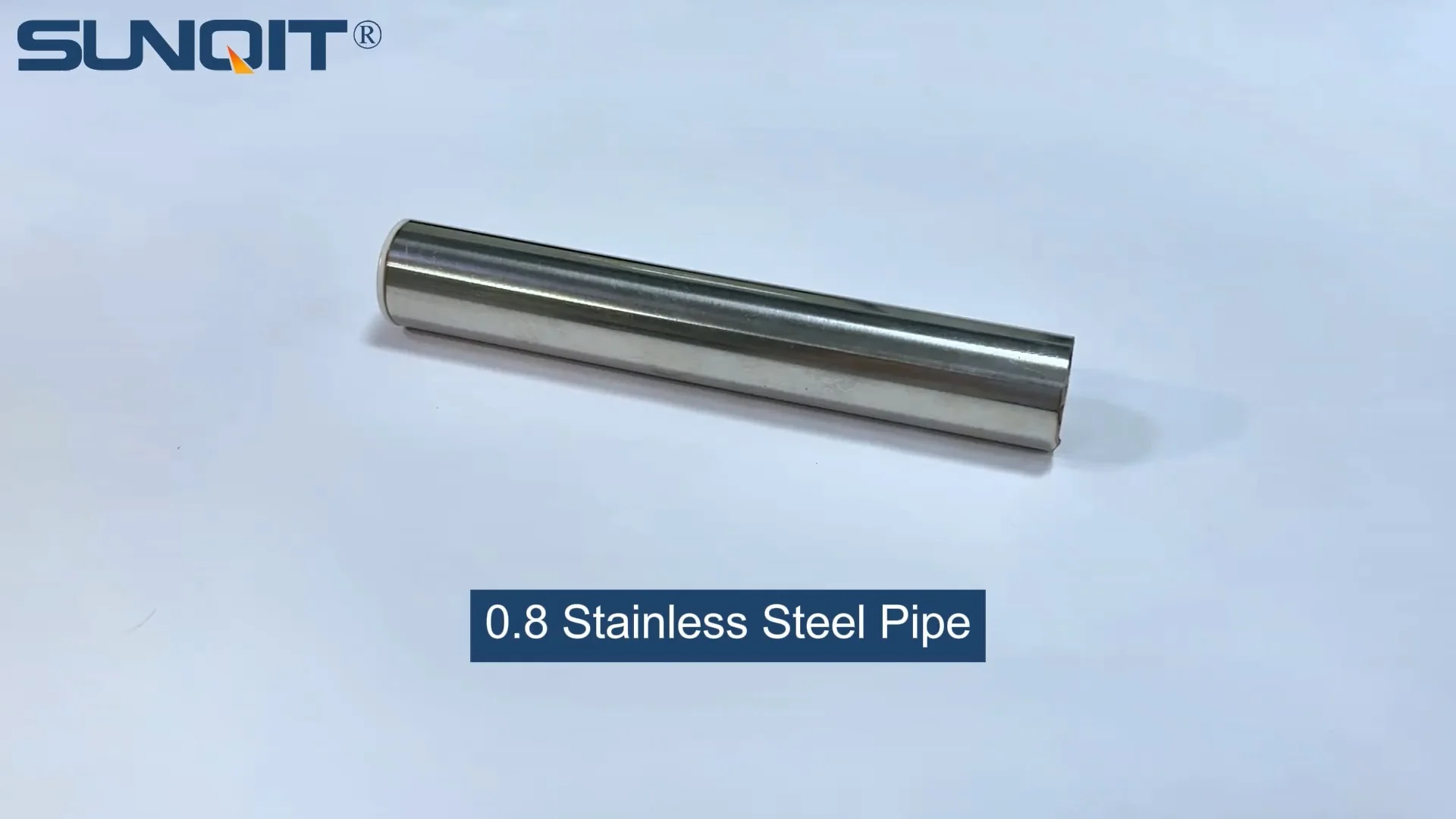
Stainless steel pipe, lean pipe, diameter is 28mm, material is SS201 or SS304, SS201 is normally used in the market. It knows a KARAKURI, KAIZEN material for industrial plant to improve efficiency, save labor cost, standard management.
In the high-stakes world of aerospace manufacturing, where a single millimeter can mean the difference between success and disaster, every component—no matter how seemingly small—plays a critical role. Engineers and production teams don't just build aircraft; they craft machines that must defy gravity, withstand extreme temperatures, and protect human lives thousands of feet in the air. That's why the materials chosen for everything from structural frameworks to assembly tools are never an afterthought. Among these unsung heroes of aerospace production is one that balances strength, precision, and adaptability: the 1.0mm stainless steel pipe. Often overshadowed by flashier materials like carbon fiber or titanium, this humble component has quietly become a backbone of modern aerospace manufacturing, offering a rare blend of durability and versatility that meets the industry's most demanding standards.
The Basics: What Makes 1.0mm Stainless Steel Pipe Special?
To understand why 1.0mm stainless steel pipe has earned its place in aerospace, let's start with the basics. Stainless steel itself is renowned for its resistance to corrosion, a non-negotiable trait in an industry where exposure to fuels, hydraulic fluids, and atmospheric elements is constant. But what sets the 1.0mm thickness apart? It's all about balance. Thinner pipes (like 0.8mm) might save weight but can compromise structural integrity under stress, while thicker options (1.5mm or more) add unnecessary bulk—critical in aerospace, where every ounce affects fuel efficiency and performance. At 1.0mm, this pipe hits the sweet spot: strong enough to support heavy components during assembly, yet lightweight enough to integrate into dynamic systems without dragging down productivity.
Most 1.0mm stainless steel pipes used in aerospace are crafted from alloys like 304 or 316 stainless steel. 304, with its high chromium and nickel content, offers excellent general corrosion resistance, making it ideal for indoor manufacturing environments. 316, often called "marine grade," ups the ante with molybdenum, enhancing resistance to chloride-rich environments—perfect for facilities near coastal areas or those handling salt-laden deicing fluids. Both alloys boast impressive tensile strength (around 500-700 MPa), ensuring the pipe can withstand the rigors of daily use in busy production lines without bending or warping.
Another key advantage is ductility. Unlike brittle materials that crack under pressure, 1.0mm stainless steel pipe can be shaped, bent, and welded with precision, allowing engineers to create custom frameworks and supports tailored to specific aircraft components. This flexibility is invaluable in an industry where every aircraft model—from commercial airliners to military jets—has unique assembly requirements.
Most 1.0mm stainless steel pipes used in aerospace are crafted from alloys like 304 or 316 stainless steel. 304, with its high chromium and nickel content, offers excellent general corrosion resistance, making it ideal for indoor manufacturing environments. 316, often called "marine grade," ups the ante with molybdenum, enhancing resistance to chloride-rich environments—perfect for facilities near coastal areas or those handling salt-laden deicing fluids. Both alloys boast impressive tensile strength (around 500-700 MPa), ensuring the pipe can withstand the rigors of daily use in busy production lines without bending or warping.
Another key advantage is ductility. Unlike brittle materials that crack under pressure, 1.0mm stainless steel pipe can be shaped, bent, and welded with precision, allowing engineers to create custom frameworks and supports tailored to specific aircraft components. This flexibility is invaluable in an industry where every aircraft model—from commercial airliners to military jets—has unique assembly requirements.
Beyond the Surface: Exploring the Stainless Steel Pipe Series
The 1.0mm stainless steel pipe isn't a standalone product; it's part of a broader stainless steel pipe series that includes thicknesses ranging from 0.8mm to 2.0mm. Each thickness serves a purpose, but 1.0mm has emerged as the most versatile for aerospace applications. Let's break down the series: 0.8mm pipes are lightweight and affordable but best suited for low-stress tasks like temporary tooling. 1.2mm and 1.5mm offer extra strength for heavy-duty use, such as supporting engine components during maintenance, but their added weight makes them less ideal for dynamic systems like conveyor rails or adjustable workbenches.
What truly makes 1.0mm the star of the series is its compliance with aerospace manufacturing standards. Reputable suppliers ensure these pipes meet ASTM International specifications (like ASTM A269 for seamless stainless steel tubing) and often undergo additional certifications, such as NADCAP (National Aerospace and Defense Contractors Accreditation Program), which verifies quality in critical processes like welding and heat treatment. For aerospace manufacturers, this isn't just paperwork—it's a guarantee that the pipe will perform consistently, even under the extreme conditions of aircraft production.
Suppliers also offer a range of finishes, from bright annealed (for a smooth, reflective surface that resists contamination) to matte (for better grip in tool handles). This attention to detail matters in cleanroom environments, where even microscopic particles can compromise sensitive avionics or engine parts. A 1.0mm pipe with a polished finish, for example, is easier to clean and less likely to harbor bacteria or debris, making it a staple in assembly areas for satellite components or medical-grade aerospace parts.
What truly makes 1.0mm the star of the series is its compliance with aerospace manufacturing standards. Reputable suppliers ensure these pipes meet ASTM International specifications (like ASTM A269 for seamless stainless steel tubing) and often undergo additional certifications, such as NADCAP (National Aerospace and Defense Contractors Accreditation Program), which verifies quality in critical processes like welding and heat treatment. For aerospace manufacturers, this isn't just paperwork—it's a guarantee that the pipe will perform consistently, even under the extreme conditions of aircraft production.
Suppliers also offer a range of finishes, from bright annealed (for a smooth, reflective surface that resists contamination) to matte (for better grip in tool handles). This attention to detail matters in cleanroom environments, where even microscopic particles can compromise sensitive avionics or engine parts. A 1.0mm pipe with a polished finish, for example, is easier to clean and less likely to harbor bacteria or debris, making it a staple in assembly areas for satellite components or medical-grade aerospace parts.

Application 1: Building Durable Workbenches for Aerospace Assembly
Walk into any aerospace manufacturing facility, and you'll notice one piece of equipment everywhere: the workbench. These aren't your average garage workbenches; they're precision stations where technicians assemble everything from circuit boards to landing gear components. And more often than not, their frames are built with 1.0mm stainless steel pipe. Why? Because aerospace workbenches face unique challenges: they must support heavy tools (like torque wrenches or precision drills), resist chemical spills (from lubricants or cleaning agents), and maintain stability during delicate tasks (like soldering wiring harnesses).
A typical aerospace workbench using 1.0mm stainless steel pipe might feature a frame with adjustable height (thanks to telescoping pipe sections and secure joints), a non-slip surface (often aluminum honeycomb or ESD-safe laminate to prevent static damage), and integrated storage for tools. The 1.0mm pipes form the legs and cross-braces, ensuring the bench doesn't wobble even when a technician leans into a task. Unlike wooden or plastic benches, stainless steel won't warp from humidity or crack under impact, meaning these workbenches can last for decades—critical in an industry where equipment longevity reduces operational costs.
Take, for example, the assembly of aircraft avionics. Technicians here handle fragile components like flight control computers, which are sensitive to vibration and static. A workbench framed with 1.0mm stainless steel pipe provides a rock-solid base, minimizing shake during soldering or connector installation. The pipe's smooth surface also resists buildup of dust and debris, reducing the risk of contamination that could cause system failures mid-flight. And when the facility retools for a new aircraft model, the pipe frame can be disassembled and reconfigured—no need to buy a brand-new bench. This adaptability is a cornerstone of lean manufacturing, a philosophy aerospace manufacturers swear by to reduce waste and boost efficiency.
A typical aerospace workbench using 1.0mm stainless steel pipe might feature a frame with adjustable height (thanks to telescoping pipe sections and secure joints), a non-slip surface (often aluminum honeycomb or ESD-safe laminate to prevent static damage), and integrated storage for tools. The 1.0mm pipes form the legs and cross-braces, ensuring the bench doesn't wobble even when a technician leans into a task. Unlike wooden or plastic benches, stainless steel won't warp from humidity or crack under impact, meaning these workbenches can last for decades—critical in an industry where equipment longevity reduces operational costs.
Take, for example, the assembly of aircraft avionics. Technicians here handle fragile components like flight control computers, which are sensitive to vibration and static. A workbench framed with 1.0mm stainless steel pipe provides a rock-solid base, minimizing shake during soldering or connector installation. The pipe's smooth surface also resists buildup of dust and debris, reducing the risk of contamination that could cause system failures mid-flight. And when the facility retools for a new aircraft model, the pipe frame can be disassembled and reconfigured—no need to buy a brand-new bench. This adaptability is a cornerstone of lean manufacturing, a philosophy aerospace manufacturers swear by to reduce waste and boost efficiency.

Application 2: Lean Systems in Aerospace Production
Lean manufacturing isn't just a buzzword in aerospace—it's a way of life. The goal? Eliminate waste, streamline workflows, and get aircraft from design to takeoff faster without sacrificing quality. Central to this is the use of lean systems: modular, flexible setups that adapt to changing production needs. And 1.0mm stainless steel pipe is the backbone of many of these systems.
Consider flow racks, which transport components from storage to assembly lines. In aerospace, these racks must move everything from small fasteners to large wing panels, all while maintaining precise positioning to avoid damage. 1.0mm stainless steel pipe, paired with roller track and accessories (like swivel roller balls or plastic guide rails), creates flow racks that glide smoothly, even with heavy loads. The pipe's strength ensures the rack doesn't sag over time, keeping components at the correct height for easy access—reducing technician strain and cutting down on assembly time.
Conveyors are another area where 1.0mm stainless steel pipe shines. Unlike rigid metal conveyors that are hard to modify, pipe-based conveyors use modular joints and connectors, allowing teams to adjust length, angle, or even direction in hours instead of days. For example, when a facility switches from assembling narrow-body to wide-body aircraft, the conveyor system can be reconfigured to accommodate longer fuselage sections—all by swapping out pipe sections and repositioning supports. This agility is a game-changer in an industry where production schedules are tight and model changes are frequent.
One aerospace supplier in Washington State recently shared how switching to 1.0mm stainless steel pipe for their lean systems reduced downtime by 30%. Previously, they'd used aluminum pipes, which bent under heavy wing components, causing jams in the flow racks. The 1.0mm stainless steel pipes not only stopped the bending but also required less maintenance—no more weekly checks for warped sections. "It's like upgrading from a bicycle to a truck," one production manager joked. "We didn't realize how much time we were wasting fixing the old system until we switched."
Consider flow racks, which transport components from storage to assembly lines. In aerospace, these racks must move everything from small fasteners to large wing panels, all while maintaining precise positioning to avoid damage. 1.0mm stainless steel pipe, paired with roller track and accessories (like swivel roller balls or plastic guide rails), creates flow racks that glide smoothly, even with heavy loads. The pipe's strength ensures the rack doesn't sag over time, keeping components at the correct height for easy access—reducing technician strain and cutting down on assembly time.
Conveyors are another area where 1.0mm stainless steel pipe shines. Unlike rigid metal conveyors that are hard to modify, pipe-based conveyors use modular joints and connectors, allowing teams to adjust length, angle, or even direction in hours instead of days. For example, when a facility switches from assembling narrow-body to wide-body aircraft, the conveyor system can be reconfigured to accommodate longer fuselage sections—all by swapping out pipe sections and repositioning supports. This agility is a game-changer in an industry where production schedules are tight and model changes are frequent.
One aerospace supplier in Washington State recently shared how switching to 1.0mm stainless steel pipe for their lean systems reduced downtime by 30%. Previously, they'd used aluminum pipes, which bent under heavy wing components, causing jams in the flow racks. The 1.0mm stainless steel pipes not only stopped the bending but also required less maintenance—no more weekly checks for warped sections. "It's like upgrading from a bicycle to a truck," one production manager joked. "We didn't realize how much time we were wasting fixing the old system until we switched."
Application 3: Structural Supports and Component Frames
Beyond workbenches and lean systems, 1.0mm stainless steel pipe plays a vital role in supporting aircraft components during manufacturing and testing. Imagine a technician installing a jet engine onto a wing: the engine weighs thousands of pounds, and even a small misalignment could damage the wing's structure. To prevent this, facilities use custom support frames built with 1.0mm stainless steel pipe. These frames cradle the engine, keeping it level and stable while technicians bolt it into place. The pipe's rigidity ensures the frame doesn't shift, while its lightweight design makes it easy to move with a forklift or overhead crane.
Testing environments also rely on these pipes. Wind tunnel testing, for example, subjects scale models to extreme airspeeds and turbulence. The models are mounted on supports that must be strong enough to withstand these forces but minimal enough to not disrupt airflow. 1.0mm stainless steel pipe, shaped into thin, aerodynamic frames, fits the bill perfectly. Its high strength-to-weight ratio means the supports don't bend under wind loads, and its smooth surface (often polished to a mirror finish) reduces drag, ensuring accurate test results.
Even small components benefit from 1.0mm stainless steel pipe supports. Take aircraft seating: during crash testing, seats must withstand forces up to 16 times gravity (16G). Manufacturers use pipe-based frames to secure seats during these tests, ensuring they stay in place while sensors measure impact forces. The pipe's ductility is key here—if the seat shifts unexpectedly, the pipe can flex slightly without breaking, preventing damage to the test equipment and ensuring data accuracy.
Testing environments also rely on these pipes. Wind tunnel testing, for example, subjects scale models to extreme airspeeds and turbulence. The models are mounted on supports that must be strong enough to withstand these forces but minimal enough to not disrupt airflow. 1.0mm stainless steel pipe, shaped into thin, aerodynamic frames, fits the bill perfectly. Its high strength-to-weight ratio means the supports don't bend under wind loads, and its smooth surface (often polished to a mirror finish) reduces drag, ensuring accurate test results.
Even small components benefit from 1.0mm stainless steel pipe supports. Take aircraft seating: during crash testing, seats must withstand forces up to 16 times gravity (16G). Manufacturers use pipe-based frames to secure seats during these tests, ensuring they stay in place while sensors measure impact forces. The pipe's ductility is key here—if the seat shifts unexpectedly, the pipe can flex slightly without breaking, preventing damage to the test equipment and ensuring data accuracy.
Application 4: Fuel and Fluid Line Components
While much of 1.0mm stainless steel pipe's use is in manufacturing equipment, it also finds its way into actual aircraft components—specifically, fuel and fluid lines. Modern aircraft rely on a network of tubes to carry fuel, hydraulic fluid, and coolant, and these tubes must meet strict standards for corrosion resistance and leak prevention. 1.0mm stainless steel pipe, with its 316 alloy composition, is ideal for this role. Its molybdenum content makes it resistant to pitting corrosion from saltwater or deicing fluids, while its smooth interior minimizes turbulence, ensuring efficient fluid flow.
In small aircraft (like private jets or drones), these pipes are often used as auxiliary fuel lines, connecting the main tank to the engine. In larger commercial planes, they might serve as hydraulic lines for landing gear or flight control systems. The 1.0mm thickness is crucial here: it's thin enough to bend into the tight spaces between aircraft components but thick enough to withstand the high pressures of hydraulic systems (which can exceed 3,000 psi). Plus, stainless steel's compatibility with brazing and welding means these pipes can be joined with precision, reducing the risk of leaks—a critical safety feature when dealing with flammable fuels.
Maintenance is another advantage. Unlike aluminum pipes, which can develop fatigue cracks over time, 1.0mm stainless steel pipes have a longer service life, reducing the need for frequent replacements. This is especially important for military aircraft, which often operate in harsh environments and can't afford downtime for repairs. A recent study by the U.S. Air Force found that switching to 316 stainless steel pipes in certain hydraulic systems reduced maintenance costs by 25% over a 10-year period.
In small aircraft (like private jets or drones), these pipes are often used as auxiliary fuel lines, connecting the main tank to the engine. In larger commercial planes, they might serve as hydraulic lines for landing gear or flight control systems. The 1.0mm thickness is crucial here: it's thin enough to bend into the tight spaces between aircraft components but thick enough to withstand the high pressures of hydraulic systems (which can exceed 3,000 psi). Plus, stainless steel's compatibility with brazing and welding means these pipes can be joined with precision, reducing the risk of leaks—a critical safety feature when dealing with flammable fuels.
Maintenance is another advantage. Unlike aluminum pipes, which can develop fatigue cracks over time, 1.0mm stainless steel pipes have a longer service life, reducing the need for frequent replacements. This is especially important for military aircraft, which often operate in harsh environments and can't afford downtime for repairs. A recent study by the U.S. Air Force found that switching to 316 stainless steel pipes in certain hydraulic systems reduced maintenance costs by 25% over a 10-year period.
Comparing Materials: Why 1.0mm Stainless Steel Stands Out
To truly appreciate 1.0mm stainless steel pipe's role in aerospace, it helps to compare it to other common materials. Let's start with aluminum, a lightweight favorite in aviation. Aluminum is indeed lighter than stainless steel, but it's softer and more prone to dents—problematic for workbenches or support frames that take daily abuse. It also corrodes more easily, requiring protective coatings that add cost and maintenance. Carbon fiber, while strong and lightweight, is expensive and brittle; a small crack can render an entire component useless, making it impractical for high-wear applications like flow racks.
Within the stainless steel pipe series itself, 1.0mm offers the best balance of strength, weight, and cost. The table below compares key properties of different stainless steel pipe thicknesses, highlighting why 1.0mm is the top choice for aerospace:
Within the stainless steel pipe series itself, 1.0mm offers the best balance of strength, weight, and cost. The table below compares key properties of different stainless steel pipe thicknesses, highlighting why 1.0mm is the top choice for aerospace:
| Pipe Thickness | Tensile Strength (MPa) | Weight (kg/m)* | Corrosion Resistance | Typical Aerospace Application |
|---|---|---|---|---|
| 0.8mm | 450-550 | 0.25 | Good (304 alloy) | Temporary tooling, light-duty shelving |
| 1.0mm | 500-700 | 0.31 | Excellent (304/316 alloy) | Workbenches, flow racks, fuel lines |
| 1.2mm | 600-800 | 0.38 | Excellent (316 alloy) | Heavy engine supports, test rigs |
| 1.5mm | 650-850 | 0.47 | Superior (316L alloy) | Structural frames for ground equipment |
*Based on 20mm diameter pipe, 304 stainless steel.
As the table shows, 1.0mm pipes offer nearly the same tensile strength as 1.2mm but with 18% less weight—a significant difference in applications like lean systems or portable workbenches. They also cost less than 1.5mm pipes while providing sufficient corrosion resistance for most aerospace environments. For manufacturers, this translates to lower material costs, lighter equipment, and fewer replacements over time.
Sustainability: A Greener Choice for Modern Aerospace
In an era where sustainability is no longer optional, aerospace manufacturers are under pressure to reduce their environmental footprint. 1.0mm stainless steel pipe aligns with this goal in several ways. First, stainless steel is 100% recyclable. When a workbench or flow rack reaches the end of its life, the pipe can be melted down and reused without losing quality—a stark contrast to plastic or composite materials, which often end up in landfills.
Second, its longevity reduces waste. A stainless steel workbench can last 20+ years, compared to 5-10 years for a wooden or aluminum one. This means fewer replacements, less material consumption, and lower energy use in production. Third, stainless steel production has become more energy-efficient in recent years, with modern mills using renewable energy and recycling 90% of process water. For aerospace companies aiming for net-zero goals, these factors make 1.0mm stainless steel pipe a responsible choice.
Second, its longevity reduces waste. A stainless steel workbench can last 20+ years, compared to 5-10 years for a wooden or aluminum one. This means fewer replacements, less material consumption, and lower energy use in production. Third, stainless steel production has become more energy-efficient in recent years, with modern mills using renewable energy and recycling 90% of process water. For aerospace companies aiming for net-zero goals, these factors make 1.0mm stainless steel pipe a responsible choice.
Future Trends: Innovations in Stainless Steel Pipe for Aerospace
The aerospace industry is always evolving, and 1.0mm stainless steel pipe is evolving with it. One emerging trend is the integration of smart technology: suppliers are experimenting with pipes embedded with sensors that monitor stress, temperature, and corrosion in real time. Imagine a flow rack that alerts maintenance when a pipe joint is loosening, or a workbench that tracks weight distribution to prevent overloading. This could revolutionize predictive maintenance, reducing downtime and improving safety.
Another area of innovation is advanced alloys. Researchers are developing stainless steel blends with higher chromium content to enhance heat resistance, targeting applications in hypersonic aircraft (which reach speeds over Mach 5 and face extreme temperatures). While these alloys are still in testing, early results suggest they could extend 1.0mm pipe's use to new areas, like engine exhaust systems.
Finally, additive manufacturing (3D printing) is opening new possibilities. While 3D-printed stainless steel pipes are currently limited to small, custom components, advances in printing technology could soon allow for on-demand production of 1.0mm pipes with complex geometries—perfect for unique aerospace parts that can't be made with traditional bending or welding.
Another area of innovation is advanced alloys. Researchers are developing stainless steel blends with higher chromium content to enhance heat resistance, targeting applications in hypersonic aircraft (which reach speeds over Mach 5 and face extreme temperatures). While these alloys are still in testing, early results suggest they could extend 1.0mm pipe's use to new areas, like engine exhaust systems.
Finally, additive manufacturing (3D printing) is opening new possibilities. While 3D-printed stainless steel pipes are currently limited to small, custom components, advances in printing technology could soon allow for on-demand production of 1.0mm pipes with complex geometries—perfect for unique aerospace parts that can't be made with traditional bending or welding.
Conclusion: The Quiet Backbone of Aerospace Excellence
In the grand scheme of aerospace engineering, 1.0mm stainless steel pipe may not grab headlines like supersonic engines or AI-powered flight systems. But without it, the precision, efficiency, and safety that define the industry would be far harder to achieve. From the workbenches where technicians build avionics to the flow racks that keep assembly lines moving, from the support frames that cradle jet engines to the fuel lines that power flight—this unassuming component is everywhere, quietly ensuring that every aircraft meets the sky with confidence.
As aerospace pushes toward faster, greener, and more advanced flight, the role of 1.0mm stainless steel pipe will only grow. Its blend of strength, versatility, and sustainability makes it not just a material for today, but a foundation for tomorrow's innovations. So the next time you look up at a passing plane, remember: somewhere, in its journey from blueprint to takeoff, a 1.0mm stainless steel pipe played a part in getting it there.
As aerospace pushes toward faster, greener, and more advanced flight, the role of 1.0mm stainless steel pipe will only grow. Its blend of strength, versatility, and sustainability makes it not just a material for today, but a foundation for tomorrow's innovations. So the next time you look up at a passing plane, remember: somewhere, in its journey from blueprint to takeoff, a 1.0mm stainless steel pipe played a part in getting it there.