- Company Articles
- Products and Technology
- Product knowledge
- Aesthetic & Functional: 3030 Aluminum Profile End Caps in Frame Design

Aesthetic & Functional: 3030 Aluminum Profile End Caps in Frame Design
Related Product
3030 Aluminum Profile End Cap
The aluminum profile end cap adds a finishing touch to your project and closes off profile ends to limit dust and debris buildup, also it can avaid some scratch for material and labor during the assemble work.
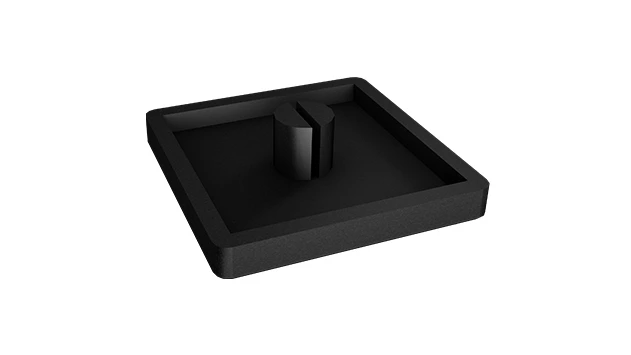
Walk into any modern factory, retail store, or even a well-organized home workshop, and you'll likely spot structures built with aluminum profiles. These sleek, modular beams have revolutionized how we design everything from industrial workbenches to DIY shelving units. Their secret? A unique combination of strength, lightness, and adaptability, thanks to features like T-slot grooves that let you attach accessories with ease. But if aluminum profiles are the backbone of these structures, then the 3030 aluminum profile end cap is the finishing touch that turns a functional frame into something truly refined. Often overlooked, these small components play a huge role in balancing aesthetics and practicality—and today, we're diving deep into why they matter.
Understanding Aluminum Profiles: The Foundation of Modern Framing
Before we zoom in on end caps, let's set the stage with aluminum profiles themselves. Aluminum extrusion profiles are created by pushing heated aluminum through a custom die, resulting in consistent, precise shapes. The "3030" in 3030 aluminum profile refers to its cross-section: 30 millimeters by 30 millimeters. This size has become a favorite in countless industries because it's neither too small (like 2020 profiles, better for lightweight projects) nor too bulky (like 4080 profiles, used for heavy machinery). The 3030 national standard profile A, for example, is a common variant that balances structural integrity with versatility, making it ideal for everything from material racks to display stands.
What makes these profiles so adaptable? Their T-slot design. Running along the length of the profile, these slots allow you to slide in bolts, brackets, or panels, letting you customize the frame without welding or drilling. It's a system that empowers creators—whether you're a professional engineer designing a production line or a hobbyist building a garage organizer—to tweak and adjust as needed. But here's the thing: even the most well-designed profile system is incomplete without attention to the details. And that's where end caps come in.
The Unsung Hero: What Are 3030 Aluminum Profile End Caps?
Imagine building a beautiful aluminum frame for a retail display. You've chosen the perfect 3030 profiles, cut them to size, and assembled them into a sleek, modern structure. But when you step back, something feels off. The ends of the profiles—where they were cut—are raw, unfinished, and slightly sharp. Dust has already started collecting in the hollow interior, and you notice a colleague brush against the frame and wince at the rough edge. That's the problem end caps solve.
3030 aluminum profile end caps are small, often unassuming pieces designed to fit snugly over the cut ends of 3030 profiles. They come in various materials, shapes, and colors, but their core purpose remains the same: to cover, protect, and enhance the profile's end. Think of them as the "cap" on a pen—simple, but essential for keeping the ink in and the tip safe. In the world of aluminum framing, they do the same: seal the profile, protect users, and elevate the overall look.

Aesthetic Appeal: Making Frames Look Intentional
First impressions matter, and in design, details like end caps can make or break the perceived quality of a frame. Let's start with the obvious: exposed profile ends look unfinished. A frame with raw, cut edges sends a message that corners were cut—literally. Whether it's a high-end retail display or a home workshop bench, that lack of attention to detail can make the entire structure feel cheap or hastily assembled.
3030 end caps fix this by creating a clean, polished look. They smooth out the profile's edges, creating a cohesive finish that ties the frame together. For example, a silver anodized 3030 profile paired with a matching aluminum end cap looks seamless, as if the end cap was part of the profile itself. Even plastic end caps, available in colors like black, white, or gray, can complement the profile's finish, adding a subtle pop of color or blending in for a minimalist vibe.
But it's not just about covering edges. End caps also help maintain the profile's design language. Aluminum profiles are prized for their clean lines and modern aesthetic; end caps preserve that by avoiding the visual clutter of exposed cut ends. In settings like art galleries or boutique stores, where the frame is part of the display, this level of polish is non-negotiable. A frame with well-chosen end caps doesn't just hold the product—it enhances it by looking intentional and professional.

Functional Benefits: Safety, Protection, and Longevity
While aesthetics are important, the real value of 3030 aluminum profile end caps lies in their functionality. Let's break down the key ways they improve a frame system:
Safety First: Eliminating Sharp Edges
Aluminum profiles are cut with saws or laser cutters, and even with precise tools, the ends can leave burrs or sharp edges. In industrial settings, where workers interact with frames daily (leaning against them, moving around them, or placing tools on them), these edges pose a real risk of cuts or scrapes. In homes or schools, where children might be present, the danger is even more pronounced.
End caps solve this by covering those edges with a smooth, rounded surface. Plastic end caps, in particular, often have soft, slightly flexible edges that feel safe to the touch. Rubber end caps take this a step further, adding a non-slip, shock-absorbent layer that's ideal for workbenches or areas where items might be dropped. For example, a workshop bench with rubber end caps not only protects workers from cuts but also reduces noise when tools are set down—a small detail that makes a big difference in a busy environment.
Blocking Debris and Moisture
Aluminum profiles are hollow, which is great for reducing weight but bad for collecting dust, dirt, or even small debris. Over time, this buildup can make the frame harder to clean, and in humid environments, moisture trapped inside the profile could lead to corrosion (even aluminum isn't completely immune). End caps act as a barrier, sealing off the open end and preventing these unwanted intruders from getting in.
This is especially important in settings like food processing facilities or labs, where cleanliness is critical. A frame with sealed ends is easier to sanitize, as there are no hidden crevices for bacteria to grow. Similarly, in outdoor applications—like garden trellises or outdoor kiosks—end caps help keep rainwater and pests out of the profile, extending its lifespan.
Protecting the Profile Itself
Aluminum is durable, but it's not indestructible. The cut ends of a profile are more vulnerable to dents, scratches, or corrosion than the rest of the beam, which is often anodized or coated for protection. An exposed end can act like a weak point, where damage starts and spreads. End caps add a layer of defense, absorbing impacts (like when the frame is moved or bumped) and shielding the raw aluminum from the elements.
For example, a material rack B (3 row and 3 floor) in a warehouse, which holds heavy boxes, is constantly being loaded and unloaded. The vertical 3030 profiles supporting the rack are prone to getting bumped by forklifts or pallet jacks. End caps on the bottom of these profiles can absorb some of that impact, preventing dents that could weaken the structure over time.
Materials Matter: Choosing the Right End Cap for Your Project
Not all end caps are created equal. The material you choose depends on your project's needs—whether you prioritize cost, durability, or aesthetics. Let's compare the most common options:
| Material | Key Advantages | Best For | Potential Drawbacks |
|---|---|---|---|
| Plastic (PVC/PA) | Affordable, lightweight, available in multiple colors, easy to install (snaps into place) | Indoor projects, budget builds, DIY furniture, retail displays | Less durable than metal; may fade in direct sunlight or crack under heavy impact |
| Aluminum | Matches profile finish, highly durable, resistant to heat and UV damage | Industrial settings, outdoor use, high-end displays, heavy-duty frames | More expensive; may require tools for installation (screws or adhesive) |
| Rubber | Shock-absorbent, non-slip, seals tightly against moisture/dust | Workbenches, machinery bases, areas where grip or noise reduction is key | Less rigid; may degrade over time if exposed to oils or chemicals |
Plastic end caps are the most popular choice for everyday projects. Made from polyvinyl chloride (PVC) or polyamide (PA), they're cheap, lightweight, and come in a rainbow of colors. They're also incredibly easy to install—most snap into place without tools, making them perfect for DIYers. For example, a home hobbyist building a 3030 profile bookshelf would likely opt for plastic end caps in white or black to keep costs low and installation simple.
Aluminum end caps, on the other hand, are the premium option. They're machined to match the profile's finish (like anodized silver or black), creating a seamless look. They're also much more durable, standing up to heavy impacts and outdoor conditions. If you're building a workbench E (single deck-without caster) for a metalworking shop, where tools might get dropped or chemicals spilled, aluminum end caps would be a smart investment—they won't crack, and they'll resist corrosion.
Rubber end caps are a niche but valuable option. Their soft, grippy texture makes them ideal for workbenches or machine bases, where they reduce noise and prevent items from sliding. They also seal tightly, making them great for frames in damp environments (like garages or basements) where moisture resistance is key.
Installation Made Simple: How to Fit 3030 End Caps
One of the best things about 3030 aluminum profile end caps is how easy they are to install. You don't need special skills or tools—just a few minutes and a little patience. Here's a step-by-step guide:
- Prepare the Profile End: Start by cleaning the cut end of the 3030 profile with a dry cloth to remove dust, debris, or metal shavings. If there are any sharp burrs, gently sand them down with fine-grit sandpaper (this ensures the end cap sits flush).
- Align the End Cap: Hold the end cap so that its tabs or grooves line up with the profile's T-slots or inner walls. Most plastic end caps have small, flexible tabs that fit into the T-slots to keep them secure.
- Snap It Into Place: Press the end cap firmly onto the profile. You should feel (and sometimes hear) a "snap" as the tabs lock into the T-slots. For a tighter fit, you can gently tap the end cap with a rubber mallet—just be careful not to hit too hard, as this can damage plastic caps.
- Test for Security: Give the end cap a light tug to make sure it doesn't come loose. If it wiggles, remove it, check for misalignment, and try again. For aluminum end caps, you may need to use a small screw or adhesive to secure it permanently.
Pro tip: If you're using adhesive (like epoxy) for aluminum end caps, apply a thin, even layer to the inside of the cap before pressing it on. Wipe away any excess glue immediately to avoid staining the profile's finish.
Real-World Examples: Where 3030 End Caps Make a Difference
To truly understand the impact of 3030 aluminum profile end caps, let's look at some practical applications across different industries:
Industrial Workbenches and Production Lines
In factories, 3030 profiles are used to build workbenches, assembly lines, and material racks. These structures see heavy daily use—tools are dropped, parts are slid across surfaces, and workers lean against frames. End caps here are critical for safety and durability. For example, a workbench E (single deck-without caster) in an electronics factory might use rubber end caps to prevent static buildup (important for ESD-sensitive components) and reduce noise when circuit boards are placed down.
Retail and Commercial Displays
Retailers love aluminum profiles for custom displays because they're lightweight, easy to reconfigure, and look modern. A clothing store might use 3030 profiles to build a hanging rack, with black plastic end caps that match the store's branding. These end caps not only make the rack look polished but also protect customers from sharp edges while browsing. In a high-end jewelry store, aluminum end caps would be chosen to match the profile's anodized finish, creating a luxury feel that aligns with the products on display.
DIY and Home Projects
Home DIYers have embraced 3030 profiles for projects like standing desks, garage storage systems, and even pet enclosures. For these, plastic end caps are often the go-to choice—they're affordable and come in colors that match home decor. A homeowner building a garage tool rack with 3030 profiles, for example, might use white plastic end caps to keep the look clean and bright, while a standing desk builder could opt for black end caps to complement a minimalist office setup.
Caring for Your End Caps: Maintenance Tips
End caps are low-maintenance, but a little care can extend their life and keep your frame looking great. Here's what to do:
- Clean Regularly: Wipe end caps with a damp cloth to remove dust and grime. For plastic caps, avoid harsh cleaners (like ammonia) that can cause discoloration. Mild soap and water work best.
- Check for Wear: Inspect end caps every few months, especially in high-use areas. If a plastic cap cracks or a rubber cap starts to degrade, replace it immediately—damaged end caps lose their ability to protect the profile and users.
- Reinforce Loose Caps: If an end cap starts to wiggle, don't ignore it. A drop of super glue or epoxy can re-secure it, or you can replace it with a new one for a fresh, tight fit.
- Protect Outdoor End Caps: If your frame is outside, choose aluminum end caps—they resist UV rays and rain better than plastic. You can also apply a coat of clear sealant to plastic caps to slow fading.
The Future of End Caps: Innovation in Small Packages
As aluminum profile technology advances, so too will the accessories that go with them. End caps are no exception. We're already seeing new designs that add functionality beyond just covering edges. For example, some manufacturers now offer end caps with built-in cable management ports, perfect for frames that hold computers or electronic devices. Others are experimenting with eco-friendly materials, like end caps made from recycled plastic or plant-based bioplastics, to appeal to sustainability-focused industries.
Customization is another growing trend. Brands can now order end caps in custom colors, with logos, or even with textured finishes (like wood grain or matte) to match specific design themes. Imagine a boutique coffee shop where the end caps on their 3030 profile display shelves feature the shop's logo—small details that make the space feel unique and memorable.
Final Thoughts: Why 3030 Aluminum Profile End Caps Deserve Your Attention
At first glance, 3030 aluminum profile end caps might seem like a minor detail. But as we've explored, they play a critical role in making aluminum frame systems safer, more durable, and more visually appealing. They turn a basic structure into a polished, professional product—whether it's a factory workbench, a retail display, or a DIY bookshelf.
So the next time you're planning a project with aluminum profiles, don't overlook the end caps. Invest in quality ones that match your needs—whether plastic for budget-friendly indoor use, aluminum for heavy-duty outdoor projects, or rubber for added grip. Your frame (and anyone who interacts with it) will thank you.
After all, great design isn't just about the big elements—it's about the small details that come together to create something functional, beautiful, and built to last. And in the world of aluminum framing, 3030 profile end caps are one detail that never fails to deliver.