- Company Articles
- Products and Technology
- Product knowledge
- Aesthetic and Function: Comparing Aluminum Workbench C with Industrial Designs

Aesthetic and Function: Comparing Aluminum Workbench C with Industrial Designs
Related Product
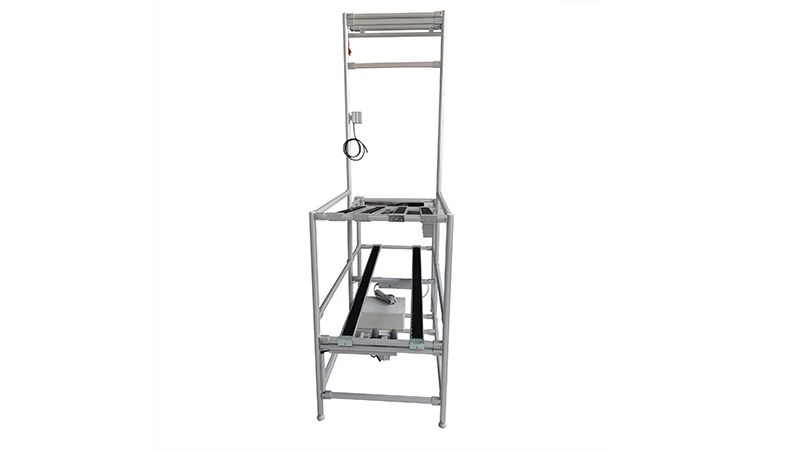
Aluminum Workbench C
aluminum-tube-workbench-is-more-flexible-and-durable,-compared-with-traditional-pe/abs-coated-steel-tube.-it-is-easy-to-assemble,-anti-corrosion,-rust-protection,-and-recycle-use-after-disassemble.
Walk into any modern factory, workshop, or tech lab, and you'll notice something subtle but powerful: the workbench isn't just a table anymore. It's the heartbeat of the workspace—a silent partner in productivity, a canvas for creativity, and a reflection of how much a business values its people and processes. For decades, industrial workbenches were afterthoughts, built for brute strength with little regard for how they looked or how they made workers feel. But today? The game has changed. Enter designs like the Aluminum Workbench C, a product that marries aesthetic elegance with functional precision, redefining what an industrial workbench can be. In this article, we'll dive deep into how Aluminum Workbench C stacks up against traditional and contemporary industrial designs, exploring the delicate balance between looking good and working better—because in the world of manufacturing and innovation, you shouldn't have to choose one over the other.
The Evolution of Industrial Workbenches: From Utility to Experience
Let's take a quick trip down memory lane. Not too long ago, industrial workbenches were simple affairs. Picture a thick slab of wood resting on four sturdy legs—no frills, no adjustments, just a surface to bang tools on or pile parts. As factories grew, steel replaced wood for durability, but the ethos remained: function first, form never. These steel behemoths were built to last, but they came with a cost: they were heavy, cold to the touch, and about as inspiring as a concrete wall. Workers spent 8+ hours a day hunched over them, surrounded by clunky, unyielding surfaces that felt more like obstacles than allies.
Then came the era of lean systems . Suddenly, every inch of workspace mattered. Waste—whether of time, movement, or materials—became the enemy. Workbenches weren't just surfaces anymore; they were part of a larger ecosystem designed to streamline workflows, reduce errors, and keep teams moving. This shift demanded more from workbench design: flexibility to adapt to changing tasks, modularity to grow with the business, and a focus on ergonomics to keep workers healthy and productive. Steel was still king, but cracks were showing. Its weight made reconfiguration a hassle, and its industrial look felt outdated in a world where tech startups and modern manufacturers wanted spaces that felt innovative, not industrial.
Enter aluminum. Lightweight yet surprisingly strong, aluminum brought a new energy to workbench design. And with it came products like the Aluminum Workbench C—a design that didn't just keep up with the demands of lean systems but embraced them, while adding a touch of visual appeal that steel could never match. It was a turning point: workbenches weren't just tools anymore. They were statements about how a company operates—prioritizing both efficiency and the human experience.
Aesthetic Appeal: When "Industrial" Doesn't Mean "Ugly"
Let's talk about aesthetics. Why does it matter if a workbench looks good? Isn't "industrial" supposed to be all about grit and function? Here's the thing: we're human. We spend a third of our lives at work, and our environment shapes how we feel, think, and perform. A cluttered, drab workspace can drain motivation, while a clean, modern one can spark focus and creativity. Aluminum Workbench C gets this—and it shows in every detail.
At the heart of its aesthetic appeal is aluminum profile —the material that gives the workbench its sleek, contemporary look. Unlike steel, which often comes with a rough, matte finish or requires painting (which chips over time), aluminum has a natural luster that feels premium. Most Aluminum Workbench C models feature anodized aluminum profiles, which not only durability but also add a smooth, consistent finish in neutral tones like silver, gray, or black. These colors don't just look clean—they reflect light, making the workspace feel brighter and more open. Compare that to traditional steel workbenches, which often come in harsh, industrial hues (think: battleship gray or rust-prone red) that absorb light and make spaces feel cramped. Even wooden workbenches, while warm, can look dated or cluttered if not meticulously maintained—especially in high-moisture or heavy-use environments.
But it's not just the material—it's the design language. Aluminum Workbench C leans into minimalism. Clean lines, slim profiles, and thoughtful proportions create a look that feels intentional, not haphazard. The aluminum profiles are often slim yet sturdy, avoiding the bulky, "overbuilt" look of steel. This slimness makes the workbench feel lighter, both visually and physically, which is a game-changer in tight workspaces. Cables? They're routed through built-in channels in the aluminum profiles, keeping surfaces clutter-free. Tools? Mounted on sleek, matching aluminum racks that blend seamlessly with the bench. Even the edges are rounded, softening the look and adding a subtle "human touch" that cold steel lacks.
Another aesthetic win? Versatility. Aluminum Workbench C doesn't force your workspace into a one-note "industrial" theme. It plays well with others. In a tech startup's R&D lab, it pairs effortlessly with whiteboards and minimalist furniture. In a boutique manufacturing shop, it complements reclaimed wood accents and vintage machinery. In a medical device facility, its clean lines and neutral palette align with strict sterility standards. Unlike steel, which can feel jarring in modern spaces, or wood, which can look out of place in high-tech environments, aluminum bridges the gap—offering a timeless look that adapts to your brand, not the other way around.
Let's not underestimate the power of color, either. While aluminum's natural metallic finish is a standout, many Aluminum Workbench C models offer powder-coated options in soft blues, greens, or even custom colors. This isn't just about personal preference—it's about branding. A workbench in your company's signature color isn't just a surface; it's a subtle reminder of shared purpose. And when employees feel like their workspace is "on brand" and cared for, it boosts pride in their work. It's a small detail, but small details add up to big shifts in morale.

Functional Excellence: Built for How Work *Really* Gets Done
A pretty workbench is nice, but if it doesn't work hard, it's just a fancy shelf. Aluminum Workbench C doesn't just look good—it outperforms, thanks to a design that's rooted in understanding how real work happens. Let's break down the functionality that makes it a standout in industrial settings.
First, let's talk about weight—specifically, how little it has. Aluminum is about 1/3 the weight of steel, which might not sound like a big deal until you need to move the workbench. In a lean system, flexibility is key. Maybe today you need a row of benches for assembly, but tomorrow you need to rearrange for a team project or new machinery. With steel, moving a bench requires a forklift or a team of people. With Aluminum Workbench C? Two people can lift it, or you can add casters (more on that later) for even easier mobility. This isn't just about convenience—it's about agility. In a world where manufacturing runs on short lead times and shifting priorities, being able to reconfigure your workspace in hours (not days) is a competitive advantage.
But don't let the light weight fool you—this bench is tough. Aluminum profiles are engineered to withstand heavy loads, with most models supporting 500+ pounds on the work surface alone. That's more than enough for power tools, machinery, or stacks of materials. And unlike wood, which can warp, crack, or absorb moisture, aluminum is naturally resistant to corrosion, rust, and wear. Spill a chemical? Wipe it off. Drag a heavy tool across the surface? No scratches. This durability means the bench looks as good on day 1,000 as it did on day 1—saving you money on replacements and keeping your workspace looking sharp.
Then there's modularity, made possible by aluminum pipe accessories . Traditional workbenches are static: what you see is what you get. If you need a shelf, you bolt on a clunky steel add-on that never quite matches. If you need a tool rail, you drill holes and hope for the best. Aluminum Workbench C? It's a blank canvas. Thanks to a system of lightweight, easy-to-connect accessories—think: adjustable shelves, tool hooks, monitor mounts, even ESD (electrostatic discharge) mats—you can customize the bench to fit your task, not the other way around. Need to add a second tier for parts bins? Snap on an aluminum shelf in minutes. Want to mount a laptop arm for digital work instructions? Just clamp it to the profile. And when tasks change? Take it apart and rebuild—no tools, no hassle, no damage to the bench itself. This modularity is pure lean system gold: it lets you adapt to new projects, new tools, or new team needs without buying a whole new bench.
Ergonomics is another functional standout. Aluminum Workbench C is designed with people in mind, not just parts. Most models offer height adjustment—either manual or electric—so workers of all sizes can find their perfect position (no more hunching or straining). The work surface is deep enough to spread out tools and materials but not so deep that you're reaching for items all day. Even the edge is padded on some models, providing a comfortable rest for wrists during long tasks. Compare this to traditional steel benches, which are often fixed at a "one-size-fits-all" height (usually too low for tall workers, too high for short ones) and have hard, unforgiving edges. The result? Less fatigue, fewer injuries, and happier, more productive teams.
Finally, let's talk about cleanability. In industries like food processing, pharmaceuticals, or electronics, cleanliness isn't optional—it's regulated. Aluminum Workbench C shines here. Its smooth, non-porous surface doesn't trap dirt, grease, or bacteria. A quick wipe with a disinfectant is all it takes to keep it spotless. Unlike wood, which can harbor germs in cracks, or painted steel, which chips and creates crevices for dirt, aluminum is a hygienic dream. Even the aluminum pipe accessories are easy to clean—no nooks or crannies for grime to hide. This isn't just about compliance; it's about pride. A clean workspace sends a message: "We care about quality, and we care about you."

How Does Aluminum Workbench C Stack Up? A Head-to-Head Comparison
Aesthetic appeal and functional perks are great, but how does Aluminum Workbench C really compare to other industrial designs? Let's put it to the test. Below is a comparison of Aluminum Workbench C with three common alternatives: traditional steel workbenches, wooden workbenches, and flow racks (a popular material-handling solution often used alongside workbenches).
| Feature | Aluminum Workbench C | Traditional Steel Workbench | Wooden Workbench | Flow Rack |
|---|---|---|---|---|
| Aesthetic Appeal | Sleek, modern aluminum profile with clean lines; customizable finishes/colors; blends with diverse workspaces. | Industrial, utilitarian look; often bulky with visible welds; limited color options (usually gray/black). | Warm, natural look but can appear dated; prone to scratches/stains that mar appearance over time. | Functional but utilitarian; designed for material flow, not visual appeal; often made of steel/plastic. |
| Functionality | Modular (aluminum pipe accessories); height-adjustable; lightweight yet durable; ergonomic; ESD-compatible. | Durable but heavy; hard to reconfigure; fixed height; limited accessory options. | Warm surface but prone to warping/damage; no built-in ergonomics; minimal customization. | Excellent for material handling/flow; limited as a work surface; no ergonomic features for tasks. |
| Durability | Corrosion-resistant aluminum; scratch-resistant anodized finish; withstands heavy loads (500+ lbs). | Extremely durable but prone to rust if paint chips; heavy, leading to floor damage over time. | Prone to scratches, dents, and moisture damage; requires regular refinishing. | Durable for material flow but not designed for heavy tool use; rollers can jam if not maintained. |
| Lean System Compatibility | High: modular design reduces waste; lightweight for quick reconfiguration; supports 5S (sort, set in order, shine, standardize, sustain). | Low: static design resists change; heavy weight makes 5S implementation difficult. | Low: limited adaptability; hard to standardize across workstations. | Medium: good for material flow (lean principle), but not a multi-task work surface; limited versatility. |
| Customization | High: endless combinations via aluminum pipe accessories (shelves, tool racks, etc.); color options; size flexibility. | Low: limited to pre-built sizes; add-ons are bolt-on and often mismatched. | Medium: can be built to size but hard to modify post-installation; accessories require drilling. | Low: designed for specific material sizes; minimal customization beyond shelf height. |
| Cost (Lifetime Value) | Higher upfront cost but lower long-term: durable, adaptable, and requires minimal replacement. | Lower upfront cost but higher long-term: may need replacement due to rust/damage; hard to upgrade. | Low upfront cost but highest long-term: frequent refinishing/replacement needed; not adaptable. | Low to medium upfront cost; limited lifespan if overloaded; not a replacement for a workbench. |
The takeaway? Aluminum Workbench C isn't just better than the alternatives in one area—it's better across the board. It outperforms steel in aesthetics and flexibility, wooden workbenches in durability and functionality, and flow racks in versatility and human-centered design. It's not just a workbench; it's a multi-tool that adapts to your needs, your space, and your people.

Real-World Impact: When Aesthetics and Function Collide
Let's move beyond specs and comparisons and talk about real-world results. How does Aluminum Workbench C actually perform in day-to-day operations? Take the example of a mid-sized electronics manufacturer we worked with last year. They were stuck in a rut: their assembly line used old steel workbenches that were heavy, hard to clean, and impossible to adjust. Workers complained about back pain from hunching, and the cluttered, industrial-looking space made new hires feel overwhelmed. Productivity was stagnant, and employee turnover in the assembly department was 20% higher than the company average.
They decided to pilot Aluminum Workbench C in one section of the line. The change was immediate. First, the aesthetics: the sleek aluminum profiles and clean surfaces transformed the area from "gritty factory" to "modern workshop." Workers reported feeling "proud to work here" and "more focused" in the brighter, less cluttered space. Then, functionality: using aluminum pipe accessories, the team added adjustable shelves for parts bins, tool rails at elbow height, and ESD mats to protect sensitive components. They even adjusted the bench heights to fit each worker, cutting down on hunching and straining.
The results? In three months, that pilot section saw a 15% increase in assembly speed and a 30% drop in errors. Employee turnover in the area fell to match the company average, and other departments started asking for the same upgrade. "It's not just a bench," one supervisor told us. "It's like we gave the team a whole new workspace that actually works with them, not against them."
Another example: a small-batch furniture maker that swapped their wooden workbenches for Aluminum Workbench C. Wood had been their go-to for years—warm, traditional, and "on brand." But they struggled with warped surfaces, splinters, and the constant need to sand and refinish. Aluminum Workbench C offered the durability they needed (no more warping!) with a modern twist that complemented their handcrafted furniture. They used aluminum pipe accessories to add custom tool holders for their saws and clamps, and the lightweight design let them move benches outside for finishing work on sunny days. "We were worried aluminum would feel too 'cold' for our brand," the owner admitted. "But it's actually the opposite—it feels intentional, like we care about the details. And our clients notice that."
The Future of Workbenches: Why Aluminum is Here to Stay
So, what does the future hold for industrial workbenches? If trends like lean systems, human-centric design, and sustainability are any indication, aluminum is poised to lead the way. Here's why:
Sustainability: Aluminum is 100% recyclable, with no loss of quality. Unlike steel, which requires massive amounts of energy to produce, aluminum recycling uses just 5% of the energy needed to make new aluminum. For companies prioritizing ESG (Environmental, Social, Governance) goals, Aluminum Workbench C isn't just a functional choice—it's a sustainable one.
Adaptability: The future of work is unpredictable. New technologies, new workflows, and new team structures will demand workspaces that can pivot quickly. Aluminum Workbench C's modular design and lightweight construction make it ready for whatever comes next—whether that's integrating AI-powered tools, supporting remote/in-office hybrid teams, or scaling up (or down) on short notice.
Human-Centricity: As companies compete for talent, the workspace is becoming a key differentiator. Workers don't just want a paycheck—they want to feel valued, comfortable, and inspired. Aluminum Workbench C checks those boxes, offering a space that's as good for the mind as it is for the task.
Conclusion: Beauty and Brains, Finally Together
Industrial design has long been stuck in a false choice: function or form, utility or beauty. Aluminum Workbench C smashes that choice to pieces. It proves that a workbench can be both sleek and strong, modern and practical, aesthetically pleasing and functionally flawless. It's a product that understands that in the world of work, the "how" matters just as much as the "what." How a workspace looks affects how we feel. How a bench functions affects how we perform. And when you get both right? Magic happens.
Whether you're running a massive manufacturing plant, a cozy workshop, or a cutting-edge lab, the Aluminum Workbench C isn't just a piece of furniture. It's an investment—in your team, your processes, and the future of your business. It's a statement that says, "We care about efficiency, but we also care about the people behind it." And in today's world, that's not just good design—that's good business.