- Company Articles
- Products and Technology
- Installation And Maintenance
- After-Sales Support for 2040 EU Standard Aluminum Profile: Maintenance Tips

After-Sales Support for 2040 EU Standard Aluminum Profile: Maintenance Tips
Related Product
2040 EU Standard Aluminum Profile
2040 is a 2.00 x 4.00CM fractional 20 series square extrusion T-slot profile with four open T-slots, two side with 2.00cm face, the other side with 4.00cm face. The profile has align-a-grooves to assist in aligning connecting profiles.
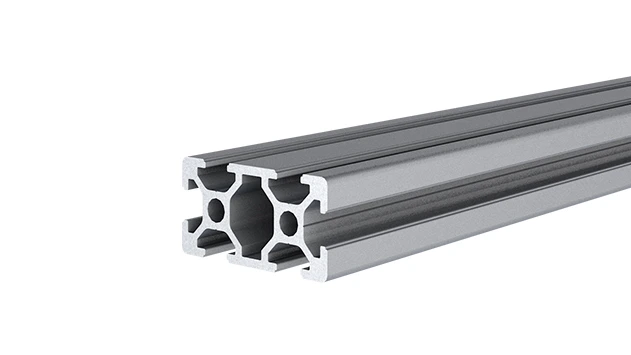
When you invest in a 2040 EU Standard Aluminum Profile, you're not just buying a piece of material—you're investing in efficiency, durability, and the smooth flow of your daily operations. Whether it's part of a workbench in your workshop, a material rack on the production floor, or a conveyor system moving goods, this aluminum profile is the backbone of countless industrial and commercial setups. But like any hardworking tool, it needs care to keep performing at its best. After-sales support isn't just about fixing problems when they arise; it's about preventing them in the first place. In this guide, we'll walk you through practical maintenance tips to extend the life of your 2040 EU Standard Aluminum Profile, protect your investment, and ensure it continues to serve your needs reliably.
Understanding Your 2040 EU Standard Aluminum Profile
Before diving into maintenance, let's take a moment to get familiar with what makes the 2040 EU Standard Aluminum Profile so versatile. This profile, named for its 40mm x 40mm cross-section (a common size in EU standards), is made from high-grade aluminum extrusion, known for its strength-to-weight ratio and resistance to corrosion. Its T-slot design—those grooves running along its length—makes it easy to attach accessories like brackets, panels, and guides, allowing you to customize structures to your exact needs.
In most setups, your 2040 profile works alongside other components to create functional systems. You might find it paired with aluminum profile end caps to seal off exposed ends, Aluminum Guide Rail A to facilitate smooth sliding or rolling motion, or adjustable leveling feet to stabilize workbenches on uneven floors. These accessories aren't just add-ons; they're integral to the profile's performance. Neglecting any one of them can throw off the entire system.
Pro Tip: Keep a list of all components in your setup (e.g., "2040 EU Standard Aluminum Profile, Aluminum Profile End Cap, Aluminum Guide Rail A") and their purchase dates. This helps your supplier provide faster after-sales support if you ever need replacement parts.
Daily Maintenance Habits: Small Steps, Big Results
Maintenance doesn't have to be a time-consuming chore. Incorporating these simple daily habits can prevent minor issues from turning into major headaches:
1. Keep It Clean
Aluminum profiles are naturally resistant to rust, but dust, grease, and debris can build up over time—especially in the T-slots and around connections. A quick wipe-down with a microfiber cloth (avoid abrasive sponges, which can scratch the surface) removes most dirt. For heavier grime, mix a few drops of mild dish soap with warm water, dampen the cloth, and gently scrub. Dry immediately with a clean towel to prevent water spots, which can dull the profile's finish over time.
2. Inspect for Wear and Tear
Take 30 seconds each day to visually check your profile and its accessories. Look for loose screws or bolts in connections, cracks in aluminum profile end caps, or debris stuck in Aluminum Guide Rail A. Even small issues, like a cracked end cap, can let moisture seep into the profile, leading to internal corrosion. Catching these early saves you from costly repairs later.
3. Tighten Loose Connections
Vibration from daily use (e.g., machinery running near a workbench, items sliding on a conveyor) can loosen screws or brackets attached to the T-slots. Keep a small hex key or screwdriver handy to tighten any loose fasteners. Don't over-tighten—aluminum is softer than steel, and stripping the threads in the T-slots is a common mistake. A firm, snug fit is all you need.

Deep Dive: Maintaining Key Components
Now that we've covered daily habits, let's focus on maintaining the specific components that keep your 2040 profile system running smoothly.
The Profile Itself: Protecting the Backbone
The 2040 EU Standard Aluminum Profile is tough, but it's not indestructible. Here's how to keep it in top shape:
- Prevent scratches: Avoid dragging heavy or sharp objects across the profile's surface. Use padding or rubber mats if you're placing tools or materials directly on it.
- Deal with minor dents: Small dents (from accidental bumps) can sometimes be gently pushed out from the inside using a soft rubber mallet—just be careful not to apply too much force, as aluminum can crack.
- Check for corrosion: While aluminum resists rust, exposure to harsh chemicals (like industrial cleaners or saltwater in coastal areas) can cause pitting. If you notice white, powdery spots (a sign of corrosion), clean the area with a 50/50 mix of vinegar and water, then rinse and dry thoroughly. For severe cases, contact your supplier—they may recommend a specialized treatment.
Aluminum Profile End Caps: Small Caps, Big Protection
Aluminum profile end caps are easy to overlook, but they play a critical role: sealing the ends of the profile to keep out moisture, dust, and pests (yes, even small insects can nest in open T-slots!). Here's how to care for them:
- Check for looseness: End caps are often press-fit or secured with small screws. If one is wobbly, press it back into place or tighten the screw. A loose cap won't seal properly.
- replace cracked caps: Cracks in end caps (from drops or impacts) mean they're no longer protecting the profile. Most suppliers sell replacement caps at low cost—swap them out immediately.
- Clean gently: When wiping down the profile, run the cloth over the end caps to remove dust. Avoid prying at them with tools, as this can damage the cap or the profile's edges.
Aluminum Guide Rail A: Keeping Things Moving Smoothly
If your setup includes Aluminum Guide Rail A—used in sliding doors, conveyor tracks, or drawer systems—keeping it lubricated and debris-free is key. A gummed-up or misaligned guide rail can slow down operations or cause jams.
- Clear debris: Use a soft-bristled brush (like a toothbrush) to sweep out dust or small particles from the rail's track. Even a tiny pebble can cause uneven movement.
- Lubricate sparingly: Apply a small amount of silicone-based lubricant (avoid oil-based products, which attract more dust) to the rail's moving parts every 2–3 weeks. Wipe off excess to prevent buildup.
- Check alignment: Over time, the rail might shift slightly, causing uneven wear. Place a straightedge along the rail to see if it's bowed. If it is, loosen the mounting brackets, realign, and retighten. If the misalignment is severe, your supplier can help assess if the rail needs replacement.
Adjustable Leveling Feet: Stability Starts Here
Adjustable leveling feet are the unsung heroes of stable workbenches and racks. They compensate for uneven floors, preventing wobbling that can damage the profile or make tasks harder. Here's how to maintain them:
- Keep threads clean: Dirt and debris can get stuck in the threads, making it hard to adjust the feet. Use a dry cloth or brush to wipe them down monthly.
- Test stability: Gently push on different corners of your workbench. If it rocks, adjust the feet until it's steady. If a foot spins without changing height, the internal threads may be stripped—replace it ASAP to avoid instability.
- Protect from moisture: If your setup is in a damp area (like a garage or factory with high humidity), check the feet for rust (if they have metal components). Wipe with a dry cloth and apply a thin coat of WD-40 to repel moisture.
Monthly Deep Maintenance: Going the Extra Mile
Once a month, set aside 20–30 minutes for a more thorough check. This is when you'll catch issues that daily checks might miss:
1. Inspect All Connections
Go through every bracket, joint, and fastener in your setup. Tighten any that are loose, and replace any that are bent, stripped, or rusted. Pay special attention to T-slot nuts—these can wear out over time, making accessories feel "wobbly" when attached.
2. Check for Bent Profiles
Aluminum is strong, but heavy loads or impacts can bend it. Use a level to check if profiles are straight. A slight bend might be fixable by gently applying pressure (use a rubber mallet and a block of wood to avoid direct impact), but severe bends mean it's time to replace the profile. Continuing to use a bent profile can throw off the entire structure's integrity.
3. Clean T-Slots Thoroughly
Dust and debris love to hide in T-slots, especially if you don't use them every day. Use a can of compressed air (or a bulb syringe for small slots) to blow out gunk, then wipe with a cloth dampened with soapy water. This ensures accessories attach securely when you need them.
Troubleshooting Common Issues
Even with regular maintenance, problems can pop up. Here's how to handle the most common ones:
Issue: Profile feels sticky or hard to move (in sliding systems)
Cause: Debris in the Aluminum Guide Rail A or dry lubrication. Solution: Clean the rail with a brush, apply silicone lubricant, and test movement. If it's still sticky, check for misalignment—loosen the rail, realign, and retighten.
Issue: Workbench wobbles despite tight leveling feet
Cause: Bent profile or loose connections between profiles. Solution: Check if the 2040 profile itself is straight (use a level). If bent, replace it. If straight, tighten all joints and brackets—sometimes wobbling comes from a single loose connection.
Issue: Aluminum Profile End Cap keeps falling off
Cause: The cap is cracked, or the profile's end is damaged (e.g., dented, bent). Solution: replace the cap first—if it still falls off, inspect the profile's end. A small dent can prevent the cap from seating properly. Gently tap the dent out with a rubber mallet, then try the new cap again.
Maintenance Schedule at a Glance
| Component | Daily Tasks | Weekly Tasks | Monthly Tasks | Tools Needed |
|---|---|---|---|---|
| 2040 EU Standard Aluminum Profile | Wipe dust with microfiber cloth | Clean with soapy water; check for scratches | Inspect for bends; clean T-slots | Microfiber cloth, mild soap, level, compressed air |
| Aluminum Profile End Cap | Check for looseness | Wipe clean; tighten screws if needed | replace if cracked or damaged | Screwdriver (if applicable), replacement caps |
| Aluminum Guide Rail A | Remove visible debris | Brush out track; apply silicone lubricant | Check alignment with straightedge | Soft brush, silicone lubricant, straightedge |
| Adjustable Leveling Feet | Test stability by pushing on corners | Clean threads with brush | Check for rust; replace if stripped | Brush, WD-40 (for metal parts) |
When to Call Your Supplier: Leveraging After-Sales Support
There are times when DIY maintenance isn't enough. Reach out to your 2040 EU Standard Aluminum Profile supplier if you notice:
- Severe corrosion (large white or gray patches) on the profile—this can weaken the material.
- Bent or cracked profiles that can't be straightened—continuing to use them is unsafe.
- Accessories that no longer fit (e.g., Aluminum Profile End Cap won't seat, even after replacing)—this may mean the profile's dimensions are warped.
- Persistent wobbling or misalignment, even after tightening all connections.
Reputable suppliers don't just sell parts—they offer technical guidance, replacement components, and even on-site assessments if needed. Don't hesitate to ask for help; that's what after-sales support is for.
Conclusion: Maintenance as an Investment
Caring for your 2040 EU Standard Aluminum Profile isn't just about keeping it looking good—it's about protecting your productivity, safety, and bottom line. A well-maintained profile lasts years longer, performs better, and saves you from costly replacements. By incorporating daily wipes, weekly checks, and monthly deep cleans, you're not just maintaining equipment—you're ensuring your workspace runs smoothly, so you can focus on what matters most.
Remember, after-sales support is a partnership. Your supplier is there to help with parts, advice, and troubleshooting, but the first line of defense is you. With these tips in hand, you're ready to keep your 2040 profile—and all its components—working hard for you, day in and day out.