- Company Articles
- Products and Technology
- Technology Sharing
- All Direction Roller Track vs Traditional Conveyor: A Comparative Analysis

All Direction Roller Track vs Traditional Conveyor: A Comparative Analysis
Related Product
All Direction Roller Track
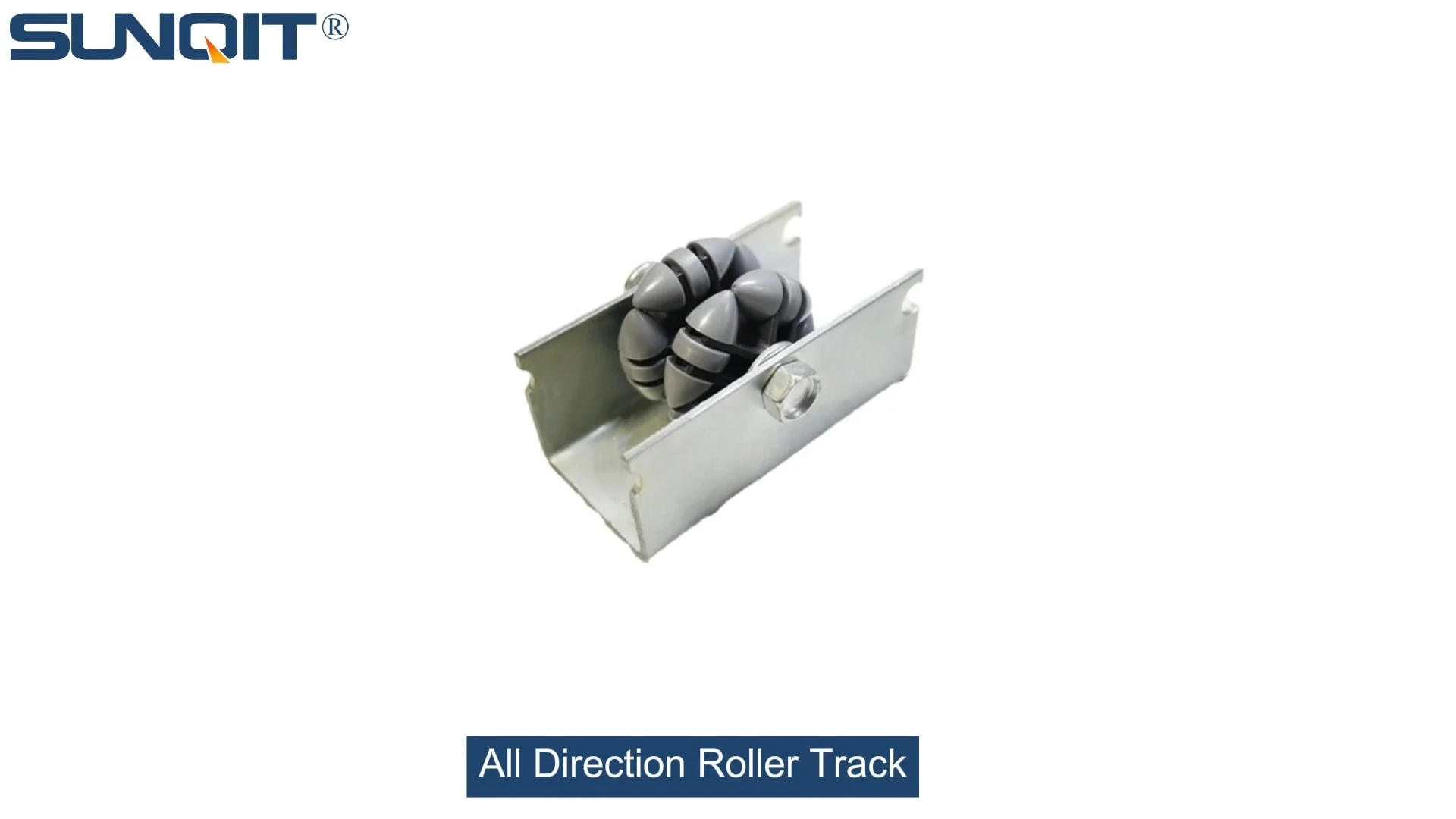
All direction roller track made of steel frame and multiple direction move wheel which will make boxes are always in contact with the rollers, reducing jams and enhancing flow reliability.
In the fast-paced world of manufacturing, every second counts. Whether you're assembling smartphones in a 3C factory or moving medical devices through a production line, the way materials flow can make or break your efficiency. Two solutions stand out in the realm of material handling: the All Direction Roller Track and the Traditional Conveyor . But how do they stack up? Which one fits your factory's unique rhythm? Let's dive in—not with dry specs, but with real-world scenarios, practical insights, and the kind of details that matter to operators on the floor and managers in the boardroom.
What is All Direction Roller Track? The "Swiss Army Knife" of Material Handling
Imagine walking into a busy 3C assembly line where workers are piecing together tiny circuit boards for smartwatches. On one table, a small tray holding delicate components glides smoothly from one station to the next—no pushing, no jostling, and when it needs to turn a corner, it does so effortlessly, like a leaf floating on water. That's the magic of an All Direction Roller Track at work.
Anatomy of All Direction Roller Track: Built for Flexibility
At its core, this system is a network of tracks embedded with hundreds of small, rotating balls (often called swivel roller balls )—typically 0.5 to 1 inch in size—housed in a durable frame, often made from aluminum profile for lightweight strength. Unlike traditional tracks that force movement along a fixed path, these balls rotate 360 degrees, letting materials glide in any direction. Think of it as a miniature, industrial-grade air hockey table, but built to withstand the rigors of factory life.
Manufacturers like those specializing in lean pipe systems often pair these tracks with modular aluminum frames, making them easy to assemble, disassemble, and reconfigure. Need to adjust the layout for a new product line? Just unbolt the aluminum sections, rearrange them, and you're back in business—no welding, no heavy machinery, just simple tools and a few minutes of work.
Why Factories Love It: The Advantages That Resonate
1. Unmatched Flexibility : The biggest win here is adaptability. In industries like 3C assembly, where product cycles change faster than seasons, being able to reroute materials on the fly is a game-changer. A single All Direction Roller Track can handle multiple product types, from small electronic parts to lightweight medical devices, without needing a complete overhaul.
2. Gentle on Delicate Goods : Those swivel balls distribute weight evenly, reducing pressure points. For fragile items—like glass screens or precision medical tools—this means fewer damaged parts and less waste. It's the difference between (carefully) sliding a tray and awkwardly lifting it, which anyone who's worked in a factory knows can lead to costly mistakes.
3. Space-Saving Design : Traditional conveyors often require dedicated, straight-line paths, eating up valuable floor space. All Direction Roller Tracks, though, can be integrated into workbenches, tables, or even overhead systems, turning unused vertical or horizontal space into functional material highways. In a cramped factory where every square foot matters, this is pure gold.
4. Worker-Friendly Ergonomics : Let's talk about the people behind the machines. Bending, reaching, and pushing heavy carts all day takes a toll on bodies. With these tracks, materials flow at waist height, reducing strain on backs and shoulders. It's a small change that leads to happier, more productive teams—and fewer sick days.
Where It Shines: Ideal Applications
This system isn't a one-size-fits-all solution, but it excels in specific scenarios: small to medium-sized, lightweight products (under 50kg, typically), high-mix, low-volume production (like custom medical devices), and workstations where frequent direction changes are needed (hello, 3C assembly lines!). It's also a star in lean solution setups, aligning perfectly with the "sustainable improvement" (philosophy) by allowing constant tweaks to the workflow without major investments.
What is Traditional Conveyor? The "Workhorse" of Heavy-Duty Material Handling
Now, picture a different scene: a automotive factory where massive engine blocks weighing hundreds of kilograms need to move from welding stations to painting lines, hour after hour, with zero downtime. Here, you won't see gentle gliding trays—you'll see a roaring, robust line of metal and rubber: the Traditional Conveyor. This is the backbone of high-volume, heavy-duty manufacturing, the unsung hero that keeps production lines churning when "good enough" just won't cut it.
Anatomy of Traditional Conveyor: Built for Power and Speed
Traditional conveyors come in many flavors—belt conveyors, roller conveyors, chain conveyors—but they all share one trait: a fixed path. Belt conveyors use motorized rubber belts to carry items; roller conveyors rely on motor-driven or gravity-fed rollers; chain conveyors use metal chains for ultra-heavy loads. Unlike the All Direction Roller Track's free-spirited movement, these systems are designed to go from Point A to Point B—fast, reliably, and with brute strength.
They're often built with steel frames for durability, and their components (motors, gears, belts) are industrial-grade. Think of them as the semi-trucks of material handling: not the most nimble, but when you need to move a ton of goods 50 meters down a line, nothing beats them.
Why Factories Rely On It: The Advantages That Deliver Results
1. Heavy-Duty Performance : When we say "heavy," we mean heavy . Traditional conveyors can handle loads from 50kg to several tons—perfect for automotive parts, large appliances, or bulk materials like packaged goods in warehouses.
2. Speed and Consistency : These systems are built for high throughput. A well-tuned belt conveyor can move items at speeds up to 60 meters per minute, making them ideal for mass production lines where every second translates to hundreds of units.
3. Low Labor Dependency : Once set up, traditional conveyors run autonomously. No need for workers to push or guide items—just load at one end and unload at the other. This reduces human error and frees up staff for more skilled tasks.
Where It Dominates: Ideal Applications
Traditional conveyors thrive in high-volume, low-mix production —think automotive assembly lines churning out the same car model for months, or logistics hubs moving pallets of goods. They're also indispensable in environments where speed and precision timing matter, like automated warehouses where packages need to reach shipping docks exactly when the truck arrives.

Head-to-Head: All Direction Roller Track vs Traditional Conveyor
Now, let's put these two side by side. It's not about which is "better"—it's about which fits your factory's needs. Below is a breakdown of key factors that matter most to manufacturers, from floor supervisors to CFOs.
| Factor | All Direction Roller Track | Traditional Conveyor |
|---|---|---|
| Flexibility & Adaptability | ★★★★★ – Can be reconfigured in hours with basic tools; supports multi-directional movement for mixed products. | ★★☆☆☆ – Fixed path requires major overhauls to reconfigure; best for single-product lines. |
| Load Capacity | ★★☆☆☆ – Ideal for light to medium loads (up to 50kg); not built for heavy items. | ★★★★★ – Handles 50kg to multiple tons; designed for heavy, bulky goods. |
| Installation & Maintenance | ★★★★☆ – Modular design (often using aluminum profile and lean pipe components) makes setup quick; minimal moving parts mean less upkeep. | ★★☆☆☆ – Complex installation (requires electricians, structural work); motors, belts, and gears need regular maintenance. |
| Space Efficiency | ★★★★☆ – Compact, can be integrated into workstations; no need for wide, straight paths. | ★★★☆☆ – Requires dedicated floor space for fixed routes; may limit layout flexibility. |
| Cost (Initial + Long-Term) | ★★★★☆ – Lower upfront cost (modular components); easy to scale incrementally. Minimal energy use (often gravity-fed). | ★★☆☆☆ – Higher initial investment (motors, installation); ongoing energy and maintenance costs add up. |
| Lean Manufacturing Fit | ★★★★★ – Aligns with "just-in-time" and "continuous improvement" principles; supports quick changeovers and waste reduction. | ★★★☆☆ – Efficient for steady production but less adaptable to frequent process tweaks. |
| Best For | 3C assembly, medical devices, small parts, mixed-product lines, lean workstations. | Automotive manufacturing, bulk logistics, high-volume production, heavy machinery. |
Digging Deeper: The Stories Behind the Stars
Case 1: A 3C Factory's Lean Transformation with All Direction Roller Track
A mid-sized electronics manufacturer in Shenzhen was struggling with frequent product changes—one week assembling wireless earbuds, the next switching to smartwatch chargers. Their old setup used fixed gravity conveyors, and each changeover took 4 hours of downtime. After switching to an All Direction Roller Track system built with aluminum profiles and swivel roller balls, they cut changeover time to 30 minutes. Workers could now manually redirect trays between stations, and the modular tracks were easy to extend or shorten as needed. "It's like having a production line that bends to our schedule, not the other way around," said their production manager.
Case 2: Automotive Plant Relies on Traditional Conveyor for Heavy-Duty Consistency
A major automotive parts supplier in Guangzhou produces engine blocks weighing 200kg each. They need to move these blocks through 12 stations—welding, painting, testing—without a single hiccup. A traditional roller conveyor system, powered by motors and controlled by sensors, ensures each block arrives at the next station within 2 minutes, 24/7. "We don't need flexibility here—we need reliability," their operations director explained. "This conveyor runs nonstop, and when it does need maintenance, we plan it during scheduled shutdowns. For heavy, high-volume work, there's no substitute."

The X-Factor: Lean Principles and Custom Solutions
Here's where it gets interesting: many factories don't choose either/or —they choose both , tailored to their unique workflow. This is where lean solution providers shine, combining the flexibility of All Direction Roller Tracks with the power of Traditional Conveyors to create hybrid systems that maximize efficiency.
For example, a medical device manufacturer might use All Direction Roller Tracks in their assembly area, where workers handle small, delicate components that need precise positioning. Once the devices are assembled, they're placed on a Traditional Conveyor that carries them to the packaging department, where high-volume, straight-line movement is key. It's the best of both worlds—nimble where you need it, powerful where you don't.
And let's not forget the role of lean pipe and aluminum profile systems in making this possible. These modular building blocks allow factories to customize their material handling setups without reinventing the wheel. Need to add a side track to your All Direction Roller system? Just bolt on a new aluminum section. Want to extend a traditional conveyor by 10 meters? Add a prefabricated roller segment. It's manufacturing with Legos—simple, scalable, and sustainable.

Final Thoughts: Choosing the Right Tool for Your Factory's Story
At the end of the day, the choice between All Direction Roller Track and Traditional Conveyor boils down to your factory's daily reality. Ask yourself:
- Do we produce many small, varied products, or a few large, consistent ones?
- How often do our production lines change?
- What's more important: flexibility to adapt, or raw speed and power?
- Are our workers spending too much time moving materials, instead of building products?
For 3C assembly lines, medical device workshops, or any factory that prioritizes agility and lean principles, All Direction Roller Track is a revelation. For automotive plants, logistics hubs, or high-volume production facilities, Traditional Conveyor remains the backbone of reliability. And for many others? A little bit of both, customized to fit like a well-tailored uniform.
In the end, the goal isn't just to move materials—it's to move them in a way that makes your factory smarter, your workers happier, and your bottom line healthier. Whether you're gliding with the flexibility of All Direction Roller Track or powering through with Traditional Conveyor, the right choice is the one that writes a better story for your manufacturing journey.