- Company Articles
- Products and Technology
- Product knowledge
- Alternatives to Gusset ALP 4040: When to Choose Other Bracket Types

Alternatives to Gusset ALP 4040: When to Choose Other Bracket Types
Related Product
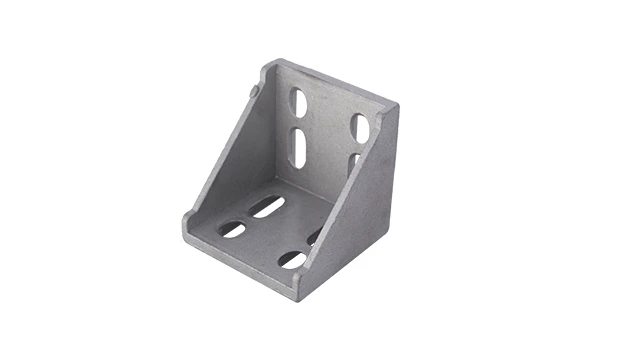
Gusset ALP 4040
The 4040 bracket/Gusset is an external fastening method that creates a 90 degree connection. 4040 means this size is used for 40 series aluminum profile with a quick connection by bolt and nut. It is a lightweight bracket that requires no machining servic
When you're building with aluminum profiles—whether it's a workbench for your garage, a material rack for a warehouse, or a custom assembly line in a factory—the brackets you choose can make or break the project. These small but mighty components hold everything together, ensuring stability, safety, and functionality. One bracket that often comes up in discussions is the Gusset ALP 4040. It's a popular choice for heavy-duty applications, but let's be real: no single bracket is perfect for every situation. Sometimes, you need something slimmer, faster to install, or better suited to a specific environment. In this article, we'll dive into when the Gusset ALP 4040 shines, and when it's time to explore other options. Let's start by getting to know the Gusset ALP 4040 a little better.
What Is the Gusset ALP 4040, Anyway?
Let's start with the basics. The Gusset ALP 4040 is a type of bracket designed specifically for use with 4040 aluminum profiles—the workhorses of industrial and commercial framing. If you've ever walked through a manufacturing plant or a well-organized workshop, you've probably seen 4040 profiles: those square or rectangular aluminum beams with T-slots running along their length, perfect for attaching brackets, panels, and accessories. The Gusset ALP 4040 is a right-angle bracket, meaning it's used to connect two profiles at a 90-degree angle, like the corner of a workbench or the joint of a rack.
What makes the Gusset ALP 4040 stand out? It's built for strength. Typically made from die-cast aluminum or steel, it has a triangular "gusset" design—those diagonal supports you see on bridges or heavy machinery—that distributes weight evenly across the joint. This makes it ideal for applications where the structure needs to hold heavy loads, like a workbench in an automotive shop where mechanics might be pounding on parts, or a material rack storing boxes of metal components. It's also durable; the powder-coated finish resists scratches and minor corrosion, which is why you'll often find it in industrial settings where wear and tear are part of the daily grind.
But here's the thing: that strength and durability come with trade-offs. The Gusset ALP 4040 is bulkier than some other brackets. Its triangular shape juts out from the profile, which can take up valuable space in tight areas. It also requires more hardware to install—usually bolts or screws that need to be tightened with tools, which can slow down assembly. And let's not forget cost: because it's built to handle heavy loads, it's often pricier than simpler bracket designs. So while it's a rockstar in certain scenarios, there are plenty of times when a different bracket would be a better fit.
When to Look Beyond the Gusset ALP 4040
So when should you pause before reaching for that Gusset ALP 4040? Let's walk through some common scenarios where an alternative bracket might serve you better. Keep in mind, these aren't hard-and-fast rules—every project is unique—but they'll help you ask the right questions before making a decision.
1. When Space Is Tighter Than a Packed Toolbox
Imagine setting up a small electronics assembly station where every inch counts. You've got a 4040 aluminum profile frame holding a monitor, a keyboard tray, and a shelf for components. The Gusset ALP 4040 at the corners might stick out just enough to bump into the operator's arm when they reach for a resistor, or block the path of a sliding drawer. In these cases, a low-profile bracket—one that lies flush against the profile or has a slimmer design—would be a game-changer. You get the same structural support without sacrificing that precious workspace.
2. When You Need to Assemble (and Disassemble) Quickly
Think about a trade show booth. You need to build a display stand from aluminum profiles, use it for a weekend, then take it apart and ship it to the next city. The Gusset ALP 4040, with its bolts and nuts, would require tools and time to assemble—time you might not have when you're rushing to set up before the doors open. In this case, a bracket that snaps into the T-slot or uses quick-release levers would be far more practical. These "tool-less" brackets let you put the structure together in minutes, take it apart just as fast, and avoid losing tiny hardware in transit.
3. When the Load Is Lighter Than You Think
Not every structure needs to hold 500 pounds. If you're building a shelf for storing lightweight items like plastic bins of office supplies or small electronic components, the Gusset ALP 4040 is overkill. Using a simpler, lighter bracket not only saves money but also reduces the overall weight of the structure, making it easier to move if needed. It's like using a sledgehammer to hang a picture—effective, but unnecessary.
4. When Corrosion Is a Concern
Industrial environments can be harsh. A food processing plant, for example, might have high humidity or regular washdowns with water and cleaning chemicals. The standard Gusset ALP 4040, even with a powder coating, might not hold up as well as a stainless steel bracket or one with a specialized corrosion-resistant finish. In these cases, choosing a bracket made from materials that can withstand the environment will save you from costly replacements down the line.
5. When Budget Is Tight (And When Isn't It?)
Let's face it: most projects have a budget, and every dollar counts. If you're building a temporary structure or a prototype that might be modified later, spending extra on a heavy-duty Gusset ALP 4040 might not make sense. A basic angle bracket or a plastic composite bracket could work just as well for the short term, freeing up funds for other tools or materials. It's all about matching the bracket to the project's lifespan and requirements.

Alternative Bracket Types to Consider
Now that we've covered when to look for alternatives, let's dive into some of the most common bracket types that might better suit your needs. We'll break down their design, best uses, and how they stack up against the Gusset ALP 4040.
1. 90° Aluminum Profile Connectors: The Sleek Performer
If the Gusset ALP 4040 is the bodybuilder of brackets, the 90° Aluminum Profile Connector is the yoga instructor—flexible, streamlined, and space-efficient. These connectors are designed to slide into the T-slots of two perpendicular aluminum profiles, creating a clean, flush joint. Unlike the Gusset ALP 4040, which sits on the outside of the profiles, many 90° connectors fit inside or partially inside the T-slots, reducing bulk.
How do they work? Most use a set screw or a cam lever to lock into place. You slide the connector into the T-slot of one profile, align the second profile at a 90-degree angle, then tighten the screw to secure the joint. It's quick to assemble—no need for drilling or extra hardware—and the result is a joint that looks polished and professional. Some models even allow for rotation, which can be handy if you need to adjust the angle slightly after assembly.
Best for: Projects where space is limited, like small workbenches, display shelves, or modular furniture. They're also great for applications where aesthetics matter—think retail displays or office partitions where you don't want bulky brackets drawing attention. Just keep in mind that while they're strong enough for most light to medium loads, they might not hold up to the same heavy weights as the Gusset ALP 4040. If you're storing 50-pound boxes on a shelf held by 90° connectors, you might want to reinforce with extra brackets or choose a heavier-duty model.
2. 3030 Aluminum Profile End Caps: The Lightweight Contender
Wait, end caps as brackets? Hear me out. While 3030 Aluminum Profile End Caps are primarily designed to cover the exposed ends of 3030 profiles (preventing snags and giving a finished look), some models double as simple brackets for lightweight applications. These end caps often have pre-drilled holes or slots that let you attach them to another profile or surface, acting as a low-cost, low-profile connector.
For example, if you're building a small parts bin rack using 3030 profiles, you could use end caps to attach the horizontal shelves to the vertical posts. They won't handle heavy loads, but for holding plastic bins of screws or washers, they're more than sufficient. Plus, they're incredibly affordable—often a fraction of the cost of a Gusset ALP 4040. And since they're made from the same aluminum as the profiles, they match in color and finish, keeping the structure looking cohesive.
Best for: Ultra-lightweight structures, temporary setups, or projects where you need a quick, budget-friendly solution. Just don't push them beyond their limits—if you try to use them for a workbench top that will see daily hammering, they'll likely bend or break. Think of them as the "disposable utensils" of brackets: great for casual use, but not built for the long haul.
3. Corner Braces: The Classic Workhorse
Corner braces are the tried-and-true brackets you'll find in any hardware store—small, L-shaped pieces of metal or plastic with holes for screws. While they might seem old-fashioned compared to specialized aluminum profile brackets, they're still a solid choice in many situations. What makes them appealing? Versatility. They work with almost any material, not just aluminum profiles, so if your project mixes aluminum with wood or steel, corner braces can bridge the gap.
Modern corner braces come in a variety of materials: steel for strength, aluminum for corrosion resistance, and plastic for lightweight, low-cost applications. Some even have a sleek, low-profile design that rivals the 90° aluminum profile connectors. Installation is straightforward—just drill holes in the profiles, align the brace, and screw it in. No special tools or T-slot expertise required, which makes them great for DIYers or small workshops without specialized equipment.
Best for: Mixed-material projects, quick repairs, or situations where you need a bracket that's easy to find and replace. They're also a good backup option if you run out of specialized aluminum brackets mid-project. The downside? They don't integrate with T-slots as seamlessly as purpose-built aluminum connectors, so the joint might not be as strong or as clean-looking. But for many applications, that trade-off is worth the convenience.
4. T-Connectors: For Straight-Line Support
Not all bracket needs are about 90-degree angles. Sometimes you need to attach a profile straight into the side of another profile—like adding a shelf to the middle of a vertical post. That's where T-connectors come in. These brackets have a T-shape, with one end sliding into the T-slot of the main profile and the other end connecting to the cross profile. They're perfect for creating T-joints, which are common in structures like workbenches with overhead shelves or material racks with dividers.
T-connectors share many benefits with 90° connectors: they're space-efficient, easy to install, and create clean joints. Some models even allow for height adjustment—you can slide the connector up or down the main profile before tightening, which is handy if you need to tweak the position of a shelf or accessory. They're available in various sizes to match different profile dimensions, from small 2020 profiles to larger 4080 profiles.
Best for: Adding cross members, shelves, or accessories to existing aluminum structures. They're a staple in lean system setups, where flexibility and adaptability are key. For example, in a lean manufacturing cell, you might use T-connectors to attach tool holders or bins to a main frame, allowing workers to customize their workspace without rebuilding the entire structure.

Comparing the Options: Gusset ALP 4040 vs. Alternatives
| Bracket Type | Load Capacity | Assembly Time | Space Requirement | Best For |
|---|---|---|---|---|
| Gusset ALP 4040 | High (up to 500 lbs per joint) | Medium (requires bolts/tools) | Bulky (protrudes from profiles) | Heavy-duty workbenches, industrial racks |
| 90° Aluminum Profile Connector | Medium (up to 200 lbs per joint) | Fast (tool-less or set screws) | Slim (flush or low-profile) | Small workbenches, display shelves |
| 3030 Aluminum Profile End Cap | Low (up to 50 lbs per joint) | Very fast (slides on, clips in) | Minimal (fits inside profile ends) | Lightweight bins, temporary structures |
| Corner Brace | Medium (up to 150 lbs per joint) | Medium (requires drilling/screws) | Low-profile (varies by design) | Mixed-material projects, repairs |
| T-Connector | Medium (up to 250 lbs per joint) | Fast (slides into T-slots) | Slim (fits within T-slots) | Adding shelves, cross members |
Real-World Scenarios: When Alternatives Shined
Let's put this all into context with a few real-world examples. These are simplified versions of projects I've helped with or heard about from clients—they show how choosing the right bracket can make or break a project's success.
Case Study 1: The Small Electronics Workshop
A local electronics repair shop wanted to build three workbenches for their technicians. Each workbench needed to have a surface for laptops, a shelf for tools, and a small parts bin rack underneath. The owner initially planned to use Gusset ALP 4040 brackets because they'd heard they were "the strongest." But when we visited the shop, we noticed the workspace was tight—each bench was only 4 feet wide, and technicians would be sitting shoulder-to-shoulder.
We suggested switching to 90° aluminum profile connectors instead. The result? The workbenches were 3 inches narrower on each side (thanks to the slimmer brackets), giving technicians more elbow room. Assembly time also dropped from 2 hours per bench to 45 minutes, since the connectors slid into the T-slots and locked with set screws. The load capacity was still more than enough—each shelf only held a few pounds of tools and parts. The owner was thrilled with the space saved and the faster setup.
Case Study 2: The Trade Show Display
A startup selling handmade jewelry needed a portable display stand for trade shows. They wanted something lightweight, easy to assemble, and visually appealing. They initially considered using Gusset ALP 4040 brackets with 3030 aluminum profiles, but the brackets were too bulky and made the stand look industrial—not the vibe they wanted for their delicate jewelry.
Instead, we recommended 3030 aluminum profile end caps for the vertical posts and shelves, paired with some small corner braces for extra stability. The end caps gave the stand a clean, finished look, and since they were lightweight, the entire stand weighed less than 20 pounds—easy for two people to carry. Assembly took 10 minutes (no tools needed), and the end caps came in a silver finish that matched the profiles perfectly. The startup got compliments on the display's "modern, minimalist" design, and they could disassemble it quickly at the end of the day.
Case Study 3: The Warehouse Material Rack
A warehouse needed to build a new rack for storing heavy boxes of automotive parts—each box weighed around 80 pounds. They originally planned to use T-connectors because they were cheap and easy to install. But after reviewing the load requirements, we realized the T-connectors wouldn't be strong enough over time—the repeated weight of the boxes could loosen the joints.
We suggested a hybrid approach: Gusset ALP 4040 brackets for the vertical corners (where the load was highest) and T-connectors for the middle shelves (which held lighter boxes). This way, they got the strength where they needed it and saved money on the less critical joints. The rack has been in use for over a year with no issues, and the warehouse manager was happy they didn't overspend on Gusset brackets for the entire structure.
Wrapping Up: It's All About the Right Tool for the Job
At the end of the day, the Gusset ALP 4040 is a fantastic bracket—when it's the right fit. Its strength and durability make it a top choice for heavy-duty industrial applications. But as we've seen, there are plenty of scenarios where alternatives like 90° aluminum profile connectors, 3030 end caps, or corner braces are better suited. The key is to start by asking: What's the load? How much space do I have? How quickly do I need to assemble it? And what's my budget?
Aluminum profiles are all about flexibility—they let you build, modify, and adapt structures to your needs. Your brackets should be flexible too. Don't get stuck on one type because it's what you've always used or what someone told you was "the best." Experiment, ask questions, and don't be afraid to mix and match brackets to get the perfect balance of strength, space, and cost.
Whether you're building a workbench in your garage, a display stand for a trade show, or a material rack in a factory, the right bracket will make the project smoother, safer, and more successful. And who knows? You might even discover a new favorite bracket type along the way.