- Company Articles
- Products and Technology
- Product knowledge
- Alternatives to Three Way Lean Pipe Joint: Pros & Cons

Alternatives to Three Way Lean Pipe Joint: Pros & Cons
Related Product
Three Way Lean Pipe Joint
Three way lean pipe joint for 3 pcs 28MM lean pipe connection in straight angle, which used widely in workbench, flow rack, hand trolley frame connection.
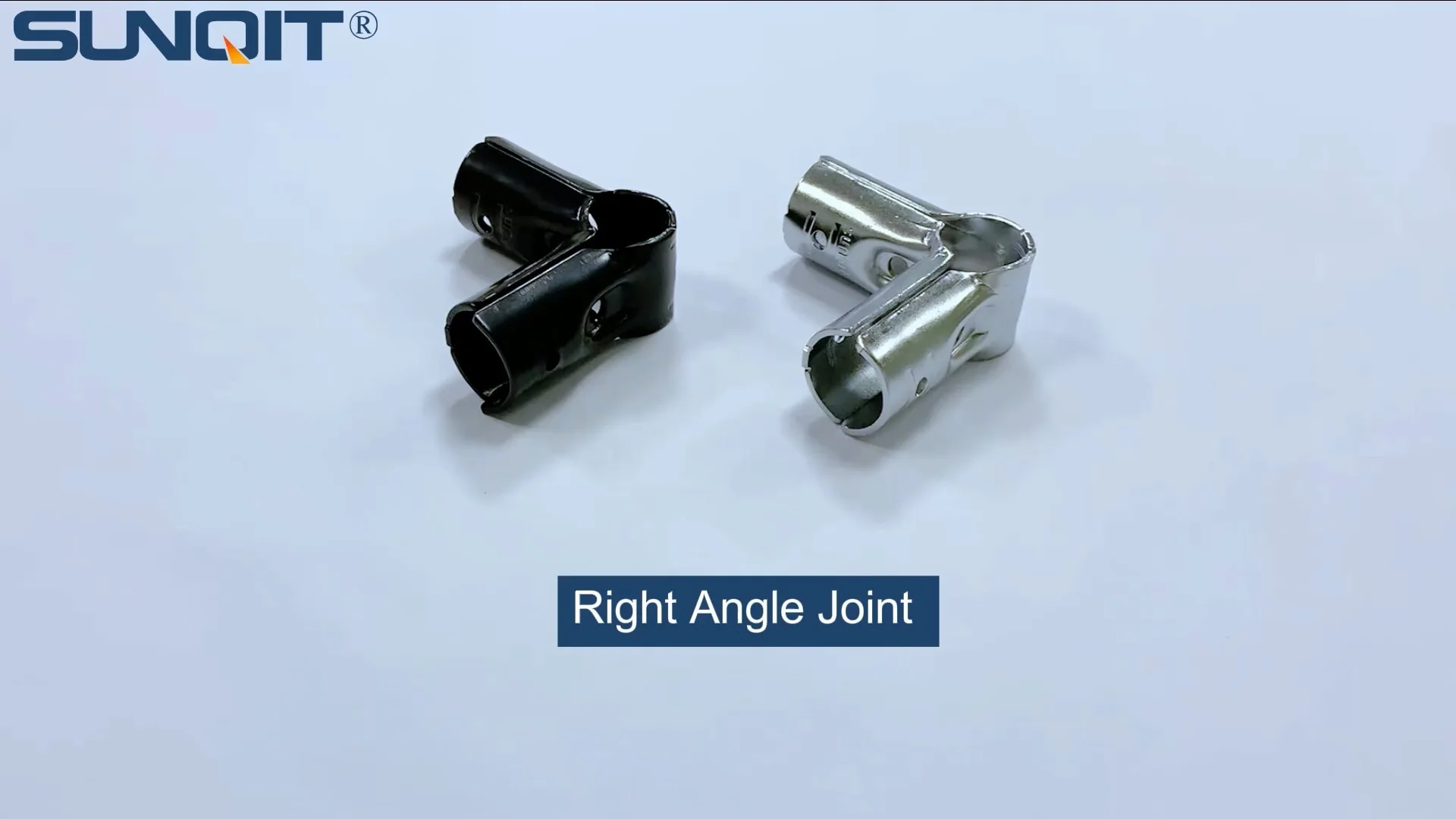
In the world of manufacturing and production, where efficiency is the name of the game, every component in your setup plays a quiet but critical role. Lean systems, designed to minimize waste and maximize productivity, rely heavily on flexibility—and at the heart of that flexibility are the connectors and joints that hold everything together. If you've spent any time working with lean pipe structures—think workbenches, flow racks, or turnover trolleys—you're probably familiar with the three way lean pipe joint. It's the workhorse of many setups, allowing you to connect three pipes at once to build sturdy, adaptable frameworks. But here's the thing: just because it's common doesn't mean it's always the best fit. Depending on your project's needs—whether it's weight, corrosion resistance, or specific functionality—there might be a better alternative waiting in the wings. Today, we're diving into three key alternatives to the three way lean pipe joint, breaking down their pros, cons, and when to reach for them instead.
First, Let's Talk About the Three Way Lean Pipe Joint
Before we jump into alternatives, let's make sure we're all on the same page about the star of the show: the three way lean pipe joint. If you've ever assembled a lean pipe workbench or a simple material rack, you've likely twisted one of these onto a steel or plastic-coated pipe. Typically made from die-cast metal (often zinc or aluminum) with a plastic or rubber coating to protect the pipe, this joint is designed to connect three pipes at 90-degree angles, though some models allow for slight adjustments. Its claim to fame? Simplicity. You don't need special tools—just a wrench or even your hands (if you're feeling strong) to tighten it into place. It's affordable, widely available, and works with most standard lean pipes (usually 28mm or 30mm in diameter). For small to medium-load applications—like a lightweight workbench or a temporary flow rack—this joint gets the job done.
But no component is perfect. The three way lean pipe joint has its limitations. For starters, it's not the most robust option out there. If you're building something that needs to support heavy loads—say, a rack for metal parts or a conveyor system—you might find the joint flexes under pressure, leading to wobbly structures over time. Then there's corrosion: unless you're using a stainless steel version (which costs more), standard lean pipe joints can rust if exposed to moisture or chemicals, a big issue in food processing or pharmaceutical environments. And while it's "flexible," that flexibility is limited to three-way connections. If your design calls for more complex angles or more than three pipes, you'll need to stack joints, which can get clunky. Finally, weight: steel joints add up, making the entire structure heavier and harder to reconfigure if your production line needs to shift.
So, when might you start looking for an alternative? Maybe you're tired of replacing rusted joints, or you need a setup that's lighter but still strong. Or perhaps your team is working in a cleanroom where aluminum's sleek, corrosion-resistant finish is a must. Whatever the case, let's explore three alternatives that might just fit the bill better.
Alternative 1: Aluminum Profile Connectors – Lightweight, Sleek, and Built to Last
If you've stepped into a modern manufacturing facility lately, you've probably noticed a shift toward aluminum. Sleek, silver frames replacing clunky steel, and for good reason: aluminum is lightweight, corrosion-resistant, and surprisingly strong. And when it comes to connectors for these aluminum structures, aluminum profile connectors (one of our keywords!) are changing the game. Unlike the three way lean pipe joint, which clamps onto round pipes, aluminum profile connectors are designed to work with square or rectangular aluminum extrusion profiles—those grooved beams you see in everything from CNC machine guards to lab workstations. These connectors slide into the profile's T-slots or bolt directly onto the surface, creating tight, rigid connections without the bulk of traditional pipe joints.
Let's start with the pros. First, weight. Aluminum profile connectors are significantly lighter than their steel lean pipe counterparts. A typical 90-degree aluminum connector weighs about half as much as a steel three way joint, which adds up when you're building an entire workbench or flow rack. This makes the structure easier to move, reconfigure, and even ship if needed. Then there's corrosion resistance. Aluminum naturally forms a protective oxide layer, so even without additional coating, it holds up well in damp or chemical-exposed environments—think food processing plants or coastal factories where salt air is a problem. Unlike steel lean pipe joints, you won't wake up to rust stains on your workbench.
Another big win? Precision. Aluminum extrusion profiles are manufactured to tight tolerances, and their connectors are designed to match. This means your structures go together straighter and stay that way. No more wobbly shelves or misaligned flow racks. Plus, aluminum profile connectors come in a dizzying array of styles: T-joints, L-joints, cross-joints, even swivel joints that let you adjust angles on the fly. Need to connect four profiles at once? There's a connector for that. Working with odd angles? Look for 45-degree or 135-degree connectors. This versatility makes them ideal for complex designs that the three way lean pipe joint might struggle with.
Aesthetically, they're also a step up. Aluminum has a clean, professional look that's hard to beat, which matters if your facility is open to clients or visitors. And because the connectors fit flush with the profiles, there are no bulky protrusions—great for preventing snags on clothing or materials.
Now, the cons. Cost is the biggest one. Aluminum profile systems, including their connectors, are pricier upfront than standard lean pipe setups. You're paying for the material, the precision manufacturing, and the added features, so if you're on a tight budget, this might be a non-starter. Then there's compatibility. Unlike lean pipe joints, which work with most round pipes, aluminum profile connectors are specific to the profile's size and groove design. A connector for a 40x40mm profile won't fit a 20x20mm profile, so you'll need to stick to one system once you start. This can limit flexibility if you need to mix and match components from different suppliers.
Installation can also be trickier. While some aluminum connectors are tool-free (sliding into T-slots and tightening with a thumb screw), others require hex keys or Allen wrenches, and getting the alignment just right takes a bit more patience than twisting a lean pipe joint into place. Finally, while aluminum is strong, it's not indestructible. In high-impact environments—like a warehouse where forklifts might bump into racks—aluminum profiles can dent more easily than steel pipes, and replacing a dented section is costlier than swapping out a bent lean pipe.
So, when should you choose aluminum profile connectors over a three way lean pipe joint? If you need a lightweight, corrosion-resistant structure with a professional look, and you're willing to invest in upfront costs for long-term durability, this is your pick. Think cleanrooms, medical device assembly lines, or facilities where frequent reconfiguration (but with precision) is key.

Alternative 2: Roller Track Connectors – Built for Flow, Not Just Structure
Let's shift gears to a connector that's less about building frames and more about moving materials: the roller track connector (another keyword!). If your lean system relies on flow—think conveyor belts, gravity-fed flow racks, or assembly lines where parts glide from one station to the next—you've probably encountered roller tracks. These are the sets of small wheels or rollers mounted on a rail, designed to let boxes, bins, or components slide smoothly with minimal effort. And holding those roller tracks together? Roller track connectors. They're not a direct replacement for the three way lean pipe joint in every scenario, but in applications where material flow is critical, they offer unique advantages that a standard joint can't match.
First, let's clarify: roller track connectors are specialized. They're designed to connect sections of roller track to each other or to supporting structures (like aluminum profiles or steel frames). Unlike the three way lean pipe joint, which is all about branching off into multiple directions, roller track connectors are mostly linear, ensuring that the track stays straight and level so materials glide evenly. They come in various styles: some clamp onto the ends of roller tracks to join two sections, others bolt directly to the supporting frame, and a few even allow for slight angle adjustments (like tilting the track to control the speed of the flow). Most are made from steel or aluminum, with plastic components to reduce friction and noise.
The pros here are all about functionality. Roller track connectors are engineered for one job: keeping roller tracks aligned and stable, which directly impacts material flow efficiency. A well-connected roller track means parts move smoothly, reducing jams and the need for manual intervention. This is a huge win for lean systems, where any delay in flow can throw off the entire production schedule. They're also surprisingly durable. Since they're designed for constant use—parts sliding over them day in and day out—roller track connectors are built to withstand wear and tear. Many are made from hardened steel or corrosion-resistant aluminum, so they hold up in high-traffic areas.
Another advantage is integration. Most roller track connectors are designed to work with standard lean pipe or aluminum profile systems. So, if you already have a lean pipe workbench, you can bolt a roller track connector to it and add a flow rack extension, no need to overhaul your entire setup. This makes them a flexible add-on rather than a complete replacement, which is great for incremental upgrades.
Now, the cons. Limited versatility is the biggest drawback. A roller track connector's job is to connect roller tracks—not to build a multi-directional frame. If you need to create a corner, a T-junction, or a vertical support, you'll still need a three way lean pipe joint or another connector. They're also not ideal for heavy loads. While roller tracks themselves can handle decent weight (depending on the roller size), the connectors are often small and designed for the track's specific load capacity. Trying to hang a heavy shelf from a roller track connector is a recipe for sagging or failure.
Installation can also be finicky. To ensure smooth flow, roller tracks need to be perfectly level and aligned. A misaligned connector can cause parts to get stuck or slide off the track, which means you'll spend extra time measuring and adjusting during setup. And unlike the three way lean pipe joint, which is easy to find at any hardware store, roller track connectors are more specialized. You might need to order them from a lean system supplier, which can lead to longer lead times if you need a replacement in a hurry.
So, when is a roller track connector the right choice? If your project is all about material flow—gravity racks, assembly line conveyors, or picking stations where parts need to glide effortlessly—this connector shines. It's not a replacement for the three way lean pipe joint in structural builds, but as a complementary component, it can take your lean system's efficiency to the next level.

Alternative 3: Stainless Steel Pipe Series Joints – For the Toughest Environments
Let's circle back to a material that's been trusted for decades for its strength and resilience: stainless steel. The stainless steel pipe series (our third keyword!) includes a range of pipes and joints designed for environments where durability and hygiene are non-negotiable. Unlike standard lean pipe joints, which are often zinc-plated or plastic-coated, stainless steel joints are made from corrosion-resistant alloys (like 304 or 316 stainless steel), making them impervious to rust, chemicals, and moisture. If your facility deals with water, cleaning agents, or food products, this could be a game-changer.
The pros of stainless steel pipe series joints start with durability. These joints are built to last. Stainless steel is stronger than standard steel, so they can handle heavier loads without flexing. A stainless steel three way joint, for example, can support up to 50% more weight than a zinc-plated version, making them ideal for heavy-duty racks or workbenches. Then there's hygiene. Stainless steel is non-porous, which means bacteria and dirt can't hide in cracks or crevices—critical for food processing, pharmaceutical manufacturing, or medical device assembly. It's also easy to clean; a quick wipe with a disinfectant is all it takes to keep surfaces sterile.
Corrosion resistance is another standout feature. Whether you're working in a humid warehouse, a coastal plant with salt air, or a facility that uses caustic cleaning solutions, stainless steel joints won't rust or degrade. This reduces maintenance costs over time, as you won't need to replace corroded parts every few years. And let's not forget aesthetics: stainless steel has a sleek, modern look that holds up well even with heavy use, so your structures will look professional for longer.
Now, the cons. Cost is again a factor. Stainless steel is expensive—up to three times the price of standard lean pipe joints. If you're building a large structure, those costs can add up quickly. Weight is another issue: stainless steel is dense, so joints and pipes are heavier, making the structure harder to move or reconfigure. You'll also need stronger supports for flooring or shelving, as the added weight can strain existing infrastructure.
Installation can be trickier too. Stainless steel is harder than standard steel, so tightening joints requires more torque—you'll definitely need a wrench, and maybe even a pipe cutter if you need to trim pipes to size (standard saws can dull quickly on stainless). Finally, flexibility is limited compared to aluminum. While stainless steel joints come in three way, two way, and four way designs, they're not as modular as aluminum profile connectors, and you'll still be limited to round pipes, which can restrict design options.
So, when should you opt for stainless steel pipe series joints? If your environment is harsh (wet, corrosive, or hygienic), and you need a structure that can handle heavy loads without rusting or degrading, this is the way to go. Think commercial kitchens, chemical plants, or marine manufacturing facilities. Just be prepared to pay more upfront for that long-term reliability.

Putting It All Together: A Quick Comparison
To help you decide which alternative is right for your project, let's break down the key factors side by side. We'll compare the three way lean pipe joint with our three alternatives across five critical areas: cost, weight, corrosion resistance, load capacity, and flexibility.
| Connector Type | Cost (Per Unit) | Weight (Approx.) | Corrosion Resistance | Max Load Capacity* | Flexibility (Design Options) |
|---|---|---|---|---|---|
| Three Way Lean Pipe Joint (Standard Steel) | $5–$10 | 150–200g | Low (Rusts in moisture) | Medium (50–100kg per joint) | High (Works with most lean pipes, easy to reconfigure) |
| Aluminum Profile Connector | $15–$30 | 80–120g | High (Naturally corrosion-resistant) | Medium-High (80–150kg per joint) | Medium-High (Wide range of connector types, but profile-specific) |
| Roller Track Connector | $8–$15 | 100–150g | Medium (Steel with coating; aluminum options available) | Low-Medium (30–80kg per joint, dependent on track) | Low (Specialized for roller tracks, limited angles) |
| Stainless Steel Pipe Series Joint | $20–$40 | 250–300g | Very High (Impervious to rust/chemicals) | High (100–200kg per joint) | Medium (Similar to standard lean pipe, but heavier) |
*Load capacity estimates are per joint under ideal conditions. Always check manufacturer specs for your specific application.
Wrapping Up: It's All About Your Needs
At the end of the day, there's no "best" alternative to the three way lean pipe joint—only the best one for your project. The standard three way joint still holds its own for budget-friendly, lightweight setups where flexibility and ease of use are key. But if you're working in a corrosive environment, need to support heavy loads, or want a sleeker, more modern look, aluminum profile connectors, roller track connectors, or stainless steel pipe series joints might serve you better.
Aluminum profile connectors are your go-to for lightweight, corrosion-resistant precision—perfect for cleanrooms or high-visibility areas. Roller track connectors shine when material flow is the priority, turning static structures into dynamic, efficient systems. And stainless steel pipe series joints? They're the workhorses for tough environments where durability and hygiene can't be compromised.
The next time you're planning a lean system build, take a step back and ask: What's my main goal? Is it cost, durability, flexibility, or hygiene? Let that guide your choice. And remember, you don't have to stick to one type—mixing and matching (like using aluminum profiles for the frame and roller tracks for flow) can often give you the best of both worlds. After all, lean manufacturing is about adaptability, and that starts with choosing the right tools for the job.
So, whether you're tightening a stainless steel joint in a food plant or sliding an aluminum connector into a T-slot in a lab, know that the right connector isn't just a part—it's the foundation of a system that works as hard as your team does.