- Company Articles
- Products and Technology
- Product knowledge
- Aluminum Adjustable Leveling Feet: Lightweight Yet Strong for Lean Pipe Systems

Aluminum Adjustable Leveling Feet: Lightweight Yet Strong for Lean Pipe Systems
Related Product
Adjustable Leveling Feet
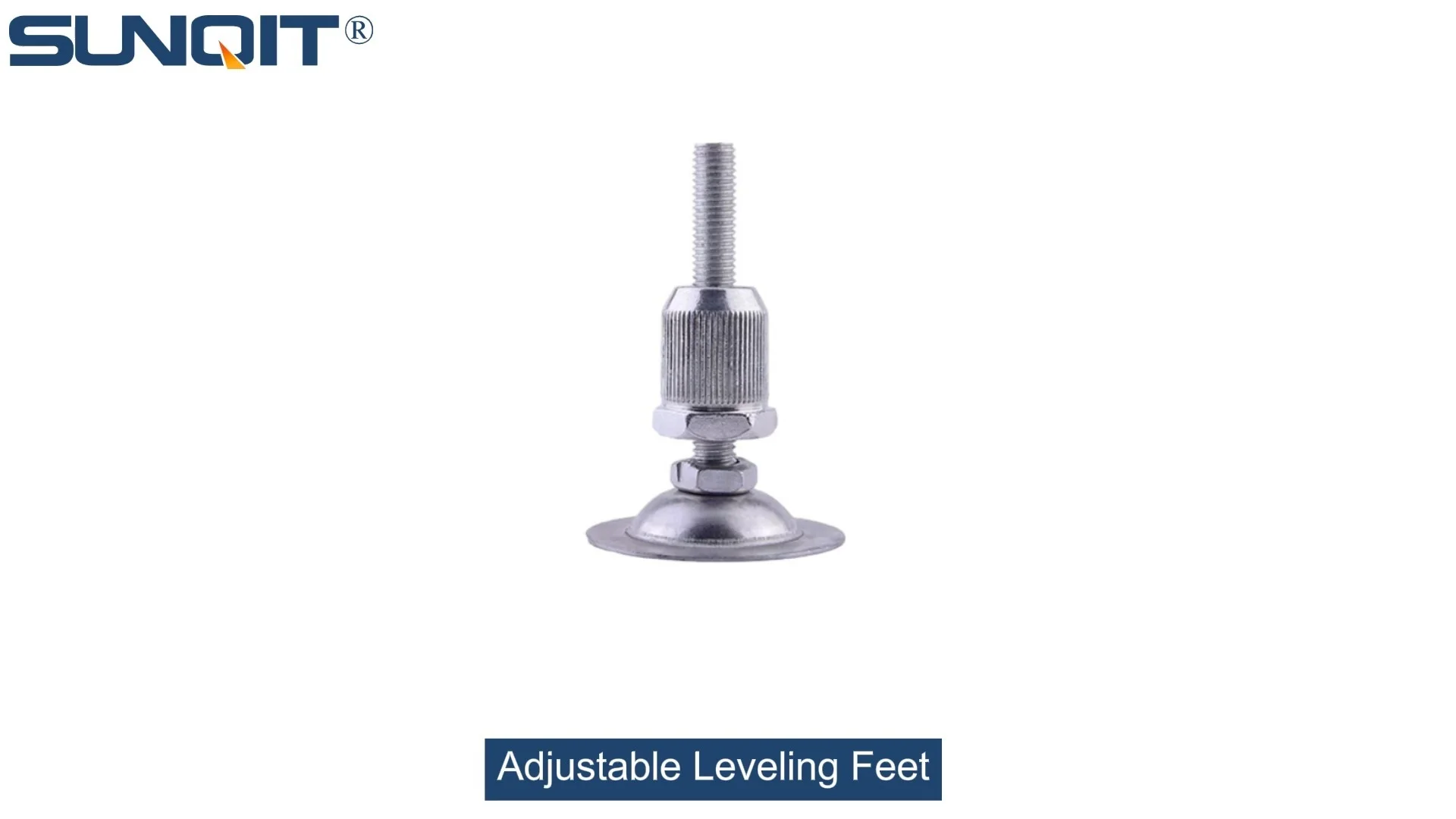
Adjustable leveling feet are designed to keep machines level when placed on uneven or sloped ground. Otherwise known as adjustable equipment feet, they are available to order in a wide variety of size and load capacity combinations.
In the world of lean manufacturing, where every second counts and efficiency is king, it's often the smallest components that hold the biggest impact. Think about it: a well-oiled production line relies on seamless workflows, minimal waste, and rock-solid stability. But what keeps that workflow steady? What ensures that your lean pipe workbench doesn't wobble mid-assembly, or that your material rack stays level when loaded with heavy parts? Enter the unsung hero of lean systems everywhere: aluminum adjustable leveling feet. These unassuming components might not grab headlines, but they're the quiet foundation that keeps your lean operations running smoothly—lightweight enough to simplify setup, strong enough to support your team's hardest work, and adaptable enough to fit the unique needs of your facility.
What Are Aluminum Adjustable Leveling Feet, Anyway?
Let's start with the basics. Aluminum adjustable leveling feet are specialized components designed to support and stabilize structures like workbenches, flow racks, and conveyor systems in a lean pipe system. At their core, they're simple: a threaded aluminum rod (or stem) topped with a base plate, often fitted with a rubber or plastic pad to prevent slipping. The magic lies in their adjustability: by twisting the stem, you can raise or lower the height of the structure they're attached to, ensuring it sits perfectly level on uneven floors, absorbs minor vibrations, or aligns with other equipment in the workflow.
But don't let their simplicity fool you. These feet are engineered to tackle the demands of industrial environments. They're part of a broader family of aluminum pipe accessories, designed to work seamlessly with aluminum lean pipe—a lightweight, corrosion-resistant alternative to traditional steel pipes. When paired with aluminum lean pipe and other components like joints, brackets, and workbench frames, aluminum adjustable leveling feet become the backbone of sturdy, flexible workstations and material handling systems.
Why Aluminum? The Material That Balances Strength and Lightness
You might be wondering: why aluminum? Why not stick with steel, which has a reputation for being "stronger"? Or plastic, which is cheaper? The answer lies in aluminum's unique blend of properties that make it ideal for leveling feet in lean systems. Let's break it down:
- Lightweight, but Not Weak : Aluminum is about one-third the weight of steel, which makes a world of difference when you're assembling or reconfiguring a lean pipe workbench. Imagine moving a workstation across the shop floor—lighter feet mean less strain on your team, faster setup times, and lower risk of injury. But here's the kicker: when alloyed with elements like magnesium or silicon, aluminum gains impressive strength. High-quality aluminum adjustable leveling feet can handle load capacities ranging from 100kg to over 500kg per foot, depending on size and design—more than enough for most assembly line or material rack needs.
- Corrosion Resistance That Lasts : Factories and warehouses aren't always clean, dry spaces. Spills, humidity, and even chemical exposure can take a toll on metal components. Aluminum naturally forms a thin oxide layer that protects it from rust and corrosion, unlike steel, which needs constant painting or coating. This means your leveling feet will look better and last longer, even in harsh environments—saving you money on replacements down the line.
- Aesthetic and Functional Flexibility : Let's face it: modern manufacturing spaces value both form and function. Aluminum has a clean, professional look that fits with the sleek design of aluminum lean pipe systems. It's easy to powder-coat or anodize if you want to match your facility's color scheme, and its smooth surface resists dirt buildup, making cleanup a breeze.
- Cost-Effective in the Long Run : While aluminum might cost a bit more upfront than plastic, it's a smart investment. Plastic feet can warp under heavy loads or degrade when exposed to heat or chemicals, leading to frequent replacements. Steel, on the other hand, is heavier (increasing shipping and handling costs) and prone to rust without regular maintenance. Aluminum strikes the perfect balance: durable enough to outlast plastic, lighter and lower-maintenance than steel, and ultimately more cost-effective over its lifespan.

Key Features That Make Aluminum Adjustable Leveling Feet Stand Out
Not all leveling feet are created equal. The best aluminum adjustable leveling feet come packed with features that enhance their performance in a lean system. Here are the ones to look for:
Precision Adjustability
The threaded stem is the heart of any adjustable foot, and the quality of the threading matters. Look for feet with fine-pitch threads (more threads per inch) for smoother, more precise height adjustments—down to 1mm increments. This is crucial when you need to level a workbench perfectly to prevent tools from rolling off or ensure that a conveyor aligns with a flow rack. Some models even include a lock nut to secure the adjusted height, preventing the foot from loosening over time due to vibrations.
Non-Slip Base Pads
A stable structure is only as good as its grip on the floor. Most aluminum adjustable leveling feet come with replaceable rubber or polyurethane pads on the base. These pads do two things: they prevent the structure from sliding during use, and they protect your facility's floors from scratches or dents. For extra traction—say, in areas with oil or water spills—look for pads with a textured surface or high-friction material.
Swivel or Fixed Bases
Some feet feature a swivel base, which allows the pad to rotate slightly to match uneven floor surfaces. This is a game-changer in older facilities with cracked or sloped concrete, as it ensures maximum contact between the foot and the floor, distributing weight more evenly. Fixed bases, on the other hand, are better for perfectly flat floors where stability is prioritized over flexibility.
Compatibility with Aluminum Lean Pipe Systems
Since these feet are part of aluminum pipe accessories, they should integrate seamlessly with your existing lean pipe setup. Look for feet with standard mounting options—like M8 or M10 threads—that fit the holes or brackets on your aluminum lean pipe workbench or material rack. Many suppliers also offer custom mounting solutions if you have unique requirements.

Where Do Aluminum Adjustable Leveling Feet Shine in a Lean System?
Now that we've covered what they are and why they're great, let's talk about where aluminum adjustable leveling feet make the biggest difference in a lean pipe system. Spoiler: it's almost everywhere.
Lean Pipe Workbenches
The workbench is the center of daily operations for assembly line workers, technicians, and quality inspectors. A wobbly workbench isn't just annoying—it can lead to mistakes (ever tried screwing two parts together on a table that rocks?), increased fatigue, and even safety hazards. Aluminum adjustable leveling feet ensure the work surface stays perfectly level, whether you're using a simple single-deck workbench or a complex workstation with tool racks and overhead lighting. They also help absorb vibrations from power tools, keeping delicate components steady during assembly.
Flow Racks and Material Racks
Flow racks rely on gravity to move materials from the loading end to the picking end. If the rack isn't level, materials might get stuck, slow down, or even slide too quickly—disrupting the flow and causing jams. Aluminum adjustable leveling feet let you tweak the angle of the rack to ensure a smooth, consistent flow. The same goes for static material racks: uneven feet can cause the rack to lean, putting stress on joints and increasing the risk of collapse, especially when loaded with heavy parts. With leveling feet, you distribute the weight evenly across all supports, extending the life of the rack and keeping inventory safe.
Conveyor Systems
Conveyors are the arteries of a lean facility, moving products between workstations. Even a tiny misalignment can lead to products jamming, damaging goods, or breaking the conveyor belt. Aluminum adjustable leveling feet help keep the conveyor frame level and stable, ensuring that belts, rollers, or chains run true. They also absorb minor shocks from product impacts, reducing wear and tear on the conveyor's motor and components.
Turnover Trolleys and Mobile Workstations
Not all lean structures stay in one place. Turnover trolleys and mobile workstations need to be both portable and stable. While casters handle the mobility, leveling feet often come with a "lock-down" feature: when the trolley is in use, you lower the feet to lift the casters off the ground, securing the trolley in place. Aluminum feet are lightweight enough that they don't add unnecessary bulk to the trolley, but strong enough to keep it steady when loaded with parts or tools.

Aluminum vs. Steel vs. Plastic: A Comparison
Still not convinced that aluminum adjustable leveling feet are right for your lean system? Let's put them head-to-head with two common alternatives: steel and plastic. The table below breaks down how they stack up on key factors:
| Feature | Aluminum Adjustable Leveling Feet | Steel Leveling Feet | Plastic Leveling Feet |
|---|---|---|---|
| Weight (per foot, 50mm base) | ~150-200g | ~400-500g | ~80-120g |
| Typical Load Capacity | 100-500kg | 200-800kg | 50-150kg |
| Corrosion Resistance | High (natural oxide layer) | Low (prone to rust; requires coating) | High (but prone to UV degradation) |
| Floor Protection | Excellent (with rubber pads) | Good (with pads; risk of scratching without) | Good (soft material, but can mark floors if loaded heavily) |
| Cost (per foot) | Moderate ($5-$15) | Moderate-High ($8-$20) | Low ($2-$8) |
| Durability | High (resists dents, corrosion) | High (but heavy, prone to rust) | Low (can warp, crack under heavy loads or heat) |
| Best For | General lean systems, workbenches, flow racks, conveyors | Extremely heavy loads (e.g., industrial machinery) | Light-duty applications, temporary setups |
As you can see, aluminum hits the sweet spot for most lean pipe system needs. It's lighter than steel, stronger than plastic, and more durable than both in typical factory environments. Unless you're supporting extremely heavy machinery (in which case steel might be better) or need a disposable, low-cost solution (plastic), aluminum adjustable leveling feet are the way to go.
How to Choose the Right Aluminum Adjustable Leveling Feet
Now that you're ready to invest in aluminum adjustable leveling feet, how do you pick the right ones for your lean system? Here are a few key questions to ask:
1. What's the Total Load They'll Need to Support?
Start by calculating the maximum weight the structure will carry. For a workbench, that includes the weight of the bench itself, tools, materials, and any workers leaning on it. Divide that total by the number of feet (most structures use 4 feet, but some larger ones use more) to get the load per foot. Make sure to choose feet with a load capacity that exceeds this number—adding a safety margin of 20-30% is always a good idea.
2. What's the Condition of Your Floors?
If your facility has uneven or rough floors, opt for feet with swivel bases and large-diameter pads—they'll distribute weight better and adapt to surface irregularities. For smooth, level floors, fixed-base feet are sufficient and often more affordable.
3. What's the Environment Like?
If your facility is humid, has chemical exposure, or is cleaned with water jets, prioritize aluminum feet with anodized or powder-coated finishes for extra corrosion resistance. In dry, clean environments, standard aluminum feet will work just fine.
4. How Much Adjustment Do You Need?
Feet come with different stem lengths, which determine how much height adjustment they offer. Measure the maximum height difference you might need to compensate for (e.g., a floor that slopes 10mm over the length of a workbench) and choose feet with a stem length that covers this range. Most standard feet offer 20-50mm of adjustment—plenty for most cases.
5. Are They Compatible with Your Existing System?
Check the thread size (M8, M10, etc.) and mounting style to ensure the feet will fit your aluminum lean pipe workbench, rack, or conveyor. If you're unsure, ask your supplier for samples or compatibility charts—reputable lean pipe suppliers will be happy to help.
Installation and Maintenance Tips
Even the best leveling feet won't perform well if they're installed or maintained poorly. Here's how to get the most out of yours:
Installation
- Clean the Mounting Surface : Before attaching the feet, wipe down the bottom of the structure to remove dirt, grease, or debris. This ensures a tight, secure fit between the foot and the structure.
- Hand-Tighten First : Start by screwing the feet into the mounting holes by hand to avoid cross-threading. Once they're seated, use a wrench to tighten them—snug, but don't over-tighten, as this can strip the threads or warp the structure.
- Level in Stages : Use a spirit level to check the structure as you adjust the feet. Start with two opposite corners, then move to the other two, and fine-tune until the entire surface is level. If using swivel feet, apply gentle pressure to the structure to ensure the pads make full contact with the floor.
- Lock Them In : If your feet have lock nuts, tighten them against the structure after adjusting the height to prevent the feet from loosening over time due to vibrations.
Maintenance
- Inspect Regularly : Check the feet monthly for loose threads, worn pads, or signs of corrosion. Tighten any loose feet and replace worn pads immediately—don't wait for them to fail.
- Clean When Needed : Wipe down the feet with a damp cloth to remove dirt or grime. For stubborn buildup, use a mild detergent—avoid harsh chemicals that could damage the aluminum or the pad material.
- Lubricate Threads : If the feet become hard to adjust, apply a small amount of anti-seize lubricant to the threads. This makes adjustments smoother and prevents rust from locking the threads in place.
- replace When Necessary : Even the best feet wear out eventually. If you notice cracks in the aluminum, stripped threads, or pads that no longer grip, replace the feet promptly. It's a small cost compared to the risk of a collapsed workbench or damaged inventory.
Conclusion: Small Component, Big Impact
In the grand scheme of lean manufacturing, aluminum adjustable leveling feet might seem like a minor detail. But as any lean practitioner knows, the details are what separate a good system from a great one. These unassuming components play a critical role in keeping your lean pipe workbench stable, your flow racks flowing, and your conveyors conveying—all while being lightweight, durable, and easy to maintain.
Whether you're building a new lean system from scratch or upgrading an existing one, investing in high-quality aluminum adjustable leveling feet is a smart move. They'll improve workflow efficiency, enhance safety, extend the life of your equipment, and ultimately contribute to the bottom line—proving that even the smallest parts can make a big difference in lean manufacturing.
So the next time you walk through your facility, take a moment to look down. Those little aluminum feet under your workbench? They're not just holding up the structure—they're holding up your commitment to lean excellence.