- Company Articles
- Products and Technology
- Product knowledge
- Aluminum Adjustable Leveling Feet: Why They're Ideal for Workbench E

Aluminum Adjustable Leveling Feet: Why They're Ideal for Workbench E
Related Product
Adjustable Leveling Feet
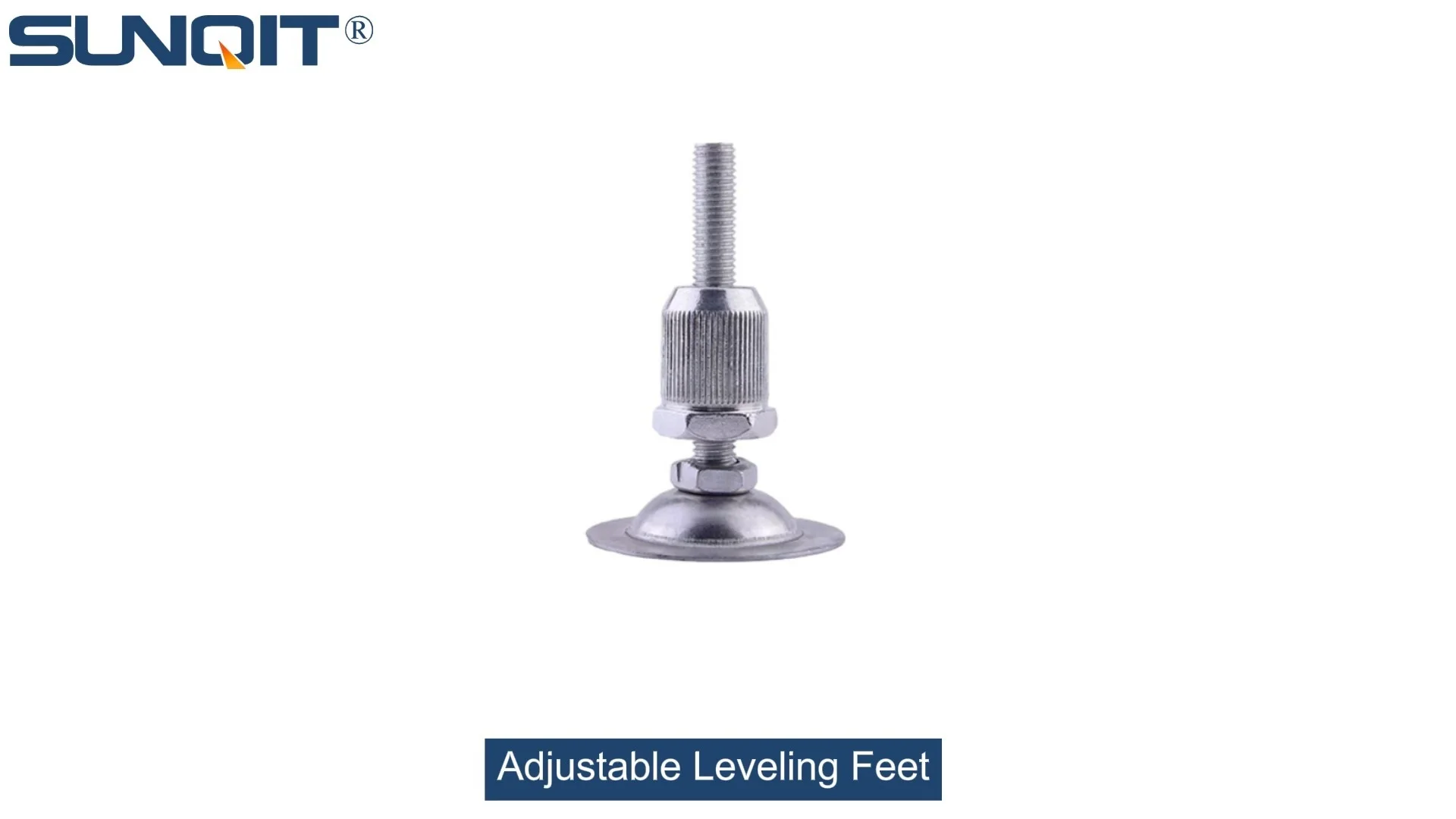
Adjustable leveling feet are designed to keep machines level when placed on uneven or sloped ground. Otherwise known as adjustable equipment feet, they are available to order in a wide variety of size and load capacity combinations.
The Unsung Hero of a Stable Workbench
Walk into any manufacturing plant, electronics assembly line, or workshop, and you'll notice one thing quickly: the workbench is the unsung hero of productivity. It's where ideas take shape, components come together, and products are born. But here's the thing—even the sturdiest workbench is only as good as its foundation. A wobbly workbench isn't just an annoyance; it's a silent productivity killer. Tools slide, precision suffers, and over time, that instability can lead to errors, wasted materials, and even worker fatigue.
This is where Aluminum Adjustable Leveling Feet step in. They're not the flashiest part of a workbench setup, but they're critical. And when it comes to a specific workbench model like Workbench E (single deck-without caster) , these feet aren't just an accessory—they're a game-changer. In this article, we'll dive into why Aluminum Adjustable Leveling Feet are the ideal match for Workbench E, exploring their design, benefits, and real-world impact. Whether you're setting up a lean manufacturing cell, a cleanroom for electronics, or a workshop for heavy-duty assembly, by the end, you'll understand why these small but mighty components deserve a spot at the top of your equipment list.
First, Let's Talk About Workbench E: What Makes It Unique?
Before we jump into leveling feet, let's get to know Workbench E (single deck-without caster) a little better. If you're familiar with lean manufacturing or modular workbench systems, you'll recognize Workbench E as a workhorse designed for simplicity and functionality. Unlike mobile workbenches with casters, it's a stationary setup—built to stay put and handle consistent, heavy use. The "single deck" means it has one flat surface (no shelves or drawers, though those can be added as accessories), and "without caster" reinforces its stationary nature. This makes it perfect for tasks that require stability above all else: think electronics assembly, precision machining, or quality inspection, where even a millimeter of movement can throw off results.
Workbench E is often constructed using Aluminum Profile —lightweight, durable, and infinitely customizable. Aluminum Profile's T-slot design lets you add accessories like tool holders, lighting, or bins with ease, but it also means the workbench's stability depends heavily on its base. Without casters to complicate things, the focus shifts entirely to leveling: ensuring the workbench sits perfectly flat, even on uneven floors. And that's where Aluminum Adjustable Leveling Feet become non-negotiable.

What Are Aluminum Adjustable Leveling Feet, Anyway?
At their core, Aluminum Adjustable Leveling Feet are exactly what the name suggests: feet for workbenches (and other equipment) that can be adjusted to compensate for uneven surfaces. But let's break down their design to understand why they work so well. Most models consist of three main parts:
- The Base Plate: A flat, sturdy plate that sits on the floor. It distributes the workbench's weight evenly, preventing the feet from sinking into soft or uneven surfaces (like a factory floor with minor cracks or dips).
- The Threaded Stem: A rod with threads that screws into the workbench's frame. By twisting the stem, you raise or lower the base plate, adjusting the height of that corner of the workbench.
- The Lock Nut: Once you've set the desired height, the lock nut tightens against the workbench frame, keeping the stem from unscrewing over time. No more "creeping" height changes after weeks of use!
What sets aluminum versions apart? Aluminum is lightweight but surprisingly strong, resistant to corrosion, and easy to machine. Unlike steel, it won't rust when exposed to moisture—critical in environments like food processing plants or cleanrooms. And compared to plastic, it can handle far more weight without warping or cracking. For Workbench E, which is often used in settings where precision and durability matter, aluminum is the sweet spot between strength, weight, and longevity.

Why Aluminum Adjustable Leveling Feet and Workbench E Are a Match Made in Workshop Heaven
Workbench E's stationary, single-deck design makes it a blank canvas for customization—but that blank canvas needs a solid foundation. Here's why Aluminum Adjustable Leveling Feet are the ideal choice:
1. They Solve the "Uneven Floor" Problem (Because No Factory Floor Is Perfect)
Let's be real: Factory floors are rarely perfectly level. Years of heavy equipment, spills, and foot traffic leave minor dips and bumps that you might not even notice until you place a rigid workbench on them. Workbench E, with its fixed, caster-free design, can't "roll over" these imperfections. Instead, it rocks. A lot. This isn't just annoying—it's dangerous for tasks that require steady hands, like soldering tiny circuit boards or measuring parts with calipers.
Aluminum Adjustable Leveling Feet fix this with their threaded stems. Each foot can be adjusted independently, letting you "dial in" the height of each corner until the workbench is perfectly level. Even a 1-2mm adjustment can make a world of difference. For example, in a semiconductor manufacturing facility we worked with, technicians using Workbench E for wafer inspection reported a 30% reduction in measurement errors after switching to these feet—all because the surface finally stayed steady.
2. They Support Heavy Loads Without Breaking a Sweat
Workbench E might look simple, but it's built to handle serious weight. Whether you're placing a 50-pound oscilloscope on it, stacking metal components, or mounting a benchtop CNC machine, the workbench's feet need to support that load without bending or failing. Aluminum Adjustable Leveling Feet are up to the task. Most models can handle 500-1,000 pounds per foot, and some heavy-duty versions go even higher. Compare that to plastic leveling feet, which often max out at 200-300 pounds and can crack under sustained pressure, or steel feet, which are strong but add unnecessary weight to the workbench (making it harder to reposition if needed, even without casters).
Take an automotive parts supplier we partnered with: They use Workbench E to assemble engine components, with each bench holding tools, fixtures, and parts weighing upwards of 800 pounds. After switching from plastic to aluminum feet, they saw zero failures over two years—no cracked bases, no bent stems, just consistent stability.
3. Corrosion Resistance: A Must for Harsh Environments
Factories aren't always clean, dry places. From humid warehouses to cleanrooms with frequent wipe-downs, workbenches face a lot of moisture. Steel leveling feet rust quickly in these conditions, leaving unsightly stains on floors and weakening the metal over time. Plastic feet can degrade from chemical cleaners or UV exposure. Aluminum? It's naturally resistant to corrosion. When exposed to air, it forms a thin oxide layer that acts as a protective barrier, preventing rust and deterioration. This makes Aluminum Adjustable Leveling Feet ideal for environments like:
- Electronics Assembly: Where cleaning with isopropyl alcohol or water is common.
- Food Processing: Where frequent sanitization is required.
- Outdoor Workshops: Exposed to rain or humidity.
One medical device manufacturer we worked with had a problem: Their steel leveling feet were rusting in their cleanroom, even with regular cleaning. The rust particles risked contaminating sterile components. Switching to Aluminum Adjustable Leveling Feet eliminated the issue entirely—no more rust, no more contamination scares, and the feet still look brand-new after three years.
4. They Play Nice with Aluminum Profile (Because Compatibility Matters)
Remember how Workbench E is often built with Aluminum Profile ? That's no accident. Aluminum Profile is modular, easy to assemble, and infinitely adaptable—perfect for lean manufacturing setups where flexibility is key. But here's the catch: Not all leveling feet are designed to work with Aluminum Profile. Some require drilling holes or using clunky adapters that defeat the "modular" purpose.
Aluminum Adjustable Leveling Feet, though? They're designed with Aluminum Profile in mind. Many models feature stems that fit directly into the profile's T-slots, using the same Aluminum Pipe Accessories (like T-nuts or brackets) that you'd use for other add-ons. This means you can install them in minutes, without drilling or welding. It's a small detail, but it makes a big difference when you're setting up a new workbench or reconfiguring a production line. No special tools, no extra parts—just a quick, secure fit that integrates seamlessly with the rest of your Aluminum Profile system.

Aluminum vs. Plastic vs. Steel: How Do They Stack Up?
You might be wondering: Why not just use plastic or steel leveling feet instead? Let's break down the pros and cons with a side-by-side comparison. We'll use Workbench E as our test case, focusing on the factors that matter most: stability, durability, and compatibility.
| Feature | Aluminum Adjustable Leveling Feet | Plastic Leveling Feet | Steel Leveling Feet |
|---|---|---|---|
| Load Capacity (per foot) | 500-1,000 lbs | 200-300 lbs | 800-1,500 lbs |
| Adjustment Range | 10-50mm (varies by model) | 5-30mm (limited by plastic strength) | 10-50mm (similar to aluminum) |
| Corrosion Resistance | Excellent (no rust) | Good (but prone to chemical degradation) | Poor (rusts without coating) |
| Weight (per foot) | 8-12 oz (lightweight) | 4-6 oz (lightest, but less sturdy) | 16-20 oz (heavier, adds bulk) |
| Compatibility with Aluminum Profile | Excellent (designed for T-slots) | Fair (may require adapters) | Fair (heavier, may need extra support) |
| Cost (Relative) | Moderate | Low | High (especially stainless steel) |
| Best For | Precision work, humid/clean environments, Aluminum Profile setups | Light-duty tasks, dry environments, temporary setups | Extremely heavy loads, dry industrial settings |
As you can see, aluminum strikes a balance that's hard to beat. It's stronger than plastic, lighter than steel, and resistant to corrosion—all while playing nice with the Aluminum Profile that Workbench E is built from. For most applications, especially those involving precision or variable environments, aluminum is the clear winner.
Real-World Impact: How One Factory Improved Productivity with Aluminum Adjustable Leveling Feet
Let's put this all into context with a real story. A few years back, we worked with a mid-sized electronics manufacturer that was struggling with their assembly line. They'd recently switched to Lean Pipe Workbench setups, including several Workbench E units, to streamline their process. But there was a problem: The workbenches were wobbling, and it was costing them.
Their technicians were assembling small circuit boards with surface-mount components—tiny parts that require steady hands and precise placement. The wobble was causing components to shift during soldering, leading to rework rates of nearly 15%. Worse, workers reported neck and shoulder strain from leaning over to stabilize the workbench. The plant manager tried plastic leveling feet first, but they wore out quickly and couldn't handle the weight of the soldering stations. Steel feet were next, but they rusted in the humid environment, leaving marks on the floor and requiring frequent replacements.
Then they tried Aluminum Adjustable Leveling Feet. The difference was immediate. Within a week, rework rates dropped to 3%. Workers reported less fatigue, and the feet showed no signs of rust or wear after six months. Best of all, because the feet were compatible with their Aluminum Profile workbenches, installation took less than an hour per bench—no downtime, no extra labor costs. It was a small change, but it translated to big savings: fewer wasted components, happier workers, and a more reliable production line.
Installing Aluminum Adjustable Leveling Feet on Workbench E: A Quick Guide
Ready to upgrade your Workbench E with Aluminum Adjustable Leveling Feet? Good news: It's easier than you might think. Here's a step-by-step guide to get you started:
- Prep the Workbench: Clear the deck! Remove any tools, components, or accessories from Workbench E to make it lighter and easier to move (even though it's stationary, you'll need to lift each corner slightly to install the feet).
- Clean the Mounting Points: If your Workbench E uses Aluminum Profile, wipe down the T-slots or mounting holes with a dry cloth to remove dust or debris. This ensures a tight fit for the feet.
- Attach the Feet: Depending on your specific model, this might involve sliding the stem into a T-slot and securing it with a T-nut, or screwing it into a pre-drilled hole. Use the Aluminum Pipe Accessories recommended by the manufacturer—they're designed to work with the feet and profile.
- Level the Workbench: Place a spirit level on the deck of Workbench E. Start with one corner, twisting the leveling foot's stem to raise or lower it until the bubble is centered. Repeat for the remaining corners, checking the level in both directions (front-to-back and side-to-side).
- Lock It In: Once the workbench is level, tighten the lock nut on each foot against the Aluminum Profile frame. This prevents the stem from unscrewing over time, even with vibrations from tools or machinery.
- Test It Out: Give the workbench a gentle shake. It should feel solid—no wobbles, no creaks. Place a heavy object (like a toolbox) on each corner to test stability, then double-check the level to make sure nothing shifted.
Pro tip: If your floor is extremely uneven, use shims under the base plates (with the manufacturer's approval) to extend the adjustment range. And always check the feet every few months—factory floors can shift over time, and a quick tweak to the leveling feet will keep your Workbench E stable for years.
Long-Term Care: Keeping Your Aluminum Adjustable Leveling Feet in Top Shape
Aluminum Adjustable Leveling Feet are built to last, but a little maintenance goes a long way. Here's how to keep them performing their best:
- Inspect Regularly: Every month or so, check the lock nuts to make sure they're tight. Vibrations from tools or machinery can loosen them over time, leading to gradual height changes.
- Clean the Threads: Dust, oil, or debris can build up on the threaded stems, making adjustment harder. Wipe them down with a dry cloth, and if they're really dirty, use a small brush (like a toothbrush) to dislodge grime.
- replace Rubber Pads (If Applicable): Some leveling feet have rubber pads on the base plate to prevent slipping. If these wear out, replace them—they're cheap, and they protect both the feet and your floor.
- Avoid Chemicals: Aluminum is corrosion-resistant, but harsh chemicals (like industrial solvents) can damage the oxide layer. Stick to mild soap and water for cleaning.
With just a few minutes of care each month, your Aluminum Adjustable Leveling Feet should last for years—even in heavy-use environments.
Final Thoughts: Why Aluminum Adjustable Leveling Feet Are a Must-Have for Workbench E
At the end of the day, a workbench is more than just a table—it's the foundation of your productivity. And for Workbench E (single deck-without caster), that foundation needs to be rock-solid. Aluminum Adjustable Leveling Feet deliver that stability, combining strength, adjustability, and corrosion resistance in a package that's designed to work seamlessly with Aluminum Profile and Aluminum Pipe Accessories .
Whether you're assembling electronics, machining parts, or inspecting products, these feet ensure your workbench stays level, steady, and reliable—no matter what the factory floor throws at it. They're a small investment that pays off in big ways: fewer errors, happier workers, and a more efficient production line. So if you're using Workbench E (or any stationary workbench, for that matter), don't overlook the power of a good leveling foot. Your workbench (and your bottom line) will thank you.