- Company Articles
- Products and Technology
- Installation And Maintenance
- Aluminum Castor Installation Base: Corrosion Resistance for Pharmaceutical Warehouses

Aluminum Castor Installation Base: Corrosion Resistance for Pharmaceutical Warehouses
Related Product
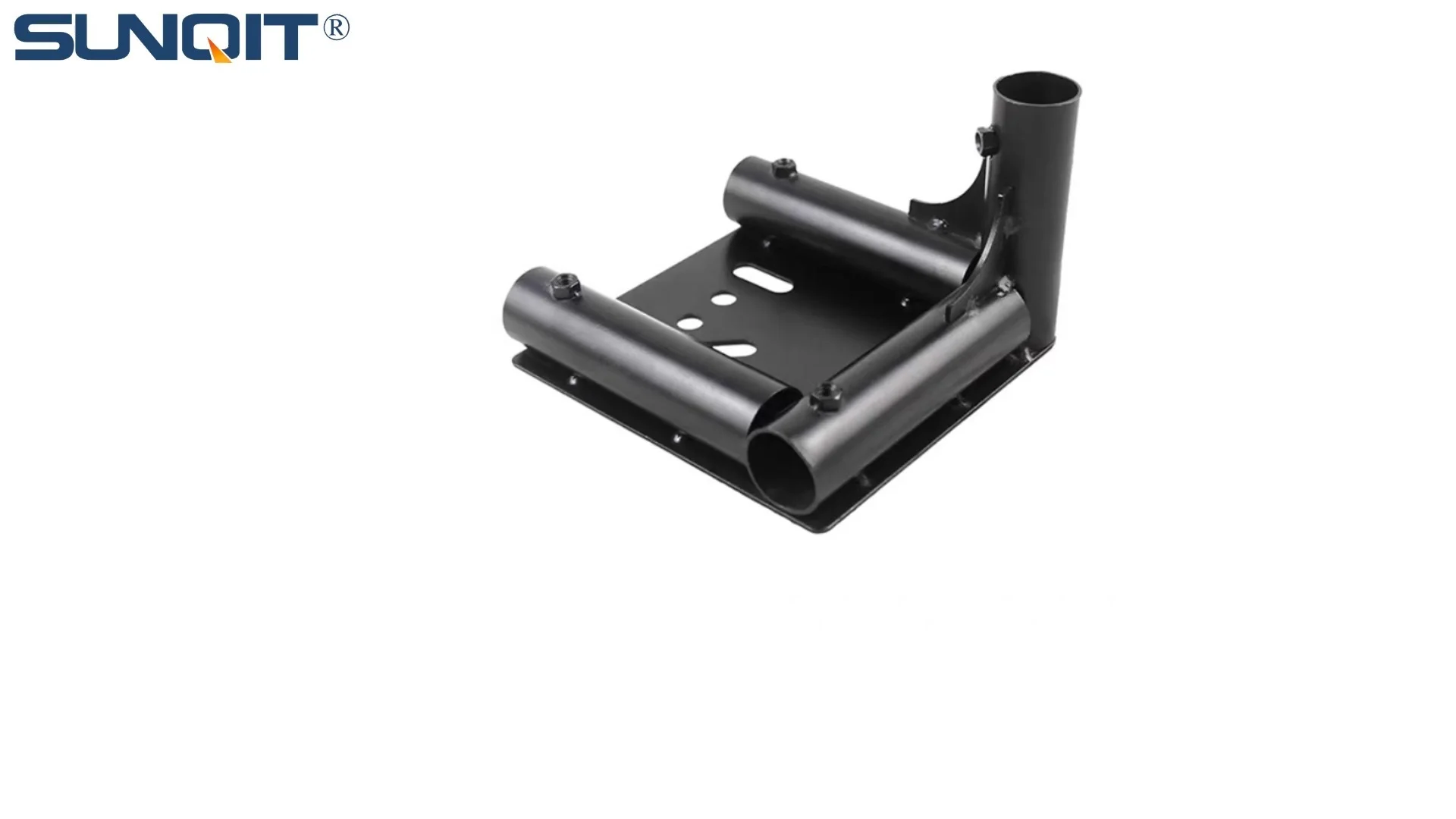
Castor Installation Base
Pipe fitting castor installation base,Well made, precise and strong. Made of high quality of steel,black painting surface treatment for greater resistance to corrosion. It is used for castor or foot lever connection with lean pipe.
Walk into any pharmaceutical warehouse, and you'll notice a symphony of precision. Rows of neatly organized shelves hold temperature-sensitive medications, workers glide between stations with purpose, and every surface shines under the glow of sanitized lighting. But behind this seamless operation lies a silent enemy: corrosion. In an industry where even the smallest impurity can compromise product safety, equipment that stands up to relentless cleaning, humidity, and chemical exposure isn't just a luxury—it's a necessity. Enter the aluminum castor installation base: a humble yet critical component that's quietly revolutionizing how pharmaceutical facilities maintain efficiency, compliance, and longevity in their day-to-day operations.
The Unique Challenges of Pharmaceutical Warehouses
Pharmaceutical warehouses aren't your average storage spaces. They operate under strict regulations set by bodies like the FDA and EMA, where cleanliness and contamination control are non-negotiable. Daily sanitization routines involve harsh chemicals—think industrial-grade disinfectants, alcohol-based cleaners, and even bleach—to kill bacteria and viruses. Add to that fluctuating humidity levels (necessary to preserve sensitive drugs), and you've got an environment that's downright hostile to metal equipment. Traditional steel components, once the go-to for durability, often fall victim to rust and corrosion here. A single rust spot on a storage rack or a seized caster wheel can disrupt workflows, delay shipments, and even risk product contamination. And when every minute counts in getting life-saving medications to patients, those disruptions aren't just costly—they're potentially dangerous.
Then there's the need for mobility. In lean-driven pharmaceutical operations, workbenches, material racks, and turnover trolleys need to move quickly to adapt to shifting production demands. But mobility shouldn't come at the expense of stability. A wobbly workbench or a trolley that drifts off course can lead to spills, damaged inventory, or workplace injuries. This is where the castor installation base plays a pivotal role: it's the bridge between mobility and stability, ensuring that equipment can be repositioned with ease while staying firmly grounded during use. But in a corrosive environment, even this bridge can falter—unless it's built with the right material.
Why Aluminum? The Science Behind Corrosion Resistance
Aluminum has long been celebrated for its unique combination of strength, lightness, and resistance to corrosion, but what makes it so effective in pharmaceutical settings? The answer lies in a thin, invisible layer called aluminum oxide. When aluminum is exposed to air, it reacts with oxygen to form this protective film, which acts as a barrier against moisture, chemicals, and other corrosive elements. Unlike steel, which rusts when its protective coating (like paint) wears off, aluminum's oxide layer self-repairs: if scratched or damaged, it quickly reforms, ensuring continuous protection. This self-healing property is a game-changer in environments where daily scrubbing and chemical exposure would strip other materials bare.
But not all aluminum is created equal. The aluminum used in castor installation bases is often alloyed with other metals like magnesium or silicon to enhance its strength without sacrificing corrosion resistance. This makes it durable enough to support heavy loads—think fully stocked material racks or workbenches loaded with lab equipment—while remaining lightweight enough to keep mobility feasible. Compare this to stainless steel, which is also corrosion-resistant but significantly heavier, making trolleys harder to maneuver. Or plastic, which may resist corrosion but lacks the structural integrity to handle the weight demands of pharmaceutical storage. Aluminum strikes that perfect balance, offering the best of both worlds for warehouse equipment.

Aluminum Castor Installation Base: Design and Functionality
At first glance, an aluminum castor installation base might seem like a simple piece of hardware, but its design is a study in practicality. Let's break it down: the base itself is typically a sturdy aluminum frame, engineered to distribute weight evenly across multiple casters. This even distribution prevents stress points, reducing the risk of bending or warping over time. The casters—often made from non-marking, chemical-resistant rubber or polyurethane—are attached to the base via precision-machined joints, ensuring smooth rotation and minimal friction. And here's where the "installation" part comes in: these bases are designed to be compatible with a wide range of equipment, from workbenches and material racks to turnover trolleys. This versatility means warehouses can standardize their equipment, reducing the need for multiple part types and simplifying maintenance.
But what truly sets aluminum castor installation bases apart is their attention to detail. Many models come with adjustable leveling feet, which can be extended or retracted to stabilize the equipment on uneven floors—a common issue in older warehouses or those with frequent foot traffic. These feet, often made from rubber or aluminum, also provide an extra layer of protection against corrosion, as they're designed to resist chemical exposure and moisture. And for pharmaceutical facilities that require ESD (Electrostatic Discharge) protection—critical for handling sensitive electronic components or medications prone to static damage—some bases even integrate ESD-safe casters and joints, ensuring compliance with strict industry standards.
Another key feature is modularity. Aluminum castor installation bases are often part of a larger system of aluminum pipe and accessories, allowing warehouses to customize their equipment to specific needs. Need a longer base for a double-wide workbench? Simply connect two bases using aluminum pipe connectors. Want to add a side rail to prevent materials from sliding off during transport? Attach aluminum profile accessories to the base frame. This modular design aligns perfectly with lean system principles, where adaptability and efficiency are paramount. By using standardized components, warehouses can reduce waste, cut down on lead times for repairs, and quickly reconfigure their space as production needs change.

Integration with Lean Systems and Workbenches
Lean system philosophy is all about eliminating waste and streamlining workflows, and aluminum castor installation bases are a natural fit for this mindset. In pharmaceutical warehouses, where every second and every square foot counts, the ability to move equipment on demand is essential. A workbench that can be wheeled to a packaging station during peak hours, then repositioned to a storage area during lulls, reduces the need for multiple fixed workstations, saving space and resources. Similarly, a material rack on casters can be moved directly to the production line, cutting down on the time workers spend fetching supplies.
Take the "workbench E (single deck-without caster)" as an example. While this workbench is designed without casters for stationary use, it can be easily retrofitted with an aluminum castor installation base when mobility is needed. This flexibility allows warehouses to adapt to changing workflows without investing in entirely new equipment. The same goes for material racks: a "material rack b (3 row and 3 floor)" loaded with medications can be moved to a picking station during the day and returned to storage at night, all thanks to a sturdy aluminum base. This not only saves time but also reduces the risk of repetitive strain injuries from manual lifting and carrying.
But lean systems aren't just about mobility—they're about stability, too. Adjustable leveling feet, often paired with aluminum castor installation bases, ensure that equipment stays steady during use. Imagine a workbench where lab technicians are weighing medications: even the slightest wobble could lead to measurement errors, which in pharmaceuticals can have serious consequences. By extending the leveling feet, the base locks into place, creating a stable surface that doesn't shift, even when heavy items are placed on it. When it's time to move, simply retract the feet, and the casters take over. It's this seamless transition between stability and mobility that makes aluminum bases indispensable in lean-driven warehouses.

Comparing Materials: A Practical Table
| Material | Corrosion Resistance | Load Capacity | Weight | Maintenance | Cost | Best For |
|---|---|---|---|---|---|---|
| Aluminum Alloy | Excellent (self-healing oxide layer) | High (supports 500-1500 lbs depending on design) | Lightweight (30-50% lighter than steel) | Low (occasional cleaning with mild detergent) | Moderate (higher upfront than steel, lower long-term) | Mobile workbenches, material racks, trolleys in corrosive environments |
| Stainless Steel | Excellent (but heavier and more expensive) | Very High (supports 800-2000 lbs) | Heavy (harder to maneuver) | Low (resists corrosion but may require polishing) | High (up to 50% more than aluminum) | Fixed equipment in extreme chemical environments |
| Plastic (PVC/Polypropylene) | Good (resists chemicals but prone to UV damage) | Low (supports up to 300 lbs) | Lightweight | Moderate (prone to cracking under heavy loads) | Low (cheapest upfront but short lifespan) | Light-duty trolleys, non-heavy storage |
| Carbon Steel (Painted) | Poor (rusts when paint chips) | Very High | Heavy | High (frequent repainting, rust removal) | Low (but high long-term maintenance costs) | Non-corrosive environments, temporary setups |
Real-World Applications: A Day in the Life
Let's step into the shoes of Maria, a warehouse manager at a mid-sized pharmaceutical company, to see how aluminum castor installation bases impact daily operations. It's 7:00 AM, and the warehouse is gearing up for the day. The night shift just finished sanitizing all surfaces with a hydrogen peroxide-based cleaner—a powerful disinfectant that would eat through steel in months. But the material racks and workbenches, mounted on aluminum castor bases, show no signs of wear. Maria starts by repositioning a "workbench e (single deck-without caster)" that was retrofitted with an aluminum base. She needs it by the packaging line today, so she retracts the adjustable leveling feet, grabs the handle, and wheels it into place with minimal effort—thanks to the lightweight aluminum frame. Once positioned, she extends the feet, and the workbench locks into place, steady as a rock.
An hour later, a delivery of temperature-sensitive vaccines arrives. The "material rack b (3 row and 3 floor)" used for vaccine storage is also on an aluminum base. Maria and her team wheel it to the receiving dock, load the vaccines, and push it into the cold storage room. The aluminum base doesn't react to the cold or the sanitizing sprays used in the dock area, ensuring that the rack remains structurally sound. Later in the day, a technician notices that one of the casters on a turnover trolley is sticking. Because the base is modular, Maria can quickly replace the caster using standard aluminum pipe accessories—no need for custom parts or lengthy downtime. By the end of the day, the aluminum bases have withstood chemical cleaners, heavy loads, and constant movement, proving their worth in a high-stakes environment.
This scenario isn't unique. Across the pharmaceutical industry, warehouses are increasingly turning to aluminum castor installation bases to address the dual challenges of corrosion and mobility. From small clinics with limited space to large-scale manufacturing facilities, the benefits are clear: reduced maintenance costs, longer equipment lifespan, improved workflow efficiency, and—most importantly—enhanced product safety. When every detail matters, aluminum bases deliver the reliability that pharmaceutical operations demand.
Maintenance Tips for Longevity
To ensure your aluminum castor installation bases last for years, follow these simple maintenance steps:
1. Regular Cleaning:
Wipe down the base and casters with a mild detergent and soft cloth to remove chemical residues. Avoid abrasive cleaners, which can scratch the aluminum and compromise the oxide layer.
2. Inspect Casters and Joints:
Check casters for wear and tear, and ensure joints are tight. Loose joints can cause uneven weight distribution, leading to premature damage.
3. Lubricate Moving Parts:
Apply a food-grade lubricant to caster bearings and joints every 3-6 months to keep movement smooth. In pharmaceutical settings, opt for lubricants approved by regulatory bodies.
4. Adjust Leveling Feet:
Ensure leveling feet are retracted when moving equipment to prevent unnecessary friction, and extended fully when stationary to distribute weight evenly.
5. Address Scratches Promptly:
While aluminum's oxide layer self-repairs, deep scratches can take longer to heal. For severe damage, apply a thin coat of aluminum-compatible clear sealant to protect the exposed area.
Conclusion: Investing in the Future of Pharmaceutical Warehousing
In the fast-paced world of pharmaceuticals, where innovation and compliance go hand in hand, the smallest components can make the biggest difference. Aluminum castor installation bases may not grab headlines, but they're the unsung heroes of warehouse efficiency, quietly ensuring that equipment remains mobile, stable, and corrosion-free in even the toughest environments. By choosing aluminum, pharmaceutical facilities invest in more than just hardware—they invest in reliability, safety, and long-term cost savings.
As regulations become stricter and the demand for efficient, adaptable warehouses grows, the role of aluminum castor installation bases will only become more critical. They're a testament to the power of smart material science and thoughtful design, proving that sometimes the most effective solutions are the ones that work behind the scenes. So the next time you walk through a pharmaceutical warehouse and see a workbench glide smoothly into place or a material rack stand strong against daily sanitization, take a moment to appreciate the aluminum base beneath it—because in a world where precision matters, every detail counts.