- Company Articles
- Products and Technology
- Product knowledge
- Aluminum Five Way Straight Lean Pipe Joint: Recyclability & Sustainability

Aluminum Five Way Straight Lean Pipe Joint: Recyclability & Sustainability
Related Product
Five Way Straight Lean Pipe Joint
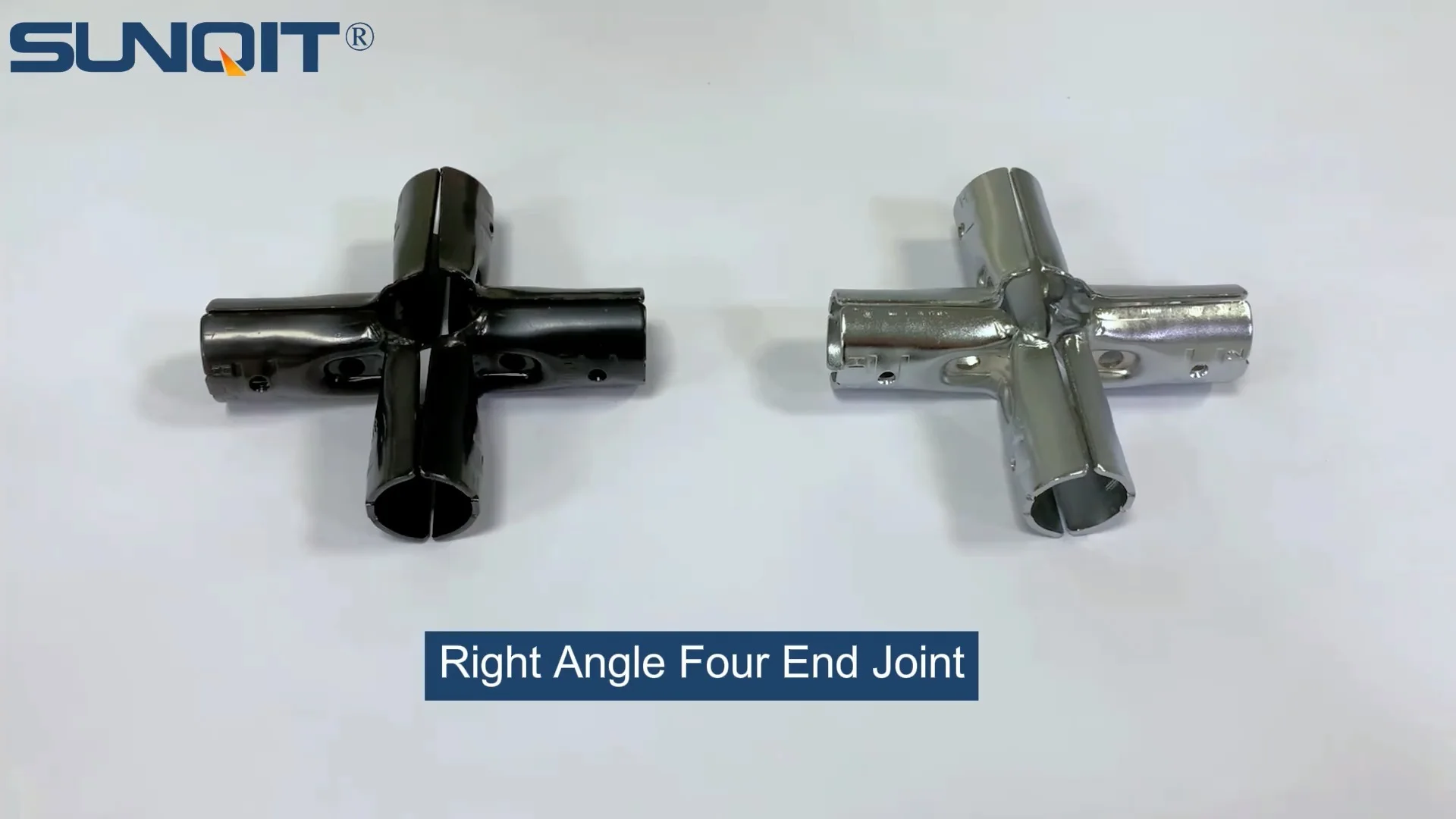
Five way straight lean pipe joint, for 5 pcs 28mm lean pipe connect in straight angle,which used widely in workbench, flow rack, hand trolley frame connection.
Aluminum Five Way Straight Lean Pipe Joint: Recyclability & Sustainability
In the bustling world of manufacturing, where every second and every resource counts, sustainability has quietly become the North Star guiding innovation. From massive production lines to the tiniest components on the factory floor, the push to reduce waste, lower carbon footprints, and build systems that respect our planet is reshaping how we design, build, and operate. Today, we're shining a light on an unsung hero of this movement: the Aluminum Five Way Straight Lean Pipe Joint. It may seem like just another piece of hardware, but this small, unassuming component holds big promise for recyclability and sustainability in lean manufacturing systems. Let's dive into why it matters, how it works, and the ripple effects it creates for businesses and the environment.
The Backbone of Lean Systems: Why Joints Matter
Before we zoom in on the Aluminum Five Way Straight Lean Pipe Joint, let's take a step back to understand the bigger picture: lean systems. Lean manufacturing, born from the Toyota Production System, is all about maximizing value while minimizing waste—whether that's time, materials, or energy. At its core, a lean system relies on flexibility, efficiency, and adaptability. And none of that works without the right infrastructure.
Imagine a factory floor where workbenches, material racks, and conveyor systems need to be reconfigured overnight to accommodate a new product line. Or a warehouse where storage solutions must adapt to seasonal demand spikes. In these scenarios, rigid, one-size-fits-all structures fall short. That's where modular systems—built with pipes, profiles, and joints—shine. They're the building blocks of lean systems, allowing teams to assemble, disassemble, and reassemble structures with ease. And at the heart of these modular systems? Joints. Specifically, joints that can connect pipes in multiple directions, support varying loads, and stand the test of time.
Enter the Aluminum Five Way Straight Lean Pipe Joint. As the name suggests, this joint is designed to connect up to five aluminum lean pipes in a straight configuration, making it a versatile workhorse for everything from simple workbenches to complex material flow racks. But what truly sets it apart is its material: aluminum. And when it comes to sustainability, aluminum is a game-changer.
Aluminum: The Sustainable Superstar of Manufacturing Materials
To understand why the Aluminum Five Way Straight Lean Pipe Joint is a sustainability standout, we first need to talk about aluminum itself. This metal has been quietly revolutionizing industries for decades, and for good reason. Let's break down its credentials:
1. Lightweight Yet Strong
Aluminum is about one-third the weight of steel, but don't let that fool you—it's surprisingly strong. This combination makes it ideal for manufacturing components that need to be durable without adding unnecessary bulk. For the Aluminum Five Way Straight Lean Pipe Joint, this means it can support heavy loads (think stacks of raw materials or fully loaded workbenches) while keeping the overall structure lightweight. Why does that matter for sustainability? Lighter structures are easier to transport, reducing fuel consumption and emissions during shipping. They also require less energy to assemble and reconfigure, cutting down on labor and operational costs.
2. Corrosion-Resistant, Low-Maintenance
Unlike steel, aluminum naturally forms a protective oxide layer when exposed to air, shielding it from rust and corrosion. This is a big deal in manufacturing environments, where spills, humidity, or chemicals can take a toll on equipment. A corrosion-resistant joint means less need for replacements, repairs, or protective coatings (which often contain harmful chemicals). Over time, this longevity reduces waste—fewer joints end up in landfills because they're still functional years after installation.
3. The Recyclability Champion
Here's where aluminum truly shines: its recyclability. Did you know that 75% of all aluminum ever produced is still in use today? That's because aluminum can be recycled repeatedly without losing its mechanical properties. In fact, recycling aluminum uses just 5% of the energy required to produce new aluminum from bauxite ore. Let that sink in: 95% less energy. To put it in perspective, recycling one ton of aluminum saves 14,000 kWh of electricity—enough to power a home for over a year. For manufacturers, this translates to lower carbon footprints and reduced reliance on virgin materials, which are becoming increasingly scarce and expensive.
When the Aluminum Five Way Straight Lean Pipe Joint reaches the end of its life (which, thanks to aluminum's durability, could be decades), it doesn't have to become waste. It can be melted down, purified, and reshaped into a new joint, a new aluminum profile, or even a completely different product—all while maintaining the same strength and quality. This closed-loop lifecycle is the gold standard of sustainability.
Designing for Sustainability: The Aluminum Five Way Straight Lean Pipe Joint's Secret Sauce
Now that we've established aluminum's sustainability bona fides, let's zoom in on the joint itself. The Aluminum Five Way Straight Lean Pipe Joint isn't just made of aluminum—it's designed with sustainability in mind, from the drawing board to the factory floor.
1. The Power of Five-Way Connectivity
The "five-way" design is more than just a party trick—it's a masterclass in material efficiency. By allowing connections in five directions, this single joint can replace multiple specialized joints. For example, instead of using a T-joint, an L-joint, and a straight joint to build a multi-tiered material rack, you might only need a few five-way joints. Fewer parts mean less material used in production, fewer shipments (since you're transporting fewer components), and less waste when the system is eventually disassembled. It's a simple idea, but it adds up: less complexity equals more sustainability.
2. Precision Engineering via Aluminum Extrusion Profile
The Aluminum Five Way Straight Lean Pipe Joint is typically manufactured using an aluminum extrusion profile process. Extrusion is a method where aluminum billets are heated and pushed through a die to create complex, custom shapes. This process is inherently efficient because it produces minimal waste—unlike cutting or machining, which often leaves behind scrap material. The die ensures each joint is identical, so there's no guesswork during assembly, reducing errors and rework (another form of waste). Plus, extrusion allows for intricate designs, like the internal threads and locking mechanisms that make the five-way joint so secure. This precision means the joint fits perfectly with aluminum lean pipes and accessories, ensuring a tight, stable connection that won't loosen over time—further extending its lifespan.
3. Compatibility with Modular Systems
Sustainability isn't just about recyclability—it's also about reusability. The Aluminum Five Way Straight Lean Pipe Joint is designed to work seamlessly with other aluminum profile components, like aluminum guide rails, roller tracks, and caster wheels. This modularity means when a factory needs to update its layout, instead of scrapping the entire system, it can simply disassemble the joints and pipes and rebuild something new. For example, a workbench today could become a turnover trolley tomorrow, or a single-level material rack could be expanded into a multi-tiered system. This flexibility drastically reduces the need to purchase new equipment, cutting down on resource consumption and waste.
Take a hypothetical example: A small electronics manufacturer starts with a basic assembly line using aluminum lean pipes and five-way joints. After a year, they land a bigger contract and need to double their production capacity. Instead of buying all-new workbenches and racks, they can reconfigure their existing system by adding more pipes and joints—saving money, reducing waste, and keeping their old components out of landfills. That's the power of modular design, and the Aluminum Five Way Straight Lean Pipe Joint is at the center of it.
How Does It Compare? A Look at Materials
To truly appreciate the Aluminum Five Way Straight Lean Pipe Joint's sustainability, let's compare it to two common alternatives: steel joints and plastic joints. The table below breaks down key factors like recyclability, energy use, and environmental impact.
| Material | Recyclability Rate | Energy for Recycling vs. Virgin Production | Durability (Lifespan) | Environmental Impact |
|---|---|---|---|---|
| Aluminum (Five Way Joint) | 95%+ (can be recycled indefinitely) | 5% of energy needed for virgin aluminum | 15–20+ years (corrosion-resistant) | Low: Minimal waste in production; low emissions from recycling; lightweight reduces transport impact |
| Steel Joints | 85% (recyclable but may lose quality over time) | 75% of energy needed for virgin steel | 10–15 years (prone to rust without coatings) | Moderate: High energy for production; heavier, increasing transport emissions; coatings may contain toxins |
| Plastic Joints | 5–10% (most end up in landfills; recycling often downgrades quality) | 60–70% of energy needed for virgin plastic | 3–5 years (prone to cracking, warping) | High: Derived from fossil fuels; non-biodegradable; microplastics from wear and tear |
The data speaks for itself. Aluminum outperforms steel and plastic in nearly every sustainability category. Its high recyclability rate, minimal energy use for recycling, and long lifespan make the Aluminum Five Way Straight Lean Pipe Joint a clear choice for eco-conscious manufacturers.
Real-World Impact: How the Aluminum Five Way Straight Lean Pipe Joint Drives Sustainability
Talk is cheap—let's look at how the Aluminum Five Way Straight Lean Pipe Joint is making a difference in real factories and warehouses. Here are two hypothetical but realistic case studies that highlight its impact:
Case Study 1: Automotive Parts Manufacturer
A mid-sized automotive parts manufacturer in Michigan was struggling with waste. Their old production line used steel racks and plastic joints, which were heavy, prone to rust, and difficult to reconfigure. Every time they introduced a new part, they had to buy new racks, and the old ones often ended up in scrap yards. In 2023, they switched to a modular system using aluminum lean pipes, Aluminum Five Way Straight Lean Pipe Joints, and aluminum extrusion profiles.
The results? Within a year, they reduced their equipment waste by 65% because they could reconfigure existing racks instead of replacing them. The lightweight aluminum system also cut down on transportation costs for raw materials by 12%, since the racks were easier to move. When some older joints needed to be replaced (after 12 years of use!), they recycled them, getting credit from their supplier toward new components. Overall, their carbon footprint related to material handling dropped by 28%—a win for both their bottom line and the planet.
Case Study 2: Electronics Assembly Plant
An electronics assembly plant in California needed to meet strict sustainability goals set by its parent company. Their biggest challenge was their static-sensitive workbenches, which used steel frames and plastic ESD (electrostatic discharge) components. The plastic joints were cracking after 2–3 years, and the steel frames were heavy, making it hard to rearrange workstations for new product launches.
They switched to ESD workbenches built with aluminum lean pipes, Aluminum Five Way Straight Lean Pipe Joints, and aluminum profile accessories. The aluminum joints were corrosion-resistant, so they didn't need toxic rust-proofing coatings. The modular design allowed them to add or remove shelves and tool holders as needed, reducing the need for new workbenches by 70%. When the plant expanded two years later, they recycled the original joints and pipes, using the recycled aluminum to create new components. Their ESD compliance improved, and their waste from workstation upgrades dropped by 80%. Today, they're on track to meet their 2030 carbon neutrality goal, with the aluminum joint system as a cornerstone of their sustainability strategy.
The Future of Sustainable Manufacturing: Where Do We Go from Here?
The Aluminum Five Way Straight Lean Pipe Joint is just one piece of the sustainability puzzle, but it's a critical one. As manufacturers worldwide race to meet net-zero goals, we can expect to see even more innovation in materials and design. Here are a few trends to watch:
1. Smarter Alloys for Even Greater Efficiency
Scientists are developing new aluminum alloys that are even stronger, lighter, and more recyclable. For the Aluminum Five Way Straight Lean Pipe Joint, this could mean joints that can support heavier loads with less material, further reducing waste and energy use.
2. Circular Supply Chains
More suppliers are adopting "take-back" programs, where they collect old aluminum components, recycle them, and use the recycled material to make new products. This closed-loop system ensures that aluminum joints never end up in landfills, creating a truly sustainable lifecycle.
3. Integration with Digital Tools
Imagine a future where every Aluminum Five Way Straight Lean Pipe Joint has a digital tag that tracks its lifecycle—from production to installation to recycling. This "digital thread" would make it easier to optimize reuse, track emissions, and ensure nothing goes to waste. Tools like AI could even predict when a joint might need maintenance, extending its lifespan further.
Final Thoughts: Small Component, Big Impact
The Aluminum Five Way Straight Lean Pipe Joint may not be the most glamorous component in a factory, but it's a powerful reminder that sustainability starts small. Every choice—from the material of a joint to the design of a workbench—adds up to big change. By choosing aluminum, manufacturers aren't just investing in a durable, flexible component—they're investing in a future where waste is minimized, resources are conserved, and production lines work in harmony with the planet.
So the next time you walk through a factory or warehouse, take a closer look at those unassuming joints connecting pipes and profiles. Chances are, if it's aluminum, it's doing more than just holding things together—it's helping build a more sustainable world. And that's something worth celebrating.