- Company Articles
- Products and Technology
- Product knowledge
- Aluminum Foot Base Coating Options: Anodized vs. Powder-Coated Finish

Aluminum Foot Base Coating Options: Anodized vs. Powder-Coated Finish
Related Product
Aluminum Foot Base
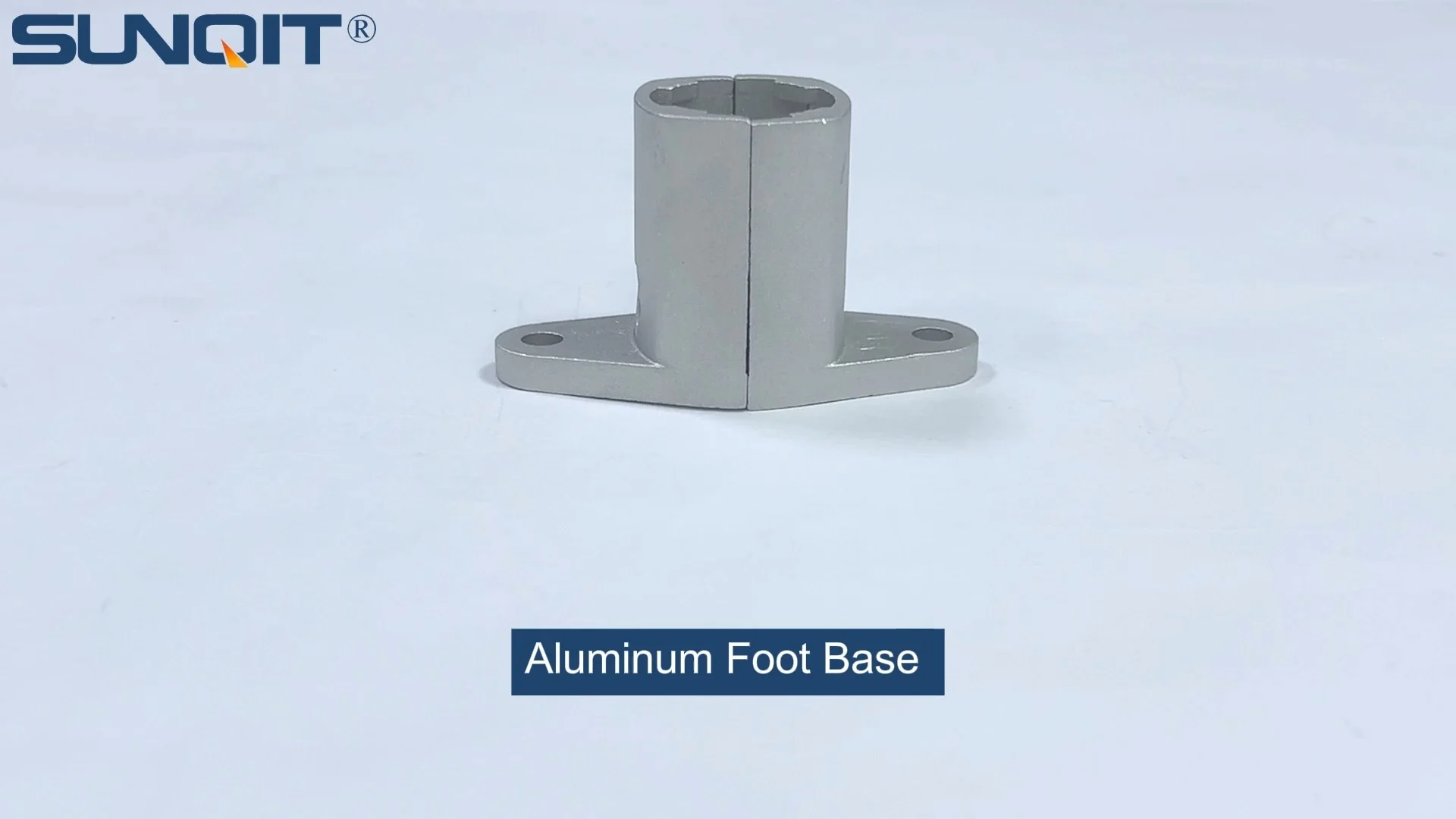
Aluminum foot base to connect 28mm aluminum pipe and fixed it on the ground and prevent pipe fall and move.
Walk through any factory, warehouse, or workshop, and you'll notice a silent army of unsung heroes: the aluminum foot bases holding up workbenches, supporting material racks, and stabilizing conveyor systems. These unassuming components might not grab headlines, but they're the backbone of efficient operations. Yet, for all their structural importance, one detail often determines their lifespan and performance: the coating. Today, we're diving into the two heavyweights of aluminum coatings—anodized and powder-coated finishes—to help you decide which one deserves a spot under your equipment. Whether you're outfitting a new workbench, upgrading a material rack, or simply curious about what keeps your aluminum profile systems looking sharp, let's break down the pros, cons, and real-world impact of each option.
What Even Is an Aluminum Foot Base?
Before we geek out over coatings, let's make sure we're on the same page. An aluminum foot base is exactly what it sounds like: a sturdy, often flat or angled component at the bottom of aluminum structures, designed to distribute weight, prevent slipping, and protect the underlying surface. Think of it as the "shoe" for your equipment—without it, your workbench might wobble, your material rack could scratch the floor, and your aluminum profile setup might not stand the test of time.
These foot bases are typically made from aluminum alloys (lightweight, strong, and naturally resistant to rust) and are often part of larger aluminum pipe accessories systems. They're found everywhere: under workbenches in electronics assembly lines, at the bottom of material rack b (3 row and 3 floor) units in distribution centers, and even paired with caster accessories for mobile setups. Their design varies—some are simple flat plates, others have threaded holes for height adjustment, and a few even include rubber pads for extra grip—but their core job remains the same: keep things stable and protected.
These foot bases are typically made from aluminum alloys (lightweight, strong, and naturally resistant to rust) and are often part of larger aluminum pipe accessories systems. They're found everywhere: under workbenches in electronics assembly lines, at the bottom of material rack b (3 row and 3 floor) units in distribution centers, and even paired with caster accessories for mobile setups. Their design varies—some are simple flat plates, others have threaded holes for height adjustment, and a few even include rubber pads for extra grip—but their core job remains the same: keep things stable and protected.
Why Coatings Matter More Than You Think
Aluminum is naturally corrosion-resistant, thanks to a thin oxide layer that forms when it reacts with oxygen. But let's be real: in a busy workshop, that thin layer doesn't stand a chance against oil spills, chemical splashes, or the daily grind of heavy tools being dropped nearby. That's where coatings come in. They're like a suit of armor for your foot base, adding layers of protection, enhancing durability, and even boosting aesthetics.
A good coating does three key things:
1. Blocks corrosion : Stops moisture, chemicals, and salt (hello, coastal warehouses) from eating away at the aluminum.
2. Resists scratches and dents : Let's face it—forklifts, carts, and clumsy coworkers happen. A tough coating keeps your foot base looking (and functioning) like new.
3. Boosts grip and safety : Slippery metal feet are a hazard. Some coatings add texture or friction, preventing equipment from sliding—especially important if your setup uses caster accessories for mobility.
Now, the million-dollar question: anodized or powder-coated? Let's start with the process that turns aluminum into something resembling a diamond.
A good coating does three key things:
1. Blocks corrosion : Stops moisture, chemicals, and salt (hello, coastal warehouses) from eating away at the aluminum.
2. Resists scratches and dents : Let's face it—forklifts, carts, and clumsy coworkers happen. A tough coating keeps your foot base looking (and functioning) like new.
3. Boosts grip and safety : Slippery metal feet are a hazard. Some coatings add texture or friction, preventing equipment from sliding—especially important if your setup uses caster accessories for mobility.
Now, the million-dollar question: anodized or powder-coated? Let's start with the process that turns aluminum into something resembling a diamond.

Anodized Finish: The "Natural Armor" Approach
How It's Made: Science Meets Shine
Anodizing isn't just a coating—it's a transformation. Unlike paint or powder, which sits on top of the metal, anodizing actually changes the aluminum's surface at a molecular level. Here's how it works: the aluminum foot base is submerged in an electrolytic bath (usually sulfuric acid), and an electric current is passed through the solution. This causes oxygen ions to bond with the aluminum, forming a thick, porous layer of aluminum oxide on the surface. The result? A finish that's not just stuck on—it's part of the metal itself.
After anodizing, many manufacturers seal the pores with hot water or a chemical solution, which closes the tiny holes and creates a smooth, non-porous surface. Some even dye the oxide layer during the process, adding color before sealing. The end product? A finish that feels hard, cool to the touch, and has a subtle metallic sheen you just can't get with paint.
After anodizing, many manufacturers seal the pores with hot water or a chemical solution, which closes the tiny holes and creates a smooth, non-porous surface. Some even dye the oxide layer during the process, adding color before sealing. The end product? A finish that feels hard, cool to the touch, and has a subtle metallic sheen you just can't get with paint.
The Upsides: Why Anodizing Wins Fans
1. It's Incredibly Hard-Wearing
Anodized aluminum has a surface hardness second only to diamonds (okay, maybe not *quite*, but it's up there). The oxide layer is far denser than raw aluminum, making it resistant to scratches, scuffs, and general wear. If you've ever seen a decades-old aluminum workbench with an anodized finish, you'll notice it still looks sharp—no flaking, no peeling, just a consistent patina.
2. It Breathes "Premium"
There's something about the natural metallic look of anodized aluminum that screams quality. Whether it's clear (letting the aluminum's silver shine through), black (sleek and modern), or bronze (warm and industrial), anodized finishes have a depth and richness that powder coatings often can't match. This makes them a favorite for workbenches in customer-facing areas or aluminum profile systems where aesthetics matter as much as function.
3. No Chipping or Peeling
Remember how we said anodizing is part of the metal? That means no worrying about the coating flaking off if you bump it with a pallet jack. Unlike paint, which can chip when struck, the anodized layer is integral to the aluminum—so it stays put, even under heavy use.
4. Resistant to Fading (Indoors, Anyway)
Anodized colors are dyed into the oxide layer, not just painted on. That means they're less likely to fade from sunlight or chemical exposure—perfect for indoor setups like clean rooms, labs, or workshop workbenches where UV light is minimal.
Anodized aluminum has a surface hardness second only to diamonds (okay, maybe not *quite*, but it's up there). The oxide layer is far denser than raw aluminum, making it resistant to scratches, scuffs, and general wear. If you've ever seen a decades-old aluminum workbench with an anodized finish, you'll notice it still looks sharp—no flaking, no peeling, just a consistent patina.
2. It Breathes "Premium"
There's something about the natural metallic look of anodized aluminum that screams quality. Whether it's clear (letting the aluminum's silver shine through), black (sleek and modern), or bronze (warm and industrial), anodized finishes have a depth and richness that powder coatings often can't match. This makes them a favorite for workbenches in customer-facing areas or aluminum profile systems where aesthetics matter as much as function.
3. No Chipping or Peeling
Remember how we said anodizing is part of the metal? That means no worrying about the coating flaking off if you bump it with a pallet jack. Unlike paint, which can chip when struck, the anodized layer is integral to the aluminum—so it stays put, even under heavy use.
4. Resistant to Fading (Indoors, Anyway)
Anodized colors are dyed into the oxide layer, not just painted on. That means they're less likely to fade from sunlight or chemical exposure—perfect for indoor setups like clean rooms, labs, or workshop workbenches where UV light is minimal.
The Downsides: Anodizing Isn't Perfect
1. Limited Color Palette
While you can get anodized aluminum in black, gold, or even red, the options are nowhere near as vast as powder coating. Most anodized finishes stick to earthy tones or metallic shades, so if you need neon yellow for safety or brand-specific colors, you're out of luck.
2. It's a Softie Against Impact
Hardness doesn't equal toughness. Anodized aluminum can scratch easily if hit with a sharp object (looking at you, dropped wrench), and the oxide layer is brittle—meaning a heavy impact might crack it, exposing the raw aluminum underneath. This makes it less ideal for high-traffic areas where collisions are common.
3. Pricey Upfront
Anodizing is a more complex process than powder coating, requiring specialized equipment and longer processing times. That complexity translates to higher costs—usually 20-30% more than powder coating. For small projects, this might not sting, but for a warehouse full of material racks, it can add up fast.
While you can get anodized aluminum in black, gold, or even red, the options are nowhere near as vast as powder coating. Most anodized finishes stick to earthy tones or metallic shades, so if you need neon yellow for safety or brand-specific colors, you're out of luck.
2. It's a Softie Against Impact
Hardness doesn't equal toughness. Anodized aluminum can scratch easily if hit with a sharp object (looking at you, dropped wrench), and the oxide layer is brittle—meaning a heavy impact might crack it, exposing the raw aluminum underneath. This makes it less ideal for high-traffic areas where collisions are common.
3. Pricey Upfront
Anodizing is a more complex process than powder coating, requiring specialized equipment and longer processing times. That complexity translates to higher costs—usually 20-30% more than powder coating. For small projects, this might not sting, but for a warehouse full of material racks, it can add up fast.
Best For: When You Want to Impress (and Protect Indoors)
Anodized foot bases shine in indoor environments where aesthetics, corrosion resistance, and a premium look are priorities. Think:
- Workbenches in electronics manufacturing : Where clean, scratch-resistant surfaces are a must, and the metallic finish fits the high-tech vibe.
- Aluminum profile displays : In showrooms or trade shows, where the finish needs to look as good as the products it's showcasing.
- Lab equipment stands : Where chemical resistance and easy cleaning (no pores for bacteria to hide in) are critical.
- Workbenches in electronics manufacturing : Where clean, scratch-resistant surfaces are a must, and the metallic finish fits the high-tech vibe.
- Aluminum profile displays : In showrooms or trade shows, where the finish needs to look as good as the products it's showcasing.
- Lab equipment stands : Where chemical resistance and easy cleaning (no pores for bacteria to hide in) are critical.
"We chose anodized foot bases for our assembly line workbenches because we wanted something that wouldn't show scratches from daily tool use," says Maria, a plant manager at a medical device company. "Three years in, they still look brand new—even with technicians sliding parts across them all day."

Powder-Coated Finish: The "Colorful Workhorse" Option
How It's Made: Spraying, Baking, and Brilliance
If anodizing is a science experiment, powder coating is more like a baking project—with a high-voltage twist. Here's the breakdown: fine powder (made of resin, pigments, and additives) is electrostatically charged and sprayed onto the aluminum foot base. The charged powder sticks to the metal like a magnet, covering every nook and cranny. Then, the foot base is baked in an oven (usually around 400°F) to melt the powder, which flows into a smooth, even coating and hardens as it cools. The result? A thick, durable layer that's all about color and protection.
The Upsides: Why Powder Coating Rules the Warehouse
1. Color Explosion
Want your foot bases to match your company's brand color? No problem. Need high-visibility yellow for safety zones? Done. Powder coating comes in literally thousands of shades—matte, gloss, metallic, textured, even neon. This versatility makes it a hit for material racks (like material rack b, where color-coding shelves by product type saves time) or workbenches in warehouses where organization via color is key.
2. Tough as Nails (Almost)
Powder coatings are thick—thicker than anodized layers, usually between 2-6 mils (that's 0.002 to 0.006 inches). This thickness gives them superior impact resistance. drop a tool on a powder-coated foot base, and chances are the coating will absorb the blow without cracking. For high-traffic areas like loading docks or near forklift paths, this is a game-changer.
3. Weatherproof Warrior
Unlike anodizing, which can struggle outdoors, powder coatings laugh in the face of rain, snow, and UV rays. The baked-on layer forms a barrier that keeps moisture and corrosion at bay, making it ideal for outdoor setups or warehouses with high humidity. Even salt air (looking at you, coastal facilities) is no match for a good powder coat.
4. Budget-Friendly
Powder coating is generally faster and cheaper than anodizing, especially for large orders. The process is less labor-intensive, and there's less waste (overspray can be recycled). For businesses outfitting multiple material racks or workbenches, this can mean significant cost savings without sacrificing quality.
Want your foot bases to match your company's brand color? No problem. Need high-visibility yellow for safety zones? Done. Powder coating comes in literally thousands of shades—matte, gloss, metallic, textured, even neon. This versatility makes it a hit for material racks (like material rack b, where color-coding shelves by product type saves time) or workbenches in warehouses where organization via color is key.
2. Tough as Nails (Almost)
Powder coatings are thick—thicker than anodized layers, usually between 2-6 mils (that's 0.002 to 0.006 inches). This thickness gives them superior impact resistance. drop a tool on a powder-coated foot base, and chances are the coating will absorb the blow without cracking. For high-traffic areas like loading docks or near forklift paths, this is a game-changer.
3. Weatherproof Warrior
Unlike anodizing, which can struggle outdoors, powder coatings laugh in the face of rain, snow, and UV rays. The baked-on layer forms a barrier that keeps moisture and corrosion at bay, making it ideal for outdoor setups or warehouses with high humidity. Even salt air (looking at you, coastal facilities) is no match for a good powder coat.
4. Budget-Friendly
Powder coating is generally faster and cheaper than anodizing, especially for large orders. The process is less labor-intensive, and there's less waste (overspray can be recycled). For businesses outfitting multiple material racks or workbenches, this can mean significant cost savings without sacrificing quality.
The Downsides: Even Workhorses Have Limits
1. It Can Chip (If You Try Hard Enough)
While powder coatings are tough, they're not invincible. A sharp impact—like a forklift tine slamming into a foot base—can chip the coating, exposing the aluminum underneath. Once chipped, moisture can seep in, leading to corrosion if not touched up. This is less of an issue indoors but something to watch for in rough-and-tumble environments.
2. The "Plasticky" Look
Powder coatings have a smooth, consistent finish, but they lack the metallic depth of anodized aluminum. Some people find the look too "plastic-like," especially in glossier shades. If you're going for a high-end, industrial aesthetic, this might be a turn-off.
3. Thickness Can Be a Problem
That thick coating we praised earlier? It can cause issues with tight tolerances. If your aluminum foot base needs to fit into a specific slot or connect with aluminum pipe accessories that require a precise fit, the extra thickness of powder coating might throw off the measurements. You'll need to account for this during design—otherwise, you might end up with wobbly connections.
While powder coatings are tough, they're not invincible. A sharp impact—like a forklift tine slamming into a foot base—can chip the coating, exposing the aluminum underneath. Once chipped, moisture can seep in, leading to corrosion if not touched up. This is less of an issue indoors but something to watch for in rough-and-tumble environments.
2. The "Plasticky" Look
Powder coatings have a smooth, consistent finish, but they lack the metallic depth of anodized aluminum. Some people find the look too "plastic-like," especially in glossier shades. If you're going for a high-end, industrial aesthetic, this might be a turn-off.
3. Thickness Can Be a Problem
That thick coating we praised earlier? It can cause issues with tight tolerances. If your aluminum foot base needs to fit into a specific slot or connect with aluminum pipe accessories that require a precise fit, the extra thickness of powder coating might throw off the measurements. You'll need to account for this during design—otherwise, you might end up with wobbly connections.
Best For: When Durability and Color Are Non-Negotiable
Powder-coated foot bases are the go-to for environments where toughness and visibility matter most. Think:
- Material racks in warehouses : Especially material rack b (3 row and 3 floor) units, where color-coding by product (red for raw materials, blue for finished goods) speeds up picking.
- Outdoor or high-moisture areas : Loading docks, outdoor storage racks, or workshops with frequent washdowns.
- Safety zones : Bright yellow or orange powder coats make foot bases stand out, reducing tripping hazards around workbenches or conveyor systems.
- Material racks in warehouses : Especially material rack b (3 row and 3 floor) units, where color-coding by product (red for raw materials, blue for finished goods) speeds up picking.
- Outdoor or high-moisture areas : Loading docks, outdoor storage racks, or workshops with frequent washdowns.
- Safety zones : Bright yellow or orange powder coats make foot bases stand out, reducing tripping hazards around workbenches or conveyor systems.
"We use powder-coated foot bases on all our material rack b units," says Jake, a warehouse manager. "The yellow coating makes the racks easy to spot from a distance, and we've had zero rust issues—even with the sprinkler system going off accidentally last summer. Plus, when a coating does chip, we just touch it up with a spray can—no need for a whole re-anodizing job."

Anodized vs. Powder-Coated: The Ultimate Showdown
Still on the fence? Let's put them head-to-head in the categories that matter most for your aluminum foot base:
| Factor | Anodized Finish | Powder-Coated Finish |
|---|---|---|
| Process | Electrochemical reaction; oxide layer becomes part of the aluminum. | Electrostatic spray of powder, then baked to form a plastic-like layer on top. |
| Thickness | Thin (0.5-2 mils); minimal impact on dimensions. | Thick (2-6 mils); may affect tight tolerances. |
| Color Options | Limited (clear, black, silver, bronze; some dyed colors). | Vast (thousands of shades, including neon, metallic, and textured). |
| Durability | Hard and scratch-resistant; poor impact resistance. | Tough and impact-resistant; prone to chipping if struck sharply. |
| Cost | Higher upfront cost (20-30% more than powder coating). | Lower upfront cost; better for large orders. |
| Maintenance | Low; mild soap and water. No touch-ups—damage means re-anodizing. | Moderate; wipe clean with a damp cloth. Chips can be touched up with spray paint. |
| Best For | Indoor, low-impact, aesthetic-focused setups (workbenches, clean rooms). | Outdoor, high-traffic, color-coded setups (material racks, warehouses). |
Real-World Scenarios: Which Coating Wins for Your Setup?
Scenario 1: The Precision Workbench
Imagine you're setting up a workbench for electronics assembly. It needs to be sleek, easy to clean, and resistant to scratches from small tools. The workbench will live indoors, in a climate-controlled room, and might be shown to clients.
Winner: Anodized . The premium metallic look, scratch resistance, and lack of chipping make it perfect for a clean, professional workspace. Plus, the thin coating won't interfere with the precision alignment of the aluminum profile frame or aluminum pipe accessories.
Winner: Anodized . The premium metallic look, scratch resistance, and lack of chipping make it perfect for a clean, professional workspace. Plus, the thin coating won't interfere with the precision alignment of the aluminum profile frame or aluminum pipe accessories.
Scenario 2: The Heavy-Duty Material Rack
Now, picture a material rack b (3 row and 3 floor) in a busy warehouse. It will hold heavy boxes, get bumped by pallet jacks, and needs to be visible from across the room. The warehouse has high humidity, and you want to color-code the rack to match your inventory system (green for electronics, red for hardware).
Winner: Powder-Coated . The thick, impact-resistant coating stands up to bumps, the color options let you color-code, and the weather resistance handles the humidity. Plus, the lower cost makes it feasible to coat multiple racks.
Winner: Powder-Coated . The thick, impact-resistant coating stands up to bumps, the color options let you color-code, and the weather resistance handles the humidity. Plus, the lower cost makes it feasible to coat multiple racks.
Caring for Your Coated Foot Bases: Pro Tips
No matter which coating you choose, a little maintenance goes a long way. Here's how to keep your aluminum foot bases in top shape:
For Anodized Foot Bases:
- Clean with mild soap and water; avoid abrasive sponges or harsh chemicals (bleach, ammonia) that can strip the sealant. - If you notice a scratch, leave it be—trying to "fix" it with paint will only make it look worse. The anodized layer is part of the metal, so small scratches are cosmetic, not structural. - Avoid placing hot objects directly on the surface, as extreme heat can damage the oxide layer.
For Powder-Coated Foot Bases:
- Wipe down with a damp cloth to remove dust and grime. For tough stains, use a mild detergent (avoid solvents like acetone). - Touch up chips immediately with matching spray paint to prevent corrosion. Most powder coating shops will sell you small cans of touch-up paint. - Avoid dragging heavy objects across the surface—while tough, the coating can wear thin in high-friction areas.
For Anodized Foot Bases:
- Clean with mild soap and water; avoid abrasive sponges or harsh chemicals (bleach, ammonia) that can strip the sealant. - If you notice a scratch, leave it be—trying to "fix" it with paint will only make it look worse. The anodized layer is part of the metal, so small scratches are cosmetic, not structural. - Avoid placing hot objects directly on the surface, as extreme heat can damage the oxide layer.
For Powder-Coated Foot Bases:
- Wipe down with a damp cloth to remove dust and grime. For tough stains, use a mild detergent (avoid solvents like acetone). - Touch up chips immediately with matching spray paint to prevent corrosion. Most powder coating shops will sell you small cans of touch-up paint. - Avoid dragging heavy objects across the surface—while tough, the coating can wear thin in high-friction areas.
Final Verdict: Which Coating Deserves Your Investment?
At the end of the day, there's no "better" coating—only the right one for your needs. Anodized finishes excel in indoor, low-impact, aesthetic-focused setups, while powder coatings rule in high-traffic, outdoor, or color-critical environments.
Ask yourself: Where will the foot base live? What will it be exposed to? Does color matter? What's my budget? Answering these questions will point you to the winner. And remember—whether you choose anodized or powder-coated, you're investing in the longevity of your equipment. After all, a strong foundation (literally) makes everything else run smoother.
So, which one will it be? The premium sheen of anodized, or the tough, colorful practicality of powder-coated? Your aluminum foot base (and your bottom line) will thank you.
Ask yourself: Where will the foot base live? What will it be exposed to? Does color matter? What's my budget? Answering these questions will point you to the winner. And remember—whether you choose anodized or powder-coated, you're investing in the longevity of your equipment. After all, a strong foundation (literally) makes everything else run smoother.
So, which one will it be? The premium sheen of anodized, or the tough, colorful practicality of powder-coated? Your aluminum foot base (and your bottom line) will thank you.