- Company Articles
- Products and Technology
- Product knowledge
- Aluminum Foot Base Corrosion Prevention: Anodization vs. Chemical Treatments

Aluminum Foot Base Corrosion Prevention: Anodization vs. Chemical Treatments
Related Product
Aluminum Foot Base
Aluminum foot base to connect 28mm aluminum pipe and fixed it on the ground and prevent pipe fall and move.
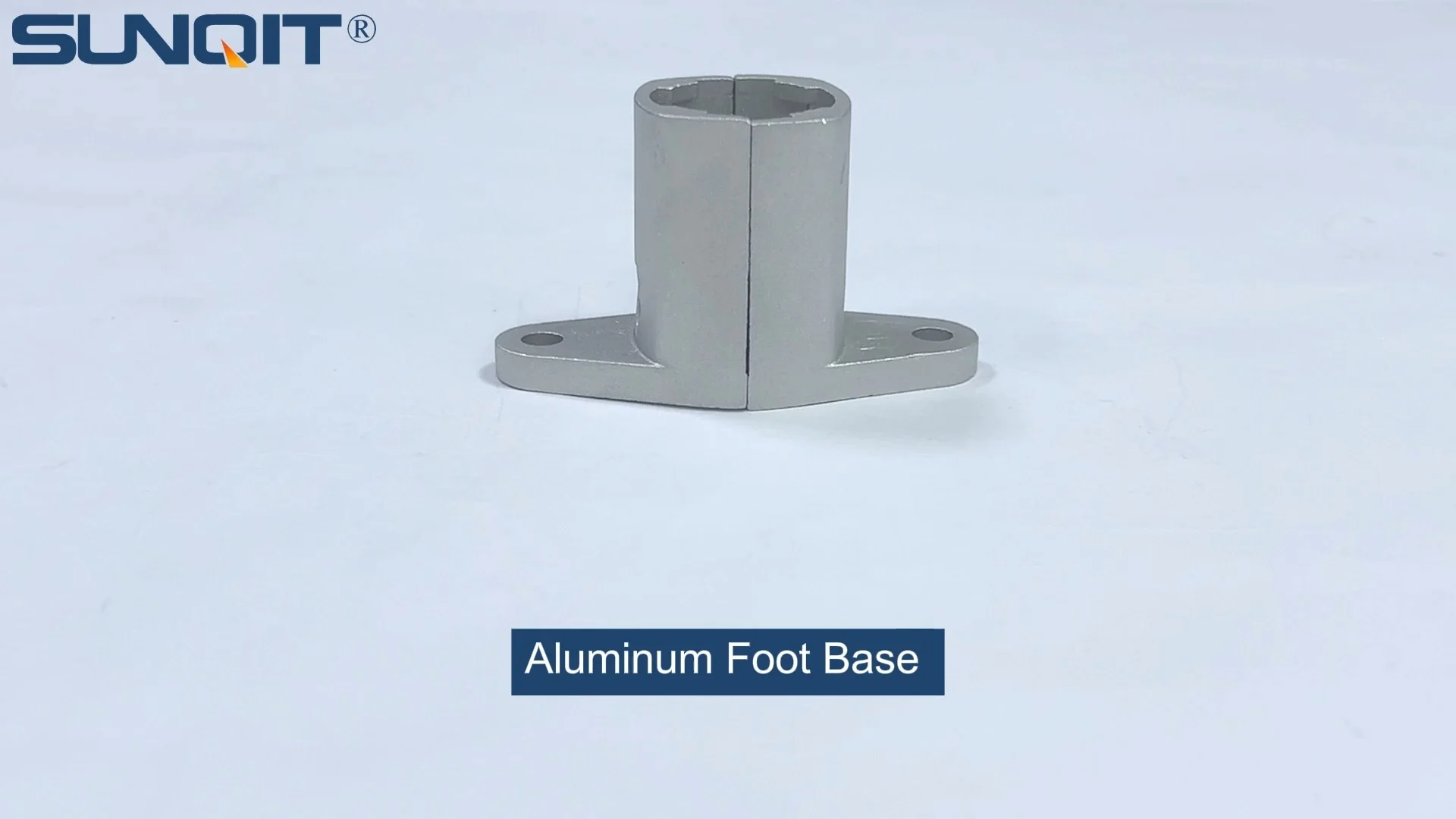
Walk into any bustling manufacturing plant, and you'll notice the unsung heroes holding everything together: aluminum foot bases. They're the quiet backbone of workbench setups, the steady support beneath conveyor systems, and the reliable foundation for roller track assemblies that keep production lines moving. But here's the thing about aluminum—while it's lightweight, strong, and naturally resistant to rust, it's not invincible. In factories where moisture lingers, chemicals splash, or temperatures swing wildly, even aluminum can fall victim to corrosion. And when a foot base corrodes? It's not just an eyesore. A weakened base can wobble, shift, or even collapse, throwing off assembly precision, slowing down workflows, and putting workers at risk.
That's where corrosion prevention comes in. For decades, two methods have dominated the scene: anodization and chemical treatments. Both aim to shield aluminum foot bases from the elements, but they go about it in very different ways. Anodization builds a tough, protective layer by supercharging aluminum's natural oxide coating, while chemical treatments use specialized formulas to form a barrier through chemical reactions. Which one is right for your operation? Let's dive in—no jargon, just real talk about what works, when, and why.
The Basics: Why Aluminum Foot Bases Corrode (And Why It Matters)
First, let's get clear on why aluminum isn't automatically "corrosion-proof." Aluminum does form a thin oxide layer when exposed to air—think of it as nature's first line of defense. But this layer is only about 0.00001 inches thick. In gentle environments—say, a dry office or a climate-controlled warehouse—that might be enough. But in industrial settings? It's often not. Spills of coolants or cleaning agents, high humidity, salt air (for coastal factories), or even repeated contact with water from power hoses can break down that natural layer. When that happens, corrosion takes hold: tiny pits form, surfaces discolor, and over time, the metal weakens.
Consider a caster wheel mounted to an aluminum foot base. If the base corrodes, the wheel's alignment shifts, making carts harder to push. Or picture a roller track guiding delicate electronics components—if the track's supporting foot base warps from corrosion, parts might jam or slide unevenly, leading to costly defects. Even something as simple as a workbench leg: a corroded base can make the bench wobble, throwing off measurements for assembly work. In short, corrosion isn't just a maintenance headache—it's a productivity killer.
Anodization: Building Armor for Aluminum Foot Bases
How Anodization Works: Turning Aluminum into Its Own Shield
Anodization isn't magic—it's science with a jolt of electricity. Here's the CliffsNotes version: aluminum foot bases are submerged in an electrolyte solution (usually sulfuric acid), and an electric current is passed through them. The aluminum acts as the anode (hence "anodization"), and oxygen ions in the solution bond with the aluminum's surface, growing the natural oxide layer from 0.00001 inches to anywhere from 0.0002 to 0.001 inches thick. That might sound tiny, but it's 20 to 100 times thicker than the natural layer. And unlike the natural oxide, this new layer is porous, which means it can be dyed (hello, color options!) or sealed to lock in protection.
There are different types of anodization, but for foot bases, two stand out: sulfuric acid anodization (the most common, great for general protection) and hard coat anodization (thicker, denser, and ideal for high-wear areas). Imagine a foot base supporting a heavy material rack in a factory that uses water-based coolants—hard coat anodization would be like giving it a suit of armor, resisting scratches and chemical exposure that would eat through a thinner layer.
The Pros of Anodization: Why Factories Swear By It
Durability is anodization's biggest claim to fame. That thick oxide layer isn't just a coating—it's part of the aluminum . Unlike paint or plating, it won't chip, peel, or flake off if the foot base gets bumped or scraped. I once visited a automotive parts plant that had anodized foot bases under their conveyor lines. After five years of daily exposure to oil, grease, and high-pressure washes, the bases still looked almost new—no pitting, no discoloration. The maintenance manager told me they used to replace non-anodized bases every two years; now, they're on track for a 10-year lifespan. That's a huge cost-saver in parts and labor.
Anodization also plays well with aesthetics. Since the porous layer can absorb dyes, you can color-code foot bases to match your facility's layout (red for hazard zones, blue for assembly areas) without worrying about the color fading. And because the layer is transparent when undyed, it preserves aluminum's natural metallic finish—perfect if you want a clean, professional look for customer-facing areas, like demo labs or showroom workbenches.
Another win? Environmental friendliness. Modern anodization processes use non-toxic electrolytes (like sulfuric acid, which is neutralized after use), and the process itself doesn't release harmful fumes. For factories aiming to cut their environmental footprint, that's a big plus.
The Cons: When Anodization Might Not Be the Best Fit
Anodization isn't a one-size-fits-all solution. For starters, it's more expensive upfront than chemical treatments. The equipment—tanks, power supplies, ventilation—requires a significant investment, so small shops or those with low-volume needs might find it hard to justify. Even if you outsource anodization, the per-unit cost is higher than chemical dips, especially for simple, low-stress foot bases that don't need heavy-duty protection.
It's also less forgiving with complex shapes. Anodization works best on smooth, straightforward surfaces. If your foot base has tight corners, deep holes, or intricate designs (like some custom brackets for roller track systems), the electric current might not reach all areas evenly, leading to uneven coating thickness. In those cases, parts of the base might still be vulnerable to corrosion.
Finally, anodized layers can be sensitive to certain chemicals. While they hold up well to water, oils, and mild acids, strong alkalis (like industrial cleaners with high pH levels) can dissolve the oxide layer over time. So if your facility uses harsh chemicals regularly, you might need to pair anodization with a topcoat or extra maintenance checks.

Chemical Treatments: Fast, Affordable Corrosion Protection
If anodization is the "slow and steady" approach, chemical treatments are the "quick and efficient" alternative. Instead of electricity, these treatments use chemical solutions to react with aluminum's surface, forming a protective layer. The most common types are chromate conversion coatings (though these are being phased out due to environmental concerns), phosphating, and newer zirconium- or titanium-based treatments (often called "chrome-free" coatings). The process is simple: dip the foot base in the chemical bath, let it sit for a few minutes, rinse, and dry. No fancy equipment, no complex setup—just a tank and a timer.
Take zirconium-based treatments, for example. They form a thin (0.000004 to 0.00001 inches thick) layer of zirconium oxide that bonds tightly to aluminum. It's not as thick as anodization, but it's plenty for many applications. I spoke with a small electronics manufacturer that uses these treatments on their workbench foot bases. Their facility is climate-controlled, with minimal chemical exposure, so they don't need heavy-duty protection. For them, chemical treatments cost 70% less than anodization and take just 15 minutes per batch—perfect for their low-volume, high-mix production.
The Pros: Why Chemical Treatments Shine
Cost is the biggest draw here. Chemical treatments are cheap to set up and cheap to run. You don't need expensive electrolytic equipment, and the chemicals themselves are often less costly than anodization supplies. For startups or small businesses with tight budgets, this makes chemical treatments a no-brainer—especially for foot bases that don't face extreme conditions.
Chemical treatments also excel at covering complex shapes. The solutions seep into every nook and cranny—tight angles, threaded holes, even the tiny gaps between welded joints—ensuring full coverage. That's a game-changer for foot bases with intricate designs, like those used to mount roller track systems with custom brackets. Anodization might miss a spot in a deep crevice, but a chemical dip reaches everywhere.
Speed is another advantage. Anodization can take hours (from setup to rinsing to drying), while chemical treatments are done in minutes. For factories with just-in-time production schedules or frequent design changes, this quick turnaround is invaluable. Need to rush a batch of foot bases for a last-minute order? Chemical treatments can have them ready to ship the same day.
The Cons: Limitations to Keep in Mind
The biggest downside of chemical treatments is durability—they simply don't last as long as anodization. The protective layer is thinner and more prone to wear. In high-traffic areas, like foot bases under workbenches that get kicked or bumped, the layer can scratch off, leaving the aluminum exposed. I visited a warehouse once where they used chemical treatments on caster wheel bases for their material carts. After six months of daily use, the bases showed signs of pitting, especially where the wheels attached. They ended up switching to anodized bases for those high-wear carts, while keeping chemical treatments for stationary racks that saw less abuse.
Chemical treatments also offer limited resistance to harsh chemicals. While they hold up to water and mild detergents, strong acids or alkalis can eat through the layer quickly. In factories that use corrosive coolants or degreasers, this is a dealbreaker. And unlike anodization, chemical treatments don't offer much in the way of aesthetics—most leave a dull, grayish finish, and they can't be dyed. If looks matter for your application, that's a drawback.
Finally, some older chemical treatments (like chromate conversion) use toxic chemicals that require strict disposal protocols. While newer chrome-free options are safer, they're still not as eco-friendly as anodization, which produces less hazardous waste.

Anodization vs. Chemical Treatments: A Side-by-Side Comparison
Still on the fence? Let's break down the key differences with a head-to-head comparison. This table will help you weigh the pros and cons for your specific needs:
| Factor | Anodization | Chemical Treatments |
|---|---|---|
| Layer Thickness | 0.0002–0.001 inches (thick, durable) | 0.000004–0.00001 inches (thin, less durable) |
| Corrosion Resistance | Excellent (resists water, oils, mild chemicals; ideal for harsh environments) | Good (resists water and mild detergents; struggles with strong chemicals) |
| Wear Resistance | High (scratch-resistant, won't peel or chip) | Low (prone to scratching; layer can wear off with heavy use) |
| Upfront Cost | High (equipment and setup costs) | Low (minimal equipment needed) |
| Long-Term Cost | Low (longer lifespan means fewer replacements) | High (needs reapplication every 1–3 years) |
| Application Time | Hours (setup, electrolysis, rinsing, drying) | Minutes (dip, rinse, dry) |
| Complex Shapes | Challenging (may have uneven coverage in tight spots) | Easy (solution reaches all nooks and crannies) |
| Aesthetics | Excellent (can be dyed; preserves metallic finish) | Limited (dull gray finish; no coloring options) |
| Environmental Impact | Low (non-toxic electrolytes; minimal waste) | Medium (older treatments use toxic chemicals; newer options are safer but still less eco-friendly than anodization) |
As you can see, the choice boils down to your priorities: long-term durability vs. upfront cost, harsh environments vs. mild ones, aesthetics vs. speed. Let's look at some real-world scenarios to make it concrete.

Real-World Scenarios: Which Treatment Wins?
Scenario 1: High-Wear Workbench in a Humid Factory
Imagine a workbench in a food processing plant, where workers rinse down surfaces daily with hot water and sanitizers. The foot base is exposed to constant moisture, and the bench gets bumped by rolling carts (hello, caster wheel collisions) multiple times a day. For this setup, anodization is the clear winner. The thick, scratch-resistant layer will stand up to moisture and impacts, lasting 10+ years. Chemical treatments would wear off in 1–2 years, leading to frequent replacements and downtime.
Scenario 2: Low-Volume Roller Track in a Dry Warehouse
Now, picture a small warehouse with a single roller track used to move lightweight boxes. The environment is dry, and the track is only used a few times a day. Here, chemical treatments make sense. The foot bases don't face heavy wear or harsh chemicals, so the lower upfront cost and quick application time outweigh the shorter lifespan. You can treat a batch of bases in an hour and replace them every 3–5 years without breaking the bank.
Scenario 3: Custom-Made Foot Bases with Intricate Brackets
Suppose you're building custom foot bases with welded brackets, threaded holes, and tight angles to mount specialized equipment. Anodization might struggle to coat those intricate areas evenly, leaving weak spots. Chemical treatments, with their ability to seep into every crevice, would ensure full coverage. If the environment is mild (like a cleanroom), chemical treatments are the way to go. If the environment is harsh, you could even combine them: use chemical treatments for the complex areas and anodization for the flat, exposed surfaces. It's not common, but it's a creative workaround for tricky designs.
Making the Call: Questions to Ask Before Choosing
Still unsure which treatment is right for your aluminum foot bases? Ask yourself these five questions:
- What's the environment like? High humidity, chemicals, or salt air? Go with anodization. Dry, clean, and mild? Chemical treatments could work.
- How much wear and tear will the foot base see? Heavy use (bumping, scratching, daily impacts)? Anodization. Light use (stationary, minimal contact)? Chemical treatments.
- What's your budget? Can you afford higher upfront costs for long-term savings? Anodization. Need to keep initial costs low? Chemical treatments.
- Do you need to color-code or match aesthetics? Yes? Anodization. No? Chemical treatments are fine.
- Are the foot bases simple or complex in shape? Simple (flat, smooth surfaces)? Anodization. Complex (holes, angles, brackets)? Chemical treatments.
Remember, there's no "wrong" choice—only the choice that fits your unique needs. Many factories use both: anodization for high-stress areas (like workbench legs and caster wheel bases) and chemical treatments for low-stress, high-volume parts (like simple roller track supports). The key is to assess each application individually and prioritize based on durability, cost, and practicality.
Final Thoughts: Protecting the Backbone of Your Facility
Aluminum foot bases might not get the glory, but they're critical to keeping your facility running smoothly. Corrosion isn't just a maintenance issue—it's a threat to productivity, safety, and your bottom line. Anodization and chemical treatments are both powerful tools, but they serve different purposes. Anodization is the workhorse, built for longevity and toughness in harsh environments. Chemical treatments are the sprinter, fast and affordable for mild, low-wear setups.
At the end of the day, the best choice depends on your specific situation. Take the time to assess your environment, budget, and usage patterns. Talk to suppliers—many will test samples of your foot bases with both treatments and share the results. And don't forget to factor in long-term costs: a slightly higher upfront investment in anodization could save you thousands in replacements down the line.
So, whether you're outfitting a new factory or upgrading an old one, give your aluminum foot bases the protection they deserve. After all, a strong foundation isn't just about keeping things upright—it's about keeping your entire operation moving forward.