- Company Articles
- Products and Technology
- Product knowledge
- Aluminum Foot Base Cost-Benefit Analysis: Initial Investment vs. Long-Term Savings

Aluminum Foot Base Cost-Benefit Analysis: Initial Investment vs. Long-Term Savings
Related Product
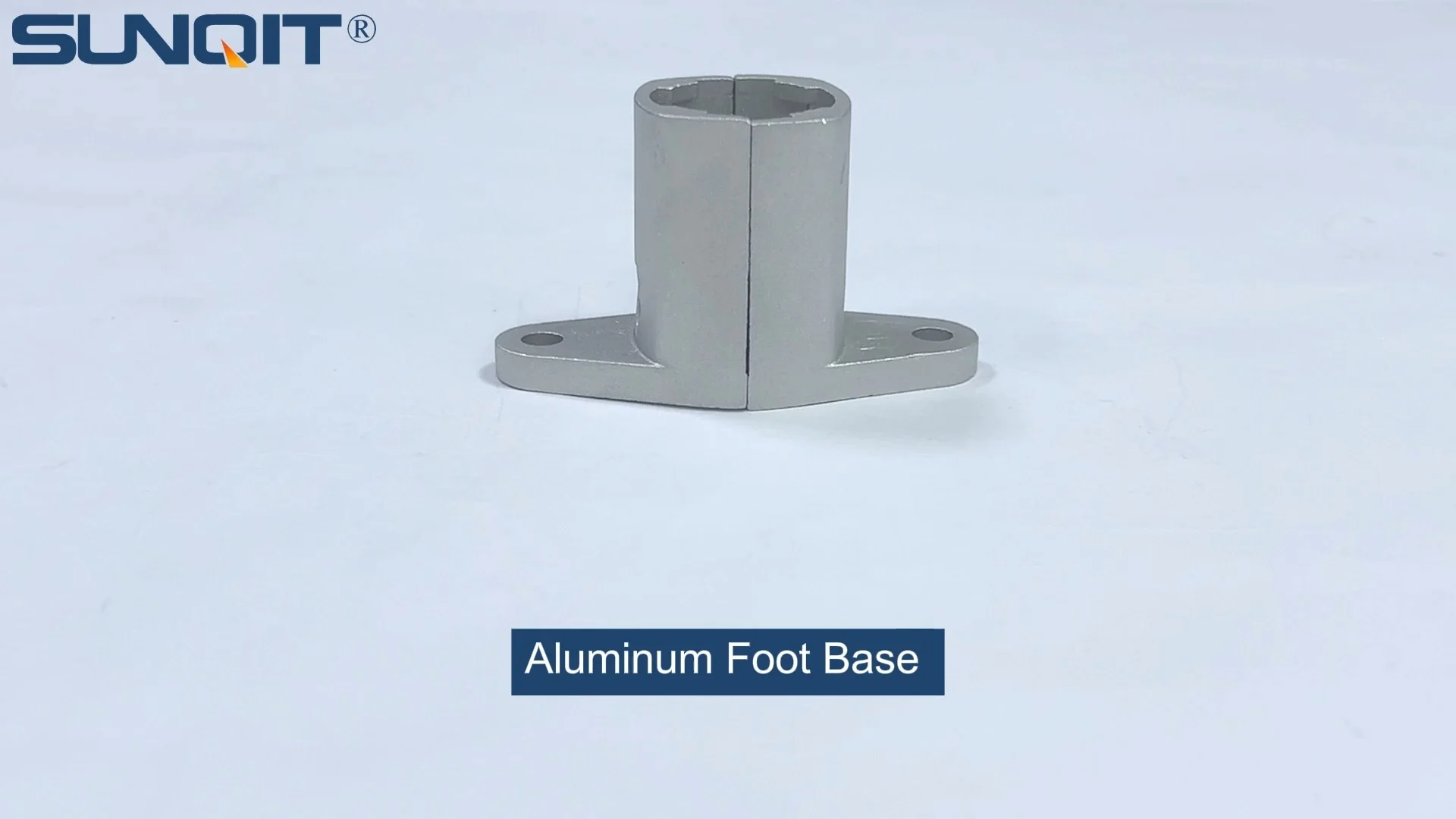
Aluminum Foot Base
Aluminum foot base to connect 28mm aluminum pipe and fixed it on the ground and prevent pipe fall and move.
Walk into any manufacturing plant, warehouse, or workshop, and you'll notice the unsung heroes keeping everything running smoothly: the workbenches where assembly happens, the material racks holding inventory, the trolleys moving parts across the floor. But what's holding those heroes up? More often than not, it's a component so it barely gets a second glance: the foot base. Today, we're zooming in on one specific type—the aluminum foot base—and breaking down why its initial price tag might make you pause, but its long-term value could be the smartest investment your operation ever makes. We'll also touch on how it pairs with aluminum lean pipe systems, caster wheels, and why choosing the right lean system supplier matters more than you think.
What Even Is an Aluminum Foot Base, Anyway?
Let's start with the basics. An aluminum foot base is exactly what it sounds like: a sturdy, flat foundation component, typically made from extruded aluminum, designed to anchor workbenches, material racks, or even aluminum lean pipe structures to the ground. Think of it as the "feet" of your workstation—quietly bearing weight, resisting wear, and keeping everything stable, even when caster wheels (yes, those handy mobility helpers) are locked in place. Unlike flimsy plastic bases or heavy steel ones, aluminum foot bases strike a balance: lightweight enough to move during setup, strong enough to handle daily abuse, and corrosion-resistant to boot.
But why aluminum? Let's compare it to the usual suspects. Steel foot bases are tough, no doubt, but they're heavy—lifting one can strain a worker's back and make reconfiguring your workspace a hassle. They also rust if not treated, which means extra maintenance (think sanding, painting) down the line. Plastic bases are cheap upfront, but they warp under heavy loads, crack in cold temperatures, and need replacing every year or two. Aluminum? It's naturally resistant to rust, lightweight (about a third the weight of steel), and rigid enough to support a fully loaded workbench without bending. Plus, aluminum's malleable enough to be extruded into precise shapes—like the T-slots you find in aluminum lean pipe systems—making it easy to attach accessories or adjust height if needed.
The Initial Investment: Why Aluminum Might Make You Wince
Let's get real: Aluminum foot bases aren't the cheapest option on the shelf. If you're comparing price tags at a hardware store or browsing a lean system supplier's catalog, you might see plastic bases for $15–$30, steel ones for $40–$60, and aluminum ones starting at $50–$80 per unit. At first glance, that's a 2–3x jump from plastic. If you're outfitting a workshop with 10 workbenches, that's an extra $350–$500 upfront. Ouch. It's easy to think, "Why not just go with plastic? It's half the cost!" But here's the thing: cost isn't just about the first check you write. It's about how much you'll spend over time on replacements, repairs, and even lost productivity. Let's break that down.

Long-Term Savings: Where Aluminum Starts to Shine
To really understand the value, let's look at a 5-year timeline. We'll compare three options: plastic foot bases, steel foot bases, and aluminum foot bases. We'll factor in initial cost, lifespan, maintenance, and even hidden costs like downtime when a base fails. Spoiler: Aluminum doesn't just keep up—it pulls ahead.
| Cost Factor | Plastic Foot Base | Steel Foot Base | Aluminum Foot Base |
|---|---|---|---|
| Initial Cost (per unit) | $20 | $50 | $70 |
| Typical Lifespan | 1–2 years (warps, cracks under heavy loads) | 5–7 years (but rusts if not painted regularly) | 10+ years (no rust, minimal wear) |
| Annual Maintenance Cost | $0 (but you'll replace them often) | $15 (sanding, repainting to prevent rust) | $0 (just wipe clean occasionally) |
| Replacement Frequency (over 5 years) | 3x (replace every 1.5 years) | 0x (but maintenance adds up) | 0x (still going strong) |
| Total 5-Year Cost (per unit) | $20 (initial) + (3 replacements x $20) = $80 | $50 (initial) + (5 years x $15 maintenance) = $125 | $70 (initial) + $0 maintenance = $70 |
Let that sink in: Over five years, the "cheap" plastic base ends up costing more than aluminum, and steel—while durable—costs nearly twice as much once you factor in repainting and rust prevention. But numbers alone don't tell the whole story. Let's talk about the hidden savings.
Durability = Less Downtime
Imagine this: It's a busy Monday morning, and your team is rushing to meet a deadline. Suddenly, a workbench wobbles—its plastic foot base has cracked under the weight of tools and parts. Now, you've got two choices: stop production to replace the base (losing 30–60 minutes of labor) or risk a safety hazard by propping it up with a block of wood. Neither is ideal. With aluminum foot bases, that scenario is practically unheard of. They don't crack, warp, or degrade under normal use. Even if you're rolling a loaded trolley with caster wheels into a workstation repeatedly, the aluminum base absorbs the impact without a scratch. Less downtime = more output = higher profits. It's that simple.
Lightweight = Easier Reconfiguration (and Happy Workers)
Steel foot bases are heavy—we're talking 15–20 pounds each. Try moving a workbench with four steel bases across the shop floor, and you'll need two people (or a forklift). Aluminum? A single worker can lift an aluminum foot base with one hand. That matters when you're adopting lean manufacturing principles and need to reconfigure your workspace to optimize flow. Want to rearrange workbenches to reduce material handling time? With aluminum bases, it's a 10-minute job instead of a half-hour ordeal. Happier workers (no back strain) and faster adaptability? That's savings you can't put a price on, but trust us—your team will thank you.
Corrosion Resistance = No More Rust Stains (or Costly Repairs)
Warehouses and workshops aren't always clean, dry environments. Spills, humidity, and even just daily mopping can expose foot bases to moisture. Steel bases rust, plain and simple. That rust doesn't just look bad—it weakens the metal over time, and those red stains can spread to products or packaging (not great if you're shipping to clients). Aluminum? It forms a natural oxide layer that stops corrosion in its tracks. Even if you spill oil or water on it, a quick wipe with a rag is all it takes. No more sanding rust, no more repainting, no more replacing bases that have turned into Swiss cheese. That's peace of mind—and saved maintenance hours.
Perfect Pairing with Aluminum Lean Pipe Systems
Here's where it gets even better: Aluminum foot bases aren't one-trick ponies. They're designed to work seamlessly with aluminum lean pipe systems—the modular, build-as-you-go structures used for everything from workbenches to material racks. Aluminum lean pipe is lightweight, easy to cut, and connects with simple joints, making it a favorite for lean operations. When you pair it with an aluminum foot base, you're creating a system that's both strong and flexible. Need to add a shelf to your workbench? Just attach more aluminum lean pipe to the base. Want to switch from a fixed workstation to a mobile one? Swap out the foot base for caster wheels (yep, they fit right in) and roll it where you need it. This compatibility means you're not just buying a foot base—you're investing in a foundation that grows with your business.
Real-World Example: Let's say you run a small electronics assembly shop with 5 workbenches. You initially buy plastic foot bases for $20 each ($100 total). In year 2, three bases crack, so you replace them ($60). In year 3, the remaining two crack, plus two new ones ($80). By year 5, you've spent $240 on plastic bases. If you'd gone with aluminum at $70 each ($350 total), you'd still be using the same bases, no replacements, no downtime. Over 5 years, aluminum saves you $140—and that's before factoring in the hours lost to replacing plastic bases. Not to mention, your aluminum lean pipe workbenches look (and function) like new, while the plastic-base ones are wobbly and unreliable.

Choosing the Right Lean System Supplier: The X-Factor in Cost-Benefit
Okay, so aluminum foot bases sound great—but here's a curveball: Not all aluminum foot bases are created equal. The difference between a cheap, flimsy one and a high-quality, precision-engineered one often comes down to the lean system supplier you buy from. A reputable supplier won't just sell you a base—they'll help you choose the right size for your workbench, ensure it's compatible with your caster wheels and aluminum lean pipe, and stand behind their product if something goes wrong (though with aluminum, that's rare). A sketchy supplier? They might cut corners on material thickness or skip quality checks, leaving you with a base that's more "aluminum-lookalike" than actual aluminum. That's why investing in a trusted lean system supplier is part of the cost-benefit equation. Yes, they might charge a bit more upfront, but their bases will last longer, fit better, and save you from headaches (and replacement costs) later.
How do you spot a good supplier? Look for ones that specialize in lean systems—they'll know the ins and outs of how foot bases interact with aluminum lean pipe, caster wheels, and workbenches. Ask about material grades (6061-T6 aluminum is a strong, common choice), tolerances (how precisely the base is cut and shaped), and if they offer samples. A supplier who's willing to send you a sample so you can test its weight and durability? That's a supplier who believes in their product.

When Is Aluminum Not the Best Choice?
We'd be remiss if we didn't mention the edge cases. Aluminum foot bases are fantastic for most light-to-medium industrial use—think workbenches, small material racks, or aluminum lean pipe structures. But if you're building something that needs to support extreme weight (like a 5,000-pound machine), steel might still be better (though even then, aluminum alloys can get surprisingly strong). And if your budget is extremely tight and you're only using the setup for a one-time project (not long-term operations), plastic might suffice. But for 90% of workshops, warehouses, and manufacturing plants? Aluminum is the sweet spot.
The Bottom Line: Initial Pain, Long-Term Gain
At the end of the day, the aluminum foot base is a classic example of "pay a little more now, save a lot later." Its initial cost is higher than plastic, but its 10+ year lifespan, zero maintenance, and compatibility with aluminum lean pipe and caster wheels make it a no-brainer for anyone looking to build a sustainable, efficient operation. And when you pair it with a reliable lean system supplier, you're not just buying a product—you're investing in peace of mind.
So, the next time you're outfitting a workspace, don't just look at the price tag on the foot base. Think about the worker who won't have to stop production to replace a cracked plastic base. Think about the maintenance team that won't have to sand and repaint steel bases every year. Think about your bottom line five years from now, when your aluminum foot bases are still going strong, and your competitors are still replacing theirs. That's the real cost-benefit of aluminum—and it's worth every penny.