- Company Articles
- Products and Technology
- Technology Sharing
- Aluminum Foot Base Design Innovations: The Latest Trends in Lean Manufacturing

Aluminum Foot Base Design Innovations: The Latest Trends in Lean Manufacturing
Related Product
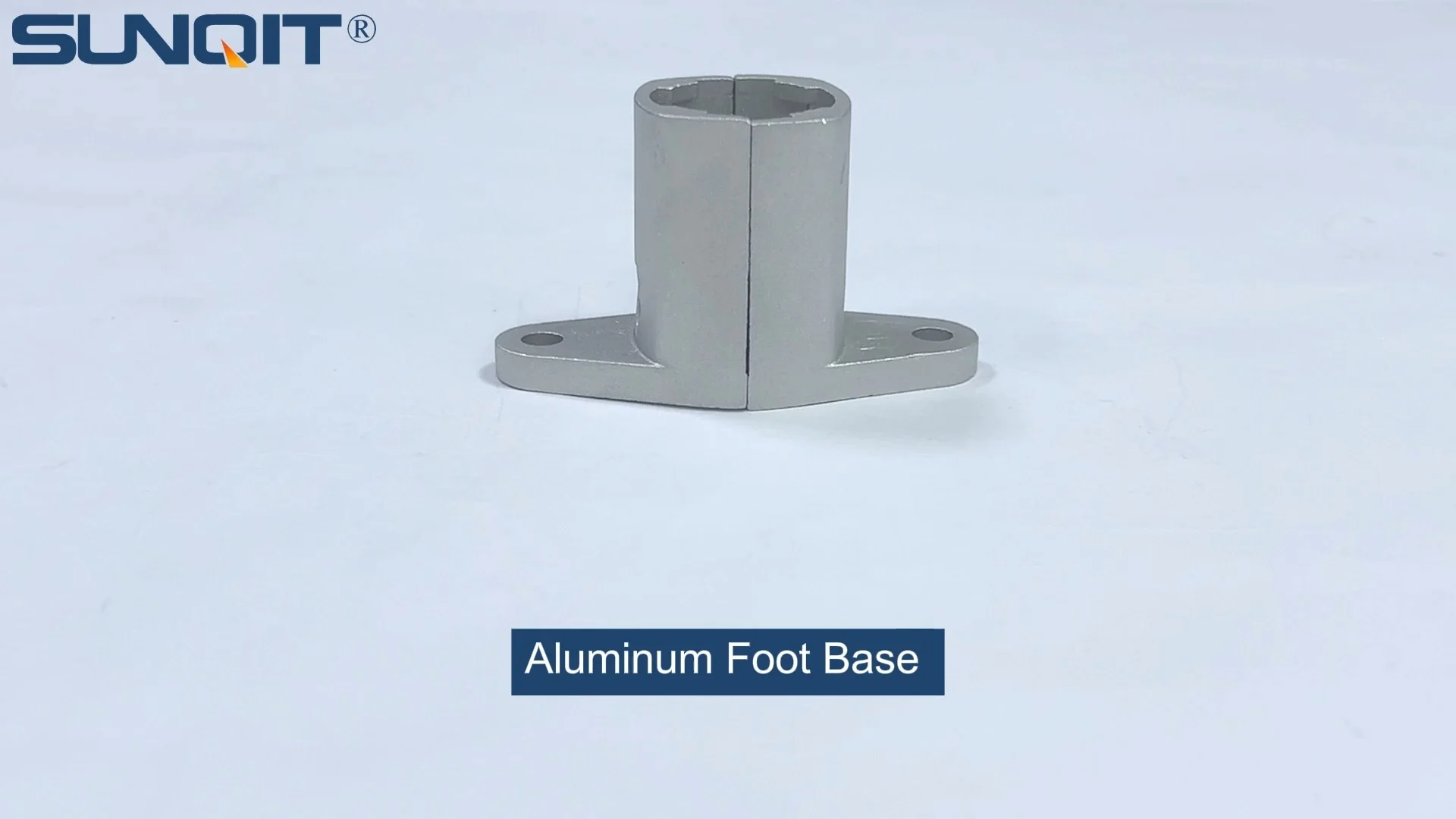
Aluminum Foot Base
Aluminum foot base to connect 28mm aluminum pipe and fixed it on the ground and prevent pipe fall and move.
Introduction: The Quiet Revolution in Lean Manufacturing
Lean manufacturing has long been the gold standard for efficiency, but its success hinges on more than just big-picture strategies. It's the small, often overlooked components that keep the wheels turning—literally. Take, for example, the humble foot base. Found under workbenches, material racks, and assembly lines, this unassuming part plays a critical role in stability, safety, and workflow. And in recent years, a quiet revolution has been unfolding in how these foot bases are designed—especially when aluminum takes center stage.
Aluminum, with its lightweight strength and versatility, has become the material of choice for forward-thinking manufacturers. But it's not just about swapping steel for aluminum; it's about reimagining what a foot base can do. Today's aluminum foot bases are smarter, more adaptable, and better aligned with lean principles than ever before. They're not just supports—they're enablers of waste reduction, flexibility, and continuous improvement. In this article, we'll dive into the latest innovations in aluminum foot base design, explore how they're reshaping lean systems, and why they matter for anyone looking to stay competitive in modern manufacturing.
Aluminum, with its lightweight strength and versatility, has become the material of choice for forward-thinking manufacturers. But it's not just about swapping steel for aluminum; it's about reimagining what a foot base can do. Today's aluminum foot bases are smarter, more adaptable, and better aligned with lean principles than ever before. They're not just supports—they're enablers of waste reduction, flexibility, and continuous improvement. In this article, we'll dive into the latest innovations in aluminum foot base design, explore how they're reshaping lean systems, and why they matter for anyone looking to stay competitive in modern manufacturing.
Understanding Aluminum Foot Bases: From Basics to Breakthroughs
Before we jump into innovations, let's ground ourselves in the basics. An aluminum foot base is exactly what it sounds like: a foundational component, typically made from aluminum, that anchors equipment like workbenches, conveyors, or material racks to the floor. Its primary job? Keep things stable. But traditional designs often fell short. Early foot bases were clunky, heavy, and one-size-fits-all. They limited adjustability, struggled with uneven floors, and sometimes even contributed to waste—whether through excess material usage or difficulty in reconfiguring layouts.
Enter aluminum extrusion profile technology. This game-changing manufacturing process allows for the creation of aluminum shapes with precise, consistent cross-sections. Suddenly, foot bases weren't just blocks of metal; they could be engineered with hollow cores for weight reduction, integrated channels for cable management, or custom grooves for attaching accessories. Pair that with advancements in aluminum profile accessories—like adjustable brackets and modular connectors—and the door swung open for a new era of foot base design.
Today's aluminum foot bases are a far cry from their predecessors. They're lighter, stronger, and infinitely more flexible. But what exactly makes them "innovative"? Let's break down the key trends reshaping their design.
Enter aluminum extrusion profile technology. This game-changing manufacturing process allows for the creation of aluminum shapes with precise, consistent cross-sections. Suddenly, foot bases weren't just blocks of metal; they could be engineered with hollow cores for weight reduction, integrated channels for cable management, or custom grooves for attaching accessories. Pair that with advancements in aluminum profile accessories—like adjustable brackets and modular connectors—and the door swung open for a new era of foot base design.
Today's aluminum foot bases are a far cry from their predecessors. They're lighter, stronger, and infinitely more flexible. But what exactly makes them "innovative"? Let's break down the key trends reshaping their design.

Key Innovations in Aluminum Foot Base Design
The evolution of aluminum foot bases isn't just about incremental improvements—it's about rethinking their purpose. Here are the breakthroughs that are making waves in lean manufacturing:
1. Material Science: Beyond Basic Aluminum
While aluminum itself is a star, modern foot bases are leveraging advanced alloys and surface treatments to up their game. For instance, some manufacturers now use high-strength aluminum extrusion profiles blended with magnesium or silicon, boosting load capacity without adding weight. Anodized finishes, too, are gaining traction—they resist corrosion, reduce friction, and even add ESD (Electrostatic Discharge) protection, critical for electronics manufacturing where static can damage sensitive components.
2. Modular and Tool-Free Adjustability
One of the biggest pain points with traditional foot bases was rigidity. If the floor was uneven, or if a workbench needed to be raised by an inch, you'd be stuck with shims or custom modifications. Today's designs solve this with built-in adjustability. Many aluminum foot bases now feature threaded stems or sliding mechanisms that let operators tweak height by up to 50mm—no tools required. Some even come with swivel pads that pivot to match floor irregularities, ensuring stability on imperfect surfaces. This modularity aligns perfectly with lean's demand for flexibility; a single foot base can adapt to multiple workbench setups, reducing the need for specialized parts.
3. Integration with Smart Lean Systems
Lean manufacturing is getting smarter, and foot bases are keeping up. Newer models include features like embedded sensors that monitor vibration (alerting teams to potential equipment issues) or RFID tags for asset tracking. Imagine a factory where every workbench's foot base logs its location and usage, helping managers optimize floor layouts in real time. It's not science fiction—some aluminum profile accessories now include mounting points for these smart components, turning passive supports into active data-gatherers.
4. Ergonomics and Worker-Centric Design
Lean isn't just about efficiency; it's about people. Modern aluminum foot bases are designed with ergonomics in mind. For example, some models have tapered edges to reduce tripping hazards, while others integrate cable channels to keep floors clutter-free—cutting down on trips and falls. Even the weight matters: lighter foot bases make it easier for teams to reconfigure workstations during kaizen events, turning what was once a two-person job into a solo task.
5. Sustainability by Design
Waste reduction is a cornerstone of lean, and aluminum foot bases are stepping up here, too. Aluminum is 100% recyclable, and many manufacturers now use scrap aluminum from their own production lines to create new foot bases, closing the loop on material waste. Additionally, the precision of aluminum extrusion profiles means less material is wasted during manufacturing—no more cutting large blocks down to size. Even the packaging is getting greener, with many suppliers using reusable or biodegradable materials instead of single-use plastics.
1. Material Science: Beyond Basic Aluminum
While aluminum itself is a star, modern foot bases are leveraging advanced alloys and surface treatments to up their game. For instance, some manufacturers now use high-strength aluminum extrusion profiles blended with magnesium or silicon, boosting load capacity without adding weight. Anodized finishes, too, are gaining traction—they resist corrosion, reduce friction, and even add ESD (Electrostatic Discharge) protection, critical for electronics manufacturing where static can damage sensitive components.
2. Modular and Tool-Free Adjustability
One of the biggest pain points with traditional foot bases was rigidity. If the floor was uneven, or if a workbench needed to be raised by an inch, you'd be stuck with shims or custom modifications. Today's designs solve this with built-in adjustability. Many aluminum foot bases now feature threaded stems or sliding mechanisms that let operators tweak height by up to 50mm—no tools required. Some even come with swivel pads that pivot to match floor irregularities, ensuring stability on imperfect surfaces. This modularity aligns perfectly with lean's demand for flexibility; a single foot base can adapt to multiple workbench setups, reducing the need for specialized parts.
3. Integration with Smart Lean Systems
Lean manufacturing is getting smarter, and foot bases are keeping up. Newer models include features like embedded sensors that monitor vibration (alerting teams to potential equipment issues) or RFID tags for asset tracking. Imagine a factory where every workbench's foot base logs its location and usage, helping managers optimize floor layouts in real time. It's not science fiction—some aluminum profile accessories now include mounting points for these smart components, turning passive supports into active data-gatherers.
4. Ergonomics and Worker-Centric Design
Lean isn't just about efficiency; it's about people. Modern aluminum foot bases are designed with ergonomics in mind. For example, some models have tapered edges to reduce tripping hazards, while others integrate cable channels to keep floors clutter-free—cutting down on trips and falls. Even the weight matters: lighter foot bases make it easier for teams to reconfigure workstations during kaizen events, turning what was once a two-person job into a solo task.
5. Sustainability by Design
Waste reduction is a cornerstone of lean, and aluminum foot bases are stepping up here, too. Aluminum is 100% recyclable, and many manufacturers now use scrap aluminum from their own production lines to create new foot bases, closing the loop on material waste. Additionally, the precision of aluminum extrusion profiles means less material is wasted during manufacturing—no more cutting large blocks down to size. Even the packaging is getting greener, with many suppliers using reusable or biodegradable materials instead of single-use plastics.

Traditional vs. Innovative Aluminum Foot Bases: A Comparative Look
To truly grasp the impact of these innovations, let's compare traditional steel or basic aluminum foot bases with their modern counterparts. The table below highlights key differences:
The numbers speak for themselves. Innovative aluminum foot bases aren't just better—they're transformative. But how do these features translate to real-world lean benefits?
| Feature | Traditional Foot Bases | Innovative Aluminum Foot Bases |
|---|---|---|
| Material | Heavy steel or low-grade aluminum | High-strength aluminum alloys with anodized or ESD coatings |
| Weight (per unit) | 2-3 kg | 0.5-1 kg (50-75% lighter) |
| Adjustability | Fixed height; requires shims for uneven floors | Tool-free height adjustment (up to 50mm); swivel pads for floor irregularities |
| Load Capacity | 500-800 kg per base | 800-1200 kg per base (higher strength-to-weight ratio) |
| ESD Compliance | Rarely included; requires additional grounding kits | Built-in ESD coatings or conductive materials |
| Reusability/Recyclability | Limited; often welded or permanently assembled | 100% recyclable; modular design allows reuse across systems |
The numbers speak for themselves. Innovative aluminum foot bases aren't just better—they're transformative. But how do these features translate to real-world lean benefits?

How Innovations in Aluminum Foot Bases Support Lean Principles
Lean manufacturing is built on five core principles: value, value stream, flow, pull, and perfection. Let's see how modern aluminum foot bases align with each:
Eliminating Waste (Muda): Traditional foot bases often created waste in the form of excess inventory (needing different sizes for different equipment) or overprocessing (custom modifications). Modular aluminum designs cut this waste by standardizing components. A single foot base model can adapt to workbenches, material racks, or conveyors, reducing the number of parts needed. Lightweight materials also slash shipping costs and energy use during installation.
Flexibility (Heijunka): Lean thrives on adaptability, especially in today's fast-changing markets. Aluminum foot bases with tool-free adjustability make it easy to reconfigure workstations—whether for a new product line or a layout redesign. This agility reduces downtime and helps manufacturers respond quickly to customer demand.
Safety (Jidoka): A stable workbench is a safe workbench. Modern foot bases with non-slip pads and vibration-dampening features reduce the risk of equipment tipping or tools sliding. ESD-compliant models, too, protect workers and products in electronics assembly, aligning with lean's focus on building quality in (rather than inspecting it in).
Continuous Improvement (Kaizen): The data-gathering potential of smart foot bases (like vibration sensors) provides actionable insights for kaizen events. If a particular workbench's foot base logs excessive movement, it might signal a misalignment in the production flow—prompting teams to adjust processes before bigger issues arise.
Eliminating Waste (Muda): Traditional foot bases often created waste in the form of excess inventory (needing different sizes for different equipment) or overprocessing (custom modifications). Modular aluminum designs cut this waste by standardizing components. A single foot base model can adapt to workbenches, material racks, or conveyors, reducing the number of parts needed. Lightweight materials also slash shipping costs and energy use during installation.
Flexibility (Heijunka): Lean thrives on adaptability, especially in today's fast-changing markets. Aluminum foot bases with tool-free adjustability make it easy to reconfigure workstations—whether for a new product line or a layout redesign. This agility reduces downtime and helps manufacturers respond quickly to customer demand.
Safety (Jidoka): A stable workbench is a safe workbench. Modern foot bases with non-slip pads and vibration-dampening features reduce the risk of equipment tipping or tools sliding. ESD-compliant models, too, protect workers and products in electronics assembly, aligning with lean's focus on building quality in (rather than inspecting it in).
Continuous Improvement (Kaizen): The data-gathering potential of smart foot bases (like vibration sensors) provides actionable insights for kaizen events. If a particular workbench's foot base logs excessive movement, it might signal a misalignment in the production flow—prompting teams to adjust processes before bigger issues arise.
Real-World Impact: Case Studies in Action
It's one thing to talk about innovations; it's another to see them in action. Let's look at two industries where aluminum foot base innovations are making a tangible difference:
Case Study 1: Automotive Assembly Lines
A leading automotive supplier was struggling with downtime during model changes. Their old steel foot bases required hours of retooling to adjust workbench heights for new car parts. After switching to modular aluminum foot bases with quick-adjust stems, they cut reconfiguration time from 4 hours to 30 minutes. The lighter weight also made it easier for teams to rearrange workstations, reducing the need for forklifts and cutting labor costs by 15%. Plus, the anodized finish stood up to oil and coolant spills, extending the foot bases' lifespan by 3+ years.
A leading automotive supplier was struggling with downtime during model changes. Their old steel foot bases required hours of retooling to adjust workbench heights for new car parts. After switching to modular aluminum foot bases with quick-adjust stems, they cut reconfiguration time from 4 hours to 30 minutes. The lighter weight also made it easier for teams to rearrange workstations, reducing the need for forklifts and cutting labor costs by 15%. Plus, the anodized finish stood up to oil and coolant spills, extending the foot bases' lifespan by 3+ years.
Case Study 2: Electronics Manufacturing
An electronics plant producing circuit boards faced frequent static damage, costing $50k annually in scrap. Their traditional foot bases offered no ESD protection, so workers relied on grounding mats that often shifted or tore. By upgrading to ESD-compliant aluminum foot bases—with conductive anodizing and built-in ground wires—static-related defects dropped by 70%. The adjustable height feature also reduced operator fatigue; workers could now set their workbenches to elbow height, cutting down on back strain and improving productivity by 8%.
An electronics plant producing circuit boards faced frequent static damage, costing $50k annually in scrap. Their traditional foot bases offered no ESD protection, so workers relied on grounding mats that often shifted or tore. By upgrading to ESD-compliant aluminum foot bases—with conductive anodizing and built-in ground wires—static-related defects dropped by 70%. The adjustable height feature also reduced operator fatigue; workers could now set their workbenches to elbow height, cutting down on back strain and improving productivity by 8%.
Future Trends: What's Next for Aluminum Foot Bases?
The innovation train isn't slowing down. Here's what we can expect to see in the next 3-5 years:
1. 3D-Printed Customization
While aluminum extrusion profile is efficient for standard shapes, 3D printing could soon allow for hyper-custom foot bases. Imagine a foot base designed with lattice structures for weight reduction, or contours that perfectly match a specific workbench's frame—all printed on-demand. This would eliminate minimum order quantities and let manufacturers create one-off solutions for niche applications.
2. Self-Monitoring "Smart" Bases
Sensors will get smarter, too. Future foot bases might include pressure sensors that alert teams when a workbench is overloaded, or temperature sensors that detect overheating equipment nearby. Paired with IoT platforms, this data could feed into predictive maintenance systems, preventing breakdowns before they happen.
3. Biodegradable and Plant-Based Composites
Sustainability will drive material innovation further. Some researchers are experimenting with aluminum-composite foot bases that blend aluminum with hemp or flax fibers, reducing reliance on virgin materials while maintaining strength. While still in early stages, these "green" foot bases could become a staple for eco-conscious manufacturers.
1. 3D-Printed Customization
While aluminum extrusion profile is efficient for standard shapes, 3D printing could soon allow for hyper-custom foot bases. Imagine a foot base designed with lattice structures for weight reduction, or contours that perfectly match a specific workbench's frame—all printed on-demand. This would eliminate minimum order quantities and let manufacturers create one-off solutions for niche applications.
2. Self-Monitoring "Smart" Bases
Sensors will get smarter, too. Future foot bases might include pressure sensors that alert teams when a workbench is overloaded, or temperature sensors that detect overheating equipment nearby. Paired with IoT platforms, this data could feed into predictive maintenance systems, preventing breakdowns before they happen.
3. Biodegradable and Plant-Based Composites
Sustainability will drive material innovation further. Some researchers are experimenting with aluminum-composite foot bases that blend aluminum with hemp or flax fibers, reducing reliance on virgin materials while maintaining strength. While still in early stages, these "green" foot bases could become a staple for eco-conscious manufacturers.
Conclusion: Small Parts, Big Impact
Aluminum foot bases might not grab headlines, but they're the unsung heroes of lean manufacturing's next chapter. By combining advanced materials, modular design, and smart features, they're helping manufacturers reduce waste, boost flexibility, and build safer, more efficient workspaces. Whether you're running a small workshop or a large-scale production line, upgrading to these innovative foot bases isn't just an investment in equipment—it's an investment in your lean system's future.
As lean manufacturing continues to evolve, the message is clear: success lies in the details. And when it comes to details, today's aluminum foot bases are leading the way. So the next time you walk into a factory, take a moment to look down. You might just see the future of lean—one stable, smart, and sustainable foot base at a time.
As lean manufacturing continues to evolve, the message is clear: success lies in the details. And when it comes to details, today's aluminum foot bases are leading the way. So the next time you walk into a factory, take a moment to look down. You might just see the future of lean—one stable, smart, and sustainable foot base at a time.