- Company Articles
- Products and Technology
- Product knowledge
- Aluminum Foot Base Design: Key Features for Shock Absorption

Aluminum Foot Base Design: Key Features for Shock Absorption
Related Product
Aluminum Foot Base
Aluminum foot base to connect 28mm aluminum pipe and fixed it on the ground and prevent pipe fall and move.
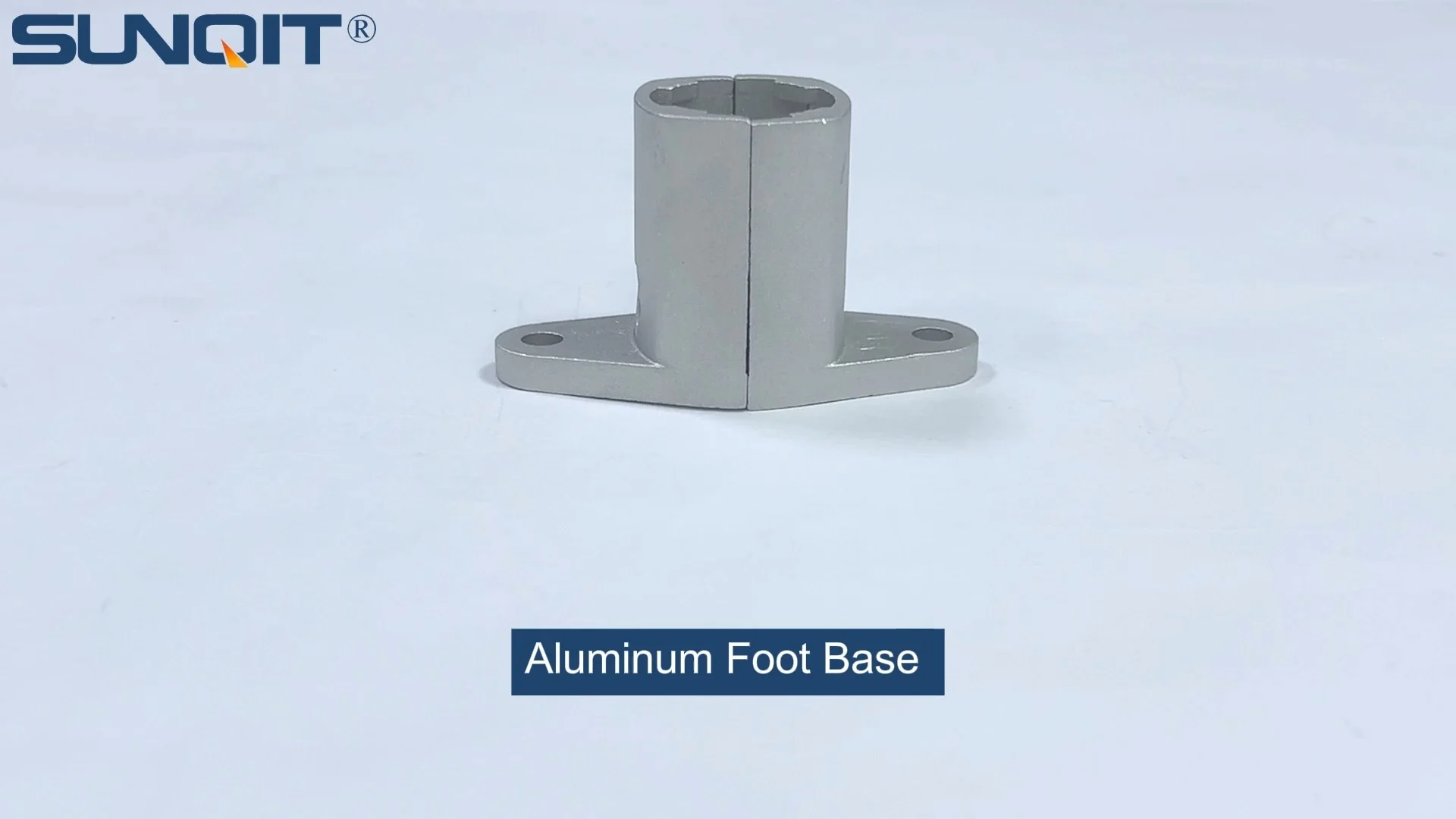
In the fast-paced world of manufacturing and industrial operations, every component of your workspace plays a role in efficiency, safety, and product quality. From the largest conveyor systems to the smallest workbench, stability is non-negotiable. One often-overlooked hero in this equation? The aluminum foot base . These unassuming components are the foundation of countless setups, quietly absorbing shocks, reducing vibrations, and ensuring that your equipment stays steady—even when the production floor gets busy. In this article, we'll dive deep into the design of aluminum foot bases, exploring how they achieve superior shock absorption, the key features that set them apart, and why they've become a staple for lean systems and modern industrial environments.
Why Shock Absorption Matters in Industrial Setups
Before we jump into design specifics, let's take a moment to understand why shock absorption is so critical. In any production environment—whether you're assembling electronics, packaging goods, or moving materials—vibrations and impacts are inevitable. Heavy machinery hums, conveyors transport loads, workers move equipment, and tools drop. Over time, these forces can take a toll:
- Equipment Wear and Tear: Uncontrolled vibrations loosen bolts, damage sensitive components, and shorten the lifespan of machinery like workbench surfaces or conveyor tracks.
- Product Quality Issues: In precision tasks—such as electronics assembly on an ESD workstation—even minor vibrations can misalign parts, leading to defects or rework.
- Worker Fatigue and Safety: Constant vibrations transmitted through workbenches or trolleys can cause discomfort, fatigue, or even long-term injuries for operators. A stable, shock-absorbing base reduces this risk.
- Noise Reduction: Shocks and vibrations don't just affect equipment—they create noise. A quieter workspace is a more pleasant (and productive) one.
This is where the aluminum foot base steps in. By absorbing and dissipating these forces, it acts as a buffer between your equipment and the floor, mitigating all these issues. But not all foot bases are created equal. Aluminum, with its unique properties, has emerged as the material of choice for this critical role.
The Case for Aluminum: Material Advantages in Shock Absorption
Why aluminum? When it comes to foot bases, materials like steel or plastic are common alternatives, but aluminum offers a rare blend of traits that make it ideal for shock absorption:
Lightweight Yet Strong: Aluminum is about one-third the weight of steel, making it easier to handle during installation and reconfiguration—key for lean systems that prioritize flexibility. Despite its lightness, aluminum alloys (like those used in aluminum profile systems) are surprisingly strong, able to support heavy loads without bending or warping.
Natural Damping Properties: Unlike rigid steel, aluminum has a degree of elasticity. When a shock is applied—say, a heavy component being placed on a workbench—the material compresses slightly, absorbing energy before releasing it slowly. This "give" is crucial for reducing vibration transmission.
Corrosion Resistance: Industrial floors are rarely pristine. Spills, humidity, and chemicals can take a toll on metal components. Aluminum's natural oxide layer (or added anodization) resists rust and corrosion, ensuring the foot base maintains its structural integrity over time—even in harsh environments.
Modularity and Customization: Aluminum is easy to machine, shape, and combine with other components like adjustable leveling feet or caster accessories. This means foot bases can be tailored to specific shock absorption needs, whether you're supporting a lightweight assembly station or a heavy-duty material rack.

Key Design Features of Aluminum Foot Bases for Shock Absorption
Not all aluminum foot bases are designed equally. The best ones integrate a handful of key features to maximize shock absorption. Let's break them down:
1. Material Thickness and Profile Geometry
The first line of defense in shock absorption is the foot base's structure itself. Manufacturers carefully engineer the thickness and shape of the aluminum to balance strength and flexibility. For example, many foot bases use a hollow or ribbed design (similar to aluminum profile s) rather than solid aluminum. Why? Hollow structures are lighter but still rigid, and the air pockets within can act as additional dampeners. Ribbing, on the other hand, adds internal reinforcement, preventing the base from deforming under heavy impacts while allowing controlled flex.
Take the "aluminum foot base B" from leading suppliers: it features a 3mm thick aluminum plate with a grid-like ribbed underside. This design not only reduces weight by 20% compared to a solid base but also increases its ability to absorb vertical shocks by distributing impact forces across the ribs. When a load hits the workbench above, the ribs compress slightly, then spring back, minimizing vibration transfer.
2. Integral Shock-Absorbing Pads or Inserts
Even the most well-designed aluminum structure can't do it alone. That's why many aluminum foot bases include built-in shock-absorbing pads or inserts. These are typically made from rubber, silicone, or thermoplastic elastomers (TPE)—materials known for their ability to compress and rebound, converting kinetic energy into heat (which dissipates harmlessly).
The placement of these pads is strategic. Most foot bases have pads at each corner, ensuring even weight distribution and shock absorption from all directions. For example, the "suction cup antiskid foundation" (a type of aluminum foot base with integrated rubber suction cups) uses 50mm diameter TPE pads. When pressure is applied (from the workbench or equipment above), the pads compress, creating a tight seal with the floor. This not only absorbs shocks but also prevents the base from sliding—adding an extra layer of stability.
Some advanced designs go a step further, using dual-density pads: a firmer inner layer for structural support and a softer outer layer for maximum shock absorption. This is especially useful in high-impact areas, like near roller track systems where materials are dropped onto conveyors.
3. Adjustable Leveling Feet: Fine-Tuning Stability
No factory floor is perfectly level. Cracks, uneven concrete, or wear over time can create small gaps that compromise stability—and shock absorption. This is where adjustable leveling feet come into play. These threaded components (often made from stainless steel or aluminum) are integrated into the foot base, allowing you to raise or lower individual corners to compensate for uneven surfaces.
But how does adjustability enhance shock absorption? When a foot base is wobbly or uneven, shocks and vibrations aren't distributed evenly. Instead of the entire base absorbing the impact, the forces on one corner, leading to increased wear and noise. By leveling the base, you ensure that every shock-absorbing pad and structural rib works together, spreading the force across the entire footprint.
Many aluminum foot bases pair adjustable leveling feet with rubber or TPE tips. For example, the "M10*56 rubber leveling feet" common in lean systems have a threaded stem that screws into the foot base and a replaceable rubber pad at the bottom. The rubber not only dampens vibrations but also prevents scratching on delicate floors—making them ideal for cleanrooms or finished concrete areas.
4. Compatibility with Modular Systems
Modern industrial setups thrive on modularity. Workbenches, material racks, and conveyors are rarely permanent; they're reconfigured as production needs change. Aluminum foot bases are designed to fit seamlessly into these modular systems, often using standard aluminum pipe s or profile accessories. This compatibility ensures that shock absorption isn't lost when you rearrange your workspace.
For example, the "internal straight aluminum joint" allows you to connect an aluminum foot base directly to aluminum pipes, building a custom workbench or material rack. The joint's design includes a small gap between the foot base and pipe, lined with a rubber O-ring. This O-ring acts as a secondary shock absorber, preventing vibrations from traveling up the pipes to the work surface. Similarly, "parallel fixation aluminum pipe joints" used in dual-foot base setups (for extra-wide workbenches) include spring-loaded washers that compress under load, adding another layer of damping.
5. Surface Treatments for Enhanced Performance
The way an aluminum foot base's surface is treated can also impact its shock absorption capabilities. Anodization, for example, isn't just about aesthetics (though the matte silver or black finish is certainly sleek). The anodizing process creates a thicker, harder oxide layer on the aluminum's surface, which improves its resistance to scratches and corrosion. But it also slightly increases the material's surface friction—meaning the foot base is less likely to slide when shocked, ensuring that the shock-absorbing pads do their job instead of the base skidding across the floor.
Some manufacturers also use a "textured" finish on the top of the foot base (where it connects to the equipment above). This texture increases grip between the base and the workbench or rack, preventing slippage that could reduce shock absorption efficiency. For example, the "aluminum foot base with diamond plate top" features a raised diamond pattern that locks into the bottom of aluminum profiles, creating a rigid connection that transfers shocks directly to the base's absorbing components.

Aluminum Foot Bases vs. Other Materials: A Comparison
To truly appreciate aluminum foot bases, it helps to see how they stack up against alternatives like steel, plastic, or cast iron. Let's break down the key differences in shock absorption and overall performance:
| Material | Shock Absorption Capacity | Weight | Corrosion Resistance | Modularity | Best For |
|---|---|---|---|---|---|
| Aluminum (with pads) | High: Elasticity + pads absorb 60-70% of impacts | Light (2-4kg per base) | Excellent (anodized or natural oxide layer) | High: Compatible with aluminum pipes/profiles | Lean systems, workbenches, ESD workstations, light to medium conveyors |
| Steel (solid) | Low: Rigid, transmits most vibrations | Heavy (8-12kg per base) | Low (prone to rust without coating) | Medium: Limited compatibility with modular joints | Extremely heavy machinery (where weight = stability) |
| Plastic (polypropylene) | Medium: Flexible but less durable under heavy loads | Very light (1-2kg per base) | High: Resists chemicals, moisture | Low: Limited to pre-molded designs | Light-duty applications (e.g., small trolleys, labs) |
| Cast Iron | Medium: Heavy mass dampens vibrations, but rigid | Very heavy (15-20kg per base) | Low (requires painting or coating) | Very low: Fixed design, hard to modify | Stationary, heavy equipment (e.g., metalworking machines) |
As the table shows, aluminum strikes the perfect balance: high shock absorption, low weight, corrosion resistance, and modularity. For most lean systems and modern industrial setups—where flexibility and efficiency are priorities—it's hard to beat.

Real-World Applications: Where Aluminum Foot Bases Shine
To bring these features to life, let's look at a few real-world scenarios where aluminum foot bases make a tangible difference:
Scenario 1: Electronics Assembly Workbench
In an electronics factory, workers assemble circuit boards on ESD workstations. Even a small vibration (from a nearby conveyor or a dropped tool) can cause a soldering iron to slip, ruining a component. Here, an aluminum foot base with adjustable leveling feet and dual-density rubber pads ensures the workstation stays rock-steady. The ribbed aluminum plate absorbs vertical shocks (like when a worker presses down to insert a part), while the rubber pads dampen horizontal vibrations from the floor. The result? Fewer defects, happier workers, and less rework.
Scenario 2: Material Rack B (3 Row and 3 Floor)
Material racks—like the "material rack B (3 row and 3 floor)" common in warehouses—hold heavy boxes of components. When workers load or unload these boxes, the rack shakes. An aluminum foot base with suction cup antiskid pads prevents the rack from sliding, while the hollow aluminum structure absorbs the impact of boxes being placed on the shelves. Over time, this reduces wear on the rack's joints and ensures boxes stay aligned (no more toppling due to a wobbly base).
Scenario 3: Roller Track Conveyor System
Roller tracks are used to move products from one station to the next. When a product (like a heavy plastic bin) hits the roller track, it creates a jolt that can damage sensitive items inside. By mounting the roller track on aluminum foot bases with shock-absorbing pads, the jolt is absorbed before it reaches the bin. The adjustable leveling feet also ensure the track stays level, preventing products from getting stuck or tipping—keeping the production line flowing smoothly.
Maintenance Tips: Keeping Your Aluminum Foot Bases Performing
Aluminum foot bases are durable, but like any component, they need a little care to maintain their shock absorption properties. Here are some simple tips:
- Check Pads Regularly: Rubber or TPE pads wear out over time. Inspect them monthly for cracks, flattening, or loss of elasticity. replace pads when they're less than 70% of their original thickness.
- Clean and Lubricate Leveling Feet: Dust, debris, or oil can clog the threads of adjustable leveling feet, making them hard to adjust. Wipe them down with a dry cloth and apply a small amount of silicone lubricant every 3 months.
- Tighten Connections: The bolts or joints connecting the foot base to the equipment above can loosen with vibration. Check them quarterly and tighten as needed to ensure the base and equipment move as one (critical for shock absorption).
- Anodize or Paint (If Needed): If your foot base isn't already anodized, consider painting it with industrial-grade paint to protect against corrosion—especially in humid or chemical-heavy environments.
Conclusion: The Foundation of a Stable, Efficient Workspace
Aluminum foot bases may not be the most glamorous components in your industrial setup, but they're undeniably essential. By combining thoughtful design features—like ribbed aluminum structures, shock-absorbing pads, adjustable leveling feet, and modular compatibility—they provide the stability and vibration control needed to keep your operations running smoothly. Whether you're building a lean system from scratch, upgrading an old workbench, or optimizing a conveyor line, investing in quality aluminum foot bases is an investment in efficiency, safety, and longevity.
So the next time you walk through your factory or warehouse, take a moment to look down. The quiet strength of those aluminum foot bases might just be the unsung hero keeping your production line on track—one shock at a time.