- Company Articles
- Products and Technology
- Product knowledge
- Aluminum Foot Base for Conveyors: Reducing Noise in Production Lines

Aluminum Foot Base for Conveyors: Reducing Noise in Production Lines
Related Product
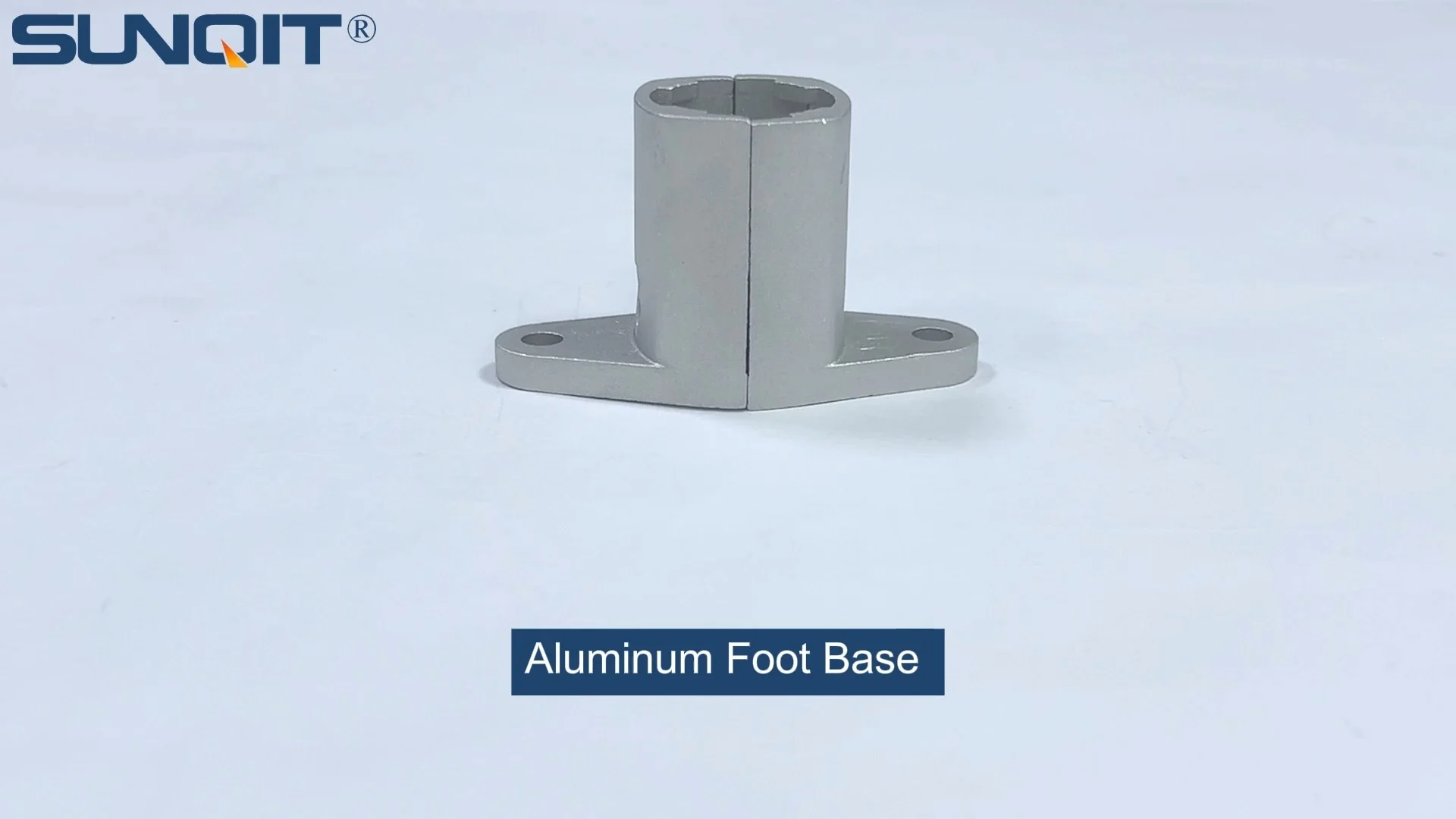
Aluminum Foot Base
Aluminum foot base to connect 28mm aluminum pipe and fixed it on the ground and prevent pipe fall and move.
The Unseen Battle: Noise in the Heart of Manufacturing
Walk into any busy production facility, and you'll immediately notice it—the constant hum, clatter, and rumble of machinery. Conveyors, in particular, are often the unsung heroes of the factory floor, tirelessly moving parts from one station to the next. But along with their efficiency comes a hidden cost: noise. For workers standing near these systems day in and day out, that noise isn't just an annoyance. It's a persistent stressor that chips away at focus, communication, and even long-term hearing health.
Consider Maria, a line operator at a mid-sized electronics plant. For eight hours a day, she stands beside a conveyor belt that transports circuit boards to her workstation. The metal rollers grind against the frame, the motor vibrates against the concrete floor, and the constant din makes it hard to hear her colleague's instructions across the line. By the end of her shift, her ears ring, her concentration wanes, and she often leaves feeling mentally drained. "It's not just the noise itself," she says. "It's knowing I can't fully relax, even for a minute, because it never stops."
Maria's experience is far from unique. Studies show that prolonged exposure to noise levels above 85 decibels (dB)—common in many factories with unoptimized conveyors—can lead to permanent hearing damage, increased blood pressure, and higher rates of workplace errors. In fact, the Occupational Safety and Health Administration (OSHA) estimates that noise-induced hearing loss is one of the most prevalent occupational illnesses in the U.S., affecting millions of workers annually. For manufacturers, this translates to higher turnover, increased workers' compensation claims, and a workforce that's less engaged and productive.
Why Conveyors Are So Noisy: The Root Causes
To solve a problem, you first need to understand it. So why are conveyors such significant noise generators? Let's break it down. At their core, conveyors rely on movement—rollers spinning, belts sliding, motors running—and where there's movement, there's friction. But the biggest culprit often isn't the conveyor itself; it's what's holding it up: the base.
Many older or budget-friendly conveyors use steel or plastic bases that lack proper vibration absorption. When the conveyor runs, motor vibrations travel through the frame and into the base, which then transfers that energy to the floor. This creates a domino effect: the floor vibrates, the conveyor shakes more, and metal components rattle against each other. Add in loose connections, worn-out rollers, or uneven flooring, and you've got a recipe for a noise level that can easily exceed 90 dB—louder than a lawnmower.
Another issue is material choice. Steel bases, while strong, are rigid and prone to amplifying vibrations. Plastic bases, on the other hand, may dampen noise initially but wear down quickly under heavy loads, leading to more movement and noise over time. What's needed is a solution that balances strength, flexibility, and vibration resistance—something that can stabilize the conveyor, absorb shocks, and reduce that constant clatter.

Enter Aluminum: A Quieter Foundation for Conveyors
This is where the aluminum foot base comes into play. Over the past decade, manufacturers have increasingly turned to aluminum as a material for conveyor components, and for good reason. Aluminum's unique properties—lightweight yet surprisingly strong, corrosion-resistant, and naturally dampening to vibrations—make it ideal for building quieter, more stable conveyor systems. When paired with aluminum lean pipe frames and accessories, aluminum foot bases create a foundation that doesn't just support the conveyor; it actively works to reduce noise at the source.
Unlike steel, which conducts and amplifies vibrations, aluminum has a natural ability to absorb and dissipate energy. Think of it like comparing a metal bell to a rubber mat: strike the bell, and it rings loudly; hit the mat, and the sound muffles. Aluminum foot bases act like that rubber mat for your conveyor, absorbing the vibrations from the motor and rollers before they can turn into noise. And because aluminum is resistant to rust and corrosion, it maintains this performance even in humid or dusty factory environments, where steel might start to degrade and rattle over time.
But the benefits don't stop at noise reduction. Aluminum's lightweight nature makes it easier to install and reconfigure, a boon for factories that need to adapt their production lines quickly. When combined with aluminum profile systems—modular, T-slot frames that can be customized with brackets, shelves, and guards—aluminum foot bases become part of a flexible infrastructure that grows with your needs. No more welding or heavy lifting; just simple, tool-free adjustments that keep your line running smoothly.

Design Matters: How Aluminum Foot Bases Cut Noise
Not all aluminum foot bases are created equal. The best designs incorporate specific features to target the root causes of conveyor noise. Let's take a closer look at what makes these bases so effective:
Vibration-Dampening Construction
High-quality aluminum foot bases are engineered with thickness in mind. A base that's too thin might flex under the conveyor's weight, increasing vibration. Look for bases with a minimum thickness of 6mm, which provides the rigidity needed to stabilize the conveyor while still allowing the aluminum to absorb shocks. Some manufacturers even add a layer of rubber or foam padding between the base and the floor, creating an extra barrier against vibration transfer.
Anti-Slip, Anti-Rattle Design
Ever noticed how a loose table leg makes more noise than a tight one? The same principle applies to conveyors. Aluminum foot bases often feature rubberized or textured bottoms that grip the floor, preventing the conveyor from shifting or sliding during operation. This eliminates the "rattling" sound caused by movement between the base and the floor. Additionally, precision-machined connections between the base and the conveyor frame ensure a snug fit, so there's no space for metal components to knock against each other.
Compatibility with Roller Track Systems
Conveyor noise isn't just about the base—it's also about how the parts move. Many modern conveyors use roller tracks to guide products along the line. When these tracks are poorly supported, the rollers can vibrate or misalign, creating a (cì'ěr de—sharp, piercing) grinding noise. Aluminum foot bases are designed to work seamlessly with roller track systems, providing a stable platform that keeps rollers aligned and moving smoothly. The result? Less friction, fewer jams, and a quieter, more efficient flow of materials.
Integration with Mobility Solutions
Some conveyors need to be mobile, whether for cleaning, maintenance, or reconfiguration. In these cases, adding caster wheels to the aluminum foot base might seem counterintuitive—after all, wheels could introduce more movement and noise. But quality aluminum foot bases solve this by using heavy-duty, shock-absorbing caster wheels with rubber tires. These wheels glide smoothly over the floor, reducing rolling resistance and eliminating the "clacking" sound of metal wheels on concrete. When the conveyor needs to stay put, locking mechanisms on the casters ensure it stays stable, so you get the best of both worlds: mobility and quiet.

From Noise to Quiet: A Factory's Transformation Story
To truly understand the impact of aluminum foot bases, let's step into the shoes of Green Valley Manufacturing, a automotive parts supplier that was struggling with noise issues on its main assembly line. For years, the line's steel-based conveyors had been a source of frustration. Workers complained of headaches and difficulty communicating, and the plant's noise level often spiked above 95 dB during peak hours—well above OSHA's recommended limit. Turnover was high, and errors were creeping in as focus waned.
In 2023, Green Valley decided to invest in a solution: replacing their steel bases with aluminum foot bases, paired with aluminum lean pipe frames and roller track systems. The results were dramatic. Within weeks, the noise level dropped to 72 dB—quieter than a busy office—and workers noticed an immediate difference. "It's like night and day," says Juan, a veteran line supervisor. "Before, I had to yell to be heard across the line. Now, we can talk normally, and people aren't going home with ringing ears. It's made the whole place feel calmer, more focused."
| Metric | Before Aluminum Foot Bases | After Aluminum Foot Bases | Improvement |
|---|---|---|---|
| Average Noise Level (dB) | 95 dB | 72 dB | 24% reduction |
| Worker Complaints (per month) | 12 | 2 | 83% reduction |
| Error Rate (per 1000 parts) | 8.5 | 5.2 | 39% reduction |
| Turnover Rate (quarterly) | 15% | 7% | 53% reduction |
But the benefits went beyond noise. With the new aluminum system, Green Valley found it easier to reconfigure the line for new product runs. The modular aluminum profiles allowed them to add extra shelves and tool holders without welding, and the lightweight bases made moving sections of the conveyor a two-person job instead of a four-person one. "We used to spend a full day reconfiguring the line," Juan adds. "Now, we can do it in a morning. That's time we're putting back into production."
Installing and Maintaining Your Aluminum Foot Base
Adding aluminum foot bases to your conveyor system is a straightforward process, but a little planning goes a long way. Here's how to ensure a smooth installation and keep your bases performing at their best:
Installation Tips
Start by assessing your floor. Uneven floors can cause the conveyor to rock, increasing noise even with a good base. Use a level to check for slopes, and shim the base with thin aluminum plates if needed—this ensures the conveyor sits flat and stable. When attaching the base to the conveyor frame, use lock washers or thread-locking adhesive to prevent bolts from loosening over time; loose bolts are a common source of rattling noise.
If your conveyor uses caster wheels, make sure the locking mechanisms are engaged when the system is in use. Even a slightly unlocked caster can cause the conveyor to shift, creating unnecessary noise. And don't forget to leave a small gap between the base and any walls or other equipment—this prevents vibrations from transferring to adjacent structures.
Maintenance Made Simple
Aluminum foot bases are low-maintenance, but regular checks will keep them quiet and effective. Every month, inspect the bases for signs of wear: look for cracks in the aluminum, loose bolts, or damage to rubber padding. Clean the bases with a damp cloth to remove dust and debris, which can act as abrasives and increase friction. If you notice the conveyor starting to make more noise, check the roller track alignment—misaligned rollers can put extra stress on the base, leading to vibration.
For caster wheels, lubricate the axles every three months to keep them rolling smoothly. replace worn rubber tires immediately; a cracked tire can cause uneven movement and increased noise. And if you're reconfiguring the line, take the time to realign the bases—even a small shift can undo all your noise-reduction efforts.
Beyond Noise: The Ripple Effects of a Quieter Line
Reducing conveyor noise with aluminum foot bases isn't just about making the factory a nicer place to work—it's about improving your bottom line. Quieter lines lead to happier, more focused workers, which translates to fewer errors and higher productivity. Studies show that workers in low-noise environments are 15-20% more productive than those in noisy ones, and they take fewer sick days. For Green Valley, that meant an extra 500 parts produced per week and a 25% drop in defective products.
There's also the matter of compliance. OSHA sets strict limits on workplace noise, and exceeding them can result in fines or legal action. By investing in aluminum foot bases, you're not just avoiding penalties—you're showing your team that their health and well-being matter. That kind of commitment builds loyalty and reduces turnover, saving you the cost of hiring and training new employees.
And let's not forget sustainability. Aluminum is 100% recyclable, and using it reduces your reliance on steel, which has a higher carbon footprint. Many aluminum profile suppliers also use recycled materials in their products, so you can feel good about reducing your environmental impact while improving your line.
Choosing the Right Partner: What to Look for in a Supplier
Ready to invest in aluminum foot bases? The key is finding a supplier who understands both the technical and human sides of conveyor noise. Here's what to look for:
Quality Materials: Ensure the supplier uses high-grade aluminum (6061-T6 is a common choice for its strength and corrosion resistance) and sources components from reputable manufacturers. Ask for material certifications to verify quality.
Customization Options: Every factory is different, so your supplier should offer bases in various sizes and configurations to fit your conveyor model. Look for suppliers who can also provide aluminum lean pipe, roller track, and caster wheels, as using components from the same manufacturer ensures compatibility.
Technical Support: A good supplier will help you design the right system for your needs, not just sell you parts. Ask if they offer on-site assessments or noise testing to identify problem areas and recommend solutions.
Warranty and Service: Look for a warranty of at least one year on aluminum foot bases—this shows the supplier stands behind their product. Check if they offer repair or replacement services, and how quickly they can respond to issues.
The Quiet Revolution: Investing in Your Team, Your Line, Your Future
At the end of the day, aluminum foot bases are more than just a piece of hardware. They're an investment in the people who keep your factory running—people like Maria, who deserves to work in an environment that supports her health and focus. They're an investment in your production line, ensuring it runs smoothly, quietly, and efficiently for years to come. And they're an investment in your future, building a foundation that adapts and grows with your business.
So the next time you walk through your factory, listen closely. Is that conveyor noise a minor annoyance, or a sign that your team and your bottom line are paying a hidden cost? With aluminum foot bases, aluminum lean pipe, and a commitment to quieter, smarter manufacturing, you can turn that noise into silence—and silence into success.