- Company Articles
- Products and Technology
- Product knowledge
- Aluminum Foot Base for Flexible Workstations: Quick-Change Compatibility

Aluminum Foot Base for Flexible Workstations: Quick-Change Compatibility
Related Product
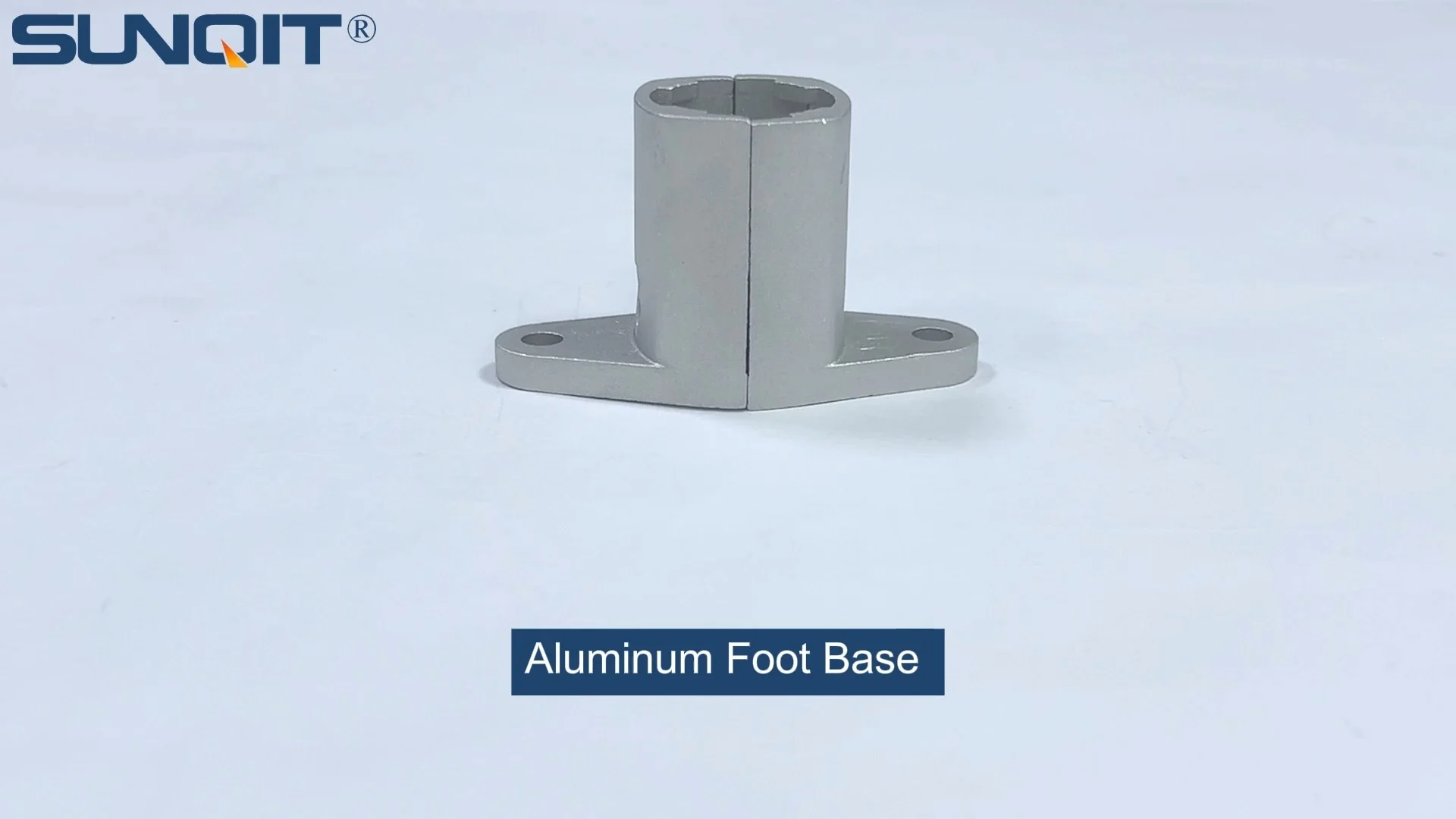
Aluminum Foot Base
Aluminum foot base to connect 28mm aluminum pipe and fixed it on the ground and prevent pipe fall and move.
In the fast-paced world of modern manufacturing and logistics, the ability to adapt quickly isn't just a luxury—it's a necessity. Production lines shift, product demands fluctuate, and workspace needs evolve overnight. At the heart of this adaptability lies the humble workstation, a cornerstone of efficiency that often goes unnoticed until it becomes a bottleneck. But what if the key to unlocking a workstation's full potential wasn't in its flashy gadgets or high-tech tools, but in a small, unassuming component that keeps it grounded? Enter the aluminum foot base: a quiet hero that transforms rigid workspaces into dynamic, flexible environments capable of keeping up with the chaos of today's operations.
If you've ever walked through a busy factory floor or a bustling warehouse, you've likely seen workstations, material racks, and turnover trolleys in action. What you might not have noticed is what's holding them up—their foot bases. These unobtrusive components are the foundation of stability, (supporting) heavy loads, absorbing vibrations, and ensuring that every piece of equipment stays exactly where it needs to be. But traditional foot bases, often made of steel or plastic, come with a hidden cost: inflexibility. When production needs change, reconfiguring a workstation with a fixed steel foot base can take hours of labor, specialized tools, and even downtime—precious resources that no operation can afford to waste.
This is where the aluminum foot base shines. Designed with modularity and quick-change compatibility in mind, it's not just a support structure; it's a catalyst for agility. Whether you're setting up a new assembly line, retooling a workbench for a new product, or adjusting a material rack to accommodate larger inventory, an aluminum foot base adapts in minutes, not hours. It's a small component with a big impact, embodying the principles of lean system thinking by eliminating waste, reducing downtime, and empowering teams to focus on what truly matters: creating value.
What Is an Aluminum Foot Base, and Why Does It Matter?
At its core, an aluminum foot base is a modular support component designed to anchor workstations, material racks, and other industrial equipment to the ground. But to call it "just a foot base" would be like calling a smartphone "just a phone"—it's so much more than the sum of its parts. Crafted from high-grade aluminum alloys (typically 6061-T6, known for its strength-to-weight ratio and corrosion resistance), these foot bases are engineered for both durability and flexibility. They come in various shapes and sizes, from simple flat bases to adjustable models with built-in leveling feet, and are designed to integrate seamlessly with aluminum profiles—the building blocks of modern modular workspaces.
So why aluminum? Unlike steel, which is heavy and prone to rust, aluminum is lightweight, naturally resistant to corrosion, and easy to machine. This makes aluminum foot bases ideal for environments where moisture, chemicals, or frequent movement are part of the daily routine. And unlike plastic, which can warp under heavy loads or degrade in extreme temperatures, aluminum offers the structural integrity needed to support everything from a lightweight workbench to a fully loaded material rack. It's the perfect middle ground: strong enough to endure the rigors of industrial use, yet lightweight enough to make reconfiguration a one-person job.
But what truly sets aluminum foot bases apart is their focus on quick-change compatibility. In the world of modular workspaces, compatibility is king. Most modern industrial equipment—from workbenches to aluminum extrusion profile frames—uses T-slot aluminum profiles, which feature grooves (or "T-slots") along their length. These slots allow accessories like brackets, shelves, and yes, foot bases, to be attached and adjusted without welding or drilling. Aluminum foot bases are designed to slide into these T-slots, secured with simple fasteners that can be tightened or loosened with basic hand tools. This means that if you need to raise a workbench by a few inches to improve ergonomics, or shift a material rack a foot to the left to make room for a new conveyor, you can do it in minutes. No cutting, no welding, no waiting for a maintenance crew—just a few turns of a wrench, and you're back in business.
Design Features: The Secret to Quick-Change Compatibility
To understand why aluminum foot bases are so adaptable, let's take a closer look at their design features. These aren't just generic metal blocks; they're precision-engineered components with thoughtful details that make quick changes possible. Here are the key elements that set them apart:
Modular T-Slot Integration
The backbone of quick-change compatibility is the T-slot system, and aluminum foot bases are built to work with it flawlessly. Most models feature a base plate with pre-drilled holes or built-in T-nuts that align with the T-slots on aluminum profiles. This allows the foot base to be attached at any point along the profile, giving you complete freedom to position it exactly where you need it. For example, if you're building a workbench using a 4040 aluminum profile frame, you can slide the foot base into the T-slot at the bottom of each leg, adjust its position to ensure the bench is level, and secure it with a hex bolt. If later you decide to add a shelf to the bottom of the bench, you can simply loosen the bolt, slide the foot base down a few inches to make space, and retighten—no need to disassemble the entire frame.
Adjustable Height and Leveling
Uneven floors are a reality in most industrial settings, and a wobbly workstation is more than just an annoyance—it's a safety hazard. Aluminum foot bases address this with built-in adjustable leveling feet. These feet, often made of durable rubber or nylon, screw into the bottom of the foot base, allowing you to raise or lower each corner of the workstation independently. Need to compensate for a floor that slopes by half an inch? Simply twist the leveling foot until the workstation is stable. This adjustability isn't just about stability, though; it's also about ergonomics. Workers come in all heights, and a workbench that's too low or too high can lead to fatigue, discomfort, and even injury. With an aluminum foot base, you can tweak the height of the workstation to match the needs of each operator, reducing strain and boosting productivity.
Lightweight yet Heavy-Duty Construction
Aluminum's biggest advantage over steel is its weight. A typical aluminum foot base weighs 30-50% less than a steel base of the same size, making it easy to handle during installation and reconfiguration. This is a game-changer for teams that need to move equipment frequently—imagine repositioning a material rack with four steel foot bases versus four aluminum ones; the latter can often be done by a single person, while the former might require a team and a dolly. But don't let the lightweight fool you: aluminum foot bases are built to last. High-grade aluminum alloys like 6061-T6 have a tensile strength of around 45,000 psi, meaning they can support loads of up to 1,000 pounds or more per base (depending on size and design). This makes them suitable for everything from light-duty workbenches to heavy-duty material racks loaded with tools, parts, or finished products.
Corrosion Resistance and Low Maintenance
Industrial environments are tough on equipment. Moisture, oils, chemicals, and even humidity can take a toll on metal components over time, leading to rust, degradation, and eventual failure. Aluminum, however, forms a natural oxide layer when exposed to air, which acts as a barrier against corrosion. This means aluminum foot bases can withstand damp warehouses, chemical processing plants, and outdoor loading docks without rusting or weakening. Unlike steel, which requires regular painting or coating to prevent corrosion, aluminum foot bases need little more than an occasional wipe-down with a damp cloth to stay in top shape. This low maintenance saves time and money in the long run, ensuring that your foot bases keep working as hard as you do, year after year.

The Benefits of Quick-Change Compatibility: More Than Just Speed
At first glance, "quick-change compatibility" might sound like a feature that saves time—and it does. But its benefits run much deeper, touching on productivity, cost savings, safety, and even employee satisfaction. Let's break down how an aluminum foot base transforms not just workstations, but entire operations:
Reduced Downtime, Increased Productivity
In manufacturing, downtime is the enemy. Every minute a production line is idle costs money—labor costs, missed deadlines, lost revenue. Traditional foot bases, with their fixed bolts and welded connections, can turn a simple reconfiguration into a half-day project. An aluminum foot base, by contrast, cuts that time to minutes. For example, suppose a team needs to retool a workbench from assembling small electronics to larger appliances. With a steel foot base, they might need to unbolt the entire bench, move it, drill new holes in the floor, and re-secure it—a process that could take 2-3 hours. With an aluminum foot base, they loosen the T-slot bolts, adjust the height and position, retighten, and they're back to work in 20 minutes. Over a year, those saved hours add up to thousands of dollars in recovered productivity.
Empowered Teams and Better Ergonomics
When reconfiguring a workstation is easy, teams are more likely to do it. This might seem like a small point, but it has a big impact on ergonomics. Workers are more likely to adjust their workbench height to fit their body, or reposition a material rack to reduce bending and reaching, if they can do it themselves without waiting for maintenance. The result? Happier, healthier employees with fewer injuries and less fatigue. In one study by the Occupational Safety and Health Administration (OSHA), companies that implemented ergonomic workstations saw a 25% reduction in musculoskeletal disorders and a 15% increase in productivity—proof that small adjustments lead to big results.
Cost Savings Over Time
Aluminum foot bases may have a slightly higher upfront cost than plastic ones, but they more than make up for it in longevity and versatility. Steel foot bases, while durable, are heavy and prone to rust, meaning they need to be replaced more often in harsh environments. Plastic foot bases, on the other hand, can warp under heavy loads or degrade in UV light. Aluminum foot bases, with their corrosion resistance and structural integrity, last for decades. Plus, their modular design means they can be reused when equipment is upgraded or replaced. A foot base from an old workbench can be repurposed for a new material rack, saving on replacement costs. Over the lifecycle of the equipment, aluminum foot bases often end up being the most cost-effective choice.
Flexibility for Changing Needs
The modern workplace isn't static. A warehouse that stores small parts one month might need to accommodate large pallets the next. A manufacturing plant might shift from batch production to continuous flow. Aluminum foot bases make it easy to pivot with these changes. For example, a company that produces seasonal products can quickly reconfigure its assembly line in weeks (or even days) instead of months, allowing it to capitalize on market trends. A startup with limited space can start with a few workbenches and expand as it grows, using the same foot bases for new equipment. In short, aluminum foot bases turn "we can't" into "we can—easily."

Applications: Where Aluminum Foot Bases Make the Biggest Difference
Aluminum foot bases aren't just for workstations—they're versatile enough to enhance nearly any modular industrial setup. Here are some of the most common applications where their quick-change compatibility shines:
Workbenches: The Heart of the Workshop
Workbenches are where the magic happens—assembly, repair, testing, and packaging all take place here. A well-designed workbench should be stable, adjustable, and easy to reconfigure. Aluminum foot bases are the perfect partner for this. Take the Workbench E (single deck-without caster) mentioned in industrial catalogs—a simple, sturdy workbench used in everything from electronics assembly to woodworking. Equipped with aluminum foot bases, this workbench can be adjusted for height (to suit tall and short workers), leveled on uneven floors, and even moved to a new location if needed. If the team needs to add a shelf, a tool rail, or a lighting fixture, the foot bases keep the bench stable while the rest of the frame is modified. It's a workbench that grows with the team, not against it.
Material Racks: Organizing Inventory with Ease
Material racks, like the Material Rack B (3 row and 3 floor), are essential for keeping inventory organized and accessible. But as inventory levels change, so do rack needs. A rack that's perfect for small parts might need to be taller, wider, or sturdier for larger items. Aluminum foot bases make adjusting these racks a breeze. For example, if a warehouse starts stocking bulkier items, the team can add extra foot bases to the rack for stability, or adjust the existing ones to raise the rack off the ground for easier forklift access. The T-slot compatibility means the foot bases can be positioned exactly where the weight is heaviest, preventing tipping and ensuring safety. And when the inventory mix changes again, the rack can be reconfigured just as easily.
Turnover Trolleys: Mobile Solutions with Stability
Turnover trolleys are the workhorses of logistics, moving parts and products between stations. While trolleys typically have casters for mobility, they still need stable foot bases to prevent tipping when loaded. Aluminum foot bases, paired with locking casters, offer the best of both worlds: easy movement when needed, rock-solid stability when parked. For example, a trolley used to transport delicate electronics can be equipped with aluminum foot bases that absorb vibrations, protecting the cargo. When the trolley reaches its destination, the casters lock, and the foot bases take over, ensuring the trolley doesn't roll or shift during unloading. And if the trolley needs to be repurposed for heavier loads, the foot bases can be swapped for heavier-duty models in minutes.
Lean Manufacturing Cells: Adapting to Continuous Improvement
Lean manufacturing cells are all about eliminating waste and improving flow. These cells are designed to be dynamic, with equipment that can be adjusted as processes are optimized. Aluminum foot bases fit perfectly into this philosophy. For example, a cell producing automotive parts might start with a linear layout, but after a kaizen event, the team realizes a U-shaped layout would reduce movement. With aluminum foot bases, reconfiguring the workstations, material racks, and conveyors into a U-shape takes hours instead of days. The quick-change compatibility allows the team to test new layouts, make adjustments, and implement improvements without disrupting production for long periods.

Aluminum Foot Base vs. Traditional Alternatives: A Comparison
To truly appreciate the value of aluminum foot bases, it helps to compare them with the alternatives. Here's how they stack up against steel and plastic foot bases in key categories:
| Feature | Aluminum Foot Base | Steel Foot Base | Plastic Foot Base |
|---|---|---|---|
| Material | Aluminum alloy (6061-T6) | Mild steel or stainless steel | Polypropylene or PVC |
| Weight (per unit) | 2-5 lbs (lightweight) | 5-10 lbs (heavy) | 1-3 lbs (lightest) |
| Load Capacity | 500-1,000 lbs (high) | 1,000-2,000 lbs (highest) | 200-500 lbs (low) |
| Corrosion Resistance | Excellent (natural oxide layer) | Fair (prone to rust unless coated) | Good (resistant to moisture, but degrades in chemicals) |
| Quick-Change Compatibility | High (T-slot integration, tool-less adjustment) | Low (fixed bolts, welded connections) | Medium (some T-slot compatibility, but less durable) |
| Cost (Upfront) | Moderate ($15-30 per base) | High ($25-50 per base) | Low ($5-15 per base) |
| Cost (Lifecycle) | Low (long lifespan, reusable) | Moderate (prone to rust, replacement needed sooner) | High (wears out quickly under heavy use) |
| Best For | Modular workspaces, lean environments, frequent reconfiguration | Heavy static loads, non-corrosive environments | Light-duty, temporary setups, dry environments |
As the table shows, aluminum foot bases strike a balance between strength, flexibility, and cost that makes them ideal for most modern industrial settings. They may not have the raw load capacity of steel, but for the majority of applications—workbenches, material racks, trolleys—they're more than capable. And when compared to plastic, their durability and reusability make them a smarter long-term investment.
Installation Guide: How to Set Up Your Aluminum Foot Base
Installing an aluminum foot base is surprisingly simple—even if you're not a seasoned DIYer or maintenance tech. Here's a step-by-step guide to get you started:
Tools You'll Need
- Hex key set (most T-slot bolts use 4mm, 5mm, or 6mm hex keys)
- Level (to ensure the workstation is even)
- Tape measure (for positioning)
- Rubber mallet (optional, for gently tapping the foot base into place)
- Clean cloth (to wipe down aluminum profiles and foot bases)
Step 1: Prepare the Aluminum Profile Frame
Start by assembling the frame of your workstation, material rack, or trolley using aluminum profiles. Make sure the frame is square and the T-slots are clean and free of debris. If the profiles are new, wipe them down with a clean cloth to remove any dust or oil from manufacturing.
Step 2: Position the Foot Bases
Place the aluminum foot bases at the bottom of each leg of the frame. For stability, position them as close to the corners as possible. If your foot bases have adjustable leveling feet, make sure the leveling screws are retracted (i.e., the foot base is at its shortest height) to make positioning easier.
Step 3: Align with T-Slots
Slide the foot base into the T-slot at the bottom of the aluminum profile. Most foot bases have a T-nut or a sliding block that fits into the T-slot, allowing you to adjust the position along the profile. Move the foot base until it's centered on the leg and aligned with the other foot bases (use a tape measure to ensure equal spacing if needed).
Step 4: Secure the Foot Base
Once the foot base is in position, insert a hex bolt through the pre-drilled hole in the foot base and into the T-nut/sliding block inside the T-slot. Tighten the bolt with a hex key until it's snug—don't overtighten, as this can strip the threads or warp the aluminum profile. Repeat this process for all foot bases.
Step 5: Level the Workstation
Place a level on top of the workstation or rack. If it's not level, adjust the leveling feet on the aluminum foot bases. Turn the leveling screw clockwise to lower the foot base, or counterclockwise to raise it. Check the level again, and make adjustments until the workstation is perfectly even. This step is crucial for stability and safety—an unlevel workstation can wobble, leading to accidents or damage to equipment.
Step 6: Test Stability
Once the foot bases are secured and the workstation is level, give it a gentle shake to test stability. It should feel solid, with no wobbling or shifting. If it moves, double-check the bolts to make sure they're tight, and ensure the leveling feet are making full contact with the floor. For extra peace of mind, you can add a small load to the workstation (e.g., a few boxes or tools) and test again.
Pro Tips for Success
- Use thread-locking fluid on bolts if the workstation will be subject to vibrations (e.g., near a conveyor). This prevents the bolts from loosening over time.
- For outdoor use or corrosive environments, choose foot bases with anodized aluminum finishes—this adds an extra layer of protection against rust and wear.
- When reconfiguring, keep track of which foot bases go with which equipment. Aluminum foot bases are reusable, so labeling them can save time later.
Maintenance: Keeping Your Aluminum Foot Bases in Top Shape
Aluminum foot bases are low-maintenance, but a little care goes a long way in extending their lifespan. Here's how to keep them working like new:
Regular Inspection
Inspect your foot bases monthly for signs of wear or damage. Check for loose bolts, bent plates, or cracks in the aluminum. If you notice any issues, tighten the bolts or replace the foot base immediately—don't wait for it to fail. Also, check the leveling feet for wear; if the rubber or nylon pads are cracked or worn, replace them to maintain stability.
Cleaning
Dirt, oil, and debris can build up in the T-slots and around the foot base bolts, making adjustments difficult. Clean the foot bases and T-slots quarterly with a damp cloth and mild detergent. For stubborn grime, use a soft-bristled brush to scrub the T-slots. Avoid harsh chemicals like bleach or abrasive cleaners, as these can damage the aluminum finish.
Lubrication
If your foot bases have adjustable leveling feet, lubricate the threads annually with a light machine oil (e.g., 3-in-1 oil). This makes adjusting the height smoother and prevents the threads from seizing up. Wipe off any excess oil to avoid attracting dust.
Handling and Storage
When removing foot bases for reconfiguration or storage, handle them with care. Aluminum is strong, but it can bend if dropped or stepped on. Store foot bases in a dry, clean area—avoid leaving them on the floor where they can get damaged or dirty. If storing for long periods, consider wrapping them in a clean cloth to prevent dust buildup.
Future Trends: What's Next for Aluminum Foot Bases?
As industrial workspaces continue to evolve, so too will the components that power them. Here are a few trends to watch for in aluminum foot base design:
Smart Height Adjustment
Imagine a foot base that can adjust its height automatically based on the user's preferences or the task at hand. While this is still in the early stages, some manufacturers are experimenting with electric or pneumatic aluminum foot bases that can be controlled via a smartphone app or a foot pedal. This would take ergonomics to the next level, allowing workers to adjust their workbench height with the touch of a button—no tools required.
Integrated Sensors
Sensors embedded in aluminum foot bases could monitor load capacity, temperature, and vibration, alerting maintenance teams to potential issues before they become problems. For example, a sensor might detect that a foot base is carrying more weight than its rated capacity, triggering an alert to redistribute the load. Or it could sense excessive vibration, indicating that a leveling foot is loose. This predictive maintenance would reduce downtime and extend the lifespan of equipment.
Sustainable Materials
As sustainability becomes a priority for more companies, aluminum foot bases may be made from recycled aluminum or paired with eco-friendly leveling feet (e.g., made from recycled rubber). Manufacturers are also exploring ways to reduce waste in production, such as using 3D printing for custom foot base designs, which minimizes material usage.
Enhanced Compatibility
While aluminum foot bases already work well with T-slot profiles, future designs may expand compatibility to other modular systems, such as wooden workbenches or plastic racks. This would make them even more versatile, allowing companies to mix and match materials without sacrificing flexibility.
Conclusion: The Foundation of Flexible Workspaces
In the grand scheme of industrial equipment, aluminum foot bases might seem like small potatoes. But as we've explored, they're anything but. These unassuming components are the foundation of flexible workspaces, enabling quick changes, reducing downtime, and empowering teams to adapt to whatever the future throws their way. They embody the principles of the lean system by eliminating waste—not just of time and labor, but of potential. With an aluminum foot base, a workstation isn't just a piece of furniture; it's a tool for innovation, a canvas for creativity, and a partner in productivity.
Whether you're running a small workshop or a large manufacturing plant, the message is clear: don't overlook the basics. The right foot base can transform your workspace from a static liability into a dynamic asset. It can turn "we can't" into "we can," "this will take hours" into "this will take minutes," and "good enough" into "perfect for what we need—today, tomorrow, and next year."
So the next time you walk through your facility, take a moment to look down. What's holding up your workstations? If it's a rusty steel foot base or a flimsy plastic one, maybe it's time for an upgrade. An aluminum foot base might be small, but its impact is huge. It's not just a support structure—it's a step forward. And in today's fast-paced world, that's exactly what you need to stay ahead.