- Company Articles
- Products and Technology
- Product knowledge
- Aluminum Foot Base for Material Rack B: Anti-Slip Design Features

Aluminum Foot Base for Material Rack B: Anti-Slip Design Features
Related Product
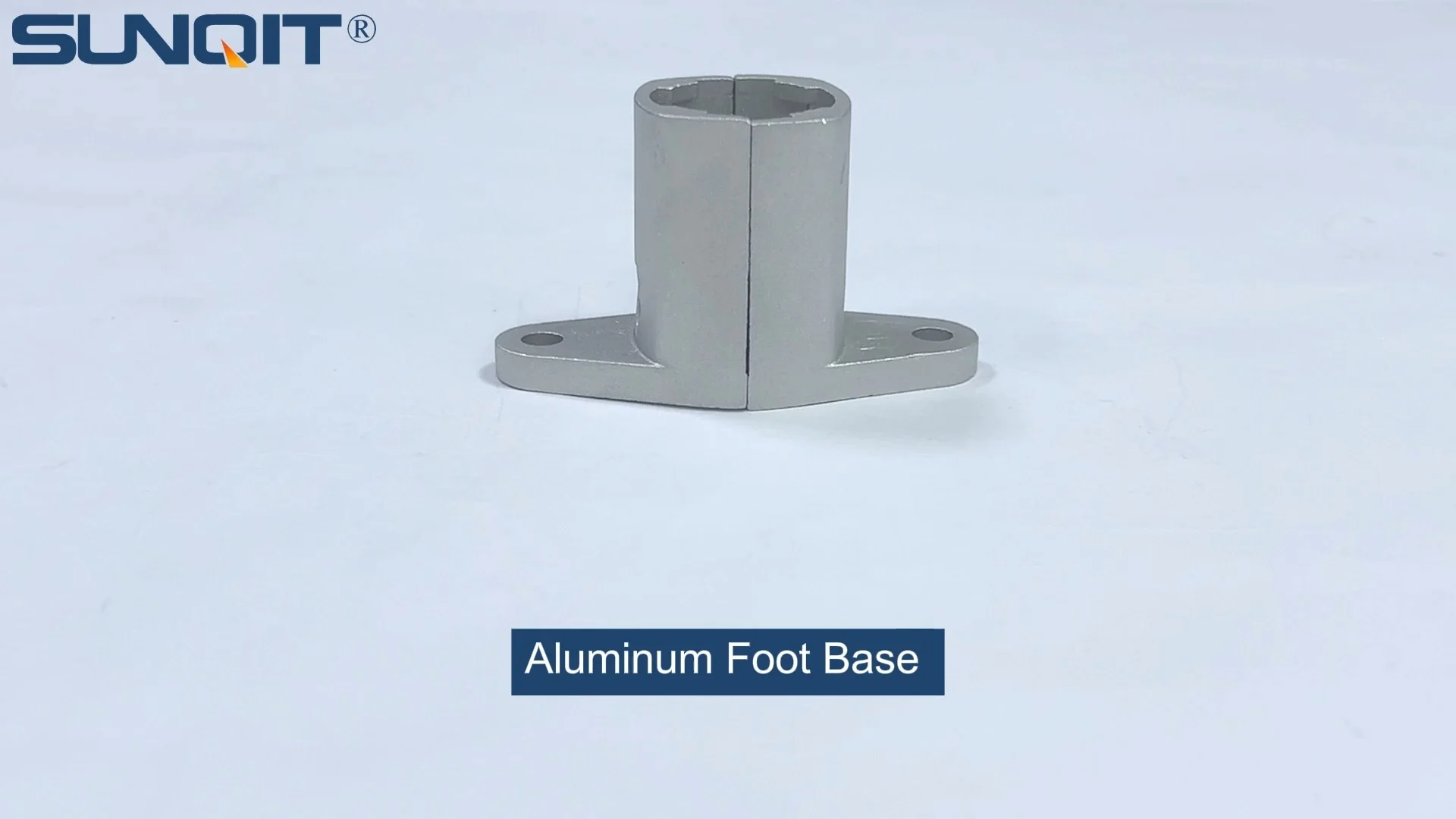
Aluminum Foot Base
Aluminum foot base to connect 28mm aluminum pipe and fixed it on the ground and prevent pipe fall and move.
Walk into any manufacturing plant, warehouse, or distribution center, and you'll notice a silent workhorse keeping operations running smoothly: the Material Rack B (3 row and 3 floor). Sturdy, reliable, and designed to maximize vertical space, this rack holds everything from raw materials to finished products, ensuring easy access and efficient inventory management. But what keeps this hardworking rack steady, even when loaded with heavy boxes or metal parts? It's the often-overlooked foundation: the aluminum foot base. Today, we're diving into the anti-slip design features that make this component critical for safety, stability, and long-term durability in busy industrial settings.
The Unsung Hero: Why Foot Bases Matter for Material Rack B
Material Rack B (3 row and 3 floor) is a staple in facilities where space is at a premium. With three rows and three levels, it's engineered to stack items vertically, reducing floor clutter and making it easier for workers to retrieve what they need without wasted movement. But here's the thing: even the strongest rack becomes a liability if it can't stay put. Uneven warehouse floors, accidental bumps from forklifts, or the sheer weight of stored items can cause racks to shift, wobble, or worse—tip over. That's where the aluminum foot base steps in. It's not just a "foot" for the rack; it's a stability system, designed to anchor the rack to the ground and prevent slipping, sliding, or tilting.
In busy environments, the consequences of a unstable rack are too high to ignore. A single shift could damage expensive inventory, disrupt production timelines, or—most critically—put workers at risk of injury. The aluminum foot base isn't an afterthought; it's a intentional design choice that prioritizes safety and operational continuity. Let's break down the anti-slip features that make it so effective.
Anti-Slip Design Features: How Aluminum Foot Bases Keep Racks Steady
1. Textured Aluminum Surface: Grip That Doesn't Quit
At first glance, the aluminum foot base might look like a simple flat plate—but look closer, and you'll notice a subtle, purposeful texture. Unlike smooth steel or plastic bases that can slide on concrete or polished floors, the aluminum surface here is treated with a fine, sandblasted pattern. This texture increases friction between the foot base and the floor, creating a "grip" that resists lateral movement. Think of it like the tread on a good pair of work boots: just as treads prevent slips on wet floors, the textured aluminum surface prevents the rack from sliding when bumped or when weight shifts inside.
But why aluminum? Aluminum is naturally resistant to corrosion, which is key in environments where floors might get wet (from spills, cleaning, or humidity). Unlike steel, it won't rust and degrade over time, so the textured surface stays intact for years. Even better, aluminum is lightweight enough to make installing or repositioning the rack manageable, but strong enough to support the weight of fully loaded Material Rack B units—often up to 1,500 pounds per level.
2. Adjustable Leveling Feet: Adapting to Imperfect Floors
No warehouse floor is perfectly flat. Over time, concrete can crack, settle, or develop small bumps—imperfections that might seem minor, but can throw a rack off balance. Enter the adjustable leveling feet , a critical accessory that works hand-in-hand with the aluminum foot base. These small but mighty components are threaded into the bottom of the foot base, allowing users to "level" the rack by screwing them in or out. By adjusting the height of each foot (typically by 1–2 inches), the rack can compensate for uneven floors, ensuring all four feet make solid contact with the ground.
But how does this contribute to anti-slip performance? When a rack is uneven, weight isn't distributed evenly across its feet. This creates "hot spots" where one foot bears more weight than the others, increasing the risk of tipping or sliding. Adjustable leveling feet eliminate this problem by ensuring the rack sits flat, so the textured aluminum surface of each foot base can do its job—gripping the floor with equal force from all sides. It's a simple solution, but one that makes a world of difference in real-world use.
3. Rubberized Anti-Slip Pads: Extra Traction for High-Risk Areas
For facilities with especially slippery floors (like those with polished concrete or frequent moisture), the aluminum foot base can be upgraded with rubberized anti-slip pads. These pads are attached to the bottom of the foot base (using industrial-strength adhesive that won't peel) and add an extra layer of friction. Made from a durable, oil-resistant rubber compound, they're designed to handle heavy loads without compressing or losing their grip.
Imagine a food processing plant where floors are regularly hosed down, or a automotive workshop where oil drips are common. In these settings, even textured aluminum might struggle—but with rubber pads, the foot base becomes nearly slip-proof. The rubber conforms slightly to the floor's texture, creating a seal that resists sliding. Plus, the pads act as a buffer, reducing noise when the rack is moved (a nice bonus in busy facilities where noise levels can be high).
4. Reinforced Edge Design: Preventing Accidental Dislodging
Another hidden feature of the aluminum foot base is its reinforced, slightly raised edges. The perimeter of the base is bent upward by about 5 degrees, creating a small lip that helps prevent accidental dislodging. Here's how it works: if a forklift or pallet jack brushes against the rack, the lip catches on the floor, redirecting the force upward rather than pushing the rack sideways. It's a subtle design tweak, but one that adds an extra layer of protection against the kind of minor collisions that happen daily in busy warehouses.

Aluminum Profile Accessories: Complementing the Foot Base for Total Stability
The aluminum foot base doesn't work alone. It's part of a larger ecosystem of aluminum profile accessories that ensure Material Rack B is as stable as possible. For example, the rack's vertical posts are made from heavy-duty aluminum extrusion profiles—hollow, rectangular tubes that are both lightweight and incredibly strong. These profiles connect to the foot base using internal rotary aluminum joints, which lock into place with a simple twist, creating a rigid connection that won't loosen over time.
Other accessories, like angle brackets and cross-braces, reinforce the rack's frame, distributing weight evenly from the top levels down to the foot bases. Even the way the rack is assembled plays a role: by using aluminum profile accessories that fit together precisely (no wobbly bolts or loose connections), the entire structure becomes a single, stable unit. When combined with the anti-slip foot base, these accessories create a system that can withstand the demands of daily use—from workers climbing to reach top shelves to the constant vibration of nearby machinery.

Comparing Foot Bases: Why Aluminum Beats Plastic and Steel
Not all foot bases are created equal. To understand why aluminum is the best choice for Material Rack B, let's compare it to common alternatives: plastic and steel.
| Feature | Aluminum Foot Base (with anti-slip design) | Plastic Foot Base | Steel Foot Base |
|---|---|---|---|
| Anti-Slip Performance | High: Textured surface + adjustable feet + optional rubber pads | Low: Smooth surface; prone to sliding on wet floors | Medium: Can be textured, but rusts over time, reducing grip |
| Durability | Excellent: Corrosion-resistant; lasts 10+ years | Poor: Can crack or warp under heavy loads; UV-sensitive | Good: Strong, but rusts in humid/wet environments |
| Weight | Lightweight: Easy to install/reposition | Lightest: But lacks strength for heavy racks | Heavy: Hard to move; increases shipping costs |
| Adjustability | High: Compatible with adjustable leveling feet | Low: Few options for leveling; threads strip easily | Medium: Can take leveling feet, but heavy weight makes adjustment hard |
| Cost-Effectiveness | High: Long lifespan offsets initial cost | Low upfront cost: But needs frequent replacement | Medium: High initial cost + maintenance (rust treatment) |
As the table shows, aluminum strikes the perfect balance between grip, durability, and practicality. Plastic might be cheaper, but it can't handle the weight of a fully loaded Material Rack B (3 row and 3 floor) and becomes slippery when wet. Steel is strong, but its weight makes installation a hassle, and rust can eat away at its anti-slip properties over time. Aluminum, with its anti-slip design features and compatibility with adjustable leveling feet and aluminum profile accessories , is the clear winner for long-term stability and safety.
Real-World Impact: How Aluminum Foot Bases Solved a Warehouse's Slipping Problem
Consider the case of a mid-sized electronics manufacturer in Ohio. Their production floor relied on 12 Material Rack B (3 row and 3 floor) units to store circuit boards and components. Initially, the racks were equipped with plastic foot bases—but within months, workers noticed a problem: whenever the floor was cleaned (which happened nightly), the plastic bases would slip, causing the racks to lean slightly. Over time, this leaning led to bent shelves and, once, a near-miss when a box of components fell onto a worker.
The solution? Upgrading to aluminum foot bases with textured surfaces and adjustable leveling feet. Within a week of installation, the slipping stopped. The maintenance team adjusted the leveling feet to account for a slightly sunken corner of the floor, and the textured aluminum surface kept the racks steady even when floors were wet. A year later, the plant manager reported zero incidents related to rack instability, and workers noted feeling more confident when retrieving items from the top shelves. "It's the little things that make a big difference," he said. "Those foot bases might not look like much, but they've made our floor safer and our operations smoother."

Installation and Maintenance: Keeping Your Aluminum Foot Base in Top Shape
Installing the Foot Base: A Quick Guide
Installing aluminum foot bases on Material Rack B is straightforward, but attention to detail ensures maximum anti-slip performance:
- Check the floor first: Before installing, sweep or vacuum the area to remove debris (small rocks or dirt can prevent the foot base from sitting flat).
- Adjust leveling feet: Screw the leveling feet into the foot base until they're flush with the bottom, then attach the base to the rack's posts using internal rotary aluminum joints.
- Level the rack: Place a bubble level on the bottom shelf. Adjust the leveling feet (screwing in to raise, out to lower) until the rack is perfectly level from front to back and side to side.
- Test for stability: Push gently on the rack from all sides. It should not wobble or shift. If it does, recheck the leveling feet or add rubber pads for extra grip.
Maintenance Tips: Making Your Foot Base Last
Aluminum foot bases are low-maintenance, but a little care goes a long way:
- Clean regularly: Wipe the textured surface with a damp cloth to remove oil, grease, or dust that could reduce friction.
- Inspect rubber pads: If using rubber anti-slip pads, check for wear or peeling every 6 months. replace them if they're cracked or losing adhesion.
- Tighten leveling feet: Over time, leveling feet can loosen slightly. Give them a gentle twist with a wrench every few months to ensure they're secure.
- Check for corrosion: While aluminum resists rust, harsh chemicals (like industrial cleaners) can damage it. If you notice discoloration, rinse with water and dry thoroughly.
Final Thoughts: The Aluminum Foot Base—Small Part, Big Impact
In the world of industrial storage, it's easy to focus on flashy features like ergonomic shelving or high-tech inventory tracking systems. But the real backbone of a safe, efficient warehouse lies in the details—the components you might not notice until they're missing. The aluminum foot base for Material Rack B (3 row and 3 floor) is one such detail: a simple, elegantly designed part that combines textured aluminum, adjustable leveling feet , and aluminum profile accessories to keep racks steady, workers safe, and operations running smoothly.
Whether you're setting up a new warehouse or upgrading existing equipment, don't overlook the importance of anti-slip foot bases. They might not make headlines, but they'll earn the gratitude of everyone who steps onto your facility floor—knowing that the racks holding their tools, materials, and products are built to stay put, no matter what the day brings.