- Company Articles
- Products and Technology
- Product knowledge
- Aluminum Foot Base for Material Rack B: Load Distribution Principles

Aluminum Foot Base for Material Rack B: Load Distribution Principles
Related Product
Aluminum Foot Base
Aluminum foot base to connect 28mm aluminum pipe and fixed it on the ground and prevent pipe fall and move.
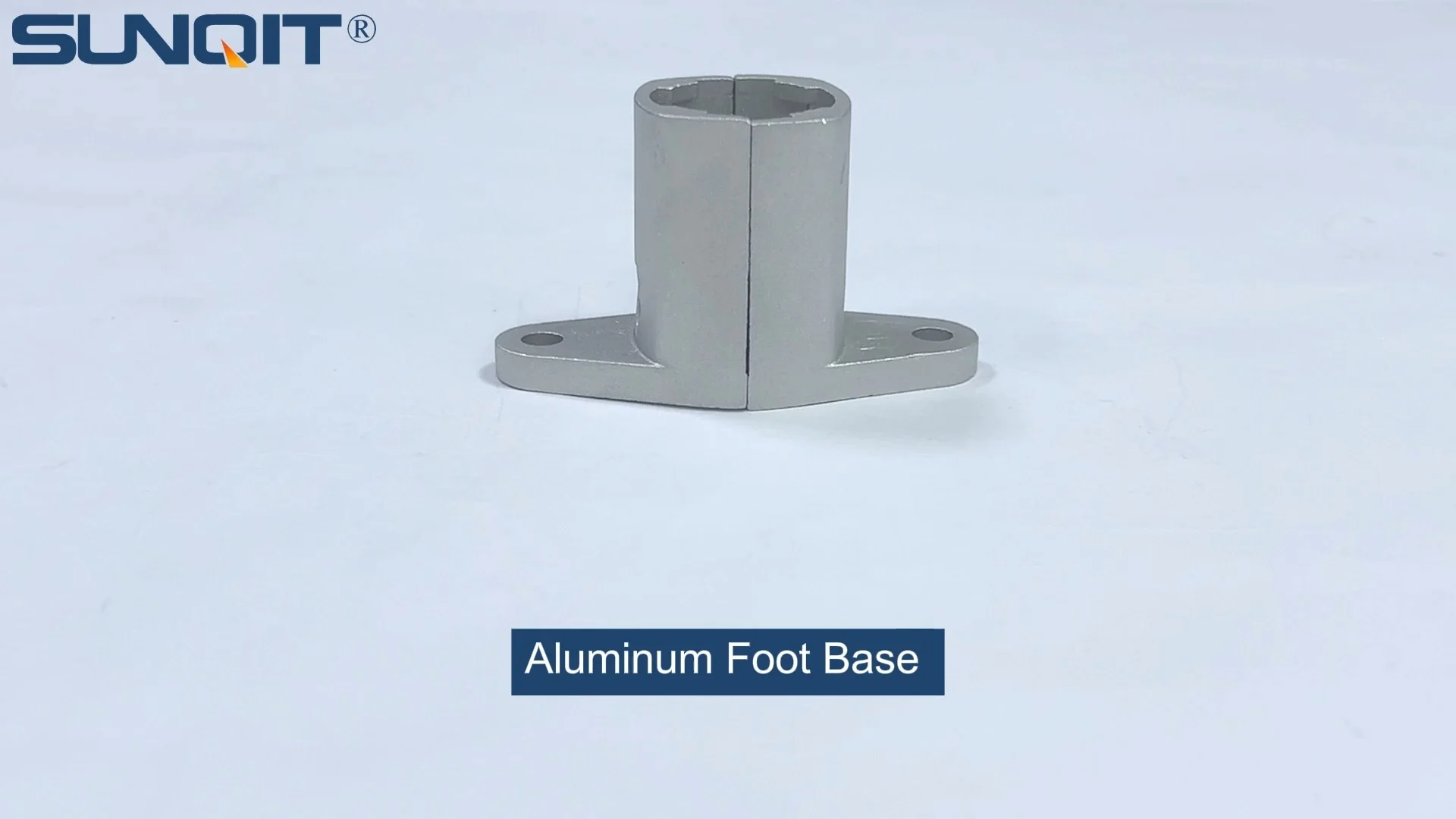
In the bustling rhythm of a production floor or warehouse, where every second counts and efficiency is king, there's an unsung hero quietly holding everything together: the material rack. These sturdy structures cradle components, organize tools, and keep workflows moving—but their reliability hinges on one often-overlooked detail: the base. Today, we're shining a spotlight on the Aluminum Foot Base , a critical component that ensures stability, safety, and longevity for one of the most common workhorses in industrial settings: the Material Rack B (3 row and 3 floor) . Whether you're managing a busy automotive parts depot or a precision electronics assembly line, understanding how aluminum foot bases distribute weight can transform how you approach rack design, installation, and maintenance. Let's dive in.
1. Meet Material Rack B (3 row and 3 floor): A Workhorse of Modern Warehouses
Before we explore the foot base, let's get to know the star of the show: Material Rack B (3 row and 3 floor) . Picture this: a freestanding rack with three vertical columns (rows) and three horizontal shelves (floors), typically constructed from durable materials like steel or aluminum. It's the kind of rack you'll find in factories storing everything from small plastic components to heavy metal parts, or in distribution centers organizing boxes for order fulfillment. Its design is deceptively simple—until you consider the weight it bears. A fully loaded 3x3 rack can hold hundreds, even thousands, of pounds of material. Without a solid foundation, that weight becomes a liability: racks wobble, shelves sag, and worst-case scenario, collapse. That's where the aluminum foot base steps in.
What makes Material Rack B so popular? Its versatility. The three rows and three floors offer ample storage without taking up excessive floor space, making it ideal for tight warehouses. But this compact design also means weight is concentrated in a smaller footprint, amplifying the need for precise load distribution. Enter the aluminum foot base: a seemingly small component that acts as the rack's "feet," bridging the gap between the rack's frame and the floor. It's not just about keeping the rack upright—it's about ensuring every pound of weight is spread evenly, preventing stress points and extending the rack's lifespan.
2. The Aluminum Foot Base: More Than Just a "Stand"
At first glance, an aluminum foot base might look like a simple metal plate or bracket. But its role is far more complex. Think of it as the rack's "shock absorber" and "weight distributor" rolled into one. Here's why it matters:
- Stability First: A rack without a secure base is a disaster waiting to happen. The aluminum foot base anchors the rack to the floor, preventing tipping even when shelves are unevenly loaded (though we'll get to why even loading is better later!).
- Load Transfer: When you stack boxes on the top shelf of Material Rack B, that weight doesn't just sit there—it travels down through the rack's vertical columns and into the foot base. The base's job is to spread that force evenly across the floor, so no single point bears too much pressure.
- Protection Against Wear: Floors aren't perfect. Concrete can crack, tiles can chip, and uneven surfaces can cause racks to rock. The foot base acts as a buffer, protecting both the rack and the floor from damage.
But why aluminum? Why not steel, plastic, or wood? Aluminum checks all the boxes for industrial use: it's lightweight (so it doesn't add unnecessary bulk to the rack), corrosion-resistant (critical in humid or dusty environments), and surprisingly strong. Unlike steel, it won't rust when exposed to spills or moisture, and unlike plastic, it won't warp under heavy loads. For Material Rack B, which often lives in harsh conditions, aluminum is the Goldilocks choice—strong enough to support weight, durable enough to last, and lightweight enough to simplify installation.

3. Load Distribution 101: The Science Behind Stable Racks
To understand how aluminum foot bases work, we need to revisit a basic principle of physics: load distribution. Simply put, it's about spreading weight so that no single part of a structure bears more than it can handle. For Material Rack B, this means ensuring the weight of stored items is transferred from the shelves, through the rack's frame, into the foot base, and finally into the floor—without any weak links.
Let's break it down with a real-world example. Imagine loading Material Rack B with 50-pound boxes: 10 boxes on the top floor, 15 on the middle, and 20 on the bottom. That's 500 + 750 + 1000 = 2250 pounds total. Without proper load distribution, most of that weight might (concentrate) on the front feet of the rack, causing it to lean forward. Over time, this uneven pressure could bend the frame, crack the floor, or even topple the rack. The aluminum foot base prevents this by acting as a "spreader," ensuring each foot bears an equal share of the load.
Key principles of load distribution for racks:
- Even Weight Distribution: The goal is to have each foot of the rack bear roughly the same amount of weight. This is easier said than done—unevenly loaded shelves, warped floors, or loose connections can throw off the balance.
- Low Center of Gravity: Heavier items should be stored on lower shelves to keep the rack stable. The foot base helps here by providing a wide enough "footprint" to counteract the tipping force of top-heavy loads.
- Dynamic vs. Static Loads: Static loads (items sitting on the rack for hours) are easier to manage than dynamic loads (items being loaded/unloaded, which create sudden shifts in weight). The foot base must absorb these temporary stresses without shifting.
Now, how does the aluminum foot base turn these principles into practice? Let's look at its design.

4. Design Features of Aluminum Foot Bases: Built for Balance
Not all foot bases are created equal. A well-designed aluminum foot base for Material Rack B includes several features tailored to optimize load distribution. Let's unpack the most important ones:
4.1 Width and Surface Area: Spreading the Weight
The first rule of load distribution is: the wider the base, the more stable the structure. Aluminum foot bases for Material Rack B are typically designed with a broad, flat surface that contacts the floor. This increases the "footprint" of the rack, reducing the pressure exerted on any single point of the floor. For example, a foot base with a 6x6 inch contact area bearing 500 pounds exerts 13.8 psi (pounds per square inch) on the floor—compare that to a narrow 2x2 inch base, which would exert 125 psi! Over time, that difference can mean the floor stays intact instead of cracking.
4.2 Integration with Adjustable Leveling Feet
Here's where things get clever: most aluminum foot bases come paired with Adjustable Leveling Feet —small, threaded components that screw into the base, allowing you to raise or lower each foot individually. Why does this matter? Factory and warehouse floors are rarely perfectly level. A slight dip or bump can cause a rack to rock, putting extra stress on one or two feet. With adjustable leveling feet, you can fine-tune each foot's height, ensuring all four (or more) feet make equal contact with the floor. It's like adjusting the legs on a wobbly table, but for a structure holding thousands of pounds.
Adjustable leveling feet also help with dynamic load shifts. For example, if you suddenly load the left side of Material Rack B more heavily than the right, you can tweak the leveling feet to redistribute the weight, preventing the rack from leaning. This adaptability is a game-changer in busy environments where load patterns change daily.
4.3 Connection to the Rack Frame: Strength in Every Bolt
A foot base is only as good as its connection to the rack. Aluminum foot bases are designed to attach securely to the rack's vertical columns, usually via bolts or welding. The key here is even torque —tightening bolts with the same force ensures the base doesn't twist or pull unevenly on the frame. Many foot bases also feature reinforced mounting points, often made from thicker aluminum or reinforced with steel inserts, to handle the shear stress of heavy loads.
Pro tip: When installing, use a torque wrench to ensure bolts are tightened to the manufacturer's specifications. Over-tightening can strip threads or warp the base, while under-tightening can lead to loosening over time—both disasters waiting to happen.
4.4 Material Thickness and Aluminum Profile Design
The aluminum itself plays a role in load distribution. Most foot bases are made from aluminum profiles —extruded aluminum shapes designed for structural strength. Extrusion allows manufacturers to create profiles with hollow centers (to reduce weight) and reinforced edges (to boost rigidity). For example, a T-slot aluminum profile might be used for the foot base, with slots that make it easy to attach leveling feet, brackets, or other accessories. The thickness of the aluminum (measured in gauge) also matters: thicker profiles (e.g., 3mm vs. 1.5mm) can bend less under load, ensuring the base maintains its shape and keeps the rack stable.
| Feature | How It Aids Load Distribution | Real-World Benefit |
|---|---|---|
| Wide contact surface | Reduces floor pressure | Prevents floor cracks and damage |
| Adjustable leveling feet | Ensures even floor contact | Eliminates rocking and uneven stress |
| Reinforced mounting points | Securely transfers load to the rack frame | Prevents base detachment under heavy loads |
| Thick aluminum profile | Resists bending and warping | Maintains structural integrity over time |

5. Why Aluminum? Comparing Materials for Foot Bases
We've sung aluminum's praises, but let's back it up by comparing it to other common materials for foot bases. Why is aluminum the top choice for Material Rack B?
Aluminum vs. Steel
Steel is strong—no doubt about it—but it's heavy. A steel foot base adds extra weight to the rack, making installation harder (you'll need more people or equipment to move it) and increasing shipping costs. Worse, steel rusts when exposed to moisture, which is a problem in humid warehouses or facilities with frequent spills. Aluminum, on the other hand, is corrosion-resistant (thanks to its natural oxide layer) and lightweight, making it easier to handle and install. For most industrial settings, aluminum's strength-to-weight ratio is unbeatable.
Aluminum vs. Plastic
Plastic foot bases are cheap, but they're not built for heavy loads. Under the weight of a fully loaded Material Rack B, plastic can warp or crack, especially in high-temperature environments. Aluminum holds its shape even under extreme conditions, making it a safer, longer-lasting choice.
Aluminum vs. Wood
Wood is prone to rot, pests, and warping—hardly ideal for a component that needs to stay stable for years. Aluminum, with its resistance to moisture and decay, is a no-brainer for durability.
In short, aluminum hits the sweet spot: strong enough to support heavy loads, lightweight enough to simplify logistics, and durable enough to withstand the chaos of industrial life.
6. Installation and Maintenance: Keeping Your Foot Base (and Rack) in Top Shape
Even the best aluminum foot base won't perform well if installed or maintained poorly. Let's walk through the steps to ensure your Material Rack B's base does its job for years to come.
Installation Steps for Aluminum Foot Bases
- Prep the Floor: Clean the area where the rack will stand, removing debris or oil that could prevent the foot base from making solid contact. If the floor has major cracks or unevenness, consider using shims (in addition to leveling feet) to create a stable surface.
- Attach the Foot Bases to the Rack Frame: Align the foot bases with the bottom of the rack's vertical columns. Use the manufacturer's recommended bolts and tighten them with a torque wrench to the specified torque (usually 25-35 ft-lbs for aluminum bases).
- Position the Rack: Carefully move the rack into place (use a pallet jack or forklift for heavy racks—never try to muscle it alone!).
- Level the Rack: Place a spirit level on the top shelf of Material Rack B. Adjust the Adjustable Leveling Feet by turning them clockwise (to lower) or counterclockwise (to raise) until the bubble is centered. Check both front-to-back and side-to-side to ensure the rack is level in all directions.
- Test for Stability: Gently push the rack from different sides. It should wiggle slightly but not rock or shift. If it rocks, recheck the leveling feet—one might not be making full contact.
Maintenance Tips for Longevity
- Inspect Regularly: Every month, check the foot bases for loose bolts, cracks, or signs of corrosion. Tighten any loose bolts and replace damaged bases immediately—don't wait for a small issue to become a big problem.
- Re-Level Annually: Floors can settle over time, and racks can shift with heavy use. Once a year, recheck the rack's level and adjust the leveling feet as needed.
- Clean the Foot Bases: Wipe away dirt, oil, or debris that could hide damage or prevent the base from gripping the floor. A quick wipe with a damp cloth is usually enough.
- replace Worn Leveling Feet: The rubber or plastic tips on adjustable leveling feet can wear down over time, reducing friction and stability. replace them if you notice cracks or flattening.
Pro maintenance hack: Keep a log of your inspections, noting any adjustments or replacements. This helps you spot patterns—for example, if one foot base consistently loosens, there might be an issue with the floor or the rack frame.
7. Real-World Success Stories: How Aluminum Foot Bases Improved Operations
Still not convinced that aluminum foot bases are worth the investment? Let's look at two real-world examples of how they transformed rack stability and efficiency.
Case Study 1: Automotive Parts Warehouse
A mid-sized automotive parts distributor was struggling with Material Rack B units that kept tipping during peak loading times. Their old steel foot bases didn't have adjustable leveling feet, and the warehouse floor, which had settled over decades, was uneven. After switching to aluminum foot bases with adjustable leveling feet, they noticed an immediate difference: racks stayed stable even when loaded with heavy brake rotors and engine parts. Workers reported feeling safer, and the number of "near misses" (items falling off wobbling racks) dropped by 80%. Plus, the lightweight aluminum bases made it easier to reconfigure the warehouse layout when needed—saving hours of labor.
Case Study 2: Electronics Assembly Plant
A precision electronics manufacturer used Material Rack B to store delicate circuit boards and components. Their old plastic foot bases were warping under the weight of the shelves, causing the racks to lean and damaging sensitive parts. Switching to aluminum foot bases with thick aluminum profiles solved the problem. The rigid aluminum prevented warping, and the adjustable leveling feet ensured the racks stayed perfectly level—critical for preventing components from sliding off shelves. The result? Fewer damaged parts, lower replacement costs, and a more reliable supply chain for the assembly line.
These stories highlight a simple truth: investing in quality aluminum foot bases isn't just about avoiding disasters—it's about creating a more efficient, safer, and productive workplace.
8. Common Challenges and Solutions: Troubleshooting Foot Base Issues
Even with proper installation, you might run into issues with your aluminum foot base. Here are the most common problems and how to fix them:
Challenge: Rack Rocks or Wobbles
Cause: Uneven floor, loose leveling feet, or misaligned foot bases.
Solution: Recheck the leveling feet with a spirit level. Tighten any loose feet and adjust their height until the rack is level. If the floor is severely uneven, use metal shims under the foot base (in addition to leveling feet) to fill gaps.
Challenge: Foot Base Cracks or Bends
Cause: Overloading the rack, using a foot base with insufficient material thickness, or impact damage (e.g., a forklift hitting the base).
Solution: replace the damaged foot base immediately—never use a cracked base, as it could fail under load. Choose a thicker aluminum profile (e.g., 3mm instead of 2mm) for the replacement if overloading was the issue.
Challenge: Leveling Feet Keep Loosening
Cause: Vibration from nearby machinery, improper torque during installation, or worn threads on the feet.
Solution: Retighten the feet with a torque wrench. If they loosen again, apply a thread-locking compound (like Loctite) to the threads to prevent them from unscrewing. If the threads are worn, replace the leveling feet.
Challenge: Corrosion on Aluminum Foot Bases
Cause: Exposure to harsh chemicals, salt (in coastal areas), or prolonged moisture.
Solution: Clean the corrosion with a mild acid (like vinegar) and a soft brush. For ongoing protection, apply a clear coat of aluminum sealant or choose anodized aluminum foot bases, which have a protective oxide layer.
9. The Future of Foot Bases: Innovations in Aluminum and Load Distribution
As manufacturing and warehousing evolve, so too do the components that keep them running. What's next for aluminum foot bases and load distribution? Here are a few trends to watch:
- Smart Leveling Feet: Imagine leveling feet with built-in sensors that detect uneven weight distribution and send alerts to your phone or warehouse management system. Early prototypes are already in testing, promising to make maintenance even more proactive.
- Advanced Aluminum Alloys: Engineers are developing new aluminum alloys that are stronger and lighter than ever, allowing for thinner, more efficient foot bases without sacrificing strength.
- 3D-Printed Custom Bases: For unique rack designs or specialized environments, 3D printing could allow for custom aluminum foot bases tailored to specific load requirements or floor conditions.
- Integrated Anti-Slip Features: New foot base designs are adding rubberized or textured surfaces to the contact area, improving grip on smooth floors and reducing the risk of slippage during dynamic loading.
These innovations build on the core principles we've discussed—stability, adaptability, and durability—ensuring aluminum foot bases remain a cornerstone of industrial rack design for years to come.
10. Conclusion: The Foundation of a Stronger, Safer Workplace
At the end of the day, the Aluminum Foot Base might not be the flashiest component in your warehouse, but it's one of the most critical. For Material Rack B (3 row and 3 floor) and other industrial racks, it's the difference between a stable, efficient workspace and a disaster waiting to happen. By understanding how load distribution works, choosing the right aluminum design, and investing in proper installation and maintenance, you're not just protecting your racks—you're protecting your team, your products, and your bottom line.
So the next time you walk past a row of Material Rack B units, take a moment to look down. Those unassuming aluminum feet are hard at work, keeping everything balanced, stable, and ready for whatever the day throws at them. And that's something worth celebrating.