- Company Articles
- Products and Technology
- Product knowledge
- Aluminum Foot Base for Material Rack B: Stacking Compatibility Tips

Aluminum Foot Base for Material Rack B: Stacking Compatibility Tips
Related Product
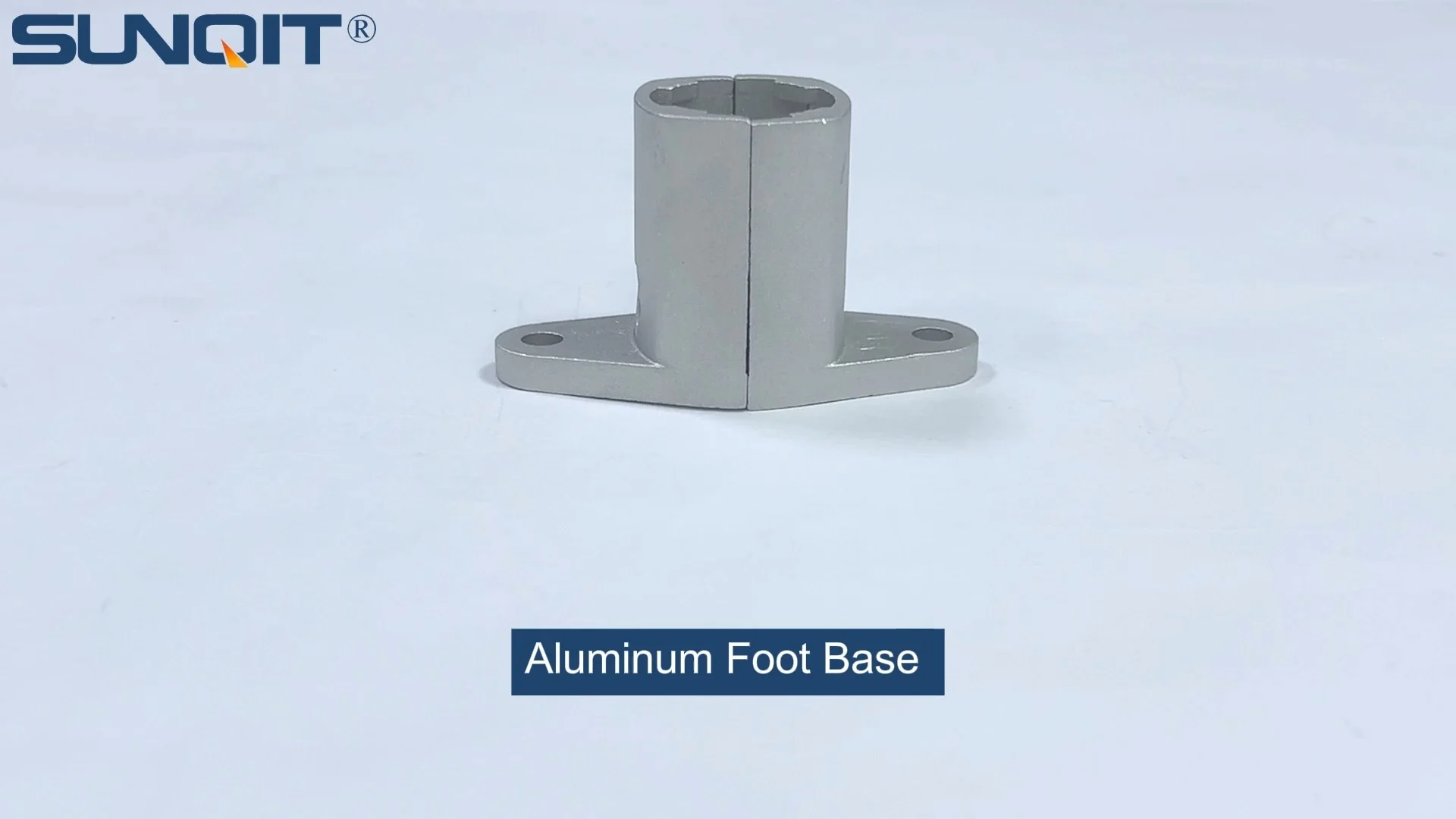
Aluminum Foot Base
Aluminum foot base to connect 28mm aluminum pipe and fixed it on the ground and prevent pipe fall and move.
In the bustling world of manufacturing and warehouse management, efficiency isn't just a buzzword—it's the foundation of daily operations. Every tool, every rack, and every component plays a role in keeping the workflow smooth, and when even one piece is out of place, the entire system can feel the strain. Among the unsung heroes of this ecosystem are material racks, the silent organizers that keep parts, products, and supplies within arm's reach. Today, we're zeroing in on a workhorse in this category: the Material Rack B (3 row and 3 floor). A staple in factories, distribution centers, and production lines, this rack is prized for its versatility and storage density. But here's the thing: even the most reliable rack can become a liability if not stacked correctly. And that's where the humble aluminum foot base comes into play.
Stacking Material Rack B might seem straightforward—after all, it's just placing one rack on top of another, right? Wrong. Without the right foot base, improper alignment, or compatibility, you could be looking at wobbly structures, damaged inventory, or worse, safety hazards. In this guide, we'll walk through everything you need to know about the aluminum foot base for Material Rack B, why stacking compatibility matters, and actionable tips to ensure your racks stay stable, secure, and efficient for years to come. Whether you're a warehouse manager, a production supervisor, or someone just getting started with lean system implementation, this is your go-to resource for mastering the art of stacking.
Understanding Material Rack B (3 row and 3 floor)
Before diving into foot bases and stacking, let's get to know Material Rack B (3 row and 3 floor) a little better. This isn't just any run-of-the-mill rack—it's designed with modularity and functionality in mind. As the name suggests, it features 3 rows and 3 floors, offering 9 distinct storage compartments. Standard dimensions typically hover around 1200mm in length, 600mm in depth, and 1500mm in height (though custom sizes are available), making it compact enough for tight production spaces but roomy enough to hold bulk items like small parts, tools, or finished goods.
What sets Material Rack B apart? For starters, its open design. Unlike closed cabinets, the 3-row, 3-floor structure ensures visibility—no more rummaging through dark shelves to find what you need. This transparency is a game-changer for efficiency, especially in fast-paced environments where time is money. It's also built to handle weight: most models have a per-shelf load capacity of 50-100kg, depending on the materials used (aluminum, steel, or a mix). But here's the kicker: its real strength lies in its adaptability. Pair it with the right accessories—like roller tracks, dividers, or label holders—and it transforms from a basic rack into a tailored storage solution for almost any industry, from automotive to electronics.
So why is Material Rack B so popular? In short, it aligns with the principles of a lean system. By maximizing vertical space, reducing clutter, and keeping frequently used items accessible, it minimizes waste (time spent searching, unnecessary movement) and boosts productivity. But to fully unlock its potential, you need to stack it right. And that starts with choosing the correct foot base.
The Unsung Hero: Aluminum Foot Base Explained
Let's talk about the aluminum foot base. At first glance, it might look like just a flat, metal plate with some holes—but don't let its simplicity fool you. This component is the foundation (literally) of a stable stacked rack system. Its primary job? To distribute the weight of the rack (and everything on it) evenly across the floor, prevent tipping, and ensure that when you stack one Material Rack B on top of another, the connection is secure and wobble-free.
Why aluminum, specifically? Great question. Aluminum is a Goldilocks material for foot bases: it's lightweight enough to make installing and moving racks easy, yet strong enough to support heavy loads (we're talking hundreds of kilograms here). Unlike steel, it's resistant to rust and corrosion—critical in environments where moisture or chemicals are present, like food processing plants or automotive workshops. And let's not forget aesthetics: aluminum has a clean, professional look that fits in with modern lean system setups, where organization and visual management go hand in hand.
But the aluminum foot base isn't just about support. Many models come with adjustable leveling feet—small screws or knobs that let you tweak the height of each corner. This is a lifesaver on uneven floors, where even a 1mm difference can throw off the entire stack's balance. Imagine trying to stack two racks on a floor that dips slightly in one corner: without adjustable feet, the top rack would sit crooked, putting extra stress on the lower rack's joints and increasing the risk of collapse. The foot base solves this by letting you "level the playing field," ensuring all four corners of the rack are firmly planted.
Another key feature? Compatibility with aluminum pipe accessories. Most Material Rack B models are designed to work with a range of modular components, and the foot base is no exception. From brackets that secure the base to the rack legs to connectors that link multiple foot bases together (for extra stability in long rows), these accessories ensure that the foot base integrates seamlessly with the rest of the rack system. Using non-genuine or mismatched accessories here is a common mistake—more on that later—but for now, just remember: the aluminum foot base is more than a part; it's the bridge between your rack and a safe, efficient storage setup.

Why Stacking Compatibility Matters
Let's cut to the chase: stacking compatibility isn't a "nice-to-have"—it's a "must-have." Here's why: safety first. A wobbly stack of Material Rack B isn't just an annoyance; it's a disaster waiting to happen. If a rack tips over, it could crush products, damage equipment, or injure someone nearby. Then there's efficiency. Misaligned stacks take up more space than they should, forcing you to waste valuable square footage that could be used for other operations. And let's not forget cost: damaged inventory, replacement parts, or downtime due to accidents—these all hit your bottom line hard.
But compatibility goes beyond just the foot base and the rack. It's about how the entire system works together: the rack's design, the foot base's dimensions, the load capacity of both the upper and lower racks, and even the condition of the floor. For example, if the foot base of the top rack is slightly smaller than the top surface of the lower rack, the weight won't distribute evenly, creating weak points. Or if the lower rack's foot base isn't rated to support the weight of the upper rack plus its contents, you're asking for trouble.
In a lean system, every component is there for a reason, and compatibility ensures that these components work in harmony. When your Material Rack B stacks are compatible, you get a system that's not just stable, but also scalable. Need to add a third rack on top? No problem—if you've followed the compatibility rules. Want to rearrange your layout? The racks will be easy to move and restack without starting from scratch. In short, stacking compatibility is the glue that holds your storage system together, turning individual racks into a cohesive, efficient unit.

5 Stacking Compatibility Tips for Material Rack B
Now that we've covered the "why," let's get into the "how." Here are five actionable tips to ensure your Material Rack B stacks are compatible, stable, and safe.
1. Start with the Basics: Check Load Ratings (and Stick to Them)
This might seem obvious, but you'd be surprised how many people skip this step. Every Material Rack B (3 row and 3 floor) comes with a maximum load rating—both for the entire rack and for individual shelves. Similarly, the aluminum foot base has its own load capacity, which indicates how much weight it can safely distribute. When stacking, you need to consider the total weight of the top rack plus everything it holds, and ensure that the lower rack (and its foot base) can handle that load.
Let's do a quick example: Suppose Material Rack B has a total load capacity of 500kg, and the aluminum foot base is rated for 600kg. If you stack a fully loaded top rack (500kg) onto a lower rack that's already holding 300kg, the lower rack is now supporting 800kg—way over its 500kg limit. That's a recipe for disaster. Always calculate the "stacked load" (lower rack's contents + top rack's weight + top rack's contents) and compare it to the lower rack's total capacity. When in doubt, err on the side of caution—underloading is better than overloading.
2. Align the Foot Bases Perfectly—No Exceptions
Alignment is everything. Even a 5mm misalignment between the top rack's foot base and the lower rack's top surface can cause the stack to wobble. Here's how to get it right: first, place the lower rack in its final position and use a spirit level to ensure it's perfectly horizontal (adjust the aluminum foot base's leveling feet if needed). Then, mark the corners of the lower rack's top surface with a pencil or tape—this will serve as a guide for the top rack.
When placing the top rack, line up its foot base with the marks you made. Gently lower it onto the lower rack, and then check for gaps: there should be no space between the foot base and the lower rack's surface. If you see a gap, adjust the position until it's flush. For extra security, some aluminum pipe accessories include alignment pins or brackets that lock the foot base into place—invest in these if you're stacking more than two racks high.
3. Match the Foot Base to the Rack—Size and Design Matter
Not all foot bases are created equal. A foot base designed for a smaller rack won't work with Material Rack B, even if it "sort of" fits. Why? Because Material Rack B (3 row and 3 floor) has specific dimensions, and its foot base is engineered to match those dimensions exactly. Using a smaller foot base means less contact area with the floor (or the rack below), which reduces stability. Conversely, a larger foot base might extend beyond the rack's legs, creating a tripping hazard or preventing the rack from fitting through doorways.
When shopping for foot bases, always look for models explicitly labeled for Material Rack B. Check the product specs: the length and width of the foot base should match the distance between the rack's legs. For example, if Material Rack B has legs spaced 1100mm apart (length) and 500mm apart (depth), the foot base should be roughly 1100mm x 500mm to ensure full coverage. Using the wrong size is a shortcut that will cost you in the long run.
4. Don't Forget the Floor: Adjust for Uneven Surfaces
Even the best foot base can't compensate for a wildly uneven floor. That's why the aluminum foot base's adjustable leveling feet are so crucial. Before stacking, take the time to assess your floor: are there cracks, dips, or bumps? Use a long spirit level to check the floor's flatness across the area where the racks will go. If you find uneven spots, adjust the foot base's leveling feet to raise or lower individual corners until the rack is stable.
To make this easier, here's a quick reference table for common floor issues and how to adjust the foot base:
| Floor Issue | Signs to Look For | Adjustment Step |
|---|---|---|
| Slight dip in one corner | Rack rocks when pushed gently | Turn the leveling foot clockwise to raise that corner until the rack is stable. |
| Bump in the middle | Middle of the rack is higher than the corners | Lower the two middle leveling feet slightly to distribute weight evenly. |
| Sloped floor (common in older buildings) | Spirit level shows a consistent tilt | Raise the lower side's leveling feet until the rack is horizontal. |
5. Use Genuine Aluminum Profile Accessories for Extra Security
We've touched on this before, but it's worth repeating: always use genuine aluminum profile accessories when stacking Material Rack B. Knockoff or generic accessories might be cheaper, but they're rarely tested to the same standards as the original parts. For example, a non-genuine bracket that connects the foot base to the rack leg might bend under heavy loads, while a genuine one will stay rigid. Similarly, generic leveling feet might strip or break after a few adjustments, leaving your rack unstable.
Genuine accessories are designed to work seamlessly with the aluminum foot base and Material Rack B, ensuring a snug, secure fit. They're also backed by the manufacturer's warranty, giving you peace of mind that if something does go wrong, you're covered. When in doubt, check with your rack supplier—they'll be able to recommend the right accessories for stacking.

Common Mistakes to Avoid
Even with the best intentions, it's easy to slip up when stacking Material Rack B. Here are some common mistakes to watch out for:
- Rushing the alignment: Taking 5 extra minutes to line up the foot base properly can save you hours of headaches later. Don't skip this step!
- Overloading the top rack: Just because the lower rack can handle 500kg doesn't mean you should cram 500kg into the top rack. Distribute weight evenly between shelves and racks.
- Ignoring wear and tear: If the aluminum foot base is bent, rusted, or has damaged leveling feet, replace it immediately. A worn foot base can't provide the support you need.
- Using mismatched racks: Stacking Material Rack B with a different model (even if it looks similar) is a bad idea. Different racks have different load capacities and foot base designs.
Maintaining Your Stacked Racks: Long-Term Care Tips
Stacking compatibility isn't a one-and-done task—it requires ongoing maintenance to keep things stable. Here's how to keep your Material Rack B stacks in top shape:
- Inspect monthly: Check the aluminum foot base for cracks, bends, or loose leveling feet. Tighten any screws or bolts that have come loose.
- Clean regularly: Dust and debris can build up under the foot base, causing uneven weight distribution. Sweep or vacuum around the racks weekly, and wipe the foot base with a damp cloth if needed.
- Re-level after moving: If you need to reposition the racks, always recheck the alignment and leveling feet afterward. Even a small move can throw off the balance.
- replace accessories as needed: If an aluminum profile accessory (like a bracket or pin) breaks, replace it immediately with a genuine part. Don't wait for a small issue to become a big problem.
Final Thoughts: Stack Smarter, Not Harder
Stacking Material Rack B (3 row and 3 floor) might not be the most glamorous part of running a warehouse or production line, but it's one of the most critical. With the right aluminum foot base, proper alignment, and a commitment to compatibility, you can turn these racks into a powerhouse of efficiency—maximizing space, reducing waste, and keeping your team safe. Remember, a lean system thrives on, and the way you stack your racks is a that matters.
So the next time you're getting ready to stack, take a deep breath, grab your spirit level, and double-check those foot bases. Your racks (and your bottom line) will thank you. Here's to stable stacks, happy teams, and a lean system that runs like a well-oiled machine.