- Company Articles
- Products and Technology
- Product knowledge
- Aluminum Foot Base for Mobile Carts: Locking Mechanisms & Safety Tips

Aluminum Foot Base for Mobile Carts: Locking Mechanisms & Safety Tips
Related Product
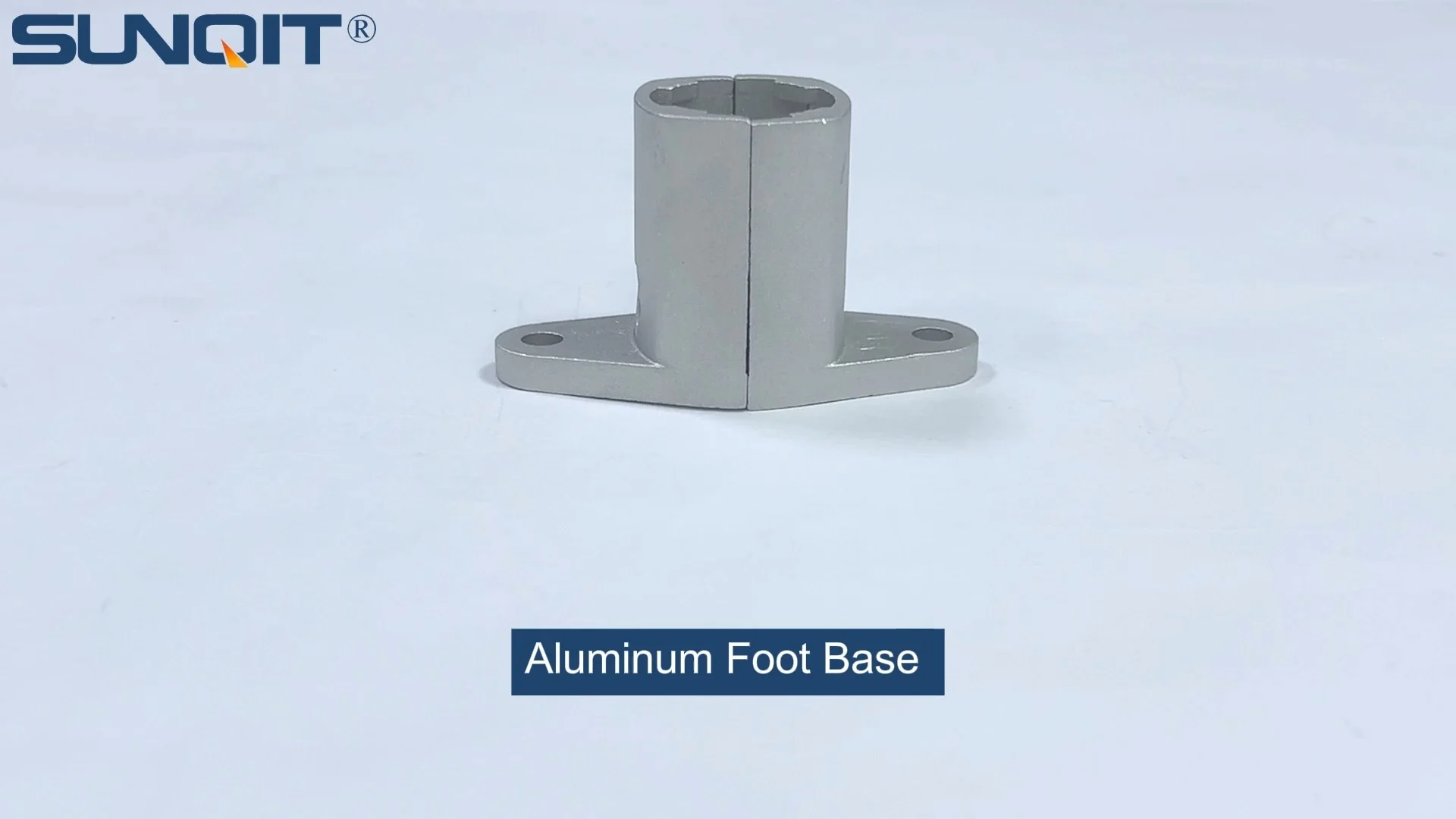
Aluminum Foot Base
Aluminum foot base to connect 28mm aluminum pipe and fixed it on the ground and prevent pipe fall and move.
Mobile carts are the unsung heroes of modern workplaces. From bustling manufacturing floors where components zip between assembly stations to hospital corridors ferrying medical supplies, these humble tools keep operations moving—quite literally. But what makes a mobile cart reliable, safe, and efficient? Look no further than its foundation: the foot base. And when it comes to foot bases that balance durability, lightness, and versatility, aluminum stands in a league of its own. In this guide, we'll dive deep into aluminum foot bases for mobile carts, exploring their critical role, the locking mechanisms that keep them steady, and essential safety practices to protect your team and equipment. Whether you're outfitting a workbench in a small workshop or managing a fleet of carts in a large warehouse, understanding these elements will transform how you approach mobility and stability.
The Basics: What Is an Aluminum Foot Base?
At its core, an aluminum foot base is the structural foundation that connects a mobile cart's frame to its mobility components—in most cases, caster wheels. Think of it as the cart's "feet," responsible for distributing weight evenly, absorbing shocks, and ensuring the cart remains stable whether in motion or locked in place. Unlike steel, which is heavy and prone to rust, or plastic, which lacks strength for heavy loads, aluminum strikes a perfect balance: it's lightweight (reducing strain on workers pushing carts), corrosion-resistant (ideal for humid or chemical-exposed environments), and surprisingly strong (able to support hundreds of pounds without bending).
Aluminum foot bases come in various designs, but most share key components: a flat or angled plate (to attach to the cart frame), mounting holes for caster wheels, and often integrated brackets for locking mechanisms. Some models also include adjustable leveling feet—small, threaded legs that can be extended or retracted to stabilize the cart on uneven floors, preventing wobbling and reducing stress on casters. These feet are especially valuable in old factories with cracked concrete or warehouses with slightly sloped floors, where even a small tilt can make a cart feel unsteady.
Why aluminum, specifically? Let's break it down. Aluminum's natural oxide layer acts as a barrier against rust and corrosion, making it suitable for both indoor and outdoor use (think loading docks or outdoor storage areas). It's also non-magnetic and non-sparking, which is critical in environments like electronics manufacturing or chemical labs where static or sparks could ignite materials. And because it's lighter than steel, carts with aluminum foot bases are easier to maneuver, reducing fatigue for workers who push them daily. Over time, this translates to fewer injuries and higher productivity—a win-win for any operation.
Locking Mechanisms: The Key to Stability
A mobile cart's ability to "stop on a dime" is just as important as its ability to roll. That's where locking mechanisms come in. These devices transform a moving cart into a stationary platform, preventing accidental rolls, shifts, or swivels that could lead to spills, damage, or injuries. Let's explore the most common types of locking mechanisms found on aluminum foot bases, how they work, and when to use each.
1. Swivel Stem Caster Wheel with Brake: The Workhorse of Locking
By far the most popular locking mechanism, the swivel stem caster wheel with brake combines mobility and stability in one component. As the name suggests, these casters have a stem that attaches to the aluminum foot base and a wheel that can swivel 360 degrees for easy maneuvering. The brake—usually a foot-operated lever—engages two functions: it locks the wheel from rotating (preventing the cart from rolling) and, in some models, locks the swivel motion (keeping the wheel facing a fixed direction). This "dual lock" is a game-changer for tasks that require precision, like loading parts onto a workbench or performing detailed assembly work.
How does it work? When you press the brake lever with your foot, a small pad or clamp presses against the wheel's tread, stopping rotation. Simultaneously, a pin or plate may engage with the swivel housing, preventing the wheel from turning. Release the lever, and both locks disengage, letting the cart roll and swivel freely. Pros? Easy to operate (no bending required), reliable, and widely available. Cons? The brake pad can wear down over time if used on rough floors, and the lever may get stuck if debris (like dirt or small screws) gets lodged in the mechanism.
2. Total Lock vs. Directional Lock: Choosing the Right Hold
Not all locks are created equal. Some focus on stopping the cart from rolling (total lock), while others restrict movement in specific directions (directional lock). Total lock mechanisms, like those on heavy-duty swivel stem casters, lock both the wheel and swivel, making the cart completely stationary. This is essential for high-risk tasks, such as when a cart is loaded with fragile glassware or hazardous chemicals—you don't want it moving an inch, even if someone bumps it.
Directional locks, on the other hand, only lock the swivel, keeping the wheels facing forward or backward. This is useful for long, straight transports, like moving a cart down a warehouse aisle. By preventing the wheels from swiveling, the cart tracks straight, reducing the chance of it veering into racks or walls. It's a middle ground between full mobility and total immobility, offering control without sacrificing all maneuverability.
3. Foot-Operated vs. Hand-Operated Locks: Accessibility Matters
Most locking mechanisms are foot-operated, and for good reason: they allow workers to lock or unlock a cart without stopping what they're doing or bending down. Imagine a warehouse worker carrying a box—they can tap the brake lever with their foot to lock the cart, set the box down, and then release the brake with another tap. Hand-operated locks, while less common, are useful in tight spaces where foot access is limited (e.g., under a low workbench) or for workers with mobility issues who can't easily press a foot lever. These typically involve a small handle or knob that twists to engage the lock.
Comparing Locking Mechanisms: A Quick Reference
| Lock Type | How It Works | Best For | Pros | Cons |
|---|---|---|---|---|
| Swivel Stem Caster with Dual Lock | Locks wheel rotation and swivel motion via foot lever | Workbenches, assembly stations, fragile loads | Full stability, easy to use, 360° mobility when unlocked | Brake pads wear over time; debris can jam lever |
| Directional Lock | Locks swivel only, keeping wheels straight | Long-haul transport, straight aisles | Prevents veering, maintains forward mobility | Doesn't stop rolling; not for stationary tasks |
| Foot-Operated Wheel Lock | Locks wheel rotation only (swivel still moves) | Temporary stops, quick loading/unloading | Simple design, low maintenance | Cart can still swivel if bumped; less stable than dual lock |
| Hand-Operated Lock | Twist or flip handle to engage lock | Tight spaces, workers with mobility limitations | Accessible in confined areas | Requires stopping work to lock/unlock; slower to operate |

Safety First: Essential Tips for Using Aluminum Foot Bases
Even the best aluminum foot base and locking mechanism are only as safe as the practices around them. A cart that's improperly maintained or used can tip, roll unexpectedly, or collapse—putting workers at risk of strains, bruises, or worse. Below are critical safety tips to ensure your mobile carts remain reliable and secure.
1. Match the Foot Base to the Load: Know Your Weight Limits
Every aluminum foot base and caster wheel has a weight capacity—this is non-negotiable. Exceeding it can bend the foot base, crack the mounting plate, or cause casters to fail mid-roll. Start by calculating the total weight your cart will carry: the weight of the cart itself, plus the heaviest load it will ever transport (err on the side of caution here). Then, check the manufacturer's specs for the foot base and casters. Most quality foot bases list a "dynamic" capacity (weight when moving) and "static" capacity (weight when stationary); always prioritize the lower of the two if in doubt.
For example, if your cart will carry 500 lbs of tools and parts, choose a foot base and casters rated for at least 600 lbs static capacity. This extra buffer accounts for sudden jolts (like hitting a floor crack) that temporarily increase stress on the base. Overloading is one of the top causes of cart accidents—don't cut corners here.
2. Install Adjustable Leveling Feet for Uneven Floors
Not all floors are created equal. A warehouse with years of wear and tear might have cracks, bumps, or slight slopes that make carts wobble, even with locked casters. That's where adjustable leveling feet shine. These small, threaded legs (usually made of rubber or metal) screw into the aluminum foot base and can be extended to "level" the cart, ensuring all four casters (and feet) make contact with the floor. This prevents rocking, reduces stress on the foot base, and keeps loads from shifting.
To use them: Unlock the cart's casters, roll it to the desired location, lock the casters, then twist the leveling feet until they touch the floor and the cart feels stable. Avoid over-tightening—you want them to support, not lift the casters off the ground (that defeats the purpose of mobility). For permanent workbench setups, you can even leave the leveling feet engaged full-time, using the casters only when moving the cart.
3. Inspect Locks and Casters Weekly
Like any tool, aluminum foot bases and locking mechanisms need regular check-ups. Set a weekly schedule to inspect each cart: Test the locking levers to ensure they engage and disengage smoothly—no sticking or grinding. Check caster wheels for cracks, flat spots, or debris stuck in the tread (a small stone can throw off balance). Tighten any loose bolts on the foot base or casters—vibration from rolling can loosen connections over time. And examine the aluminum foot base itself for dents, bends, or corrosion—even minor damage can weaken its structural integrity.
Make this a team effort: Train workers to report issues immediately (e.g., "the lock on cart 3 sticks when I press it") so repairs can happen fast. A quick 5-minute inspection each week can prevent a catastrophic failure down the line.
4. Train Staff on Proper Locking Protocol
Even the best locking mechanism is useless if no one uses it. Train your team to lock carts every time they stop moving—whether they're grabbing a tool, taking a break, or loading/unloading. Emphasize the "two-second rule": Tap the brake lever with your foot before walking away. It sounds simple, but in busy environments, it's easy to rush and skip this step. Share horror stories (without fear-mongering) to drive the point home: A cart that rolls into a machine can damage equipment; one that tips over can injure a coworker.
Also, teach workers to check the lock after engaging it. Sometimes a lever might feel like it's locked, but if there's debris in the mechanism, it could disengage unexpectedly. A quick tug on the cart (after locking) ensures it stays put.
5. Keep Floors Clean and Clear
Debris is the enemy of mobile cart safety. A loose screw, a piece of packing material, or even a puddle of water can cause a cart to skid, tip, or jam its locks. Keep pathways clear of obstacles, sweep floors regularly, and fix any major floor damage (like deep cracks or potholes) promptly. For areas with oil or grease (common in manufacturing), use anti-slip mats under workbench areas to give casters extra grip. Remember: A clean floor isn't just about aesthetics—it's a critical safety barrier.

Real-World Applications: How Aluminum Foot Bases Transform Workplaces
To understand the impact of aluminum foot bases, let's look at how they're used in different industries. These examples show how the right foot base, paired with proper locking mechanisms and safety practices, solves real problems.
Manufacturing Workbenches: Stability for Precision
In a manufacturing plant, workbenches are where assembly happens—small parts, delicate electronics, or heavy machinery components. A wobbly cart here can ruin hours of work or damage expensive parts. Enter aluminum foot bases with swivel stem caster wheels and dual locks. Workers roll the workbench to their station, lock the casters and swivel, extend the adjustable leveling feet to stabilize on the factory floor, and get to work. The aluminum base resists oil and coolant spills, while the locks ensure the bench stays put even when using power tools that vibrate the surface. At the end of the shift, unlock the casters, fold up the leveling feet, and roll the bench out of the way for cleaning—simple, efficient, and safe.
Warehouse Material Transport: Speed Without Sacrifice
Warehouses thrive on speed—moving pallets, boxes, and supplies from dock to shelf as quickly as possible. But speed can't come at the cost of safety. Aluminum foot bases with directional locks are ideal here: Workers load the cart, engage the directional lock to keep wheels straight, and push it down the aisle without worrying about it veering into racks. At the shelf, they engage the swivel stem caster wheel with brake to lock the cart in place, unload, and move on. The lightweight aluminum makes pushing easier, even with heavy loads, reducing worker fatigue and injury risk.
Hospital Carts: Hygiene and Reliability
Hospitals demand carts that are easy to clean, rust-resistant, and absolutely stable (no one wants a cart with medical supplies rolling into a patient). Aluminum foot bases check all these boxes: Their smooth, non-porous surface wipes clean with disinfectants, resisting the growth of bacteria. Swivel stem casters with total locks keep carts steady during procedures, while adjustable leveling feet stabilize them on uneven hospital floors (common near elevators or doorways). And because aluminum is non-magnetic, these carts can safely be used near MRI machines—a must in modern healthcare.

Maintenance & Care: Extending the Life of Your Aluminum Foot Base
An aluminum foot base is built to last, but proper care will keep it performing at its best for years. Here's how to maintain yours:
Clean Aluminum Surfaces Regularly
Aluminum's corrosion resistance means it's low-maintenance, but dirt, grease, and chemicals can still build up. Wipe the foot base with a damp cloth weekly—for tougher grime, use a mild detergent (avoid abrasive cleaners, which can scratch the surface). In industrial settings with heavy oil or coolant, a monthly deep clean with a pressure washer (on low setting) will prevent buildup that can hide cracks or loose bolts.
Lubricate Locking Mechanisms Monthly
Locking levers and caster swivels rely on smooth movement. Every month, apply a few drops of silicone-based lubricant to the pivot points of the brake levers and caster swivel housings. This prevents rust, reduces friction, and keeps locks engaging smoothly. Avoid oil-based lubricants, which attract dust and can gum up the mechanism over time.
replace Worn Parts Promptly
Even the best components wear out. If a caster wheel develops a flat spot, replace it immediately—an uneven wheel will stress the foot base and make the cart hard to push. Similarly, if a locking lever sticks despite cleaning and lubrication, swap in a new one. Most suppliers sell replacement parts (casters, levers, adjustable leveling feet) individually, so you don't have to replace the entire foot base. Keep a small stock of spares on hand to minimize downtime.
Troubleshoot Common Issues
Sticky lock? Try cleaning the lever with a toothbrush and soapy water to dislodge debris, then lubricate. Wobbly cart? Check if the foot base is bent (a quick visual inspection will show) or if leveling feet are unevenly adjusted. Caster wheel won't roll? Remove the wheel, clean out the axle, and lubricate—often a hair or thread is wrapped around it. Addressing issues early prevents them from snowballing into bigger problems.
Conclusion: Invest in Safety, Invest in Productivity
Aluminum foot bases are more than just "parts"—they're the foundation of safe, efficient mobility in workplaces everywhere. By choosing the right foot base, understanding locking mechanisms (like the reliable swivel stem caster wheel with brake), and following safety practices (proper loading, regular inspection, using adjustable leveling feet), you're not just protecting your team—you're boosting productivity. A cart that moves smoothly, locks securely, and stays stable reduces downtime, minimizes accidents, and lets workers focus on what matters: getting the job done right.
Remember, quality matters. Cheap foot bases or generic casters might save money upfront, but they'll cost you in repairs, replacements, and lost productivity down the line. Choose reputable suppliers who stand behind their products, and train your team to treat carts with care. In the end, a little investment in your mobile cart's foundation goes a long way toward building a safer, more efficient workplace.