- Company Articles
- Products and Technology
- Product knowledge
- Aluminum Foot Base for Trolleys: Enhancing Mobility & Stability

Aluminum Foot Base for Trolleys: Enhancing Mobility & Stability
Related Product
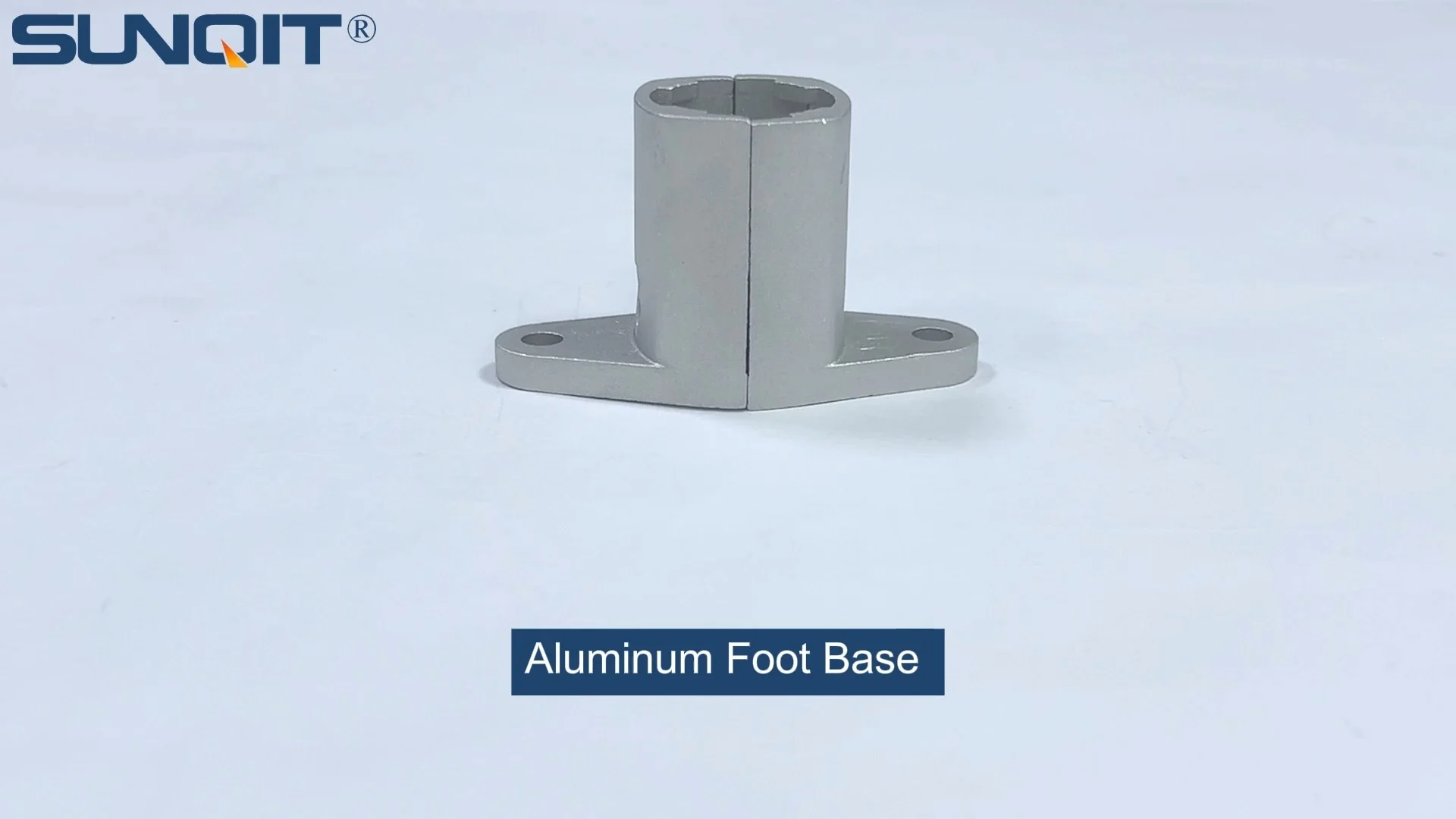
Aluminum Foot Base
Aluminum foot base to connect 28mm aluminum pipe and fixed it on the ground and prevent pipe fall and move.
Think about the last time you walked through a busy warehouse, a bustling factory floor, or even a crowded retail stockroom. Chances are, you noticed trolleys gliding by—carrying boxes, tools, raw materials, or finished products. These humble workhorses keep operations moving, but have you ever stopped to wonder what makes them so reliable? Beyond the wheels and the frame, there's a quiet champion working behind the scenes: the aluminum foot base. This unassuming component is the unsung hero that bridges the gap between mobility and stability, ensuring trolleys move smoothly and stay upright, even when loaded to the brim. In this article, we'll dive into the world of aluminum foot bases for trolleys, exploring how they're designed, why they matter, and how they elevate the performance of everything from hand trolley b to heavy-duty material transporters.
What Is an Aluminum Foot Base, Anyway?
Let's start with the basics. An aluminum foot base is the foundational component of a trolley that connects the frame to the casters (those all-important wheels) and provides a stable platform for the trolley's load. Made from aluminum—often extruded using aluminum extrusion profile techniques—it's engineered to be both lightweight and strong, a combination that's hard to beat. Unlike steel, which can be bulky and prone to rust, or plastic, which may warp under heavy loads, aluminum strikes the perfect balance: it's tough enough to support hundreds of kilograms, yet light enough to keep the trolley easy to maneuver. Think of it as the trolley's "feet": just as a person needs stable feet to walk without tripping, a trolley needs a solid foot base to move without wobbling.
But not all aluminum foot bases are created equal. They come in various shapes and sizes, tailored to the trolley's purpose. For example, a hand trolley b—designed for moving medium-sized loads in warehouses or retail spaces—might have a compact, rectangular foot base with casters positioned at the corners for balanced weight distribution. A larger material trolley, on the other hand, could feature a wider, reinforced foot base with extra support beams to handle heavier items like machinery parts. The key is that the foot base is never an afterthought; it's designed in lockstep with the trolley's intended use, ensuring it can handle the demands of the job.
The Magic of Aluminum: Why It's the Go-To Material
Aluminum isn't just chosen for foot bases by accident—it's a material with purpose. Let's break down why it's the top pick for manufacturers and operators alike:
- Lightweight, but Mighty: Aluminum is about one-third the weight of steel, which means the foot base itself adds minimal bulk to the trolley. This makes the trolley easier to push, pull, or steer—even when fully loaded. But don't let its lightness fool you: aluminum extrusion profile processes create a material that's surprisingly strong, with a high strength-to-weight ratio. It can handle heavy loads without bending or deforming, ensuring the trolley remains stable.
- Corrosion-Resistant: Unlike steel, aluminum doesn't rust. It forms a natural oxide layer when exposed to air, which acts as a protective barrier against moisture, chemicals, and wear. This is a game-changer for trolleys used in damp environments—like warehouses near the coast, or factories with high humidity—or those that regularly come into contact with water or cleaning agents. A steel foot base might start showing rust after a few months; an aluminum one? It'll look and perform like new for years.
- Easy to Customize: Thanks to aluminum extrusion profile technology, manufacturers can shape aluminum foot bases into almost any design. Need a curved edge to fit a specific trolley frame? No problem. Want extra mounting points for casters or accessories? Done. This flexibility means aluminum foot bases can be tailored to the unique needs of different trolleys, from the compact hand trolley b to large, multi-level material racks.
- Low Maintenance: Aluminum foot bases don't demand much TLC. Unlike wood, they don't rot or splinter. Unlike steel, they don't need painting or coating to prevent rust. A quick wipe with a damp cloth is usually all it takes to keep them clean and functional. This low-maintenance nature saves time and money for businesses, letting them focus on more important tasks than fixing or replacing foot bases.

Mobility: How Aluminum Foot Bases Make Trolleys Glide
Mobility is all about making movement effortless. Imagine pushing a trolley with a clunky, heavy steel foot base: every turn feels like a workout, and navigating tight aisles becomes a chore. Aluminum foot bases solve this problem by keeping the trolley's overall weight in check. Since aluminum is lightweight, the foot base doesn't add unnecessary heft, which reduces the force needed to get the trolley moving and keep it rolling. This is a big deal for workers who spend hours pushing trolleys—less strain on their backs and arms means more energy for the job at hand.
But it's not just about weight. The design of the aluminum foot base also plays a role in mobility. Most foot bases are engineered with precision-cut holes or slots to attach casters securely. The placement of these casters is critical: too close together, and the trolley might tip; too far apart, and it becomes hard to turn. Aluminum foot bases, with their customizable shapes (thanks to aluminum extrusion profile techniques), allow manufacturers to position casters optimally for smooth maneuverability. For example, hand trolley b—often used for moving boxes in retail or small warehouses—typically has a foot base with casters placed at the corners, giving it a tight turning radius that makes navigating narrow aisles a breeze.
Another mobility boost comes from aluminum's natural smoothness. Unlike rough steel or porous plastic, aluminum surfaces are sleek, which means less friction between the foot base and the casters' mounting hardware. This might sound minor, but it adds up: less friction equals smoother movement, so the trolley rolls more freely, even over slightly uneven floors. Whether you're pushing it across a concrete warehouse floor or a polished retail space, an aluminum foot base ensures the trolley responds quickly to your movements, not fighting against them.

Stability: Keeping Trolleys Upright When It Counts
Mobility is useless if the trolley tips over at the first bump. That's where stability comes in, and here again, the aluminum foot base shines. Stability is all about weight distribution and a low center of gravity, and aluminum foot bases are designed to master both.
First, the width and shape of the foot base matter. A wider base provides a larger " footprint," which makes the trolley more resistant to tipping. Aluminum, being strong yet lightweight, allows manufacturers to widen the foot base without adding too much weight—something that's harder to do with steel (which would make the trolley too heavy) or plastic (which might not support the load). For example, a material trolley designed to carry heavy machinery parts might have an extra-wide aluminum foot base, ensuring it stays stable even when the load shifts during movement.
Second, aluminum's rigidity plays a role. Unlike plastic, which can flex or warp under heavy loads, aluminum holds its shape. This means the foot base remains flat and level, so the load is evenly distributed across the casters. If the foot base were to bend, the trolley might lean to one side, increasing the risk of tipping. Aluminum's stiffness prevents this, keeping the trolley balanced even when loaded unevenly (we've all seen that one overstuffed box teetering on the edge of a trolley—thankfully, aluminum foot bases have your back).
Let's take hand trolley b as a real-world example. This trolley is a common sight in warehouses and small businesses, often used to transport 3-4 boxes at a time. Its aluminum foot base is typically around 24 inches wide and 18 inches deep, with casters at each corner. This design ensures that even if the boxes are stacked a little off-center, the foot base keeps the trolley grounded. Try that with a flimsy plastic foot base, and you'd be picking up spilled contents in no time.

Aluminum vs. Steel vs. Plastic: A Head-to-Head Comparison
Curious how aluminum foot bases stack up against other materials? Let's put them to the test. Below is a comparison table breaking down the key factors that matter most when choosing a foot base:
| Feature | Aluminum Foot Base | Steel Foot Base | Plastic Foot Base |
|---|---|---|---|
| Weight (per sq. ft) | 2-3 lbs (lightweight) | 8-10 lbs (heavy) | 1-2 lbs (very light) |
| Corrosion Resistance | Excellent (no rust) | Poor (rusts without coating) | Good (resists moisture, but may warp) |
| Max Load Capacity | 500-1,500 lbs (depends on design) | 1,000-3,000 lbs (higher, but heavier) | 100-300 lbs (low for heavy use) |
| Maintenance Needs | Low (wipe clean occasionally) | High (needs painting/coating to prevent rust) | Medium (prone to cracks/scratches) |
| Customization | High (easily shaped via aluminum extrusion profile) | Medium (limited by welding/ cutting) | Medium (moldable, but designs are fixed) |
| Cost (Relative) | Moderate (more than plastic, less than steel) | High (expensive material + coating) | Low (cheap, but short lifespan) |
As you can see, aluminum hits the sweet spot: it's lighter than steel, stronger than plastic, and more durable than both. For most businesses, the moderate cost is worth it for the long-term savings in maintenance and replacement. Unless you're hauling extremely heavy loads (think 2,000+ lbs), aluminum is the clear winner.
Applications: Where Aluminum Foot Bases Shine
Aluminum foot bases aren't one-trick ponies—they're versatile enough to excel in almost any industry where trolleys are used. Let's take a look at some common applications:
Warehouses & Distribution Centers
In warehouses, trolleys are the backbone of order fulfillment. From picking items off shelves to moving pallets, they're in constant use. Aluminum foot bases here need to handle heavy loads (think 500+ lbs of boxes) and stand up to daily wear and tear. Hand trolley b, a staple in many warehouses, relies on its aluminum foot base to glide through tight aisles and stop smoothly when loading/unloading. The corrosion resistance is also a plus, as warehouses often use pressure washers to clean floors, and steel foot bases would quickly rust under those conditions.
Manufacturing Plants
Manufacturing environments are tough on equipment—dust, oil, chemicals, and heavy machinery are all part of the mix. Trolleys here carry raw materials (like metal sheets or plastic pellets) and finished products, so stability is non-negotiable. Aluminum foot bases hold up well to oil and chemical spills, and their rigidity ensures the trolley doesn't flex when carrying uneven loads (like a stack of metal parts). Plus, their lightweight design makes them easy to maneuver around assembly lines, where space is often limited.
Retail & Grocery Stores
In retail, trolleys are used for restocking shelves, moving displays, and transporting goods from the back room to the sales floor. Here, appearance matters—trolleys need to look clean and professional, not rusty or beat-up. Aluminum foot bases stay shiny and new-looking, even with daily use, and their smooth movement ensures they don't scratch polished floors. Hand trolley b, with its compact aluminum foot base, is a favorite here for moving small to medium-sized boxes of merchandise.
Healthcare Facilities
Hospitals and clinics use trolleys to carry medical supplies, medications, and even patient meals. In these settings, hygiene is critical, and trolleys must be easy to sanitize. Aluminum foot bases are non-porous, so they don't harbor bacteria, and they stand up to frequent cleaning with disinfectants. Their smooth movement is also important—no one wants a noisy, jolting trolley disturbing patients in a quiet hospital wing.
Choosing the Right Aluminum Foot Base for Your Trolley
Now that you know why aluminum foot bases are great, how do you pick the right one for your needs? Here are a few key factors to consider:
- Load Capacity: Start by asking: How much weight will the trolley carry? If you're using hand trolley b for light loads (under 300 lbs), a basic aluminum foot base will do. For heavy-duty use (1,000+ lbs), look for a reinforced foot base with thicker aluminum extrusion profile walls and extra support beams.
- Trolley Type: Different trolleys need different foot bases. A hand trolley b has a small, portable design, so its foot base should be compact and lightweight. A large material trolley, on the other hand, might need a wider, longer foot base to support multiple shelves or layers.
- Environment: Where will the trolley be used? If it's outdoors or in a damp area, prioritize a foot base with extra corrosion resistance (though aluminum is already great here). If it's in a clean room or healthcare setting, look for a smooth, easy-to-sanitize surface with no crevices where dirt can hide.
- Caster Compatibility: Make sure the foot base has the right mounting holes or slots for your casters. Casters come in different sizes and styles (swivel, fixed, brake-equipped), and the foot base needs to attach to them securely. A mismatched foot base and caster combo can lead to wobbly movement or even accidents.
- Supplier Reputation: Finally, buy from a reputable lean pipe supplier or aluminum component specialist. A quality foot base should come with a warranty and be made from high-grade aluminum (look for suppliers who specify using aluminum extrusion profile for consistency). Avoid cheap, generic foot bases—they might save you money upfront, but they'll fail quickly, costing you more in replacements down the line.
Caring for Your Aluminum Foot Base: A Little Goes a Long Way
Aluminum foot bases are low-maintenance, but they're not indestructible. With a little care, you can extend their lifespan even further:
- Keep It Clean: Wipe down the foot base with a damp cloth or mild soap and water every few weeks to remove dirt, dust, or spills. This prevents grime from building up and keeps the surface smooth for caster movement.
- Check for Dents or Bends: Aluminum is strong, but it can dent if hit hard (e.g., by a forklift or a dropped heavy object). Inspect the foot base regularly for dents—even small ones can affect weight distribution or caster alignment. If you spot a dent, gently hammer it out (if possible) or replace the foot base if it's severe.
- Tighten Caster Bolts: Over time, the bolts that attach the casters to the foot base can loosen. Check them monthly and tighten as needed to prevent the casters from wobbling or coming loose.
- Avoid Harsh Chemicals: While aluminum resists most chemicals, strong acids or alkalis can damage its protective oxide layer. If the trolley is used in an environment with harsh cleaners, rinse the foot base afterward with water to neutralize any residue.
The Future of Aluminum Foot Bases: Innovations on the Horizon
As technology advances, so do aluminum foot bases. Thanks to improvements in aluminum extrusion profile techniques, manufacturers are creating foot bases that are even lighter, stronger, and more customizable. One emerging trend is the use of recycled aluminum, making foot bases more eco-friendly without sacrificing performance. Another is integrating smart features, like built-in sensors that alert workers if the foot base is damaged or the load is uneven—helping prevent accidents before they happen.
We're also seeing more modular foot bases, which can be adjusted or expanded to fit different trolley models. This is a boon for businesses that use multiple trolley types—instead of buying separate foot bases for each, they can adapt one base to work with hand trolley b, a larger material trolley, or even a shelf unit. It's a cost-saving, space-saving innovation that aligns with the lean principles many modern businesses adopt.
Final Thoughts: Why Aluminum Foot Bases Are Worth Investing In
At the end of the day, trolleys are only as good as their weakest link. A flimsy foot base can turn a reliable workhorse into a liability—causing delays, injuries, or damaged goods. Aluminum foot bases eliminate that risk, offering the perfect blend of mobility and stability that modern operations demand. They're lightweight enough to make movement effortless, strong enough to handle heavy loads, and durable enough to last for years with minimal care.
Whether you're using hand trolley b to stock shelves, a heavy-duty trolley to move machinery, or anything in between, an aluminum foot base is the foundation of a job well done. It's a small component with a big impact—proof that sometimes, the most important innovations are the ones you don't see, but can always rely on. So the next time you see a trolley gliding by, take a moment to appreciate the aluminum foot base keeping it steady. It might not get the glory, but it's the reason everything keeps moving forward.