- Company Articles
- Products and Technology
- Product knowledge
- Aluminum Foot Base for Workbench E: Height Adjustment Options

Aluminum Foot Base for Workbench E: Height Adjustment Options
Related Product
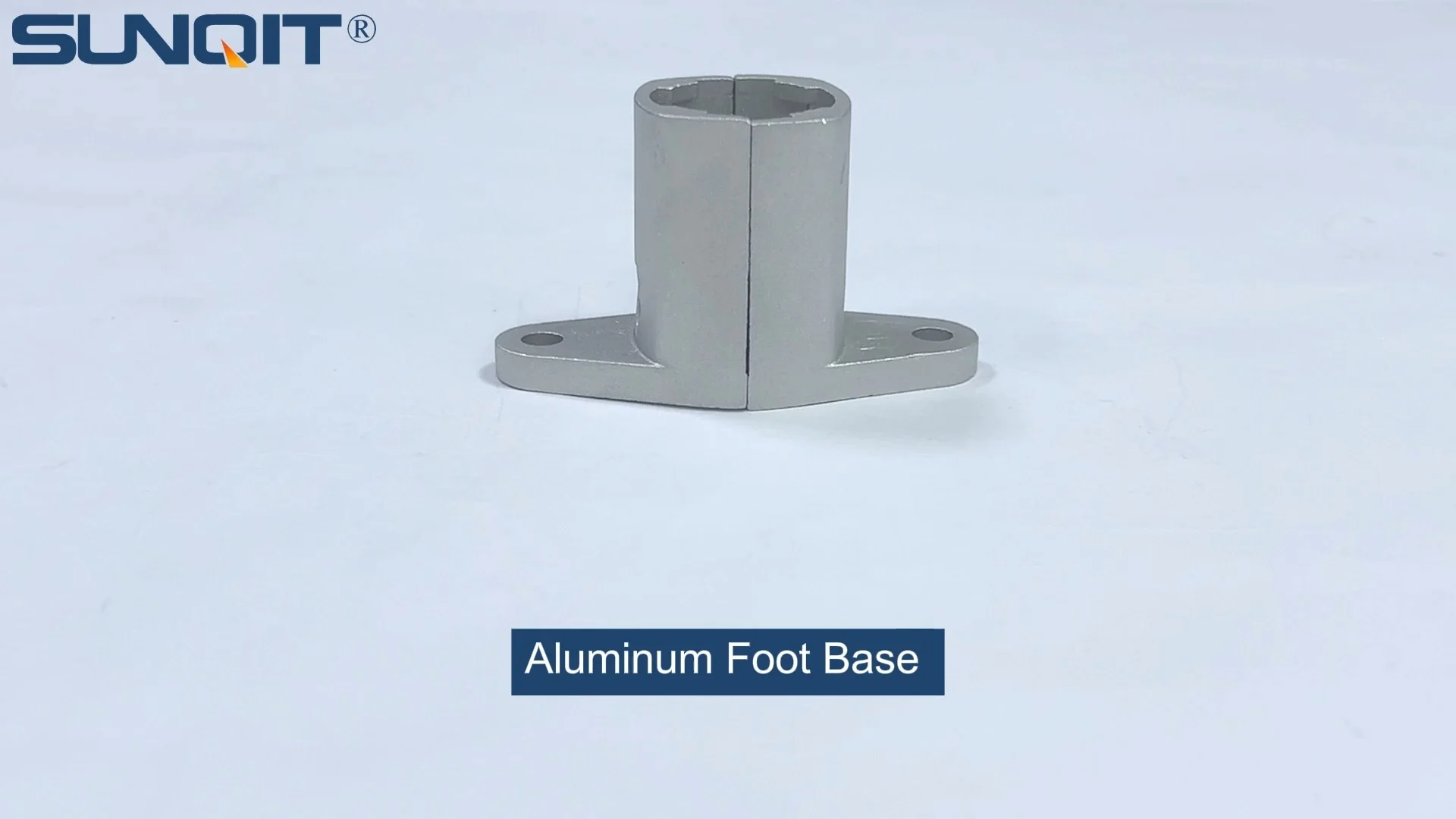
Aluminum Foot Base
Aluminum foot base to connect 28mm aluminum pipe and fixed it on the ground and prevent pipe fall and move.
In the bustling world of workshops, labs, and manufacturing floors, the workspace isn't just a place to get things done—it's the foundation of productivity, safety, and employee well-being. Imagine (oops, scratch that—think about) a scenario where a team of assembly line workers spends eight hours a day hunched over a workbench that's too low, or a lab technician struggling to align equipment on a surface that wobbles on an uneven floor. These aren't just minor inconveniences; they're silent productivity killers, increasing fatigue, errors, and even the risk of injury. The solution? A workbench that adapts to you , not the other way around. Enter Workbench E (single deck-without caster) and its unsung hero: the aluminum foot base. In this article, we'll dive deep into how this unassuming component transforms static workspaces into dynamic, ergonomic hubs, exploring its design, height adjustment options, benefits, and why it's a game-changer for anyone serious about building a workspace that works as hard as they do.
The Ergonomic Imperative: Why Workbench Height Matters
Before we zoom in on the aluminum foot base, let's take a step back and understand why workbench height is such a critical factor. Ergonomics—the study of designing environments to fit the people who use them—isn't just a buzzword; it's a science-backed approach to reducing strain and boosting performance. According to the Occupational Safety and Health Administration (OSHA), poorly designed workstations are a leading cause of musculoskeletal disorders (MSDs), including carpal tunnel syndrome and lower back pain. These injuries cost businesses billions annually in lost productivity and workers' compensation claims. The fix often starts with something as basic as adjusting the height of the workbench.
Ideal workbench height varies dramatically depending on the task and the user. A person assembling small electronics might need a surface at elbow height to avoid shoulder strain, while someone using a standing desk for heavy machinery operation could require a higher platform. Even within the same team, (height differences) mean a one-size-fits-all workbench leaves half the crew uncomfortable. Add uneven flooring—a common issue in older facilities or warehouses with concrete slabs that have settled over time—and you've got a recipe for instability. This is where adjustable workbenches shine, and at the heart of that adjustability lies the foot base.
Meet Workbench E (Single Deck-Without Caster): A Blank Canvas for Productivity
Workbench E (single deck-without caster) is designed with versatility in mind. As the name suggests, it features a single, sturdy deck (no casters, which is perfect for stationary setups) and a frame built to support heavy loads—think tools, equipment, or batches of materials. But what truly sets it apart is its compatibility with modular accessories, allowing users to customize it to their exact needs. From adding shelves to integrating tool rails, Workbench E is a blank canvas. However, even the most feature-packed workbench falls short if it can't stand level or adjust to the right height. That's where the aluminum foot base comes in. It's not just an afterthought; it's the foundation that turns Workbench E from a static table into a dynamic, user-centric workspace.
What Makes the Aluminum Foot Base Special?
At first glance, a foot base might seem like a simple part—just something to prop up the workbench. But the aluminum foot base for Workbench E is engineered with precision, balancing durability, adjustability, and ease of use. Let's break down its key attributes:
Material: Aluminum—Lightweight, Strong, and Corrosion-Resistant
Aluminum was no accident of choice here. When it comes to workbench components, materials matter. Steel is strong but heavy, making adjustment cumbersome. Plastic is lightweight but lacks the rigidity needed for heavy loads. Aluminum strikes the perfect balance. Most aluminum foot bases are made from extruded aluminum profiles, a manufacturing process where aluminum alloy is pushed through a die to create consistent, complex shapes. This method ensures uniformity in strength and dimensions, critical for stability. The alloy used is often 6061-T6, a popular choice for structural parts because it combines high tensile strength (about 42,000 psi) with excellent corrosion resistance—ideal for environments where spills, humidity, or chemicals are common (like labs or manufacturing floors).
Compared to stainless steel, aluminum is 30% lighter, making the foot base easier to handle during installation and adjustment. It also doesn't rust, unlike carbon steel, which requires painting or coating to prevent corrosion. For workshops that prioritize cleanliness (such as food processing or pharmaceutical labs), aluminum's smooth, non-porous surface is easy to wipe down, reducing the risk of bacterial growth. In short, aluminum isn't just a material here—it's a performance enhancer.
Design: Built for Adjustability and Stability
The aluminum foot base isn't a one-size-fits-all block. Its design is all about fine-tuning. Most models feature a threaded rod mechanism, where the foot base screws into the bottom of the workbench leg, allowing users to twist it up or down to adjust height. The rod is typically paired with a large, flat base plate (often with a rubber pad) that distributes the workbench's weight evenly across the floor, preventing sinking into soft surfaces like wood or carpet. The rubber pad also adds grip, reducing the risk of the workbench sliding—critical when handling heavy or delicate items.
But adjustability isn't just about raising and lowering. The best aluminum foot bases also include leveling capabilities. Even if the floor is perfectly flat, minor inconsistencies can throw off a workbench's stability. The foot base's threaded design allows for micro-adjustments (often in increments as small as 1/8 inch) to compensate for unevenness. Some models even include a lock nut: once you've set the height, tighten the nut against the leg to prevent the foot base from unscrewing over time—a simple but genius feature that adds long-term reliability.

Height Adjustment Options: From Micro-Adjustments to Major Lifts
The aluminum foot base isn't a one-trick pony when it comes to height adjustment. Depending on your needs, you can choose from several configurations to get the perfect fit. Let's explore the most common options:
Standard Threaded Adjustment: The Classic Choice
The most common height adjustment method is the standard threaded rod. Here's how it works: the foot base has a hollow, internally threaded sleeve that screws onto an externally threaded rod attached to the workbench leg. By rotating the foot base clockwise or counterclockwise, you raise or lower the workbench. Most aluminum foot bases offer a total adjustment range of 2 to 6 inches—plenty for accommodating different user heights or floor unevenness. For example, if your workshop floor slopes slightly, you might need to raise the foot base on the low side by 3 inches to level the workbench. Or, if a new employee is 6 inches taller than the previous user, a quick twist of the foot base can raise the surface to their elbow height.
The beauty of this system is its simplicity. No tools are needed for adjustment—just hand-tighten the foot base to the desired height. It's also reliable; threaded mechanisms have been used in machinery for centuries for a reason: they're robust and easy to maintain. However, for very heavy workbenches (those supporting 500+ pounds), you might need a wrench to get enough torque to adjust the foot base—though most aluminum foot bases are designed with a knurled or textured surface to provide grip, even with gloved hands.
Extended Range Adjustment: For Extreme Cases
What if 6 inches isn't enough? Some workshops deal with extreme floor unevenness (think old warehouses with sunken concrete) or need to raise the workbench significantly to accommodate standing users or tall equipment. For these cases, extended-range aluminum foot bases are available. These feature longer threaded rods, offering adjustment ranges of up to 12 inches. They may also include a second lock nut for added security, ensuring the extra length doesn't compromise stability. Extended-range foot bases are often paired with heavier-duty aluminum profiles (thicker walls) to handle the increased leverage from the longer rod.
Motorized Adjustment: The Future of Ergonomics
For high-end setups or environments where frequent height changes are needed (like shared workstations), some aluminum foot bases can be upgraded with motorized adjustment. These use small electric motors to raise or lower the workbench at the push of a button, with programmable presets for different users or tasks. While more expensive, motorized options eliminate manual effort, making height changes quick and precise. They're particularly popular in offices or tech labs where employees switch between sitting and standing throughout the day. However, for most industrial or workshop settings, manual threaded adjustment is more than sufficient—and far more cost-effective.

Compatibility with Accessories: Building a Complete System
The aluminum foot base doesn't work alone. It's part of a broader ecosystem of Aluminum Profile Accessories that let you customize Workbench E to your exact needs. One key accessory is the Adjustable Leveling Feet. While the foot base itself handles height and leveling, Adjustable Leveling Feet can be added to the base plate for extra stability on particularly rough floors. These are small, threaded feet that screw into the base plate, allowing for micro-leveling even after the main foot base is set. They're especially useful in environments like garages or outdoor workshops where the ground might be gravel or dirt.
Other Aluminum Profile Accessories that pair well with the foot base include end caps (to cover sharp edges of the aluminum profiles), cable management clips (to keep power cords and hoses organized under the workbench), and gusset plates (to reinforce the connection between the foot base and workbench legs). These accessories don't just add functionality—they enhance safety and neatness, turning Workbench E into a polished, professional workspace.

Aluminum vs. Steel vs. Plastic: How the Foot Base Stacks Up
Curious how the aluminum foot base compares to other materials? Let's break it down with a side-by-side comparison:
| Feature | Aluminum Foot Base | Steel Foot Base | Plastic Foot Base |
|---|---|---|---|
| Weight | Lightweight (easy to adjust/install) | Heavy (cumbersome for frequent adjustments) | Lightest (but prone to tipping with heavy loads) |
| Strength | High (extruded aluminum handles 300-500 lbs per foot) | Highest (can handle 800+ lbs per foot) | Low (best for light-duty workbenches only) |
| Corrosion Resistance | Excellent (no rust; ideal for humid/damp environments) | Good (if painted/coated; prone to rust if scratched) | Excellent (but UV exposure can cause brittleness) |
| Adjustability | Smooth (threaded rod with easy grip) | Stiff (requires tools for adjustment) | Smooth but limited (threads can strip under pressure) |
| Cost | Moderate (more than plastic, less than stainless steel) | High (especially stainless steel) | Low (budget-friendly but short lifespan) |
| Best For | Heavy-duty workshops, labs, manufacturing (balance of strength and adjustability) | Extreme load applications (e.g., industrial machinery) | Light-duty home workshops, temporary setups |
As the table shows, aluminum hits the sweet spot for most users. It's strong enough for heavy loads, lightweight enough for easy adjustments, and resistant to the wear and tear of daily use. Unless you're supporting industrial-grade machinery (where steel might be necessary) or working on a shoestring budget (plastic), aluminum is the clear choice.
Real-World Applications: How the Aluminum Foot Base Solves Common Problems
To truly understand the value of the aluminum foot base, let's look at some real-world scenarios where it makes a difference:
Case Study 1: The Electronics Assembly Line
A mid-sized electronics manufacturer was struggling with high turnover and frequent errors on their assembly line. Employees reported neck and shoulder pain from leaning over workbenches that were too low. The team measured the average height of their workers and found a 10-inch range between the shortest and tallest employees. Installing Workbench E with aluminum foot bases allowed each station to be adjusted individually—no more one-size-fits-all. Within three months, error rates dropped by 15%, and employee feedback surveys showed a 40% improvement in comfort. The aluminum foot base's corrosion resistance also proved key, as the line used cleaning solvents that would have rusted steel bases.
Case Study 2: The University Lab
A university chemistry lab needed workbenches that could accommodate both standing and seated work, as well as uneven floors in their historic building. Workbench E with extended-range aluminum foot bases solved both issues. Researchers could adjust the height from 30 inches (seated) to 42 inches (standing) with a quick twist, and the foot bases compensated for a 2-inch slope across the lab floor. The non-porous aluminum surface was also easy to decontaminate, a must for lab safety protocols.
Case Study 3: The Home Workshop Enthusiast
A hobbyist woodworker converted a garage into a workshop but struggled with a concrete floor that had settled over time, leaving the space uneven. A Workbench E with aluminum foot bases let him level the surface, preventing tools from rolling off and ensuring precise cuts. He also appreciated the lightweight design—when he needed to rearrange the workshop, he could adjust the foot bases to lower the workbench, making it easier to move (with help, of course!).
Installation and Maintenance: Keeping Your Foot Base in Top Shape
Installing an aluminum foot base on Workbench E is straightforward, but a few tips will ensure it goes smoothly:
- Assemble the Workbench First: Build Workbench E according to the manufacturer's instructions, leaving the legs loose enough to attach the foot bases.
- Thread the Foot Bases On: Screw each foot base onto the bottom of the workbench legs by hand. Start with them fully retracted (screwed all the way up) to make initial positioning easier.
- Position the Workbench: Move the workbench to its final location. Use a level to check for unevenness—place the level on the deck both front-to-back and side-to-side.
- Adjust Height and Level: Twist the foot bases clockwise to lower or counterclockwise to raise each leg. Use the level to ensure the deck is flat. Once level, tighten the lock nuts (if included) against the legs to secure the height.
- Test Stability: Push gently on the corners of the workbench to check for wobbling. If it moves, readjust the foot bases until stable.
Maintenance is equally simple. Aluminum is low-maintenance by nature, but a few steps will keep your foot base working like new:
- Clean Regularly: Wipe the foot bases with a damp cloth to remove dust and debris. For stubborn grime, use mild soap and water—avoid abrasive cleaners that could scratch the aluminum.
- Lubricate Threads: Every 6 months, apply a small amount of silicone lubricant to the threaded rods to keep adjustments smooth. This is especially important in humid environments, where threads can seize.
- Check Lock Nuts: Tighten lock nuts periodically to prevent the foot base from loosening over time, especially if the workbench is moved or vibrated regularly.
- Inspect for Damage: Look for dents or bends in the aluminum profile, which could compromise strength. If damaged, replace the foot base immediately—don't try to bend it back into shape.
Conclusion: The Foundation of a Better Workspace
In the grand scheme of workspace design, the aluminum foot base might seem small, but its impact is huge. It's the difference between a workbench that fights against you and one that works with you—a tool that adapts to your body, your tasks, and your environment. For Workbench E (single deck-without caster), it's the component that unlocks true versatility, turning a static table into a dynamic, ergonomic hub. Whether you're running a factory, a lab, or a home workshop, the aluminum foot base delivers on the promise of adjustability, durability, and simplicity.
So, the next time you're setting up a workspace, don't overlook the details. A level, adjustable workbench isn't a luxury—it's an investment in productivity, safety, and the people who make your work possible. And at the heart of that investment? The humble aluminum foot base. It may not get the glory, but it's the foundation on which great work is built.