- Company Articles
- Products and Technology
- Product knowledge
- Aluminum Foot Base in Automotive Assembly: Reducing Floor Scratches

Aluminum Foot Base in Automotive Assembly: Reducing Floor Scratches
Related Product
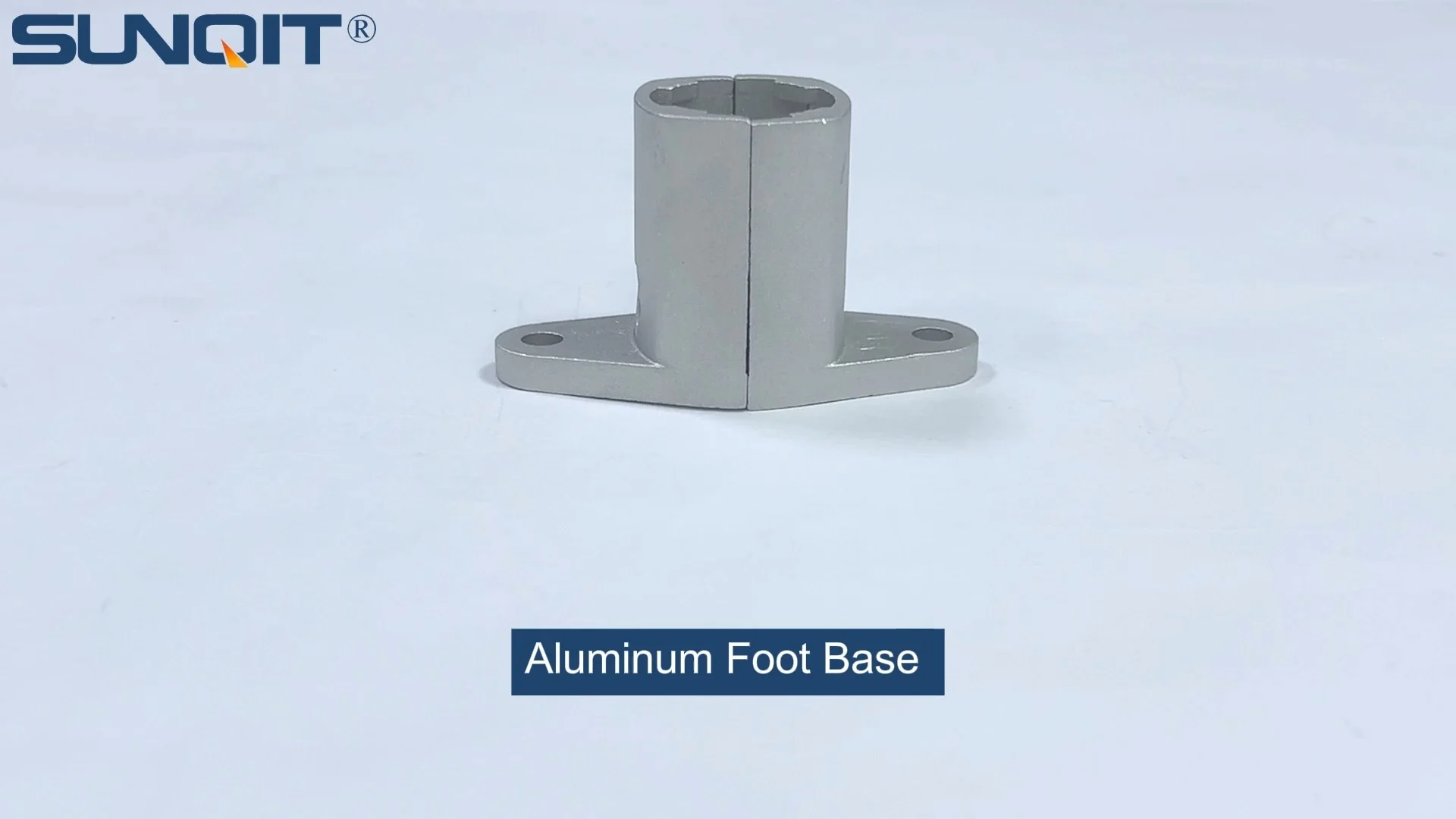
Aluminum Foot Base
Aluminum foot base to connect 28mm aluminum pipe and fixed it on the ground and prevent pipe fall and move.
Walk into any automotive assembly plant, and you'll be met with a symphony of activity: robots whirring, conveyor belts humming, and workers moving with precision to piece together the next generation of vehicles. It's a world where efficiency is king, and every second counts. But amid the focus on speed and output, there's a quiet problem that plagues many facilities—floor scratches. These seemingly minor blemishes, caused by the constant movement of heavy equipment, workbenches, and material trolleys, add up to major costs over time. Enter the aluminum foot base: a simple, unassuming component that's quietly revolutionizing how automotive plants protect their floors while keeping operations running smoothly.
The Hidden Cost of Floor Scratches in Automotive Plants
To understand why aluminum foot bases matter, let's first unpack the hidden costs of floor scratches. In a typical automotive assembly plant, the floor is more than just a surface—it's the foundation of daily operations. When heavy workbenches are dragged into place, or turnover trolleys loaded with engine parts are pushed across the floor, the friction between metal or plastic feet and concrete can leave deep gouges. Over time, these scratches accumulate, leading to three critical issues:
- Repair and Replacement Costs: Concrete floor repairs aren't cheap. Filling scratches, resurfacing damaged areas, or even replacing entire floor sections can cost thousands of dollars per incident. Multiply that by dozens of scratches across a large plant, and the annual bill adds up quickly.
- Safety Hazards: Scratches and cracks create uneven surfaces that trip workers or catch the wheels of trolleys, increasing the risk of accidents. In an industry where safety is non-negotiable, even a small scratch can lead to costly downtime or, worse, injuries.
- Operational Downtime: When floors need repairs, sections of the assembly line may need to shut down temporarily. In a plant producing hundreds of cars per day, even an hour of downtime translates to lost revenue and missed deadlines.
For years, plant managers tried band-aid solutions: thicker floor coatings, rubber mats, or plastic caps on equipment feet. But these often wore out quickly, peeled off, or added extra bulk that hindered movement. What was needed was a solution that was durable, easy to integrate, and designed specifically for the demands of automotive manufacturing. That's where aluminum foot base stepped in.
Introducing Aluminum Foot Base – A Simple Solution with Big Impact
At its core, an aluminum foot base is a small, sturdy component designed to sit between heavy equipment (like workbenches, material racks, or turnover trolleys) and the factory floor. Made from high-grade aluminum profile—known for its strength, light weight, and resistance to corrosion—it acts as a buffer, absorbing the weight of the equipment and distributing it evenly across a larger surface area. This reduces pressure on the floor and prevents scratches, dents, or cracks.
But what makes aluminum foot base stand out is its versatility. Unlike one-size-fits-all plastic caps, aluminum foot bases are often modular, designed to work with standard aluminum profile systems. This means they can be easily adjusted to fit different equipment heights, widths, and weights. Many models also come with non-slip rubber pads on the bottom, which further protect floors by increasing friction and preventing sliding—critical in busy areas where equipment might shift during operation.
Installing an aluminum foot base is surprisingly simple, too. Most are designed to bolt directly onto the bottom of equipment using basic aluminum pipe accessories—think brackets, screws, or clamps—so plant maintenance teams can retrofit existing workbenches or trolleys without needing specialized tools or extensive downtime. It's a "set it and forget it" solution that starts protecting floors from day one.

Why Aluminum? Comparing Materials for Floor Protection
You might be wondering: Why aluminum? Couldn't steel or plastic work just as well? Let's break down the key factors that make aluminum the superior choice for foot bases in automotive environments:
| Material | Scratch Resistance | Weight | Corrosion Resistance | Adjustability |
|---|---|---|---|---|
| Aluminum | High (soft enough to avoid scratching floors, hard enough to resist wear) | Lightweight (easy to install/remove) | Excellent (resists oils, coolants, and factory chemicals) | High (modular design with aluminum profile accessories) |
| Steel | Low (hard surface can scratch floors; prone to rust stains) | Heavy (adds unnecessary weight to equipment) | Poor (requires coating; rusts easily in damp environments) | Low (rigid, hard to modify) |
| Plastic | Medium (soft, but prone to cracking under heavy loads) | Lightweight | Good (resists chemicals), but degrades in high heat | Low (molded designs, not easily adjustable) |
Aluminum's sweet spot is its balance of strength and flexibility. It's strong enough to support heavy workbenches loaded with engine parts, yet soft enough that it won't scratch concrete floors. Its natural resistance to corrosion is a boon in automotive plants, where spills of oil, coolant, or cleaning chemicals are common. And because it's lightweight, it doesn't add unnecessary bulk to equipment—important when workers need to move trolleys or adjust workbench positions.

Design Features That Make Aluminum Foot Base a Game-Changer
Not all aluminum foot bases are created equal. The best models come with thoughtful design features tailored to the chaos of automotive assembly lines. Here are a few that stand out:
Adjustable Height for Uneven Floors
Factory floors are rarely perfectly level, especially in older plants. A good aluminum foot base includes a threaded adjustment mechanism, allowing workers to tweak the height by a few millimeters. This ensures the equipment sits evenly, reducing wobble (and thus friction) and preventing uneven wear on the floor.
Non-Slip Rubber Pads
The bottom of the foot base is often fitted with a replaceable rubber pad. These pads act like "shoes" for the equipment, increasing grip and absorbing small vibrations from nearby machinery. Over time, if the pad wears down, it can be swapped out in minutes—no need to replace the entire foot base.
Compatibility with Caster Wheels
Many automotive plants use equipment that needs to be moved occasionally—think a workbench that shifts between assembly stations or a material trolley that delivers parts to the line. The best aluminum foot bases are designed to be swapped with caster wheels using the same mounting points. This means workers can lock the foot base in place for stationary use, then quickly switch to casters when mobility is needed—no tools required.
Integration with Aluminum Profile Systems
Automotive plants often use aluminum profile systems to build custom workbenches, racks, and trolleys. Aluminum foot bases are designed to slot seamlessly into these systems, using standard aluminum profile accessories like brackets and T-slot nuts. This modularity means plants can design equipment that grows with their needs—adding shelves, extending workbenches, or modifying trolley sizes—without replacing the foot bases.

Real-World Impact: How One Plant Cut Floor Repairs by 60%
To put the benefits into perspective, let's look at a case study from a mid-sized automotive parts manufacturer in the Midwest. Before switching to aluminum foot bases, the plant was spending over $20,000 annually on floor repairs and resurfacing. Their assembly line workbenches, made from steel with plastic feet, were constantly scratching the concrete, and the plastic caps wore out every 3–4 months, leaving metal edges exposed.
In 2023, the plant retrofitted 120 workbenches and 80 material trolleys with aluminum foot bases. The results were striking: within six months, floor scratch incidents dropped by 75%, and the plant's annual repair bill fell to under $8,000—a 60% reduction. Workers also reported that the adjustable height feature made their workbenches more stable, reducing fatigue during long shifts. "We didn't realize how much time we were wasting fixing floors until we stopped needing to," said the plant manager. "The aluminum foot bases paid for themselves in less than a year."
Tips for Choosing and Maintaining Aluminum Foot Bases
If you're considering adding aluminum foot bases to your plant, here are a few tips to ensure you get the most value:
- Match the Foot Base to the Equipment Weight: Not all aluminum foot bases are rated for the same load. Check the manufacturer's specs to ensure the foot base can support your equipment (e.g., a heavy workbench vs. a lightweight trolley).
- Invest in Quality Rubber Pads: Cheap pads wear out quickly. Look for thick, oil-resistant rubber that can withstand factory chemicals.
- Train Teams on Adjustment: Show maintenance workers how to adjust the height and replace pads. A 10-minute training session can prevent improper installation that leads to scratches.
- Inspect Regularly: Add foot base checks to your monthly equipment inspection list. Look for loose bolts, worn pads, or bent aluminum (a sign of overloading).
Beyond Scratches: The Unexpected Benefits of Aluminum Foot Bases
While reducing floor scratches is the primary goal, aluminum foot bases offer other perks that make them a smart investment for automotive plants:
- Easier Cleaning: Aluminum is non-porous and easy to wipe down, making it ideal for plants with strict hygiene standards (e.g., cleanrooms for electronics assembly).
- Sustainability: Aluminum is 100% recyclable, aligning with automotive's push toward greener operations.
- Noise Reduction: The rubber pads absorb vibrations, reducing the "clanging" of metal equipment on concrete—a small but welcome improvement for worker comfort.
Conclusion: Small Changes, Big Results
In the fast-paced world of automotive manufacturing, it's easy to overlook small components like foot bases. But as plants across the industry are discovering, these unassuming parts can have a huge impact on the bottom line. By reducing floor scratches, lowering repair costs, and improving safety, aluminum foot bases prove that sometimes the best innovations are the simplest ones.
So the next time you walk through your plant, take a look at the feet of your workbenches and trolleys. Are they costing you money without you even realizing it? It might be time to make the switch to aluminum—and start protecting your floors, your budget, and your team's productivity.