- Company Articles
- Products and Technology
- Product knowledge
- Aluminum Foot Base in Cold Storage Warehouses: Performance in Low Temperatures

Aluminum Foot Base in Cold Storage Warehouses: Performance in Low Temperatures
Related Product
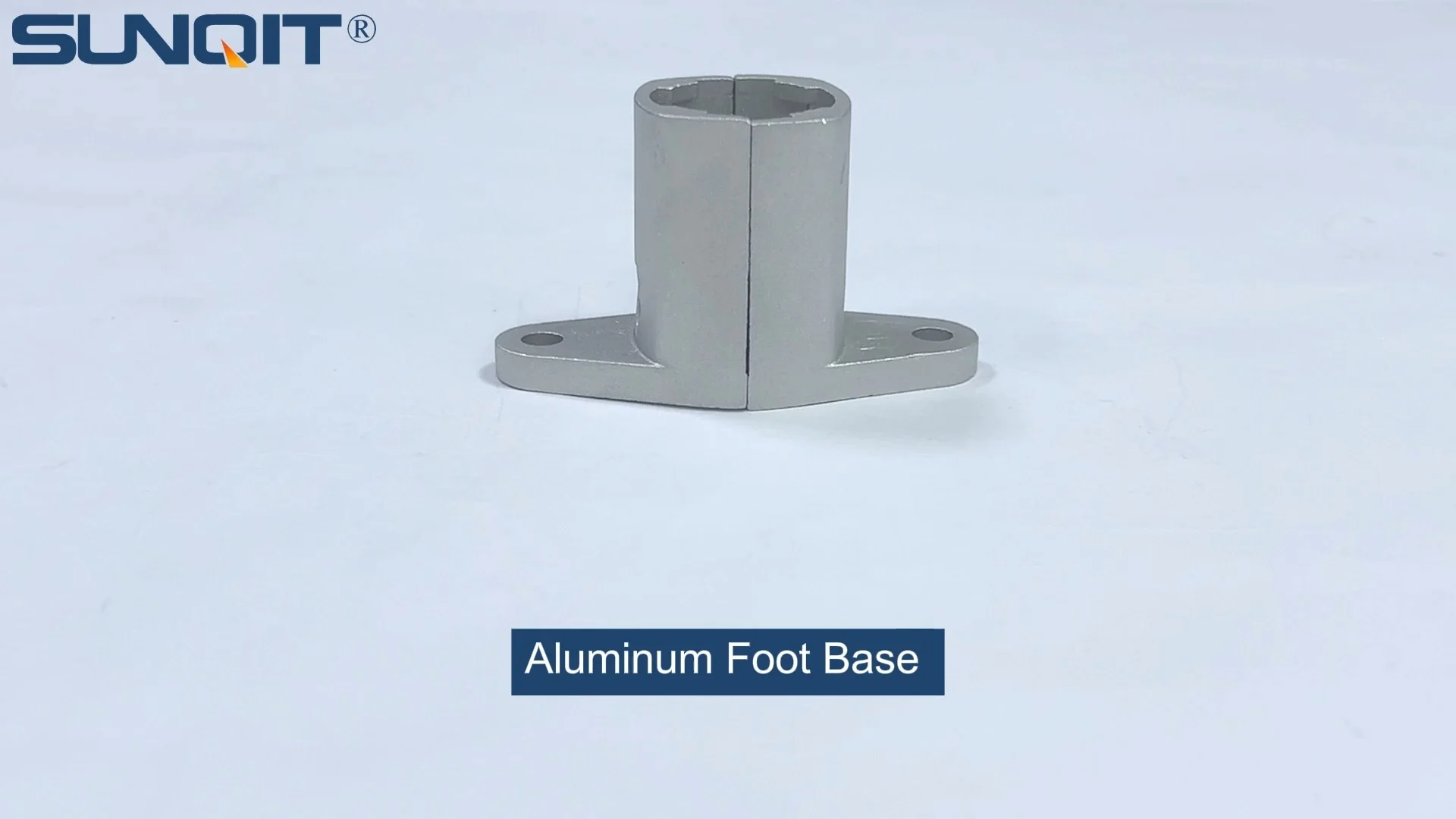
Aluminum Foot Base
Aluminum foot base to connect 28mm aluminum pipe and fixed it on the ground and prevent pipe fall and move.
Walk into any cold storage warehouse, and you'll notice a quiet battle happening every day—one between the harsh, freezing environment and the equipment that keeps operations running. From the moment the door seals shut, temperatures plummet, moisture lingers, and metal surfaces shiver under the strain. For facility managers, this battle isn't just about keeping products cold; it's about keeping their tools, workbenches, and material racks standing strong, day in and day out. That's where the unsung hero comes in: the aluminum foot base. More than just a metal plate on the floor, this unassuming component is the backbone of stability in some of the toughest industrial environments. Let's dive into why aluminum foot bases are revolutionizing cold storage, how they outperform other materials, and why they've become a must-have for facilities prioritizing durability, efficiency, and long-term reliability.
The Hidden Challenges of Cold Storage Environments
Cold storage isn't just about "being cold"—it's a complex ecosystem with unique stressors that test every piece of equipment. To understand why aluminum foot bases matter, we first need to unpack these challenges:
- Extreme Temperature Fluctuations: Even the best-insulated warehouses experience temperature swings. When doors open for loading/unloading, warm, humid air rushes in, condensing on cold surfaces. This "thermal shock" can cause materials to expand and contract, weakening structural integrity over time.
- Persistent Moisture: Condensation isn't just a nuisance—it's a corrosion risk. In food storage facilities, spills, ice melt, and high humidity levels create a breeding ground for rust and degradation, especially on metal components.
- Heavy Loads, Constant Movement: Cold storage workbenches, material racks, and turnover trolleys often bear hundreds of pounds of frozen goods. Add in daily movement—staff pushing trolleys, forklifts navigating tight spaces—and you've got a recipe for wear and tear.
- Slippery, Uneven Floors: Ice buildup or condensation can make floors slick, increasing the risk of equipment sliding. Foot bases must grip tightly, even on imperfect surfaces, to prevent accidents.
Traditional materials struggle here. Steel, for example, is strong but prone to rust. Plastic becomes brittle in sub-zero temps, cracking under pressure. Even stainless steel, while better, can corrode in highly humid cold environments. So why does aluminum rise to the occasion?
What Is an Aluminum Foot Base, Anyway?
At its core, an aluminum foot base is a foundational component designed to anchor equipment to the floor in industrial settings—think workbenches, material racks, or conveyor systems. But "simple" doesn't mean "basic." Modern aluminum foot bases are engineered for precision, made from high-grade aluminum alloys (often 6061 or 6063, known for strength and corrosion resistance) and shaped to distribute weight evenly. They come in various sizes, from compact bases for small workbenches to heavy-duty versions for large material racks, and often include features like pre-drilled holes for easy attachment to aluminum profiles or caster wheels.
What makes them unique is their integration with aluminum pipe accessories. A typical setup might include: a flat aluminum foot base plate, adjustable leveling feet to compensate for uneven floors, brackets that connect the base to vertical aluminum profiles, and caster wheels (with locks) for mobility. Together, these components create a system that's stable, flexible, and built to last in cold storage.

Aluminum vs. The Competition: Why It Wins in Cold Storage
To truly appreciate aluminum's value, let's compare it to other common materials used for foot bases. The table below breaks down key performance metrics in cold storage environments:
| Material | Corrosion Resistance | Thermal Stability | Load Capacity (per sq ft) | Weight (lbs/sq ft) | Est. Lifespan (Cold Storage) | Maintenance Needs |
|---|---|---|---|---|---|---|
| Aluminum | Excellent (natural oxide layer resists rust) | High (flexible; resists brittleness in cold) | Up to 500 lbs | 1.2–2.0 | 10–15 years | Minimal (occasional cleaning) |
| Steel | Poor (rusts quickly with moisture) | Moderate (prone to thermal shock cracking) | Up to 800 lbs | 4.5–6.0 | 3–5 years (without coating) | High (regular painting, rust treatment) |
| Plastic (HDPE) | Excellent (no rust risk) | Poor (becomes brittle below -10°C) | Up to 200 lbs | 0.8–1.5 | 2–4 years | Low (but prone to cracking/ replacement) |
| Stainless Steel | Very Good (resists corrosion, but not immune) | High (similar to aluminum) | Up to 700 lbs | 5.0–7.0 | 8–12 years | Moderate (occasional polishing to maintain finish) |
The Aluminum Advantage: Breaking It Down
1. Corrosion Resistance: A Natural Shield
Aluminum's secret weapon? Its oxide layer. When exposed to air, aluminum forms a thin, invisible layer of aluminum oxide that acts as a barrier against moisture, salt, and chemicals. In cold storage, where condensation is constant, this layer prevents rust from taking hold. Unlike steel, which requires painting or coating to resist corrosion (and even then, chips in the coating lead to rust), aluminum's protection is self-renewing. Scratch the surface, and a new oxide layer forms almost immediately. For food storage facilities, this means no rust stains on floors, no weakened structures, and no contamination risks from corroded metal particles.
2. Thermal Stability: No More Cracking
Plastic becomes brittle in the cold, cracking under impact. Steel can warp or develop stress fractures from repeated expansion/contraction. Aluminum, though, handles temperature swings with grace. Its low density and high ductility allow it to flex without breaking, even when temps drop to -30°C. This flexibility is critical for equipment that moves between freezers and staging areas—say, a workbench wheeled from a -25°C freezer to a 15°C packing zone. Aluminum adapts, avoiding the cracks and warps that plague other materials.
3. Strength Without the Weight
Aluminum is surprisingly strong for its weight. A 1/4-inch thick aluminum foot base can support up to 500 lbs per square foot—more than enough for most cold storage workbenches or material racks. And because it's 30% lighter than steel, aluminum bases make equipment easier to move. Imagine a team of staff pushing a heavy material rack across a slippery warehouse floor: a lighter base reduces strain, speeds up workflow, and lowers injury risks. For facilities using mobile workbenches or turnover trolleys, this is a game-changer.
4. Customizable and Compatible
Aluminum foot bases aren't one-size-fits-all. They're designed to work seamlessly with aluminum profile systems, meaning you can mix and match components to fit your needs. Need a base for a workbench with adjustable height? Pair it with aluminum profile supports and internal rotary aluminum joints for easy adjustments. Building a material rack with multiple shelves? Use aluminum pipe clamps to attach the base to vertical pipes, ensuring stability. This flexibility makes aluminum ideal for cold storage facilities, where layouts often change to accommodate seasonal inventory or new product lines.

Real-World Results: Aluminum Foot Bases in Action
Numbers and specs tell part of the story, but real-world impact matters most. Let's look at two case studies where aluminum foot bases transformed cold storage operations:
Case Study 1: A Frozen Food Distribution Center in Chicago
Before switching to aluminum, this 100,000 sq ft facility struggled with rusted steel foot bases on their material racks. "Within two years, the steel bases were covered in rust," says Maria, the operations manager. "We had to replace them every 18 months, costing $15,000 annually. Worse, the rust stained our warehouse floors, and we worried about metal flakes contaminating food products."
In 2023, they switched to aluminum foot bases paired with aluminum profile racks. "It's been night and day," Maria reports. "Two winters later, the bases still look brand new. We haven't had a single rust spot, and the racks are sturdier than ever. Best of all, moving the racks is easier—our team can rearrange the floor layout in half the time. We've saved $30,000 in replacement costs alone, not counting the productivity gains."
Case Study 2: A Pharmaceutical Cold Storage Facility in Texas
Pharmaceutical storage demands precision—temperatures must stay between 2°C and 8°C, and equipment must be sterile and stable. This facility previously used plastic foot bases for their workbenches, but "they cracked constantly," says Raj, the facility engineer. "At $200 per base, we were replacing 10–15 a year. The cracks also trapped dirt, making cleaning a nightmare—our QA team was always flagging it."
After switching to aluminum foot bases with aluminum honeycomb panels (for added stability), Raj's team saw immediate improvements. "No more cracks, no more trapped dirt. The bases wipe clean easily, which helps with our FDA compliance checks. And they're strong enough to hold our heavy lab equipment without flexing. We've gone 18 months without a single replacement—total savings? Over $5,000, plus peace of mind."

Beyond the Base: Aluminum Pipe Accessories That Elevate Performance
Aluminum foot bases are only as good as the accessories that support them. Cold storage operations rely on a suite of aluminum pipe accessories to create cohesive, efficient systems. Here are a few standouts:
- Adjustable Leveling Feet: Cold storage floors are rarely perfectly flat. Adjustable feet screw into the foot base, letting you tweak height to keep workbenches or racks stable, even on uneven surfaces. Look for models with rubber anti-slip pads to grip slick floors.
- Locking Caster Wheels: For mobile equipment (like workbenches or turnover trolleys), caster wheels with reliable locks are a must. Aluminum-compatible casters are designed to attach securely to foot bases, preventing slippage even when loaded with heavy goods. Bonus: Many models are ESD-safe, making them ideal for electronics or pharmaceutical storage where static electricity is a risk.
- Aluminum Pipe Clamps and Joints: These components connect the foot base to supporting pipes or aluminum profiles. Look for heavy-duty clamps with rubber gaskets to prevent metal-on-metal friction (which can weaken joints over time). Internal rotary aluminum joints, for example, allow for 360° rotation, making it easy to adjust workbench angles or material rack heights.
- Swivel Roller Balls: For material racks or conveyor systems, swivel roller balls (1 inch or 0.5 inch) mounted on aluminum bases let goods glide smoothly, reducing friction and making loading/unloading faster. They're especially useful for heavy boxes or frozen pallets.
Together, these accessories turn a simple foot base into a dynamic, adaptable system. For example, a workbench might combine: an aluminum foot base, adjustable leveling feet, aluminum profile supports, a honeycomb panel top, and locking casters. This setup is stable, mobile, and customizable—perfect for a cold storage facility that needs to adapt to changing workflows.
Choosing the Right Supplier: Why Quality Matters
Not all aluminum foot bases are created equal. To get the best performance in cold storage, you need a supplier who understands the unique challenges of low-temperature environments. Here's what to look for:
- Specialization in Industrial Aluminum: Avoid generic hardware stores. Look for suppliers who focus on lean system solutions—companies that design aluminum products specifically for warehouses, factories, and cold storage. These suppliers have the expertise to recommend the right alloys, thicknesses, and accessories for your needs.
- Testing and Certifications: Ask for data on how their foot bases perform in cold, humid conditions. Do they test for corrosion resistance? Thermal stability? Load capacity? Reputable suppliers will provide certificates or test reports to back up their claims.
- Customization Options: Cold storage facilities have unique layouts. A good supplier should offer custom sizing, hole drilling, or color options (like ESD-safe coatings) to fit your space. Avoid "one-size-fits-all" products—they rarely account for the nuances of low-temperature operations.
- After-Sales Support: What happens if a base cracks or an accessory fails? Look for suppliers with responsive customer service and warranties (5+ years is ideal). A supplier who stands behind their products is a partner in your facility's success.
Pro tip: Ask for references from other cold storage clients. A supplier who's worked with food distributors, pharmaceutical companies, or logistics firms will have the real-world experience to anticipate your needs.
Caring for Your Aluminum Foot Bases: Simple Maintenance Tips
Aluminum foot bases are low-maintenance, but a little care goes a long way in extending their lifespan:
- Regular Cleaning: Wipe bases down with a damp cloth or mild detergent to remove dust, ice melt, or food spills. Avoid harsh chemicals (like bleach) that can damage the oxide layer.
- Check Accessories Tightness: Every 3–6 months, inspect clamps, casters, and leveling feet. Tighten loose bolts or replace worn parts (like caster wheels) to prevent instability.
- Address Scratches Promptly: While aluminum's oxide layer self-heals, deep scratches can expose raw metal. Lightly sand the scratch with fine-grit sandpaper, then wipe with a dry cloth to encourage a new oxide layer to form.
- Lubricate Moving Parts: For casters or rotary joints, apply a small amount of silicone-based lubricant (avoid oil-based lubes, which attract dust) to keep them moving smoothly in cold temps.
With these steps, your aluminum foot bases should last 10–15 years in cold storage—twice as long as steel or plastic alternatives.
The Future of Cold Storage: Aluminum at the Forefront
As cold storage demands grow—driven by the rise of online grocery shopping, global food supply chains, and biotech innovation—aluminum foot bases are poised to play an even bigger role. Here's what to watch for:
- Smart Bases with Sensors: Imagine foot bases embedded with sensors that monitor load weight, temperature, or vibration. If a workbench is overloaded or a material rack shifts, the sensor alerts staff, preventing accidents or equipment failure.
- Eco-Friendly Alloys: Suppliers are developing aluminum alloys with higher recycled content, reducing environmental impact without sacrificing strength. For facilities prioritizing sustainability, this is a win-win.
- 3D-Printed Custom Bases: 3D printing technology is making it easier to create hyper-custom foot bases—perfect for odd-shaped equipment or unique warehouse layouts. Expect faster lead times and more design flexibility.
One thing is clear: aluminum's combination of strength, durability, and adaptability makes it the material of choice for the cold storage facilities of tomorrow.
Final Thoughts: Aluminum Foot Bases—The Foundation of Reliable Cold Storage
In the high-stakes world of cold storage, every component matters. Aluminum foot bases may not be the most glamorous part of your operation, but they're the quiet workhorses that keep everything stable, safe, and efficient. From their natural corrosion resistance to their lightweight strength, they outperform steel, plastic, and even stainless steel in low-temperature environments.
Whether you're running a small frozen food warehouse or a large pharmaceutical distribution center, investing in aluminum foot bases (and the right aluminum pipe accessories) is an investment in reliability. Less maintenance, fewer replacements, happier staff, and peace of mind—these are the dividends of choosing aluminum.
So the next time you walk through a cold storage facility, take a moment to look down. Chances are, the stable, rust-free bases supporting the workbenches and racks are made of aluminum. And behind every one of them is a facility manager who made the smart choice—one that's paying off, day in and day out.