- Company Articles
- Products and Technology
- Product knowledge
- Aluminum Foot Base in Warehousing: Reducing Floor Damage Risks

Aluminum Foot Base in Warehousing: Reducing Floor Damage Risks
Related Product
Aluminum Foot Base
Aluminum foot base to connect 28mm aluminum pipe and fixed it on the ground and prevent pipe fall and move.
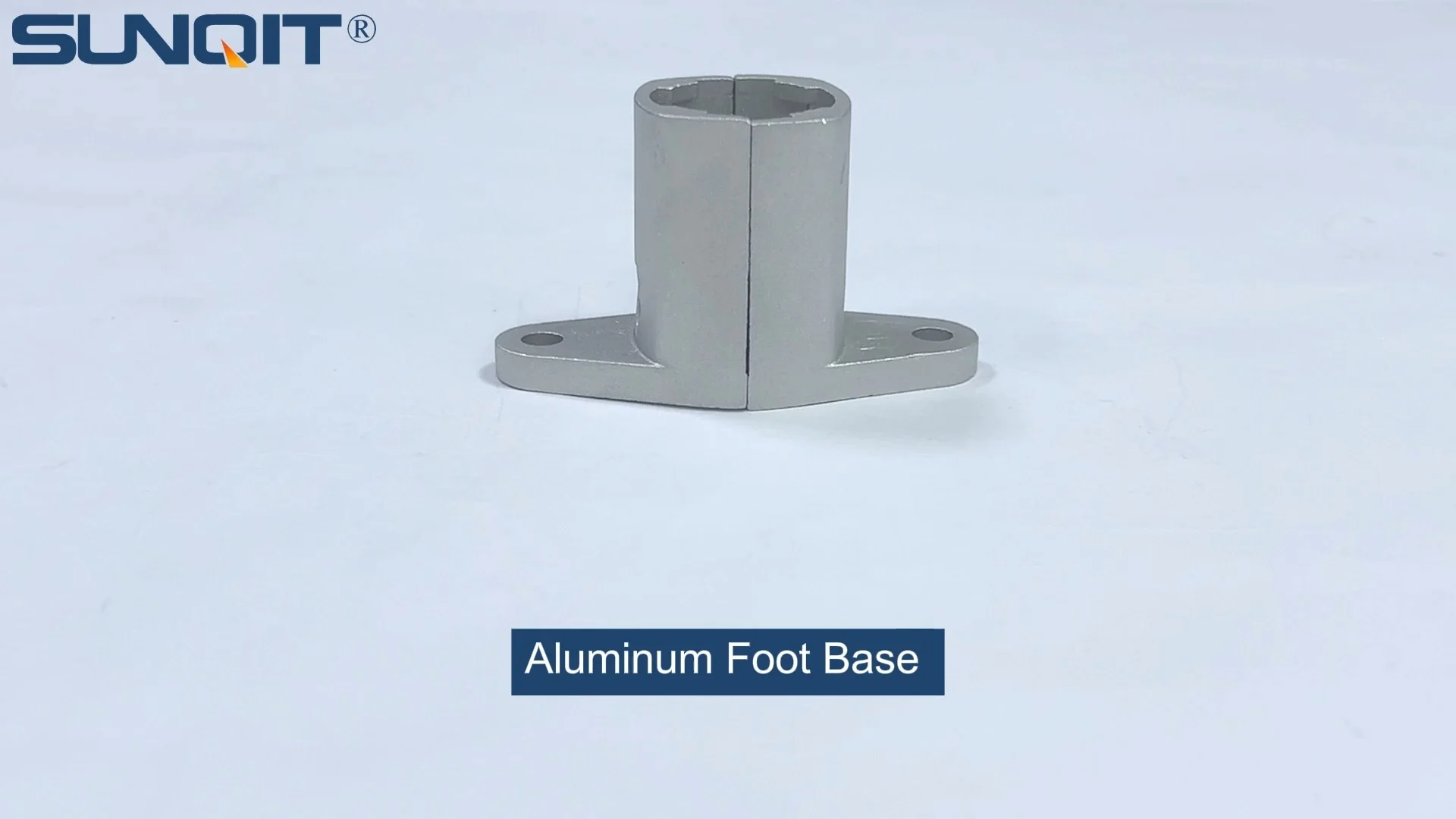
How a simple component is transforming warehouse efficiency and floor longevity
The Hidden Crisis: Why Warehouse Floors Are Failing (and Costing You Money)
Walk into any busy warehouse, and you'll likely notice the hum of activity: forklifts zipping by, workers loading and unloading pallets, roller track systems smoothly moving goods from station to station. But if you look closer—down at the floor—you might spot something less celebratory: scratches, dents, cracks, and stubborn scuff marks. These aren't just cosmetic issues. For warehouse managers, they're a silent drain on resources, a safety hazard, and a threat to operational efficiency.
Consider this: A single deep scratch in a concrete floor can cost $200–$500 to repair, depending on the severity. Multiply that by dozens of scratches from caster wheel collisions, heavy workbench legs grinding into the surface, or metal lean pipe structures shifting under load, and the annual repair bill can easily climb into the tens of thousands. Worse, those cracks and uneven surfaces become trip hazards, increasing the risk of workplace injuries. And when floors need repairs, operations slow down—forklifts are rerouted, workstations are temporarily shut down, and deadlines get pushed. It's a cycle of frustration that many warehouse teams know all too well.
"Last year, we spent over $12,000 fixing floor damage in our main assembly area alone," says Maria Gonzalez, operations manager at a mid-sized electronics manufacturer in Ohio. "The worst part? We were band-aiding the problem—patching cracks, resurfacing sections—without ever addressing why the damage kept happening. It wasn't until a safety audit flagged a cracked floor near our
roller track
as a 'high-risk' area that we realized we needed a better solution."
So, what's the root cause? More often than not, it's the equipment itself. Heavy machinery, metal workbench legs, and even the caster wheel of a turnover trolley can all concentrate weight onto small contact points, turning minor movements into major floor damage. Traditional solutions—like rubber mats or plastic caps—offer temporary relief but wear out quickly, leaving floors vulnerable again. That's where the aluminum foot base comes in: a deceptively simple component that's quietly revolutionizing how warehouses protect their most critical asset: the floor.
What Is an Aluminum Foot Base? The Unsung Hero of Warehouse Floors
At first glance, an aluminum foot base might seem unremarkable: a flat, sturdy piece of metal designed to sit between equipment and the floor. But its simplicity is its strength. Think of it as a buffer—a translator that takes the concentrated force of a metal workbench leg or a caster wheel and spreads it out over a larger area, like a snowshoe preventing your foot from sinking into the snow.
Made from high-grade aluminum profile , these foot bases are engineered to be both lightweight and incredibly durable. Aluminum's natural resistance to corrosion means they won't rust or degrade in humid warehouses or environments with frequent spills—unlike steel, which can leave rust stains on floors over time. And because aluminum is easy to machine, foot bases can be custom-shaped to fit almost any equipment: square for workbench legs, circular for caster wheel mounts, or even curved to match the contour of roller track supports.
But the real magic is in the details. Many aluminum foot bases feature non-slip rubber pads on the bottom, which grip the floor to prevent equipment from shifting during use—further reducing friction-related scratches. Others have adjustable heights, allowing teams to level uneven workbench surfaces without putting extra strain on the floor. And because they're compatible with lean pipe systems—a cornerstone of modern warehouse organization—they integrate seamlessly into existing setups, no major overhauls required.
Key Features of Aluminum Foot Bases:
- Made from high-strength aluminum profile for durability and lightweight performance
- Non-slip rubber padding to minimize friction and prevent shifting
- Customizable shapes and sizes to fit workbench legs, caster wheel mounts, and roller track supports
- Corrosion-resistant, ideal for humid or industrial environments
- Compatible with lean pipe systems and other warehouse equipment
- Made from high-strength aluminum profile for durability and lightweight performance
- Non-slip rubber padding to minimize friction and prevent shifting
- Customizable shapes and sizes to fit workbench legs, caster wheel mounts, and roller track supports
- Corrosion-resistant, ideal for humid or industrial environments
- Compatible with lean pipe systems and other warehouse equipment

Why Aluminum? The Material That Outperforms the Rest
You might be wondering: Why aluminum? Why not stick with steel, plastic, or wood? The answer lies in aluminum's unique combination of properties that make it perfect for warehouse environments. Let's break it down.
Strength Without the Weight: Steel is strong, but it's also heavy. A steel foot base might add unnecessary weight to mobile equipment like caster wheel -equipped trolleys, making them harder to maneuver and increasing the risk of operator fatigue (and accidental collisions). Aluminum, by contrast, has a strength-to-weight ratio that's 3x higher than steel. That means an aluminum foot base can support the same load as steel but weigh half as much—making equipment easier to move and reducing strain on floors during repositioning.
Corrosion Resistance: Warehouses are tough on materials. Spills, humidity, and chemical cleaners can take a toll on metal, leading to rust and degradation. Steel foot bases, for example, might start rusting after just a few months in a damp environment, leaving unsightly stains on concrete floors. Aluminum, however, forms a natural oxide layer when exposed to air, which acts as a protective barrier against corrosion. This makes it ideal for food processing warehouses, pharmaceutical facilities, or any environment where cleanliness and longevity matter.
Flexibility in Design: Aluminum profile is incredibly versatile. It can be extruded into complex shapes—like T-slots or grooves—that allow for easy attachment to other components, such as lean pipe joints or roller track brackets. This flexibility means aluminum foot bases can be tailored to specific equipment needs, whether you're mounting a heavy-duty workbench or a lightweight roller track system. Plastic foot bases, while cheap, lack this structural rigidity and can warp under heavy loads, leading to uneven weight distribution and—you guessed it—more floor damage.
Cost-Effective Over Time: Wood foot bases might seem like a budget-friendly option, but they're prone to splintering, rotting, or absorbing moisture—meaning they need frequent replacement. Aluminum foot bases, on the other hand, can last 10+ years with minimal maintenance. When you factor in the cost of replacing wood or plastic bases every 1–2 years, aluminum quickly becomes the more economical choice.
| Material | Durability | Weight (per sq. ft.) | Corrosion Resistance | Cost (10-Year Lifespan) |
|---|---|---|---|---|
| Aluminum | High (10+ years) | 1.5 lbs | Excellent | $50 (one-time purchase) |
| Steel | High (10+ years) | 4.0 lbs | Poor (prone to rust) | $65 (including rust treatment) |
| Plastic | Low (1–2 years) | 0.8 lbs | Good | $120 (5 replacements) |
| Wood | Low (1–3 years) | 2.0 lbs | Poor (rots in moisture) | $90 (3 replacements) |
As the table shows, aluminum strikes the perfect balance of durability, performance, and cost-effectiveness. It's no wonder that more and more warehouse managers are making the switch.

From Workbenches to Roller Tracks: Where Aluminum Foot Bases Make the Biggest Difference
Aluminum foot bases aren't a one-size-fits-all solution—they're a versatile tool that can protect floors across a range of warehouse equipment. Let's take a closer look at some of the most common applications:
1. Workbenches: The Workhorses of the Warehouse
Workbench es are everywhere in warehouses—assembly stations, packing areas, quality control checkpoints. And their legs? Often made of solid steel or bare metal, which can dig into floors over time, especially when workers lean on the bench or heavy items are placed on it. An aluminum foot base under each leg spreads the workbench 's weight over a larger area, reducing pressure from 50+ psi (pounds per square inch) to less than 10 psi—well below the threshold for concrete damage.
"We installed aluminum foot bases on all 12 of our assembly
workbench
es last year," says Tom Chen, warehouse supervisor at a automotive parts distributor in Michigan. "Before, we were resurfacing the floor under each bench every 6 months. Now? The floors look brand new, and we haven't needed a single repair. It's saved us at least $8,000 in maintenance costs alone."
2. Caster Wheels: Rolling Without the Damage
Caster wheel s are a warehouse's best friend—they make it easy to move heavy trolleys, racks, and bins. But when those wheels are attached directly to metal frames, the concentrated force of the wheel (especially when turning or stopping suddenly) can scuff or scratch floors. Aluminum foot bases designed for caster wheel mounts act as a buffer, absorbing shock and reducing friction. Some even feature swivel plates that allow the caster to rotate freely while keeping the base stable, further minimizing floor contact during movement.
3. Roller Tracks: Smooth Flow, No Scratches
Roller track systems are critical for lean operations—they use gravity or motors to move goods from one station to the next, reducing manual labor. But the supports that hold up these tracks? Often made of metal, which can shift or vibrate during use, leading to floor abrasion. Aluminum foot bases stabilize roller track supports, preventing movement and distributing the weight of the track and its contents evenly. This not only protects floors but also reduces noise and improves the track's overall stability—meaning fewer jams and smoother workflow.
4. Lean Pipe Systems: Efficiency Meets Protection
Lean pipe systems—modular structures built from pipes and joints—are used for everything from material racks to flow shelves. While lean pipe itself is often coated in plastic to prevent scratches, the metal joints and bases can still damage floors. Aluminum foot bases attach easily to lean pipe frames, providing a protective barrier between the structure and the floor. And because they're compatible with standard lean pipe components, they can be added to existing systems without any modifications.

Installation 101: How to Add Aluminum Foot Bases to Your Warehouse (Without the Headache)
Ready to start protecting your floors with aluminum foot bases? Good news: Installation is quick, easy, and requires minimal tools. Here's a step-by-step guide to get you started:
- Assess Your Equipment: Walk through your warehouse and identify high-risk areas: workbench es, roller track supports, caster wheel trolleys, and lean pipe structures. Note the size and shape of each equipment's base (e.g., square workbench legs, circular caster wheel mounts).
- Choose the Right Foot Base: select foot bases that match your equipment's dimensions and load requirements. Most suppliers offer standard sizes, but custom options are available for unique setups.
- Gather Tools: You'll need a drill, screws (stainless steel is best for durability), a level, and a measuring tape. For caster wheel mounts, you may also need a wrench to loosen and retighten bolts.
- Clean the Area: Sweep or vacuum the floor under the equipment to remove dirt and debris, which can prevent the foot base from sitting flush.
- Attach the Foot Base: Position the foot base under the equipment leg or mount, mark the screw holes, and drill pilot holes into the equipment (not the floor!). Secure the foot base with screws, ensuring it's tight but not over-tightened (which can warp the aluminum).
- Level and Test: Use a level to ensure the equipment is still stable. If needed, adjust the foot base's height (if adjustable) to correct any wobbling. Test the equipment by moving it (for caster wheel trolleys) or applying pressure (for workbench es) to ensure the foot base stays in place.
Pro tip: For large warehouses, start with a small pilot area—like a single assembly line or packing station—to test the foot bases. Once you see the results (fewer scratches, less maintenance), expand to other areas.
The Bottom Line: Aluminum Foot Bases = Happier Floors, Happier Budgets
Warehouse floors are the unsung foundation of your operation. They your equipment, keep your team safe, and keep goods moving. But for too long, they've been an afterthought—something to repair when they break, not protect before they do. Aluminum foot bases change that.
By distributing weight, reducing friction, and standing up to the rigors of warehouse life, these simple components protect your floors from damage, lower repair costs, and create a safer, more efficient workspace. They integrate seamlessly with lean pipe systems, workbench es, roller track s, and caster wheel equipment—making them a versatile solution for any warehouse.
So, if you're tired of paying for endless floor repairs, worried about safety hazards, or just looking to squeeze more efficiency out of your operation, consider aluminum foot bases. They might be small, but their impact? Nothing short of transformative.
Ready to Protect Your Floors?
Contact a reputable aluminum profile supplier today to discuss your needs. Most offer free samples, so you can test the foot bases before committing. Your floors (and your budget) will thank you.
Contact a reputable aluminum profile supplier today to discuss your needs. Most offer free samples, so you can test the foot bases before committing. Your floors (and your budget) will thank you.